

Complete Guide to the Apollo Space Missions: History, Crew, and Launch Legacy
Last updated: November 3, 2026.
The Apollo program remains one of the greatest achievements in human space exploration, transforming the dream of reaching the Moon into reality. Between 1961 and 1972, NASA developed the spacecraft, rockets, and technology needed to send astronauts beyond Earth orbit and eventually land humans on the lunar surface. What began as an ambitious goal during the Space Race became a defining chapter in American history, demonstrating how rapidly space exploration could advance through engineering, scientific research, and international competition.
In May 1961, President John F. Kennedy challenged the United States to land a man on the Moon and return him safely to Earth before the decade ended. At the time, NASA had only recently completed its first American human spaceflight, and the technology required for a lunar landing was still being developed. Meeting Kennedy’s challenge required powerful new rockets, specialized spacecraft, extensive testing, and astronauts capable of operating in an environment hundreds of thousands of miles from home. The resulting Apollo program achieved its most famous milestone in July 1969, when Neil Armstrong and Buzz Aldrin became the first humans to walk on the Moon.
The Apollo missions accomplished far more than the first lunar landing. Across 11 crewed flights, NASA tested complex spacecraft systems, developed techniques for operating around the Moon, collected lunar samples, and expanded scientific knowledge of Earth’s closest celestial neighbor. This guide explores the rockets that powered Apollo, the astronauts who made these missions possible, and the accomplishments of each crewed flight from Apollo 7 through Apollo 17.
The Apollo Program: From Kennedy’s Challenge to the Moon
NASA officially established the Apollo program in 1960, building on the foundation created by Project Mercury and later expanded through Project Gemini. While Mercury demonstrated that humans could survive and function in space, Gemini developed capabilities such as orbital rendezvous, docking, extended-duration flights, and spacewalks. Apollo brought these advances together into a spacecraft system capable of transporting three astronauts to the Moon and returning them safely to Earth.
The Apollo spacecraft consisted of three primary components. The Command Module housed the crew during launch, most of the journey, and reentry into Earth’s atmosphere. The Service Module provided propulsion, electricity, oxygen, and other essential support systems. For lunar landing missions, a separate Lunar Module carried two astronauts from lunar orbit to the surface and back, while the third astronaut remained aboard the Command and Service Module. This design allowed NASA to accomplish a lunar landing without requiring the entire spacecraft to descend to the Moon.
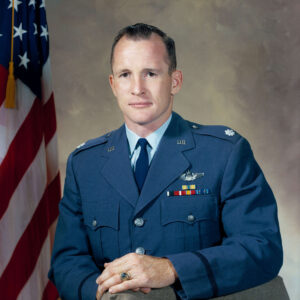
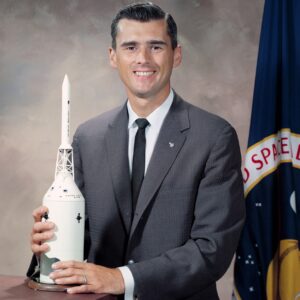
The program also faced significant challenges. On January 27, 1967, a cabin fire during a ground test for Apollo 1 killed astronauts Gus Grissom, Ed White, and Roger Chaffee. The tragedy led NASA to redesign important spacecraft systems and strengthen safety procedures before resuming crewed Apollo flights. Although the loss delayed the program, the resulting improvements became essential to the success of later missions. By October 1968, NASA was ready to begin the series of crewed flights that would ultimately fulfill Kennedy’s challenge.

The Rockets Behind the Apollo Missions
The Apollo program depended on two major launch vehicles: the Saturn IB and Saturn V. Both were developed as part of NASA’s Saturn rocket family, but they served different purposes throughout the program.
Saturn IB: Testing Apollo in Earth Orbit
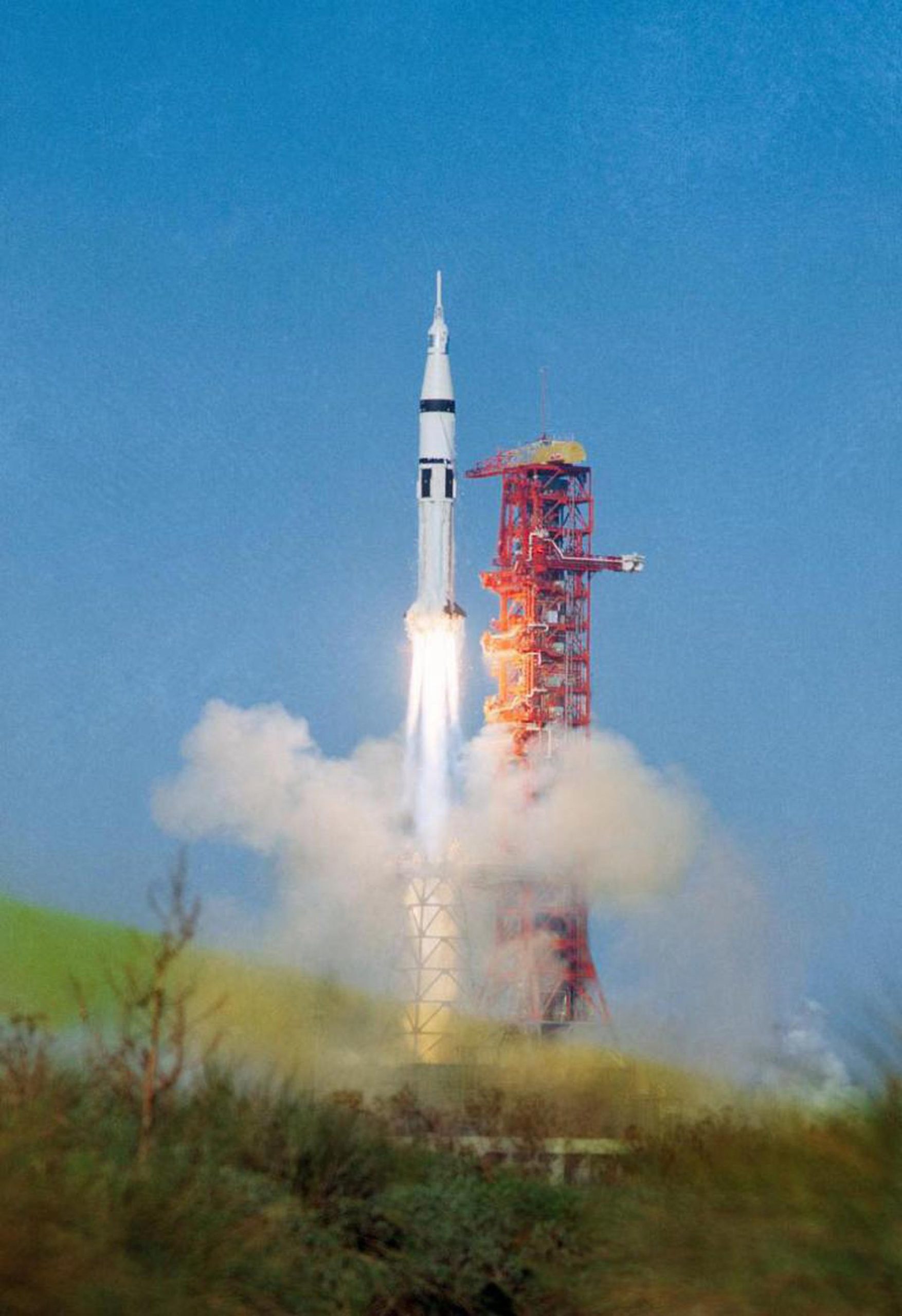
The Saturn IB was a two-stage rocket designed to carry Apollo spacecraft into low Earth orbit. Standing approximately 141 feet tall, it was powerful enough to launch the Command and Service Module for early testing but could not send a fully equipped Apollo spacecraft to the Moon. Its role was particularly important during the program’s development, allowing engineers to evaluate spacecraft performance, propulsion, life-support systems, and flight operations before attempting more demanding missions.
Apollo 7 became the only crewed Apollo mission launched aboard a Saturn IB rocket. Earlier uncrewed Saturn IB launches had already helped NASA test spacecraft hardware and the Lunar Module. The rocket later supported missions associated with Skylab and the Apollo-Soyuz Test Project, extending its usefulness beyond the original lunar exploration program.
Saturn V: The Rocket That Took Humans to the Moon

The Saturn V was the powerful three-stage rocket responsible for launching every Apollo crewed mission that traveled beyond low Earth orbit. Standing approximately 363 feet tall, it remains one of the most recognizable launch vehicles in history. Unlike the Saturn IB, the Saturn V could carry the Command and Service Module, Lunar Module, and necessary equipment together on a single mission. Its upper stage performed the critical burn that sent the spacecraft out of Earth orbit and onto a trajectory toward the Moon. The rocket’s reliability became central to Apollo’s success, supporting nine crewed lunar missions between 1968 and 1972.
The Crewed Apollo Missions: Launches, Astronauts, and Major Achievements
Between October 1968 and December 1972, NASA launched 11 crewed Apollo missions. Each flight had its own objectives, beginning with spacecraft testing in Earth orbit and progressing to increasingly ambitious lunar expeditions. Together, these missions transformed Apollo from an experimental program into an unprecedented scientific and technological achievement.
Apollo 7: The First Crewed Apollo Mission
Launch Date: October 11, 1968 · Rocket: Saturn IB · Crew: Wally Schirra (Commander), Donn Eisele (Command Module Pilot), Walter Cunningham (Lunar Module Pilot) · Apollo 7 launch details
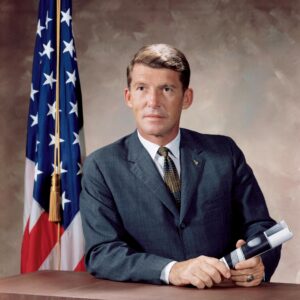
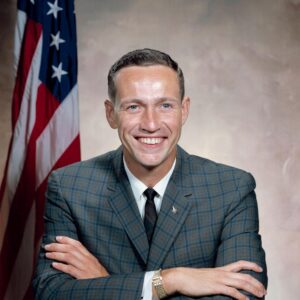
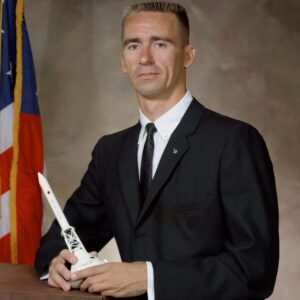
Apollo 7 marked NASA’s return to crewed Apollo flight following the Apollo 1 tragedy. Launching from Cape Canaveral, Florida, the three astronauts spent nearly 11 days orbiting Earth while evaluating the redesigned Command and Service Module. Their mission tested propulsion, navigation, communications, life support, and other essential systems needed for future journeys to the Moon. Apollo 7 demonstrated that the improved spacecraft could support a crew during an extended mission, clearing the way for NASA’s first journey to the Moon.
Apollo 8: Humanity’s First Journey Around the Moon
Launch Date: December 21, 1968 · Rocket: Saturn V · Crew: Frank Borman (Commander), Jim Lovell (Command Module Pilot), William Anders (Lunar Module Pilot) · Apollo 8 launch details
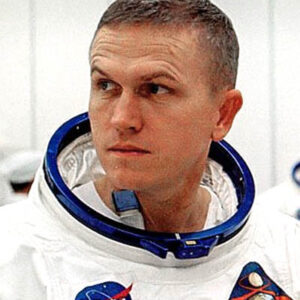
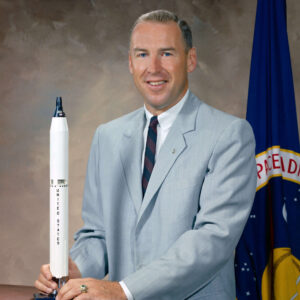
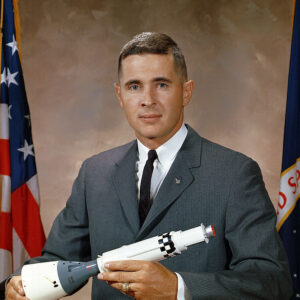
Apollo 8 became the first crewed mission to leave Earth orbit, travel to the Moon, and return safely home. The spacecraft completed ten lunar orbits, providing astronauts with their first close-up views of the Moon’s surface and allowing NASA to evaluate navigation and communications far from Earth. During the mission, William Anders captured the famous Earthrise photograph, showing Earth appearing above the lunar horizon. Apollo 8 demonstrated that NASA could successfully navigate to the Moon and return, an accomplishment that dramatically advanced preparations for the first landing.
Apollo 9: Testing the Lunar Module in Earth Orbit
Launch Date: March 3, 1969 · Rocket: Saturn V · Crew: James McDivitt (Commander), David Scott (Command Module Pilot), Rusty Schweickart (Lunar Module Pilot) · Apollo 9 launch details
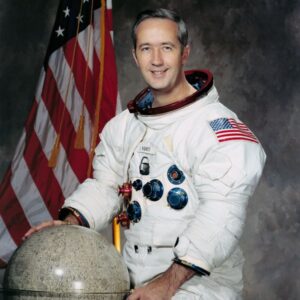
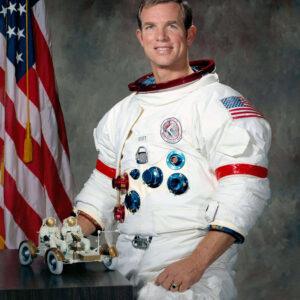
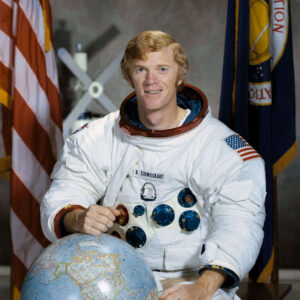
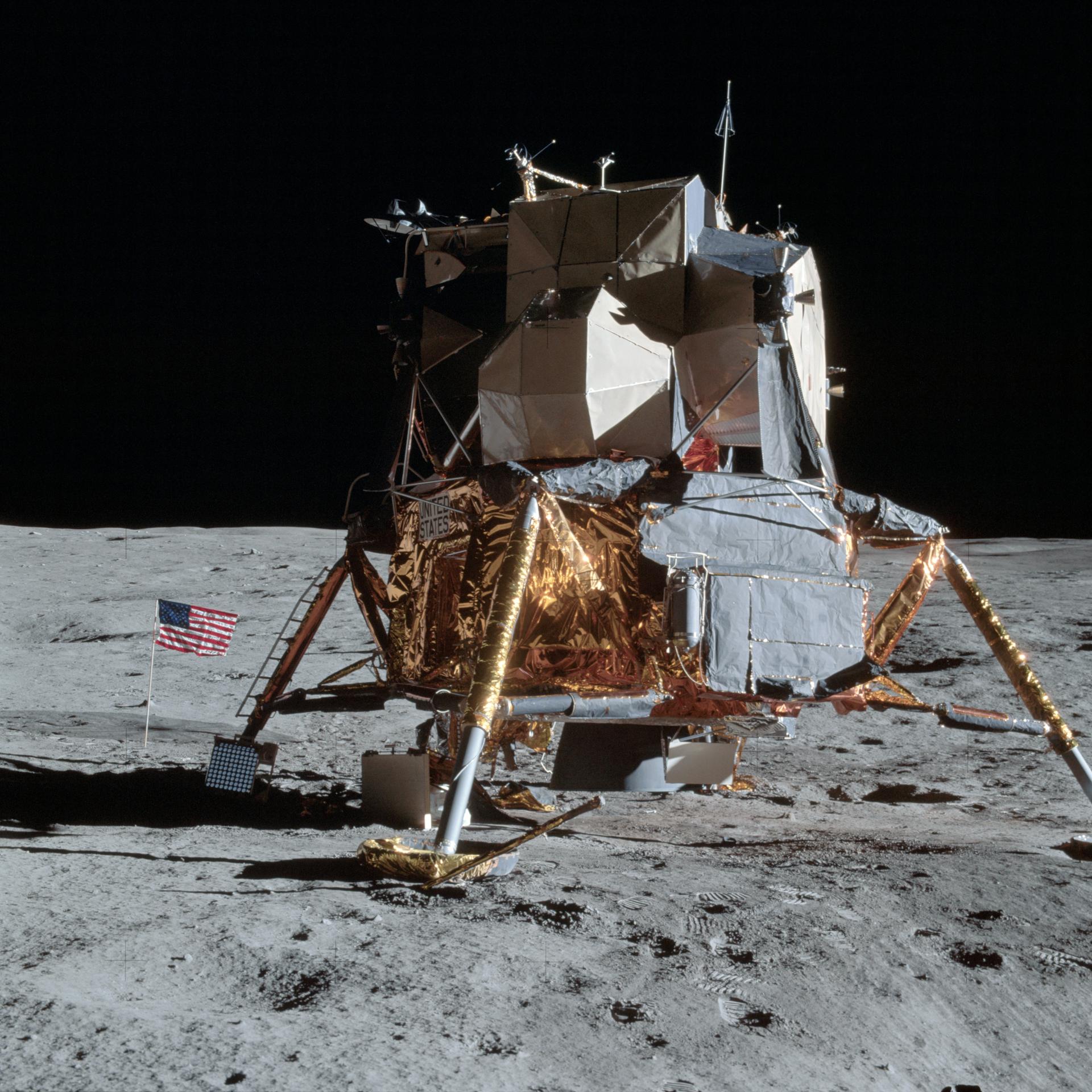
Apollo 9 was the first crewed flight to test the complete Apollo spacecraft system, including the Lunar Module that would eventually carry astronauts to the Moon’s surface. Over ten days in Earth orbit, the crew evaluated how the Command and Service Module and Lunar Module operated together. McDivitt and Schweickart entered the Lunar Module and successfully performed independent flight maneuvers before docking again. Schweickart also conducted a spacewalk to test the spacesuit and portable life-support system designed for lunar exploration. Apollo 9 successfully demonstrated several of the most important techniques required for a lunar landing.
Apollo 10: The Dress Rehearsal for the Moon Landing
Launch Date: May 18, 1969 · Rocket: Saturn V · Crew: Thomas Stafford (Commander), John Young (Command Module Pilot), Eugene Cernan (Lunar Module Pilot) · Apollo 10 launch details
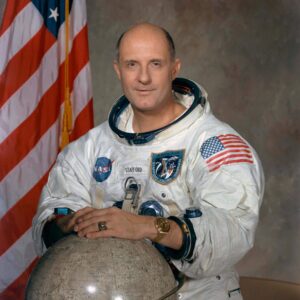
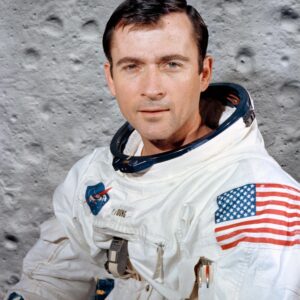
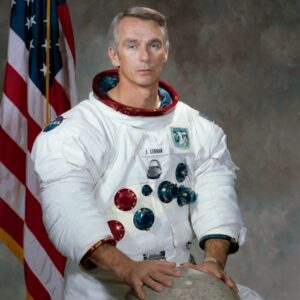
Apollo 10 served as the final dress rehearsal before NASA attempted to land astronauts on the Moon. The mission followed nearly the same sequence planned for Apollo 11, including traveling to lunar orbit, separating the Lunar Module, and preparing for descent toward the surface. Stafford and Cernan flew the Lunar Module Snoopy to approximately 8.4 nautical miles above the Moon before returning to dock with Young aboard the Command Module Charlie Brown. Their successful performance confirmed that NASA was ready to attempt the first crewed Moon landing just two months later.
Apollo 11: The First Humans Land on the Moon
Launch Date: July 16, 1969 · Rocket: Saturn V · Crew: Neil Armstrong (Commander), Michael Collins (Command Module Pilot), Buzz Aldrin (Lunar Module Pilot) · Apollo 11 launch details
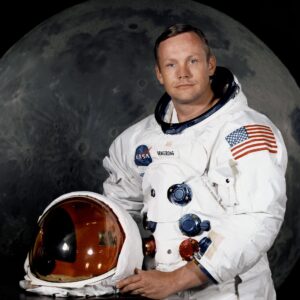
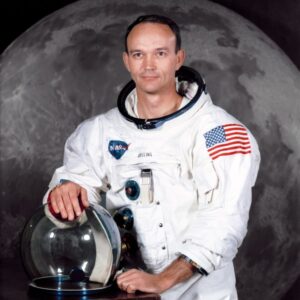
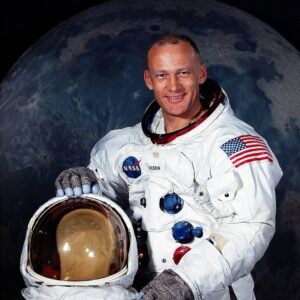
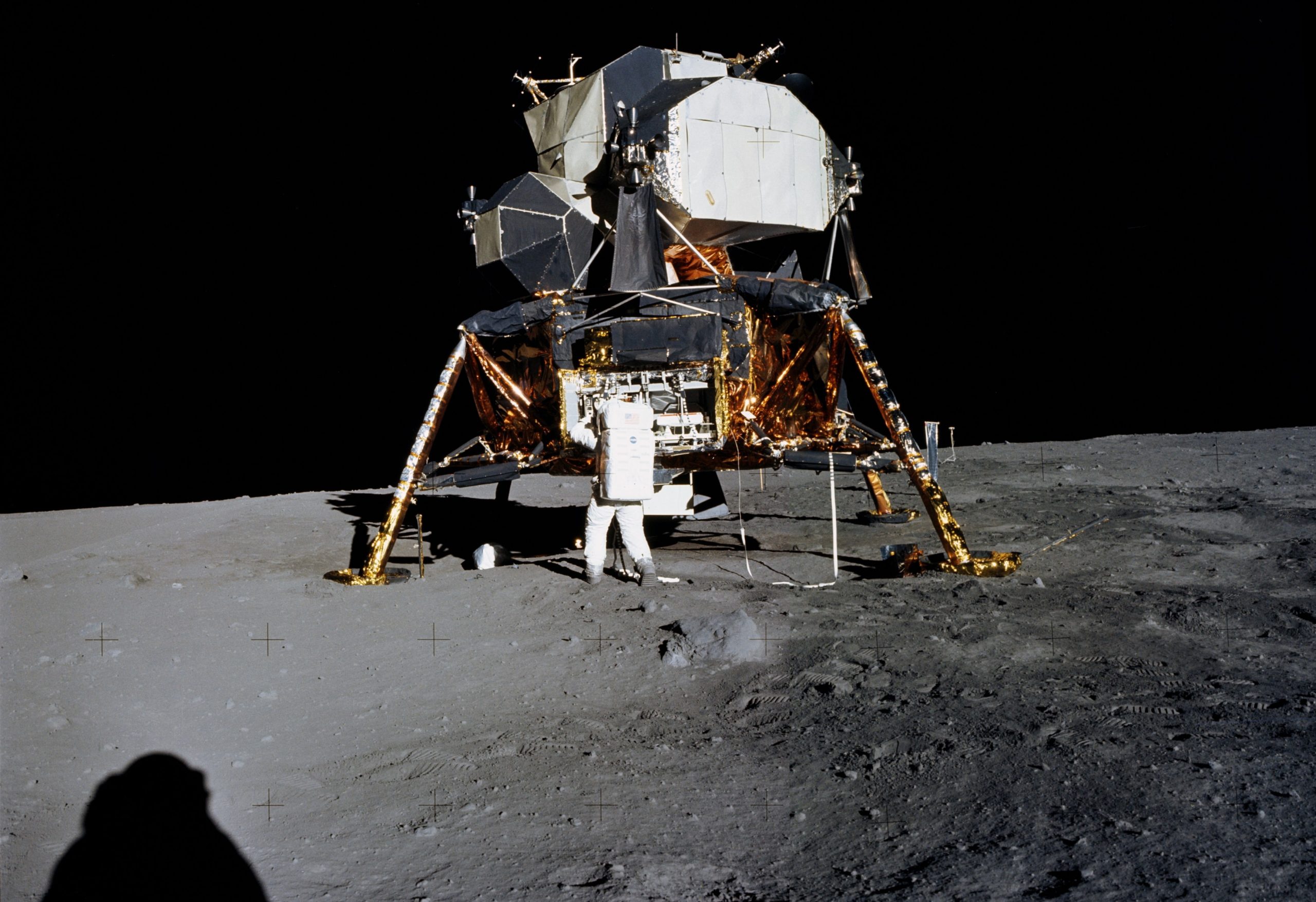
On July 20, 1969, Apollo 11 achieved the goal that had defined NASA’s lunar program. Neil Armstrong and Buzz Aldrin successfully landed the Lunar Module Eagle in the Sea of Tranquility while Michael Collins remained in lunar orbit aboard the Command Module Columbia. Armstrong became the first person to step onto the Moon, followed shortly afterward by Aldrin. During their time on the surface, the astronauts collected approximately 47.5 pounds of lunar material, deployed scientific experiments, and photographed the surrounding terrain. Their successful return to Earth on July 24 marked the completion of humanity’s first crewed lunar landing — read more in our Apollo 11 Moon landing anniversary coverage.
Apollo 12: Precision Landing at Ocean of Storms
Launch Date: November 14, 1969 · Rocket: Saturn V · Crew: Charles “Pete” Conrad (Commander), Richard Gordon (Command Module Pilot), Alan Bean (Lunar Module Pilot) · Apollo 12 launch details
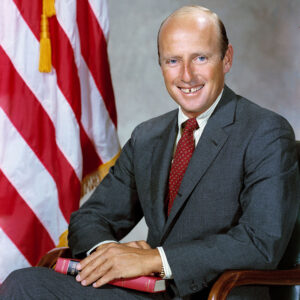
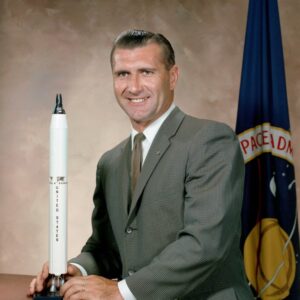
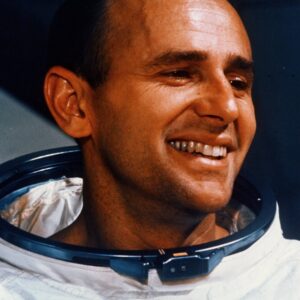
Apollo 12 demonstrated that astronauts could land precisely at a selected location rather than simply reaching a safe area of the Moon. Conrad and Bean guided the Lunar Module Intrepid to the Ocean of Storms, landing within walking distance of the Surveyor 3 robotic spacecraft, which had arrived more than two years earlier. During two moonwalks, they collected geological samples, deployed scientific instruments, and retrieved components from Surveyor 3 for examination on Earth.
Apollo 13: NASA’s Successful Failure
Launch Date: April 11, 1970 · Rocket: Saturn V · Crew: Jim Lovell (Commander), Jack Swigert (Command Module Pilot), Fred Haise (Lunar Module Pilot) · Apollo 13 launch details
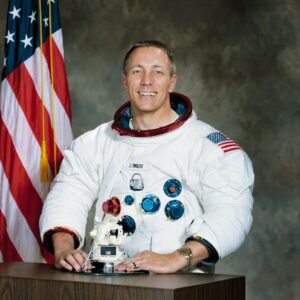
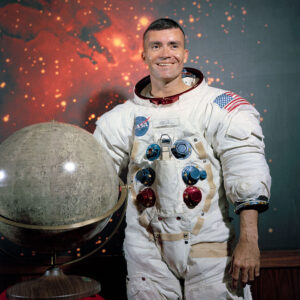
Apollo 13 was intended to become NASA’s third crewed lunar landing, but the mission changed dramatically when an oxygen tank exploded in the Service Module approximately 56 hours after launch. The explosion damaged critical spacecraft systems, forcing mission controllers to cancel the landing and focus entirely on bringing the astronauts home. After several tense days, the astronauts safely splashed down in the Pacific Ocean on April 17.
Apollo 14: Returning to the Moon After Apollo 13
Launch Date: January 31, 1971 · Rocket: Saturn V · Crew: Alan Shepard (Commander), Stuart Roosa (Command Module Pilot), Edgar Mitchell (Lunar Module Pilot) · Apollo 14 launch details
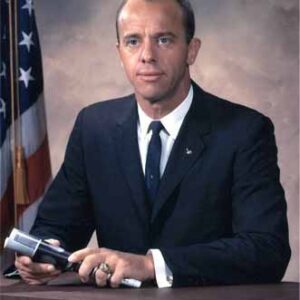

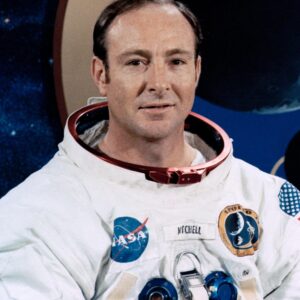
Apollo 14 marked NASA’s return to the lunar surface following the Apollo 13 emergency. During two moonwalks, the astronauts deployed experiments, collected approximately 94 pounds of lunar samples, and explored the surrounding terrain using a hand-pulled equipment cart. The mission also became famous for a lighter moment when Shepard used a modified golf club to hit two golf balls across the lunar surface.
Apollo 15: Exploring the Moon with the Lunar Rover
Launch Date: July 26, 1971 · Rocket: Saturn V · Crew: David Scott (Commander), Alfred Worden (Command Module Pilot), James Irwin (Lunar Module Pilot) · Apollo 15 launch details
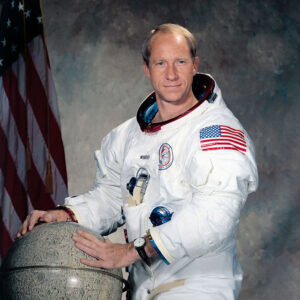
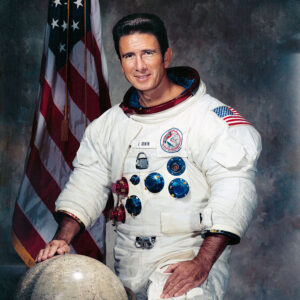
Apollo 15 introduced a new era of lunar exploration by becoming the first mission to use the Lunar Roving Vehicle, an electric-powered vehicle designed to transport astronauts across the Moon’s surface. Using the rover, the astronauts traveled farther from their landing site than previous crews, allowing them to explore varied geological formations and collect approximately 170 pounds of lunar material. Among their discoveries was the Genesis Rock, an ancient sample that provided important clues about the Moon’s early crust. Meanwhile, Alfred Worden conducted observations from lunar orbit and later performed a spacewalk during the return journey to retrieve scientific film.
Apollo 16: Investigating the Lunar Highlands
Launch Date: April 16, 1972 · Rocket: Saturn V · Crew: John Young (Commander), Ken Mattingly (Command Module Pilot), Charles Duke (Lunar Module Pilot) · Apollo 16 launch details
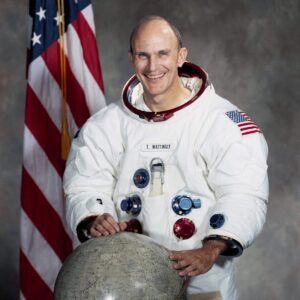
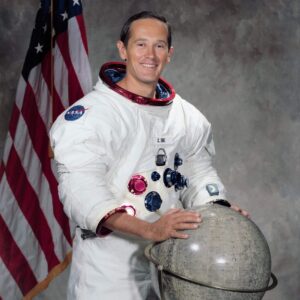
Apollo 16 focused on exploring the Moon’s rugged highland regions, which scientists believed could provide insights into a different stage of lunar geological development. The astronauts collected approximately 209 pounds of rocks and soil, including samples that helped scientists better understand the role of meteorite impacts in shaping the lunar surface. Their findings challenged earlier assumptions that some highland formations originated from volcanic activity.
Apollo 17: The Final Apollo Moon Landing
Launch Date: December 7, 1972 · Rocket: Saturn V · Crew: Eugene Cernan (Commander), Ronald Evans (Command Module Pilot), Harrison Schmitt (Lunar Module Pilot) · Apollo 17 launch details
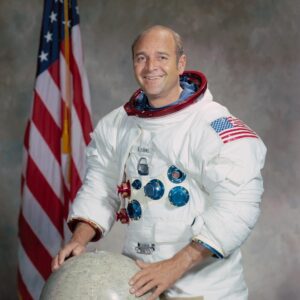
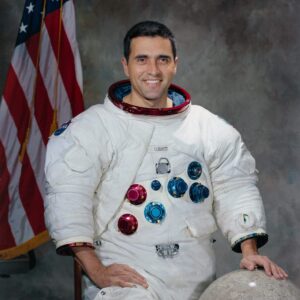
Apollo 17 became the final crewed lunar landing of the Apollo program and one of its most scientifically productive missions. Schmitt, a trained geologist, became the first professional scientist to walk on the Moon, bringing specialized expertise to the mission’s research activities. Over three moonwalks, the astronauts spent more than 22 hours exploring the surface, traveled approximately 22 miles using the Lunar Roving Vehicle, and collected about 243 pounds of lunar samples. Their discoveries included orange-colored volcanic glass, providing evidence of ancient volcanic activity on the Moon. When Cernan departed the surface on December 14, 1972, he became the last person to walk on the Moon.
Apollo Missions Launch Summary: Quick Reference
The following table provides an overview of the 11 crewed Apollo missions, including their launch dates, rockets, major accomplishments, and destinations. Although only six missions successfully landed astronauts on the Moon, each flight contributed to the program’s overall achievements. You can also browse every one of these flights in our 1960s launch schedule.
| Mission | Launch Date | Rocket | Key Highlight | Destination or Landing Site |
|---|---|---|---|---|
| Apollo 7 | Oct 11, 1968 | Saturn IB | First crewed Apollo mission | Earth orbit |
| Apollo 8 | Dec 21, 1968 | Saturn V | First human lunar orbit | Lunar orbit |
| Apollo 9 | Mar 3, 1969 | Saturn V | First crewed Lunar Module test | Earth orbit |
| Apollo 10 | May 18, 1969 | Saturn V | Lunar landing dress rehearsal | Lunar orbit |
| Apollo 11 | Jul 16, 1969 | Saturn V | First crewed lunar landing | Sea of Tranquility |
| Apollo 12 | Nov 14, 1969 | Saturn V | Precision lunar landing | Ocean of Storms |
| Apollo 13 | Apr 11, 1970 | Saturn V | Successful emergency return | Lunar flyby; landing aborted |
| Apollo 14 | Jan 31, 1971 | Saturn V | Fra Mauro exploration | Fra Mauro |
| Apollo 15 | Jul 26, 1971 | Saturn V | First Lunar Rover mission | Hadley Rille |
| Apollo 16 | Apr 16, 1972 | Saturn V | Lunar highland exploration | Descartes Highlands |
| Apollo 17 | Dec 7, 1972 | Saturn V | Final Apollo Moon landing | Taurus-Littrow |
How the Apollo Program Changed Space Exploration
The Apollo program transformed scientific understanding of the Moon while establishing technologies and operational procedures that would influence generations of spacecraft. Across six successful lunar landings, astronauts returned approximately 842 pounds of lunar rocks and soil, allowing researchers to investigate the Moon’s composition, geological history, and formation. These investigations continued long after the astronauts returned to Earth, with lunar samples remaining valuable resources for scientific research today.
Apollo also demonstrated that humans could travel beyond Earth orbit, navigate through deep space, operate multiple spacecraft around another celestial body, and perform complex scientific work on an extraterrestrial surface. After Apollo, NASA applied this experience to Skylab, the Space Shuttle, and eventually the International Space Station. The program’s greatest legacy was not simply reaching the Moon, but establishing the technical foundation and operational experience required for increasingly ambitious missions.
Apollo Rocket Launches and Their Legacy FAQ
How many crewed Apollo missions were there?
NASA conducted 11 crewed Apollo missions, beginning with Apollo 7 in October 1968 and concluding with Apollo 17 in December 1972.
Which Apollo mission first landed humans on the Moon?
Apollo 11 completed the first crewed Moon landing on July 20, 1969. Neil Armstrong and Buzz Aldrin descended to the lunar surface aboard the Lunar Module Eagle, while Michael Collins remained in lunar orbit.
What rocket was used for the Apollo Moon landings?
All six successful Apollo lunar landing missions launched aboard the Saturn V rocket. Standing approximately 363 feet tall, the three-stage launch vehicle provided the power necessary to send astronauts and their spacecraft toward the Moon.
Why was there no crewed Apollo 2 or Apollo 3?
Following the Apollo 1 tragedy, NASA revised its mission numbering. The designation Apollo 1 was retained in honor of the crew who died during the ground test, while subsequent uncrewed Saturn V development flights received the Apollo 4 and Apollo 6 designations. Apollo 7 became the first crewed mission of the program.
How many astronauts walked on the Moon?
A total of 12 astronauts walked on the Moon during the Apollo program. Each of the six successful lunar landing missions placed two astronauts on the surface, while a third remained aboard the Command and Service Module in lunar orbit.
What was the longest Apollo mission?
Apollo 17 was the longest crewed Apollo mission, lasting approximately 12 days and 14 hours. Its astronauts also spent more time on the lunar surface than any previous Apollo crew, supporting an extensive program of geological exploration and scientific experiments.
Why did NASA stop sending astronauts to the Moon after Apollo 17?
NASA ended the Apollo lunar landing missions primarily because of budget reductions and changing national priorities. Although additional missions had originally been planned, Apollo 17 became the final lunar expedition in December 1972.
What is the difference between Apollo and Artemis?
The Apollo program focused on achieving the first human lunar landings and conducting early scientific exploration of the Moon. NASA’s Artemis program builds on that legacy, pursuing renewed human lunar exploration with modern spacecraft, launch systems, and a greater emphasis on developing capabilities for sustained lunar operations and future missions to Mars.
The Lasting Legacy of the Apollo Program
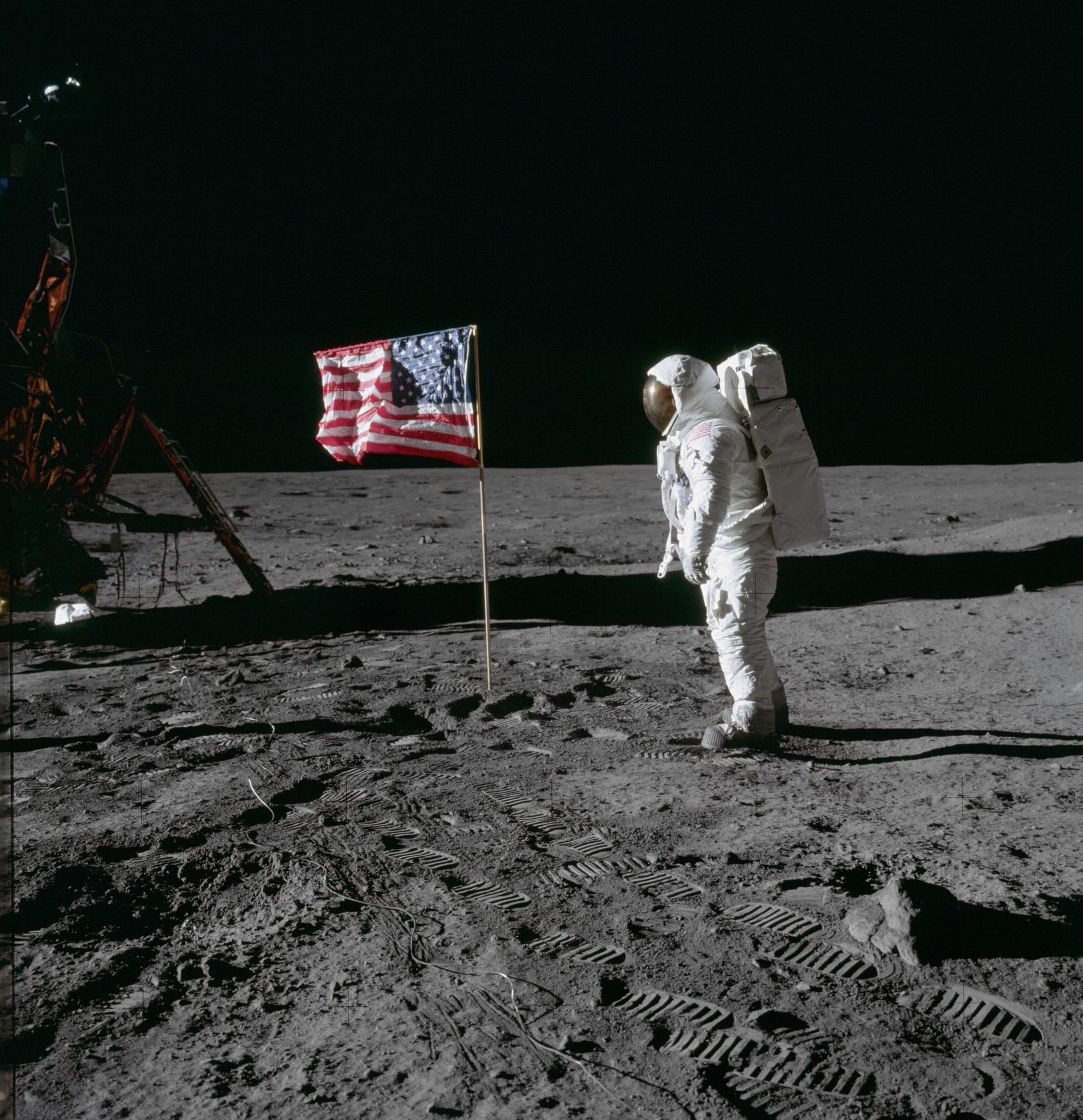
The Apollo missions remain among the most significant accomplishments in the history of space exploration, representing a period when extraordinary engineering challenges were overcome in pursuit of a goal that once seemed impossible. Today, NASA’s Artemis program carries forward the ambition that defined Apollo, using modern technologies to prepare for renewed human exploration of the Moon. While spacecraft and launch systems have advanced considerably since the 1960s, Apollo’s lessons in innovation, teamwork, and exploration remain central to the future of spaceflight.
Want to track upcoming Moon launches and modern space missions? Visit Space Launch Schedule to explore launch schedules, mission details, and upcoming rocket launches around the world.