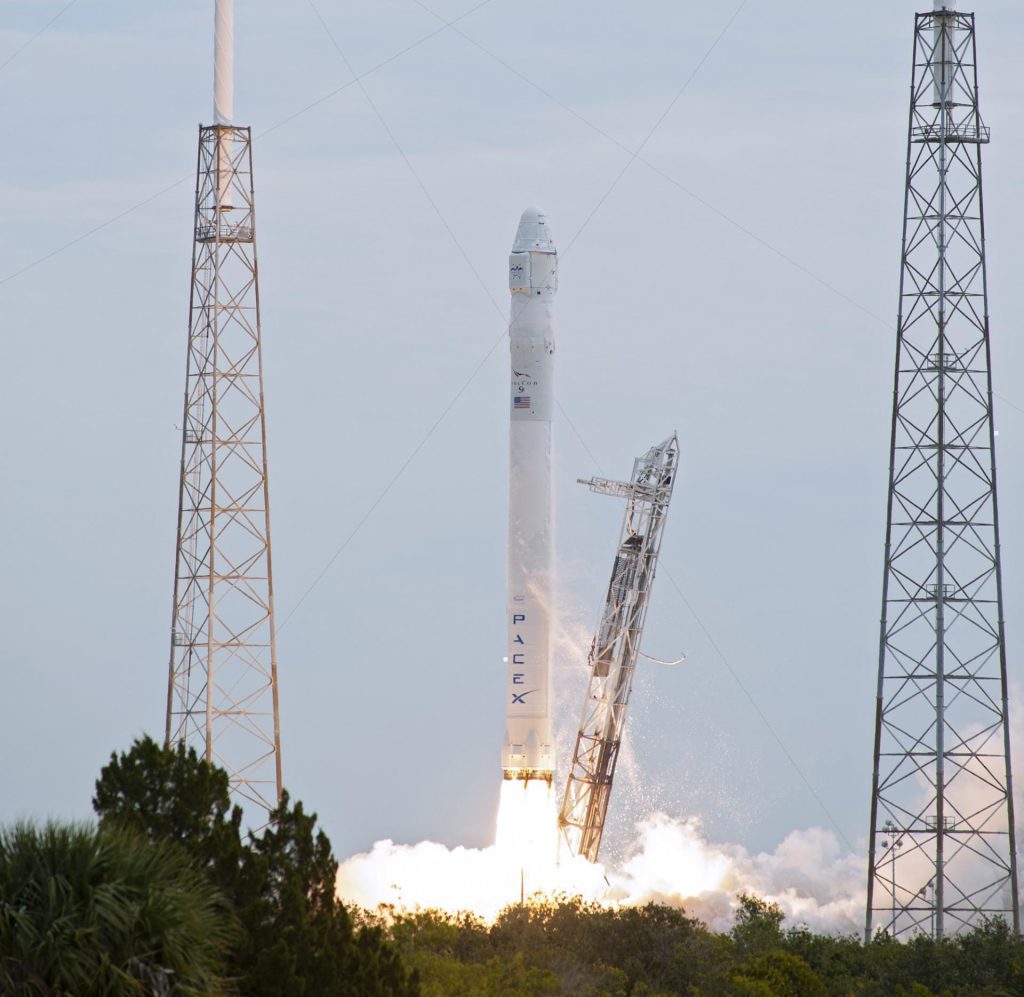
Falcon 9 v1.0 (SpaceX)
The Falcon 9 v1.0 first stage was used on the first five Falcon 9 launches, and powered by nine SpaceX Merlin 1C rocket engines arranged in a 3×3 pattern….
The Falcon 9 v1.0 first stage was used on the first five Falcon 9 launches, and powered by nine SpaceX Merlin 1C rocket engines arranged in a 3×3 pattern….
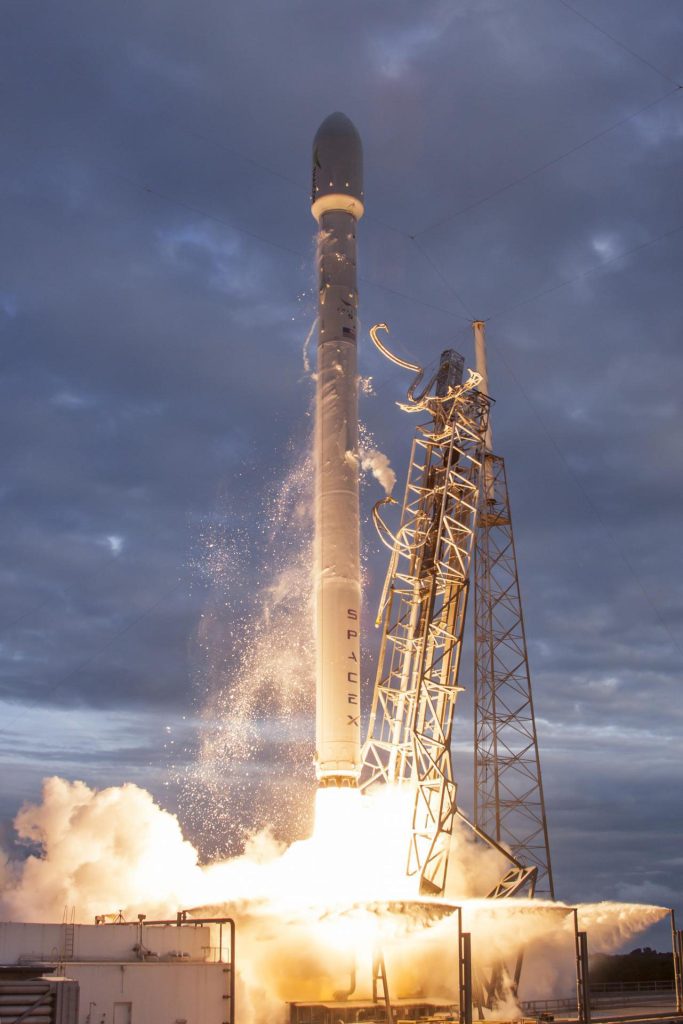
Falcon 9 v1.1 is a significantly redesigned version of the its predecessor, including a higher payload capacity. This version arranges the engines in a structural form SpaceX calls an Octaweb….
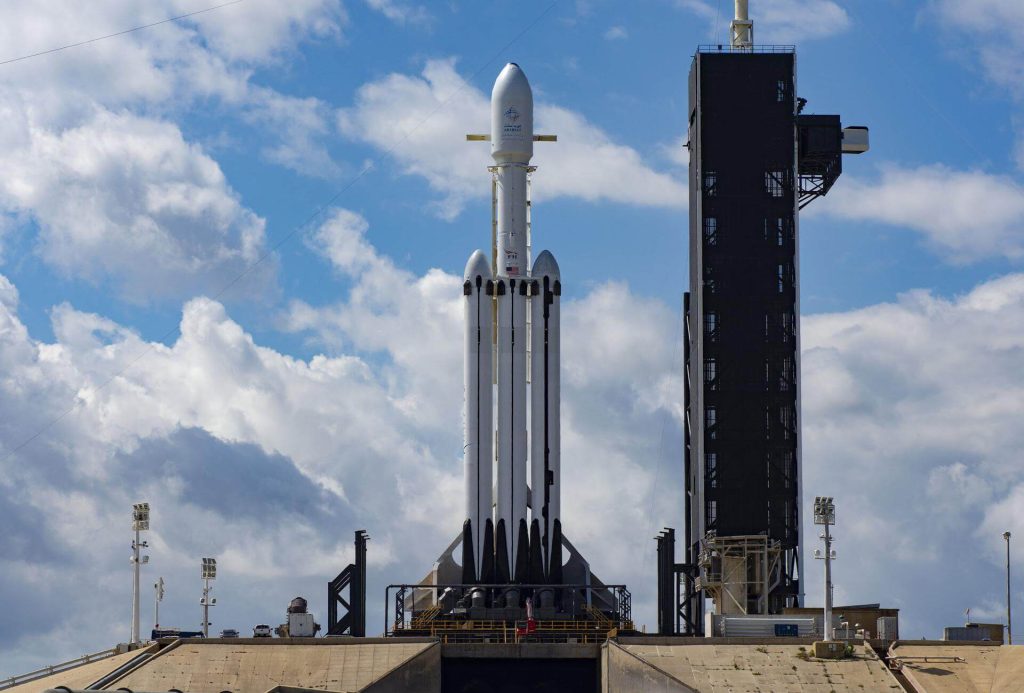
The Falcon Heavy is a variant of the Falcon 9 full thrust launch vehicle and consists of a standard Falcon 9 rocket core, with two additional boosters derived from the Falcon 9 first stage….
The Feng Bao 1 was a Chinese carrier rocket launched between 1972 and 1981. It was replaced by the nearly identical Long March 2, which had been developed at the same time for political reasons relate…
Firefly Alpha (Firefly α) is a two-stage orbital expendable launch vehicle developed by the American aerospace company Firefly Aerospace to cover the commercial small satellite launch market. Alpha is…
Firefly Alpha (Firefly α) is a two-stage orbital expendable launch vehicle developed by the American aerospace company Firefly Aerospace to cover the commercial small satellite launch market. Alpha is…
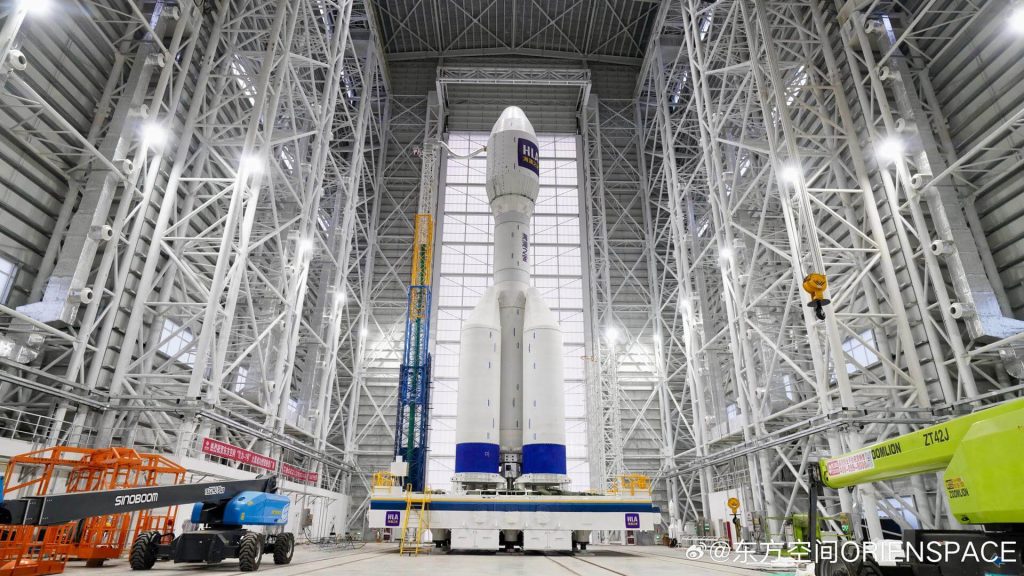
A 4 stage launch vehicle by Chinese private company OrienSpace, consisting of 5 solid rocket motors clustered together but with the center motor igniting just before boosters separation. The upper two…
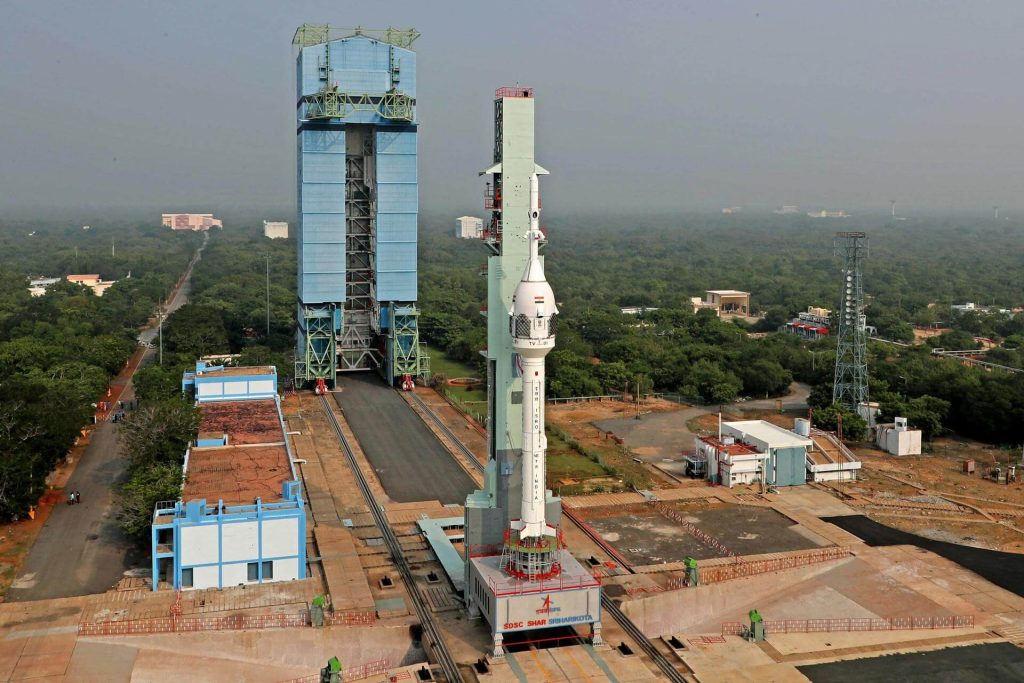
GSLVGeosynchronous Satellite Launch Vehicle abbreviated as GSLV, is an expendable launch system operated by the Indian Space Research Organisation (ISRO)….
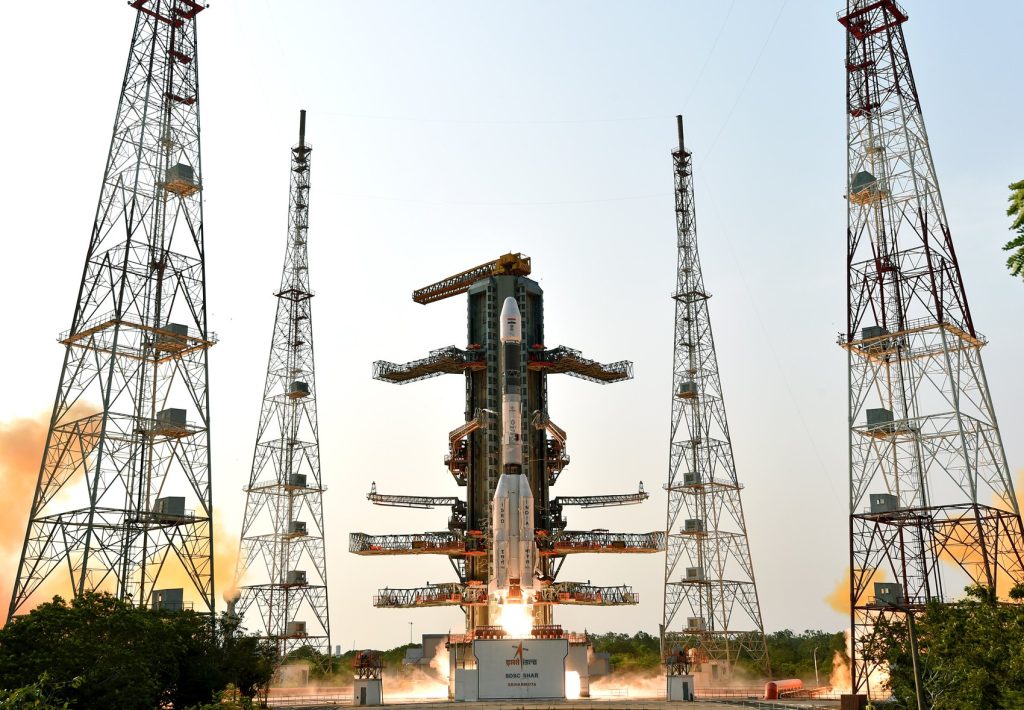
Geosynchronous Satellite Launch Vehicle Mark II (GSLV Mk II) is the largest launch vehicle developed by India, which is currently in operation. This fourth generation launch vehicle is a three stage v…
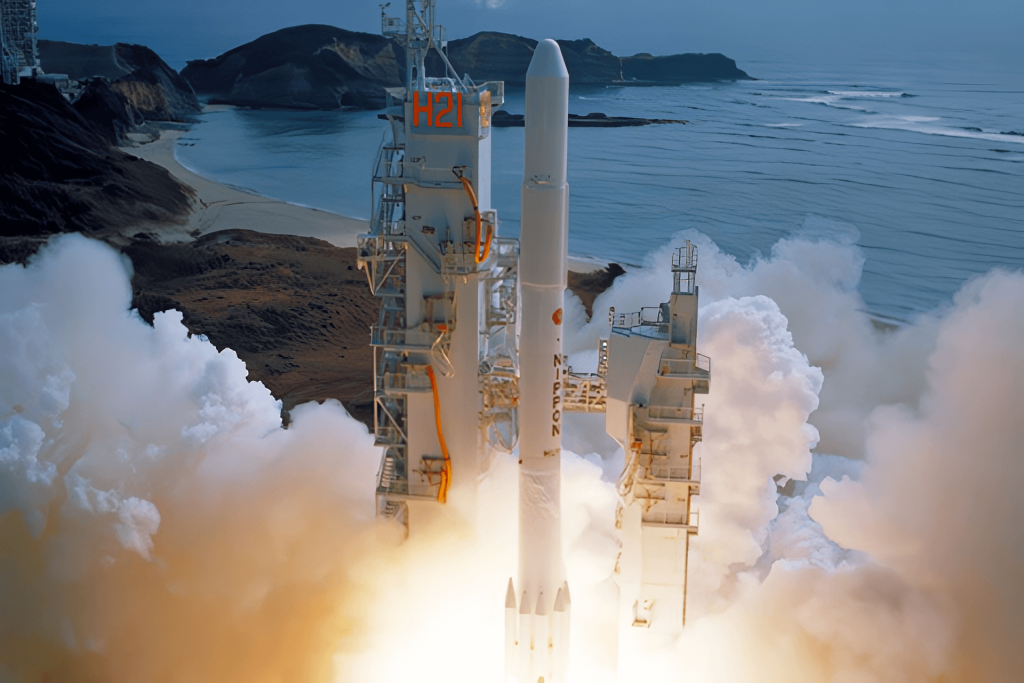
The H-1 was a Japanese liquid-fuelled carrier rocket, consisting of a license-produced American First Stage and set of booster rockets and all-Japanese upper stages. It replaced the N-II and was subse…
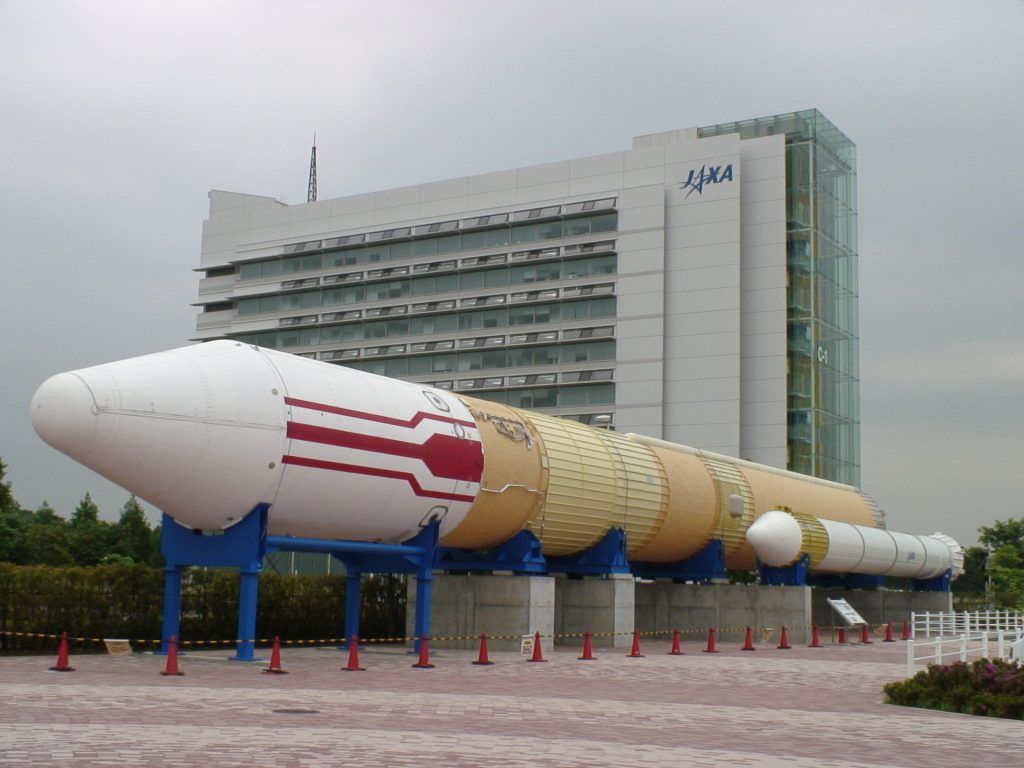
The H-II rocket was a Japanese satellite launch system which flew seven times between 1994 and 1999 with 5 successes. It was developed by NASDA in order to give Japan a capability to launch larger sat…
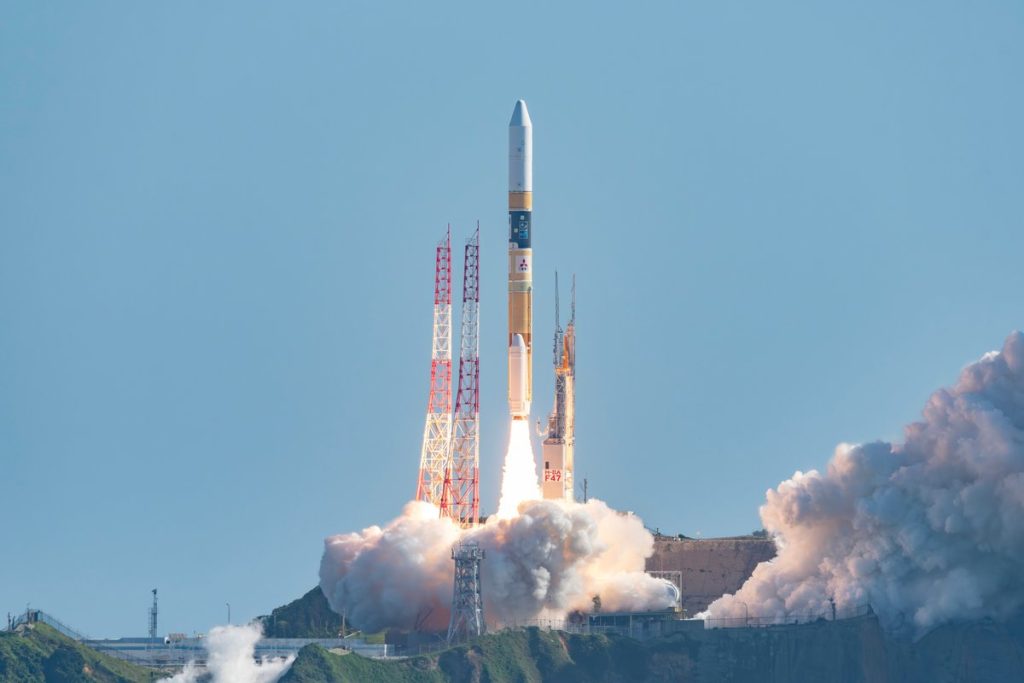
H-IIA (H2A) is an active expendable launch system operated by Mitsubishi Heavy Industries (MHI) for the Japan Aerospace Exploration Agency. The liquid-fueled H-IIA rockets have been used to launch sat…
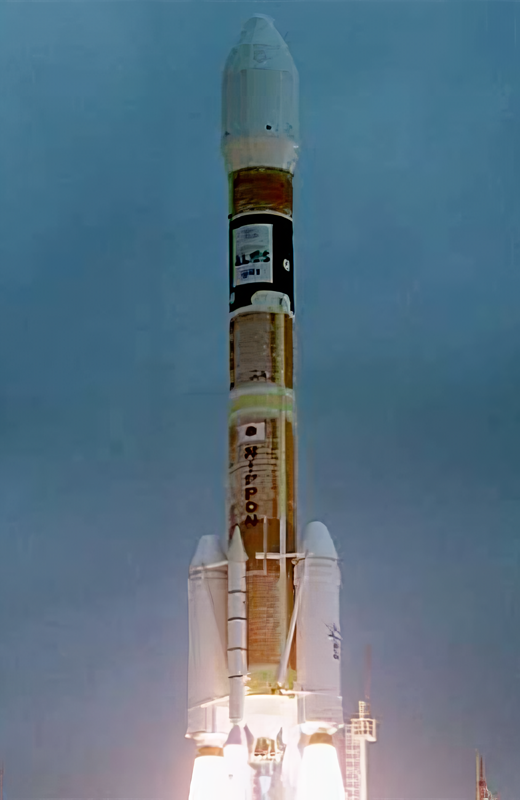
The H-IIA rocket family is an expendable launch system operated by Mitsubishi Heavy Industries for the Japan Aerospace Exploration Agency. The liquid fuelled rocket has been used to launch satellites,…