
NASA Artemis III SLS Block 1
Trajectory
Trajectory profiles are typically finalized by the range a week prior to launch. Check back here for the trajectory and launch visibility map as the launch window approaches.
Learn more about rocket launch trajectories (opens in a new tab)
Meet the Astronaut Crew
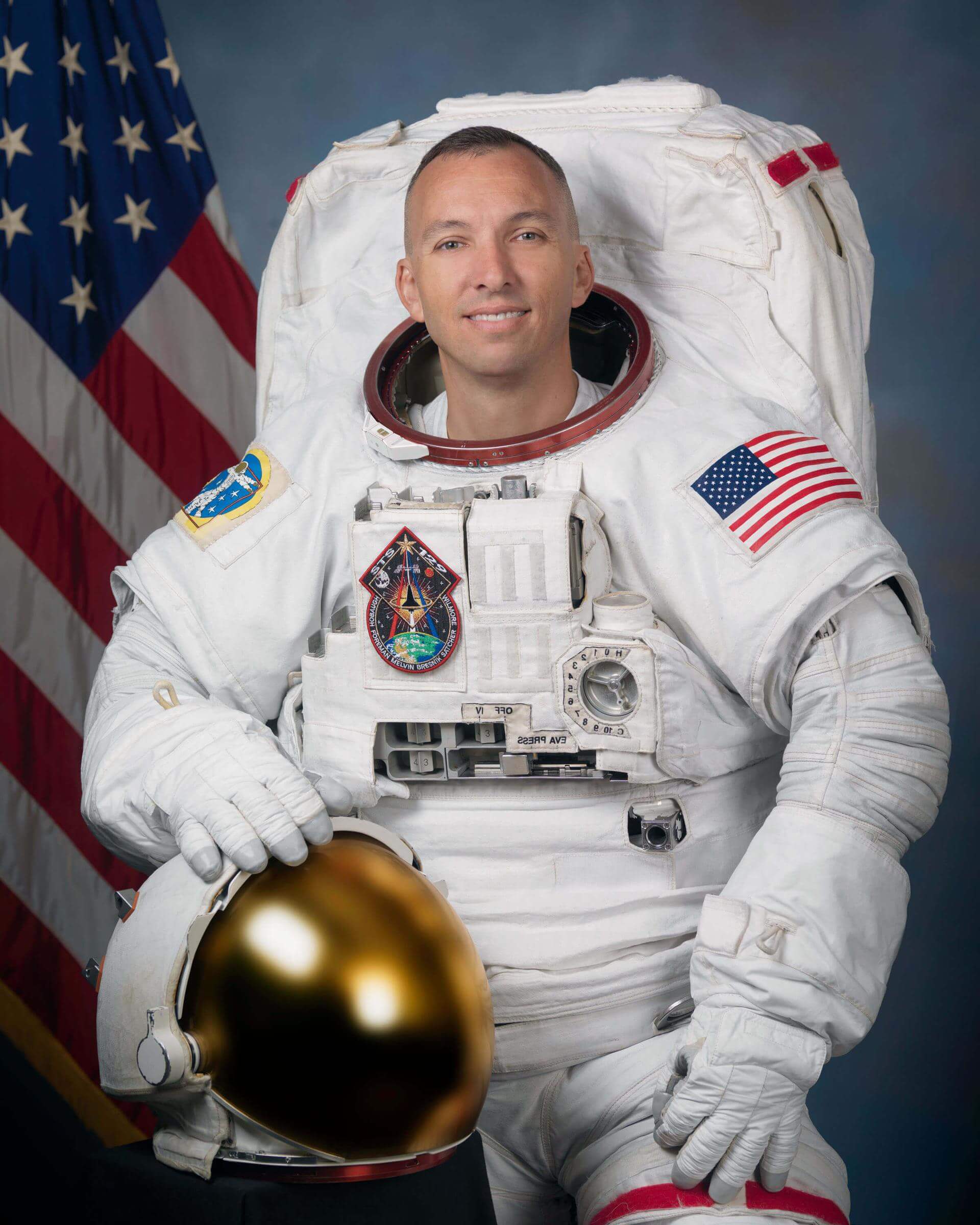
Randolph Bresnik
| Birthday | 09/11/1967 |
|---|---|
| Role | Commander |
| Nationality | United States of America |
| First Flight | 11/16/2009 |
| Last Flight | 07/28/2017 |
Randolph James "Komrade" Bresnik is an officer in the United States Marine Corps and a NASA astronaut. A Marine Aviator by trade, Bresnik was selected...
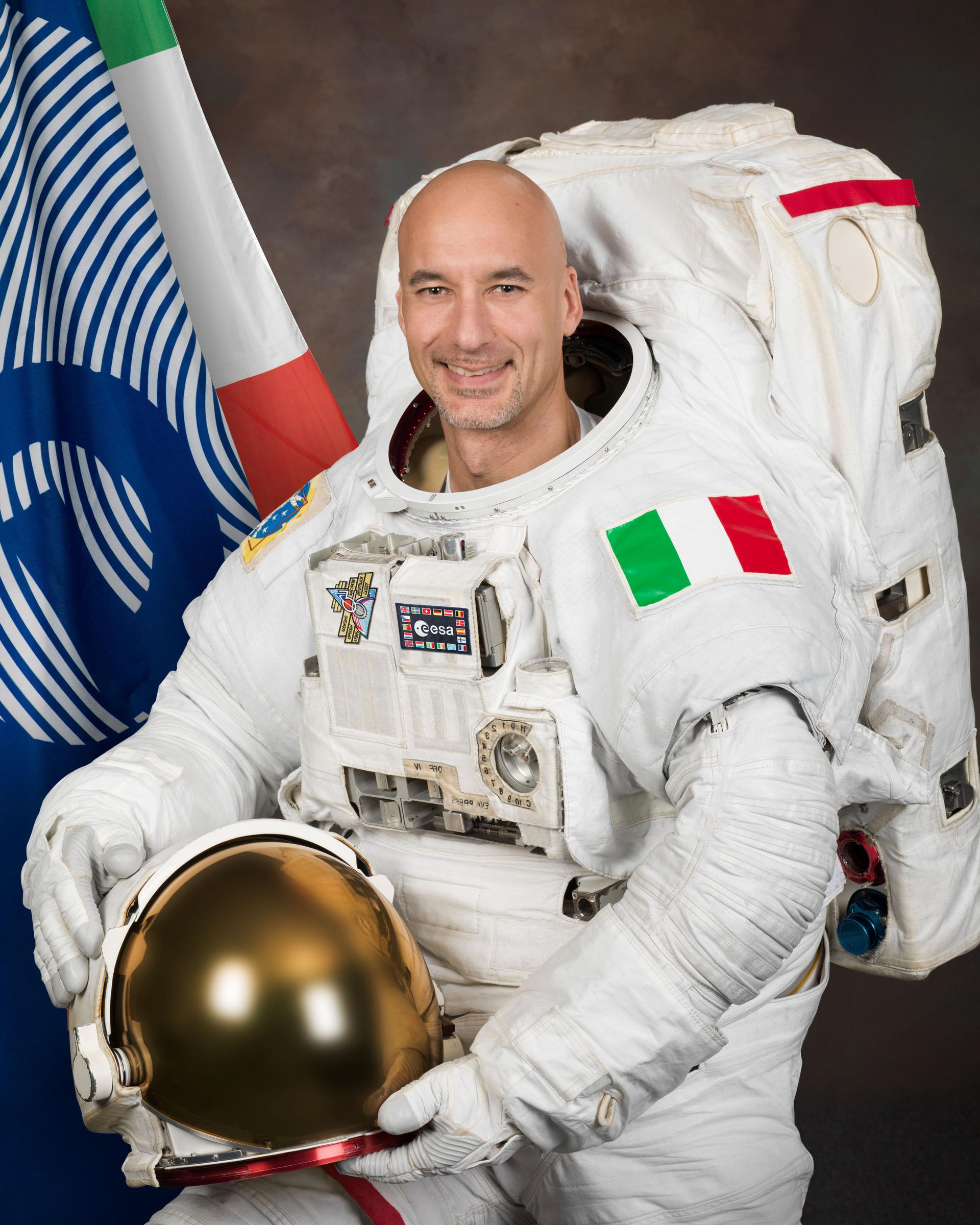
Luca Parmitano
| Birthday | 09/27/1976 |
|---|---|
| Role | Pilot |
| Nationality | Italy |
| First Flight | 05/28/2013 |
| Last Flight | 07/20/2019 |
Luca Parmitano (born 27 September 1976 in Paternò, Sicily) is an Italian engineer and astronaut in the European Astronaut Corps for the European Space Agency...
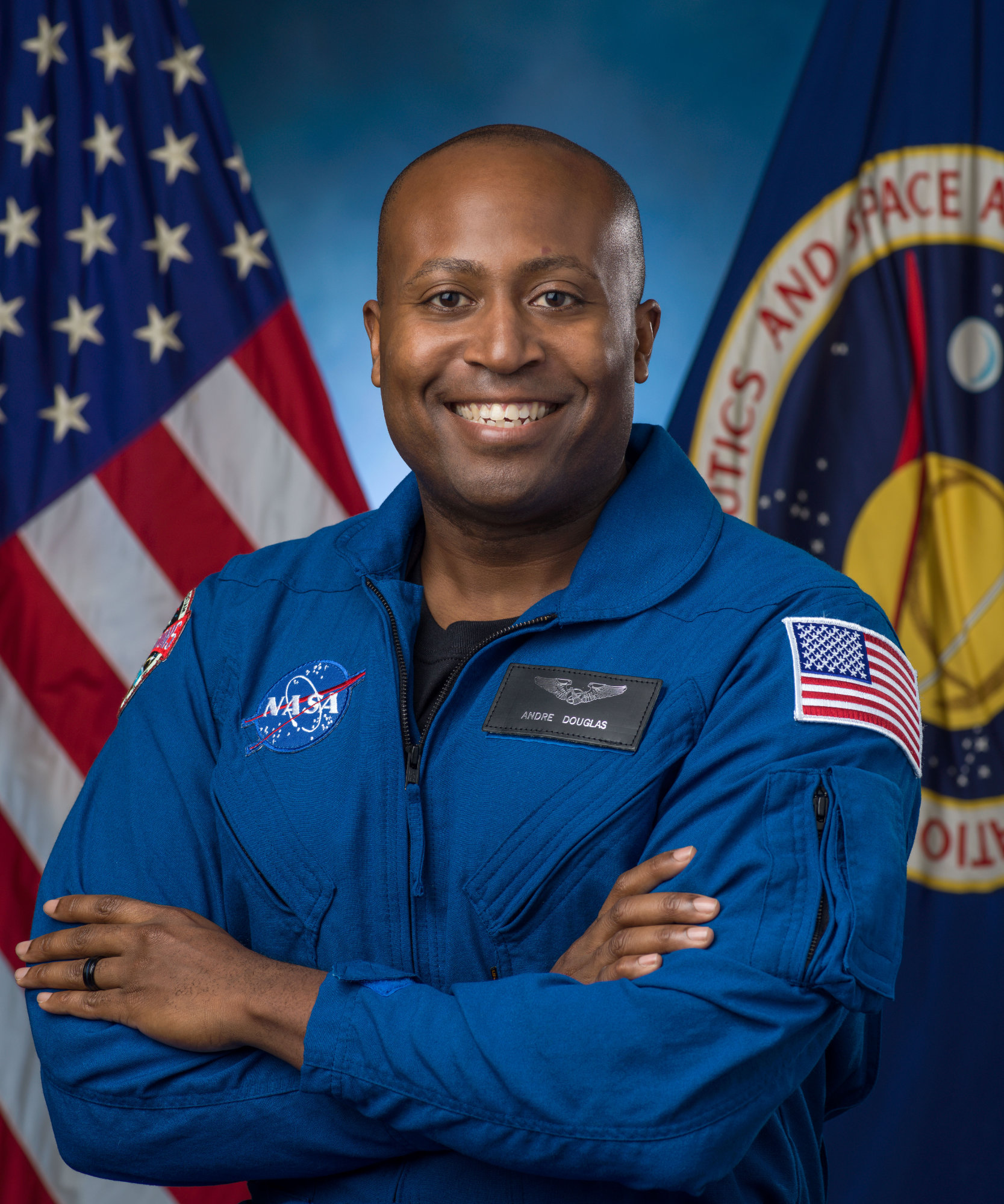
Andre Douglas
| Role | Mission Specialist |
|---|---|
| Nationality | United States of America |
Andre Douglas is a Virginia native. He earned a bachelor’s degree in mechanical engineering from the U.S. Coast Guard Academy, a master’s degree in mechanical...
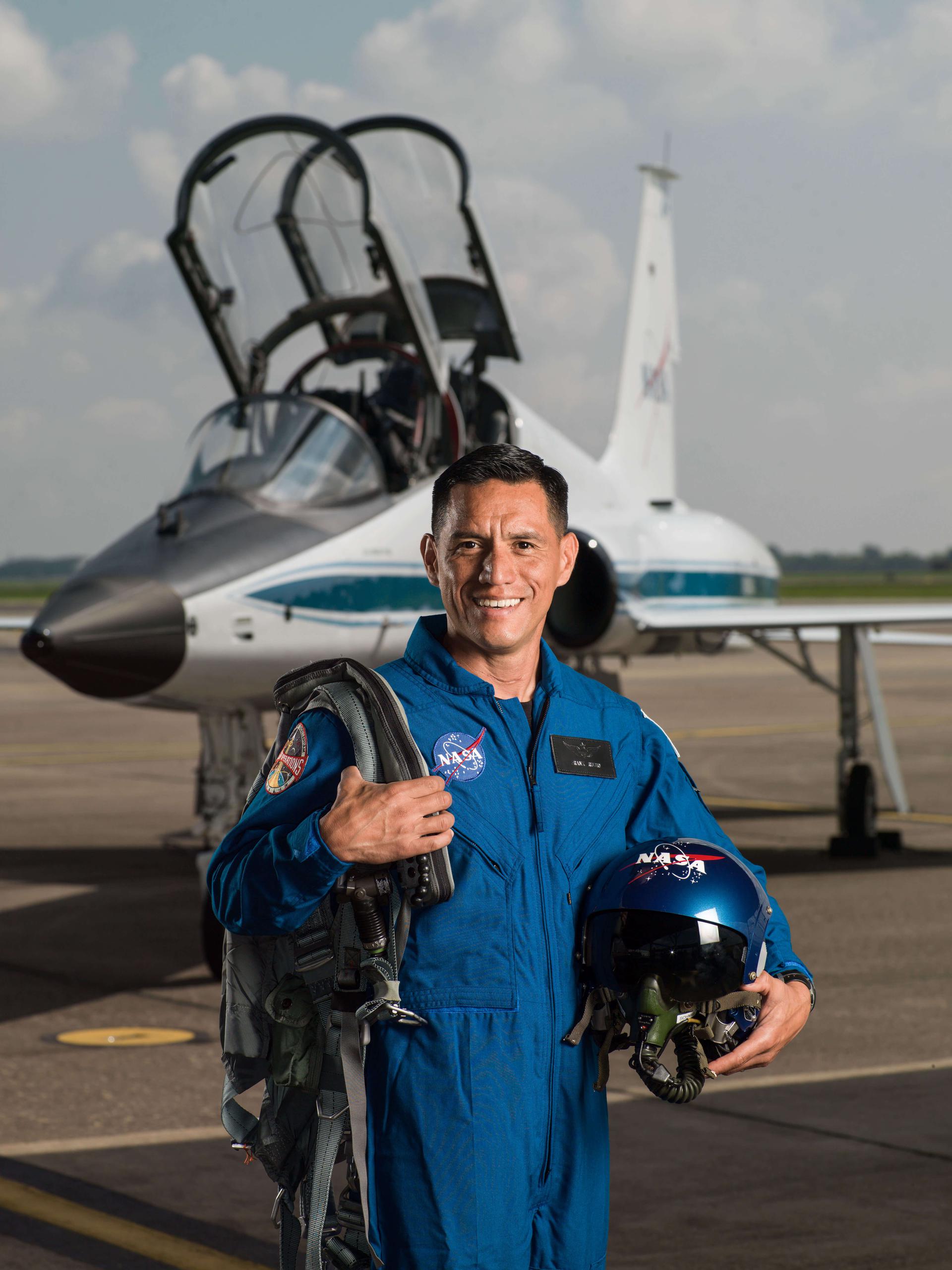
Francisco Rubio
| Birthday | 12/11/1976 |
|---|---|
| Role | Mission Specialist |
| Nationality | United States of America |
| First Flight | 09/21/2022 |
| Last Flight | 09/21/2022 |
Francisco Carlos Rubio is a US Army helicopter pilot, flight surgeon, and NASA astronaut of the class of 2017.
About the Artemis III Mission
| Type | Human Exploration |
|---|---|
| Orbit | Low Earth Orbit |
| Launch Cost | $2,000,000,000 |
Artemis III is the second crew mission as part of the Artemis program. Artemis III will send a crew of 4 on a Low Earth Orbit mission, with the Orion rendezvous and dock with one or both commercial lunar landers in development by SpaceX and Blue Origin, performing in-space tests of the docked vehicles, integrated checkout of life support, communications, and propulsion systems, as well as tests of the new Extravehicular Activity (xEVA) suits.
This launch is part of NASA's Artemis program, humanity's ambitious return to the Moon and preparation for future Mars missions. The Artemis program aims to land the first woman and first person of color on the lunar surface, establish a sustainable presence on the Moon, and develop technologies for deep space exploration.
Learn about NASA's Artemis lunar exploration program (opens in a new tab)
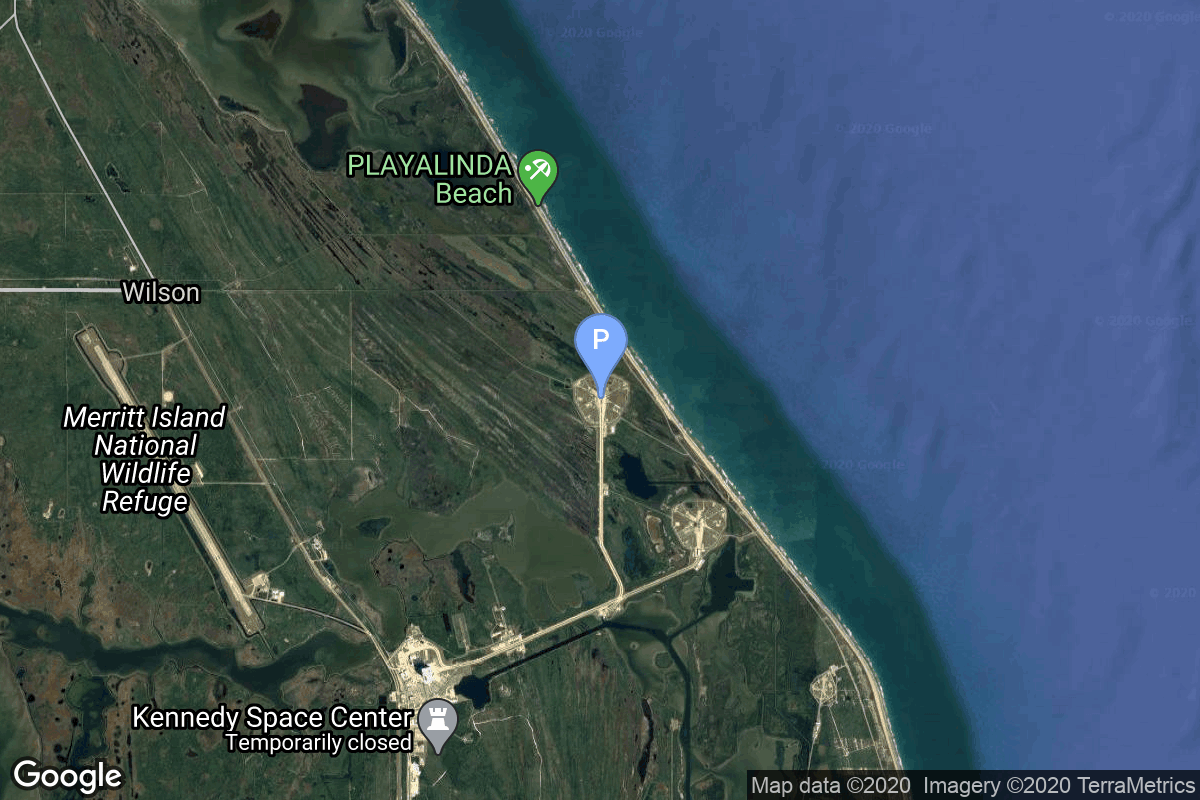
Launch Pad & Location
Launch Complex 39B
Kennedy Space Center, FL, USA
| Launches | 59 |
|---|---|
| Orbital Launch Attempts | 58 |
| Total Launches | 283 |
The John F. Kennedy Space Center, located on Merritt Island, Florida, is one of NASA's ten field centers. Since 1968, KSC has been NASA's primary launch center of American spaceflight, research, and technology. Launch operations for the Apollo, Skylab and Space Shuttle programs were carried out from Kennedy Space Center Launch Complex 39 and managed by KSC. Located on the east coast of Florida, KSC is adjacent to Cape Canaveral Space Force Station (CCSFS).
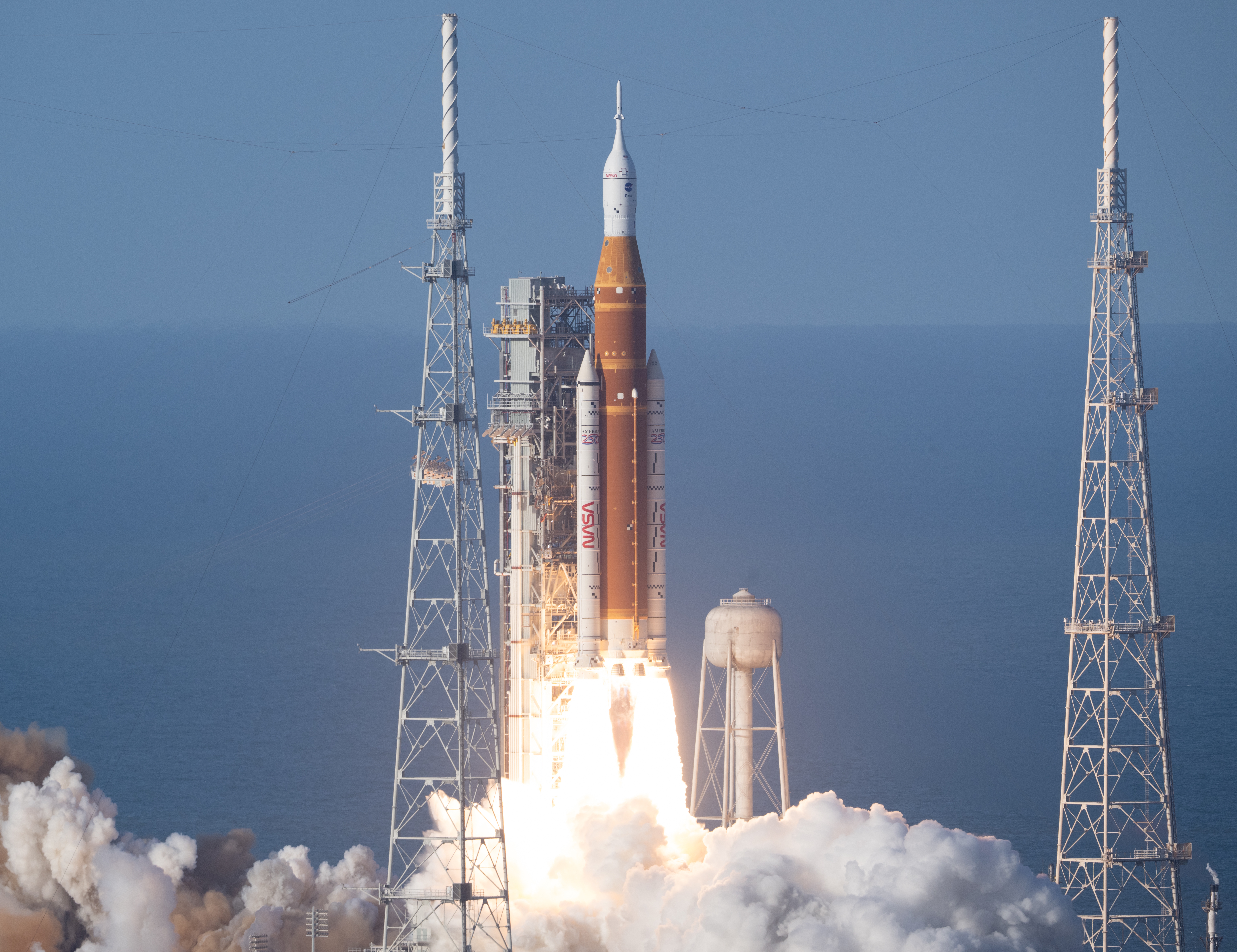
NASA Space Launch System Block 1 Rocket
The Space Launch System (SLS) is an American Space Shuttle-derived heavy expendable launch vehicle. It is part of NASA's deep space exploration plans including as the main launch vehicle of the Artemis program. SLS follows the cancellation of the Constellation program, and is to replace the retired Space Shuttle.
| Length | 98.0 m |
|---|---|
| Diameter | 8.4 m |
| Stages | 2 |
| Launch Mass | 2,628.0 T |
| Takeoff Thrust | 39,000.0 kN |
| LEO Capacity | 95,000 kg |
| Launch Cost | $2,000,000,000 |
| Maiden Flight | 11/16/2022 |
Learn more about the NASA Space Launch System Block 1 Rocket
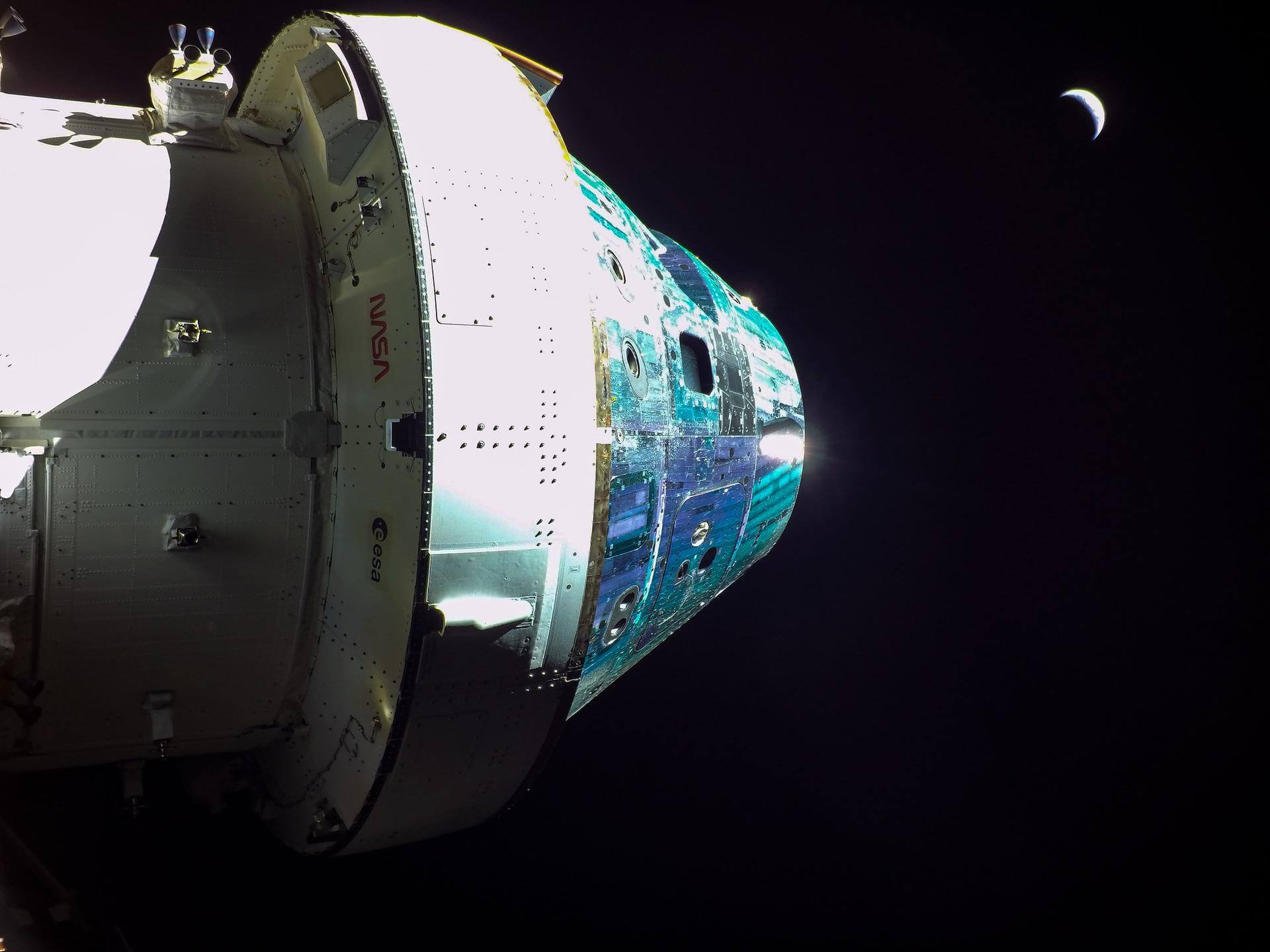
Mission Spacecraft
Orion 004
Orion 004 (004) is the spacecraft assigned to this mission. It is a NASA Capsule designed for Lunar Missions. and will travel to Low Earth Orbit.
Orion spacecraft used for Artemis 3. The Orion MPCV takes basic design elements from the Apollo Command Module that took astronauts to the moon, but its technology and capability are more advanced. It is designed to support long-duration deep space missions, with up to 21 days active crew time plus 6 months quiescent. During the quiescent period crew life support would be provided by another module such as a Deep Space Habitat. The spacecraft's life support, propulsion, thermal protection and avionics systems are designed to be upgradeable as new technologies become available. nn The MPCV spacecraft includes both crew and service modules, and a spacecraft adaptor. The MPCV's crew module is larger than Apollo's and can support more crew members for short or long-duration missions. The service module fuels and propels the spacecraft as well as storing oxygen and water for astronauts. The service module's structure is also being designed to provide locations to mount scientific experiments and cargo. 21.1 days
| Type | Capsule |
|---|---|
| Agency | NASA |
| Serial Number | 004 |
| Status | Under construction |
| Destination | Low Earth Orbit |
| Maiden Flight | 11/16/2022 |
| Crew Capacity | 4 |
| Human Rated | Yes |
| Height | 3.3 m |
| Diameter | 5.0 m |
| Payload Capacity | 100 kg |
About NASA
The National Aeronautics and Space Administration is an independent agency of the executive branch of the United States federal government responsible for the civilian space program, as well as aeronautics and aerospace research. NASA have many launch facilities but most are inactive. The most commonly used pad will be LC-39B at Kennedy Space Center in Florida.
| Total Launches | 142 |
|---|---|
| Successful | 122 |
| Failed | 20 |
| Pending | 5 |
| Consecutive Success | 12 |
Frequently Asked Questions
When is the NASA Space Launch System (SLS) Artemis III launch scheduled?
The NASA Space Launch System (SLS) Artemis III launch is currently scheduled for:
.
Launch times are subject to change based on weather conditions, technical readiness, and range availability. Check back regularly for the most up-to-date launch time and status updates.
Where is the NASA Space Launch System (SLS) Artemis III mission launching from?
The NASA Space Launch System (SLS) rocket will launch from Launch Complex 39B at Kennedy Space Center, FL, USA. The John F. Kennedy Space Center, located on Merritt Island, Florida, is one of NASA's ten field centers. Since 1968, KSC has been NASA's primary launch center of American spaceflight, research, and technology. Launch operations for the Apollo, Skylab and Space Shuttle programs were carried out from Kennedy Space Center Launch Complex 39 and managed by KSC. Located on the east coast of Florida, KSC is adjacent to Cape Canaveral Space Force Station (CCSFS). For viewing location recommendations and tips, check the launch location details above.
What rocket is being used for the Artemis III mission?
The Artemis III mission will launch aboard a NASA Space Launch System (SLS) rocket. The Space Launch System (SLS) is an American Space Shuttle-derived heavy expendable launch vehicle. It is part of NASA's deep space exploration plans including as the main launch vehicle of the Artemis program. SLS follows the cancellation of the Constellation program, and is to replace the retired Space Shuttle. Detailed rocket specifications and performance data are available in the rocket details above.
What weather conditions could delay the NASA Space Launch System (SLS) Artemis III launch?
The NASA Space Launch System (SLS) Artemis III launch can be delayed by various weather conditions including lightning within 10 nautical miles, high winds (especially upper-level winds), thick cloud layers, precipitation, and poor visibility. Weather must be favorable at the launch site, downrange landing zones, and abort landing sites. Check the launch weather forecast above for current conditions and probability of favorable weather.
How can I get updates if the NASA Space Launch System (SLS) Artemis III launch is delayed?
This page is updated in real-time with the latest NASA Space Launch System (SLS) launch status, including any delays or scrubs for the Artemis III mission. You can also check our space launch schedule for the most current information. Enable push notifications through our mobile app to receive instant alerts about launch status changes, weather holds, or new launch times. We recommend following official NASA live streams for the most immediate range updates.
Last Updated
Last Updated:
-
NET June 2027.
-
NET mid-2027.
-
NET September 2026.
-
NET December 2025
-
NET 12 months after Artemis II