
National Aeronautics and Space Administration Artemis II SLS Block 1
Rocket Launch Video Streams
Weather Forecast During Launch
According to weather officials, there's a 90% chance of favorable weather conditions at the time of the launch. Officials are monitoring weather conditions with concerns related to Cumulus Cloud Rule, Ground Winds. The forecast calls for a temperature of 75°F, broken clouds, 75% cloud cover and a wind speed of 11mph.
Rocket Launch Trajectory & Flight Path
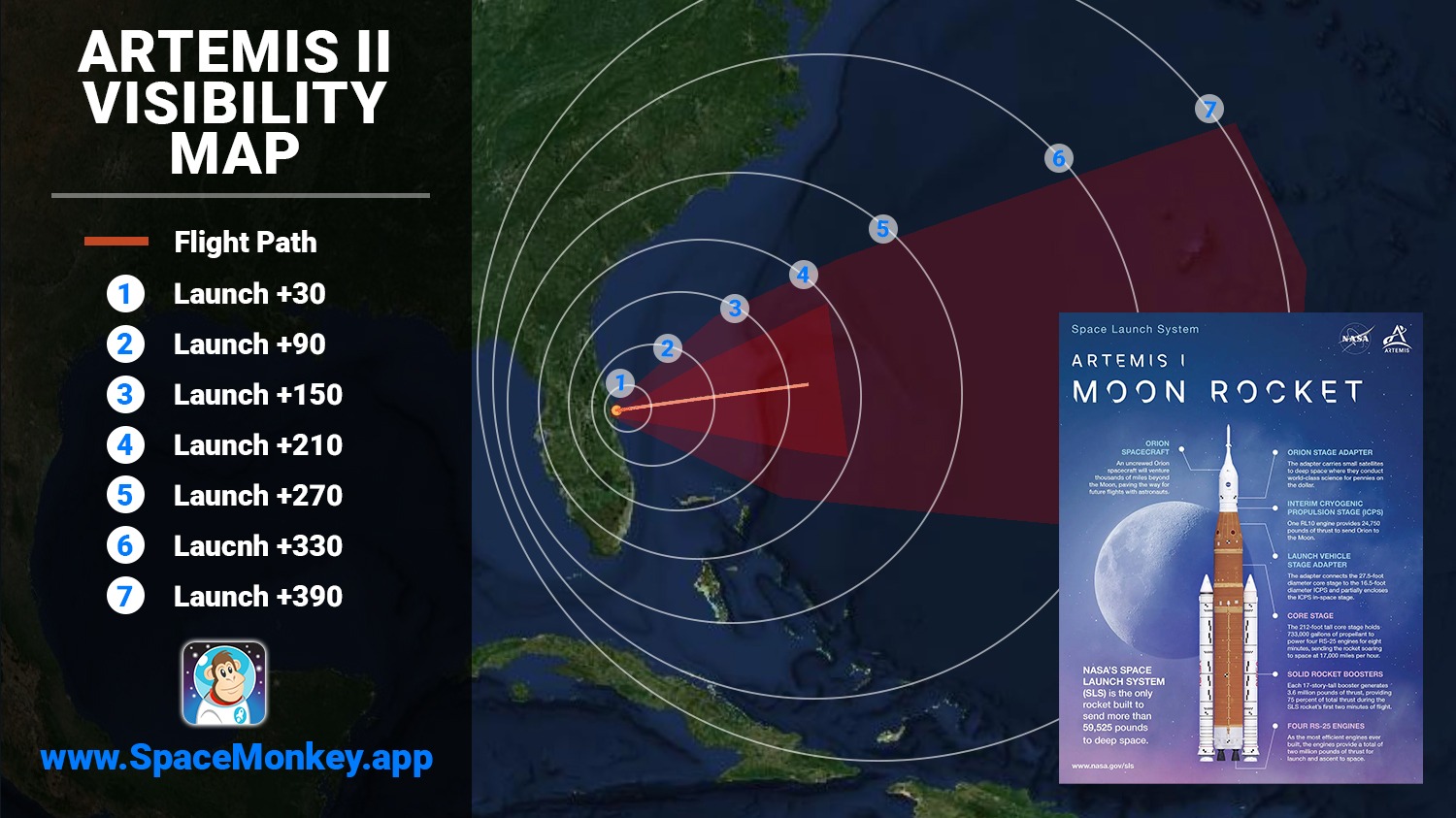
Track the complete rocket launch trajectory with real-time flight data from FlightClub.io . View detailed telemetry including rocket velocity, altitude progression, thrust levels, acceleration, orbital insertion parameters, and 3D flight path visualization throughout all mission phases from liftoff to orbit.
Meet the Astronaut Crew
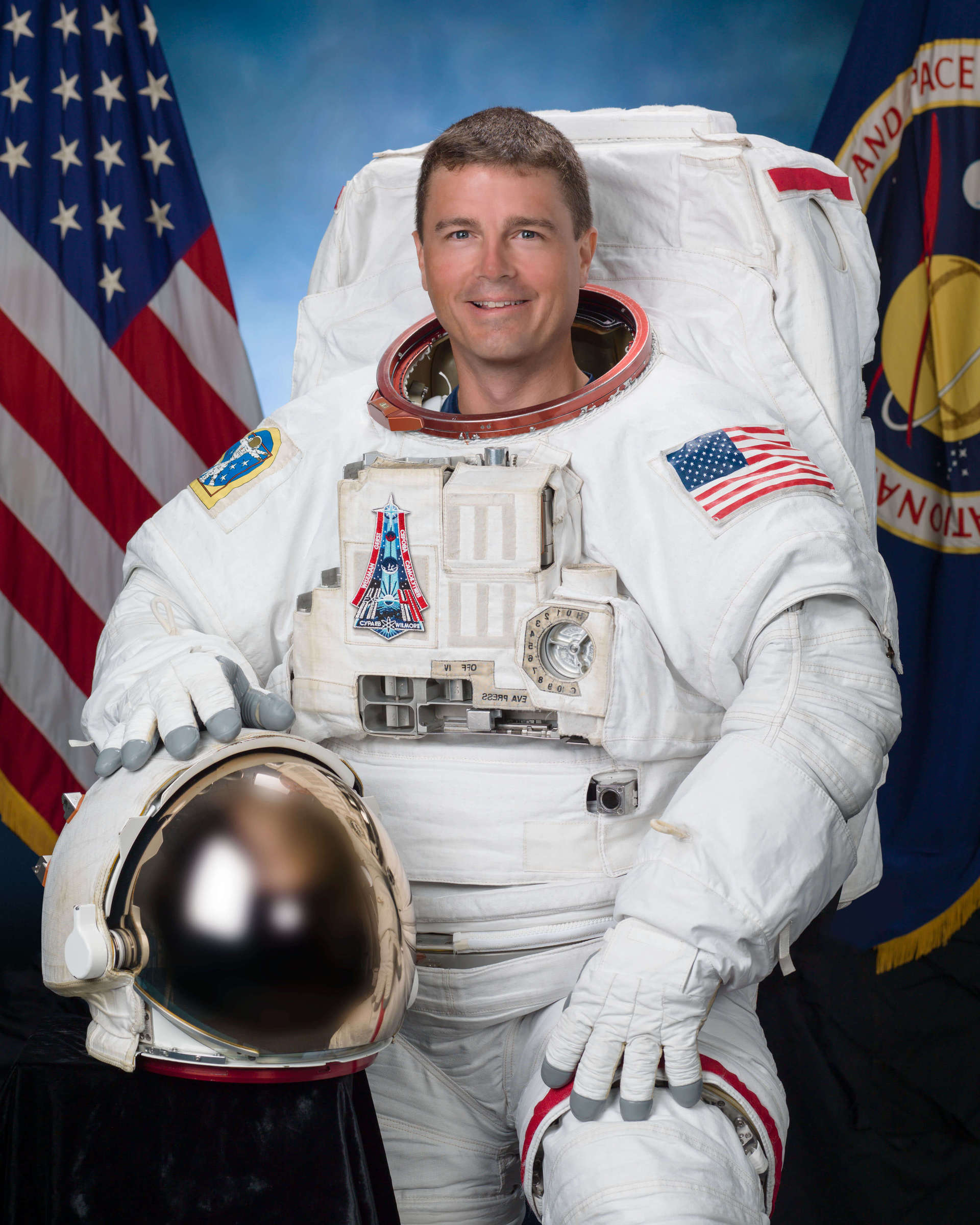
Gregory R. Wiseman
| Birthday | 11/11/1975 |
|---|---|
| Role | Spacecraft Commander |
| Nationality | United States of America |
| First Flight | 05/28/2014 |
| Last Flight | 04/01/2026 |
Gregory Reid Wiseman is an American astronaut, engineer, and naval aviator. Wiseman was selected in June 2009 as a member of ...
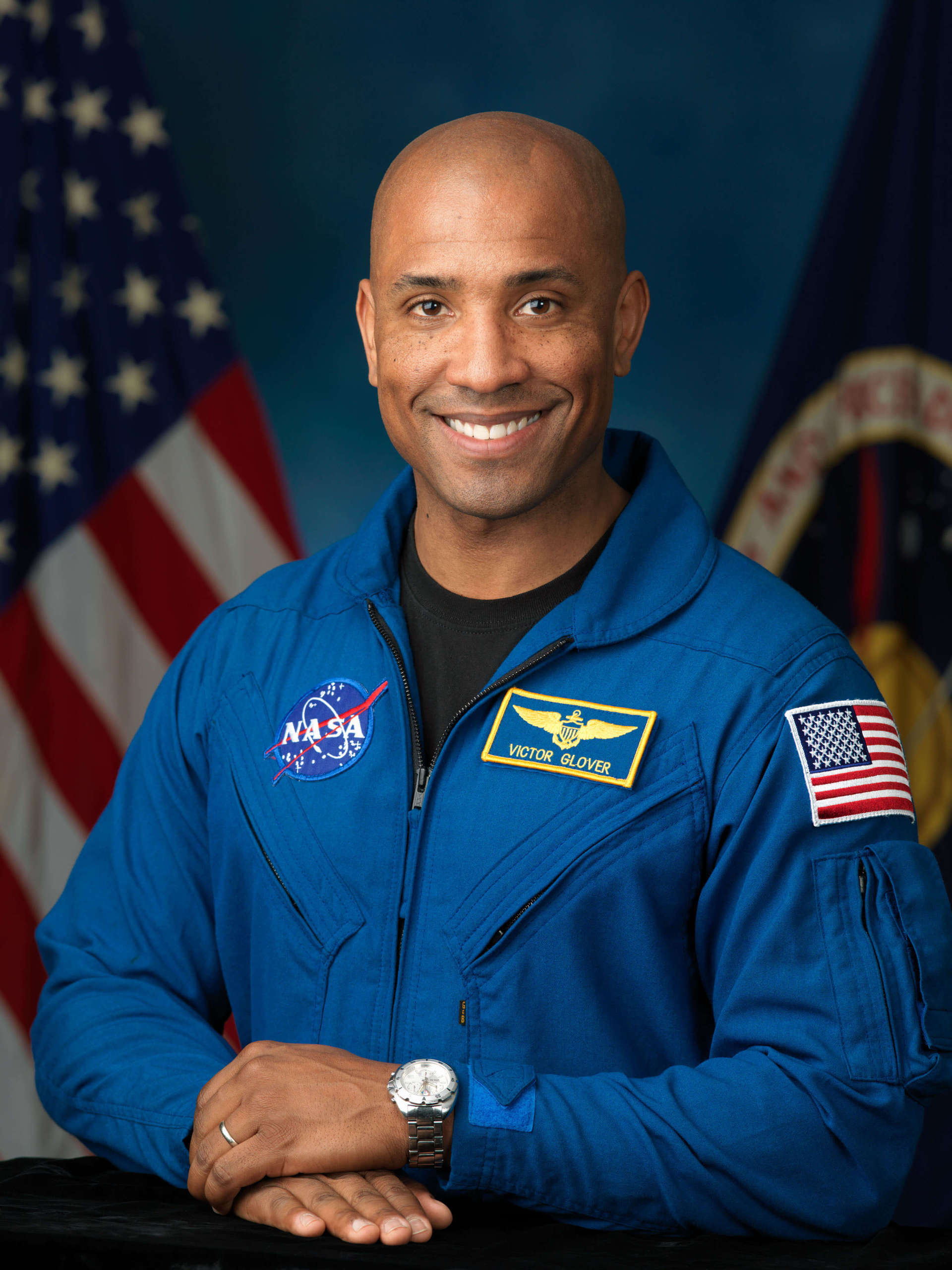
Victor J. Glover
| Birthday | 04/30/1976 |
|---|---|
| Role | Pilot |
| Nationality | United States of America |
| First Flight | 11/16/2020 |
| Last Flight | 04/01/2026 |
Victor Jerome Glover is a NASA astronaut of the class of 2013.
Glover is a Commander in the U.S. Navy who ha...
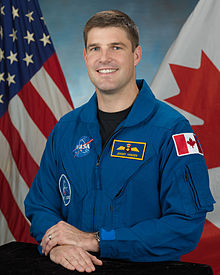
Jeremy Hansen
| Birthday | 01/27/1976 |
|---|---|
| Role | Mission Specialist |
| Nationality | Canada |
| First Flight | 04/01/2026 |
| Last Flight | 04/01/2026 |
Jeremy Roger Hansen is a Canadian astronaut with the Canadian Space Agency (CSA). He was selected to join the CSA in the 200...
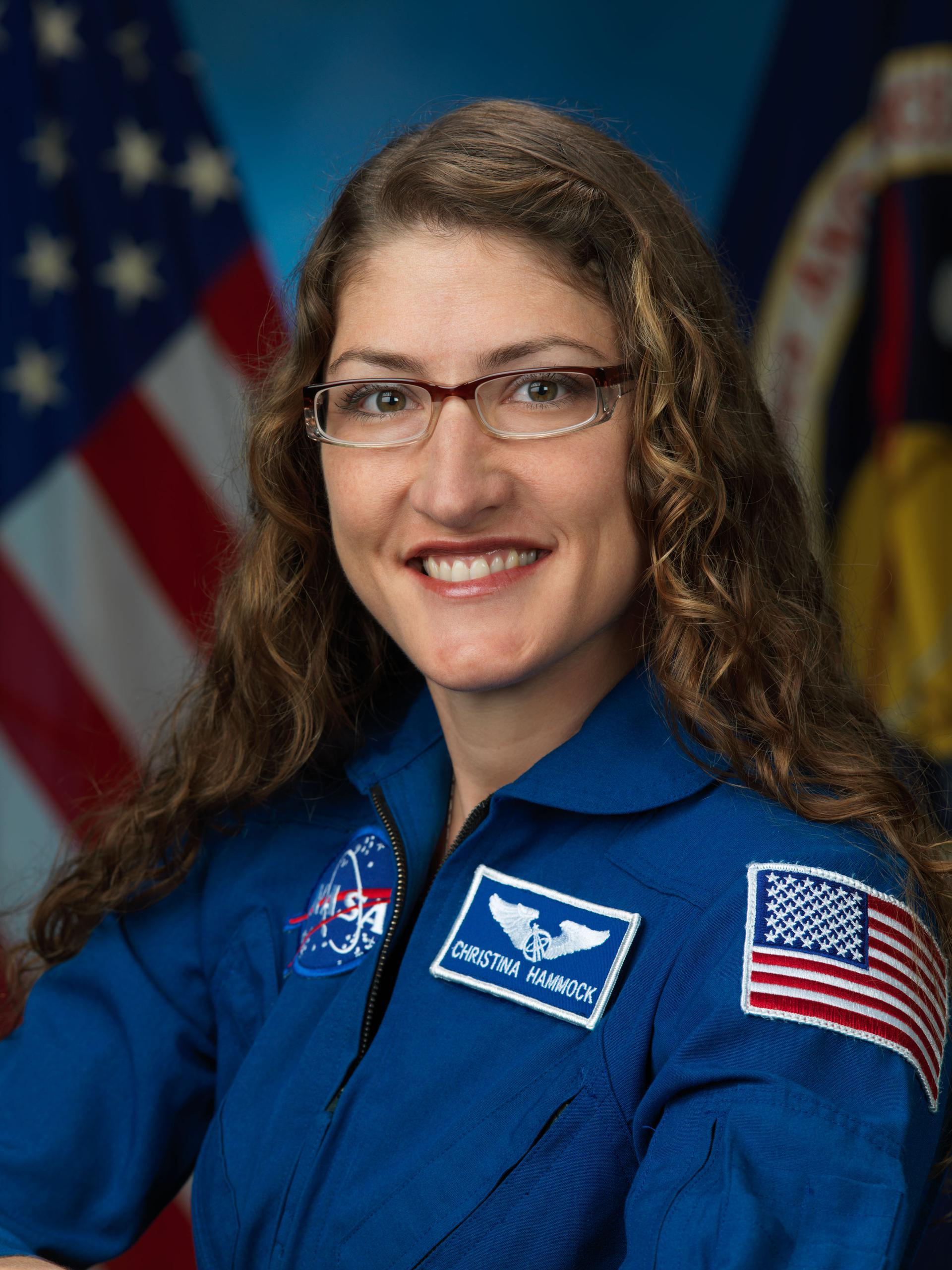
Christina Koch
| Birthday | 01/29/1979 |
|---|---|
| Role | Mission Specialist |
| Nationality | United States of America |
| First Flight | 03/14/2019 |
| Last Flight | 04/01/2026 |
Christina Hammock Koch (born January 29, 1979) is a NASA astronaut of the class of 2013.
Rocket Launch Timeline
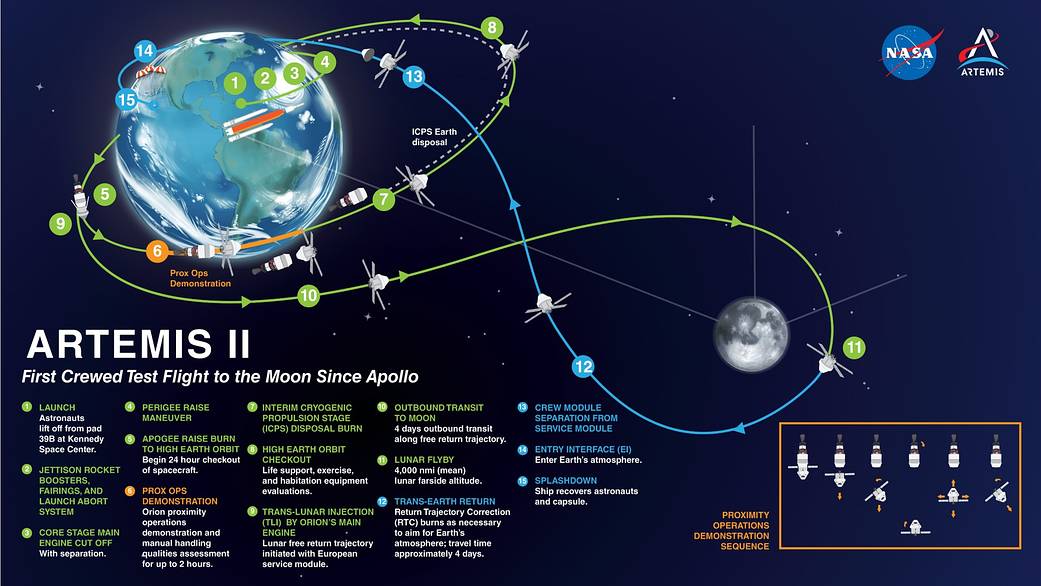
Track every phase of the rocket launch with our detailed mission timeline. From T-minus countdown events and pre-launch preparations through liftoff, stage separation, and orbital insertion, follow each critical milestone in real-time. Our comprehensive launch sequence timeline includes payload integration, propellant loading, engine ignition, and post-launch telemetry tracking.
| Time | Event |
|---|---|
| T- 00 : 00 : 00 | Launch Team On Stations Launch team arrives to stations |
| T- 00 : 00 : 00 | Prop Load Preparations Ground systems preparations for vehicle loading |
| T- 00 : 00 : 00 | Countdown Start Countdown clock begins |
| T- 00 : 00 : 00 | Orion Power On Orion spacecraft powered up |
| T- 00 : 00 : 00 | Core Stage Power On Core stage powered up |
| T- 00 : 00 : 00 | ICPS Power On Interim cryogenic propulsion stage (ICPS) powered up |
| T- 00 : 00 : 00 | RS-25 Preparations Final preparations of the four RS-25 engines |
| T- 00 : 00 : 00 | ICPS Power Off Interim cryogenic propulsion stage (ICPS) powered down |
| T- 00 : 00 : 00 | Orion Batteries Charging Charge Orion flight batteries to 100% |
| T- 00 : 00 : 00 | Core Stage Batteries Charging Charge core stage flight batteries |
| T- 20 : 15 : 00 | ICPS Power On Interim cryogenic propulsion stage (ICPS) powered up |
| T- 15 : 00 : 00 | Pad Closeout All non-essential personnel leave the launch pad |
| T- 14 : 15 : 00 | Rocket Cavity Inerting Air-to-gaseous nitrogen (GN2) changeover and rocket cavity inerting |
| T- 13 : 15 : 00 | GLS Activation Ground launch sequencer (GLS) activation |
| T- 12 : 35 : 00 | Built-In Hold Built in countdown hold |
| T- 10 : 50 : 00 | Orion Cold Soak Orion cold soak |
| T- 10 : 50 : 00 | GO for Prop Load Launch director verifies go for propellant load |
| T- 10 : 40 : 00 | Core Stage LH2 Chill Core stage LH2 chilldown |
| T- 10 : 40 : 00 | Core Stage LOX Transfer Chill Core stage LOX transfer line chilldown |
| T- 10 : 25 : 00 | Core Stage LOX Prop Chill Core stage LOX main propulsion system chilldown |
| T- 09 : 55 : 00 | Core Stage LH2 Slow Fill Core stage LH2 slow fill start |
| T- 09 : 50 : 00 | Resume T-Clock Resume T-Clock |
| T- 09 : 40 : 00 | Core Stage LOX Slow Fill Core stage LOX slow fill |
| T- 09 : 30 : 00 | Core Stage LOX Fast Fill Core stage LOX fast fill |
| T- 09 : 25 : 00 | Core Stage LH2 Fast Fill Core stage LH2 fast fill |
| T- 09 : 05 : 00 | ICPS LH2 Chill ICPS LH2 chilldown |
| T- 08 : 30 : 00 | ICPS LH2 Fast Fill ICPS LH2 fast fill start |
| T- 08 : 00 : 00 | Core Stage LH2 Topping Core stage LH2 topping |
| T- 07 : 55 : 00 | Core Stage LH2 Replenish Core stage LH2 replenish |
| T- 07 : 45 : 00 | ICPS LH2 Vent & Relief Test ICPS LH2 vent and relief test |
| T- 07 : 20 : 00 | ICPS LH2 Topping ICPS LH2 tank topping start |
| T- 07 : 05 : 00 | ICPS LH2 Replenish ICPS LH2 replenish |
| T- 06 : 40 : 00 | Orion Comms On Orion communications system activated (radio frequency to mission control) |
| T- 06 : 40 : 00 | Core Stage LOX Topping Core stage LOX topping |
| T- 06 : 40 : 00 | ICPS LOX Prop Chill ICPS LOX main propulsion system chilldown |
| T- 06 : 30 : 00 | ICPS LOX Fast Fill ICPS LOX fast fill |
| T- 06 : 10 : 00 | Stage Pad Rescue Stage pad rescue |
| T- 06 : 10 : 00 | Closeout Crew Assemble Closeout crew assemble |
| T- 06 : 05 : 00 | Core Stage LOX Replenish Core stage LOX replenish |
| T- 06 : 00 : 00 | Weather Check Check of the weather conditions for launch |
| T- 05 : 45 : 00 | ICPS LOX Vent & Relief Test ICPS LOX vent and relief test |
| T- 05 : 30 : 00 | ICPS LOX Topping ICPS LOX topping |
| T- 05 : 10 : 00 | ICPS LOX Replenish ICPS LOX replenish |
| T- 05 : 10 : 00 | Closeout Crew To White Room Closeout crew to white room |
| T- 05 : 10 : 00 | Built-In Hold Built in countdown hold |
| T- 05 : 10 : 00 | All Stages Replenish All stages replenish |
| T- 04 : 40 : 00 | Flight Crew To Pad Flight crew deployment to pad |
| T- 04 : 00 : 00 | Orion Boarding Flight crew board Orion |
| T- 03 : 40 : 00 | Hatch Closure Crew module hatch preps and closure |
| T- 03 : 10 : 00 | Hatch Seal Checks Counterbalance mechanism hatch sealpress decay checks |
| T- 02 : 20 : 00 | Hatch Closeouts Crew module hatch service panel install/closeouts |
| T- 01 : 40 : 00 | LAS Hatch Closure Launch abort system (LAS) hatch closure for flight |
| T- 01 : 10 : 00 | TPS Scan Launch director brief u2013 rocket & thermal protection system scan results with the imagery console |
| T- 00 : 50 : 00 | Pad Clear Closeout crew departs the pad |
| T- 00 : 50 : 00 | Test Director Briefing Final test director briefing is held |
| T- 00 : 40 : 00 | Built-In Hold Built in countdown hold |
| T- 00 : 25 : 00 | Orion Comms Transition Transition team to Orion to Earth communication loop following final NTD briefing |
| T- 00 : 17 : 00 | Ready Poll Polling ready ahead of terminal count |
| T- 00 : 15 : 00 | Visors Down Flight crew visors down |
| T- 00 : 14 : 00 | Short Purge Flight crew short purge verification |
| T- 00 : 10 : 00 | Terminal Count Start of the terminal countdown towards launch |
| T- 00 : 08 : 00 | Crew Access Arm Retract Retraction of the crew access arm from the rocket |
| T- 00 : 06 : 00 | Orion Internal Power Orion set to internal power |
| T- 00 : 06 : 00 | Tank Press Fuel tanks are pressurized to flight levels |
| T- 00 : 06 : 00 | Orion Pyros Arm Orion ascent pyros are armed |
| T- 00 : 05 : 57 | Core Stage LH2 Replenish End Core stage LH2 terminate replenish |
| T- 00 : 05 : 20 | LAS Available LAS capability is available |
| T- 00 : 04 : 40 | LH2 High Flow Bleed Check GLS go for LH2 high flow bleed check |
| T- 00 : 04 : 30 | FTS Arm Flight termination system armed |
| T- 00 : 04 : 00 | Core Stage APU Start Core stage auxiliary power unit (APU) start |
| T- 00 : 04 : 00 | Core Stage LOX Replenish End Core stage LOX terminate replenish |
| T- 00 : 03 : 30 | ICPS LOX Replenish End ICPS LOX terminate replenish |
| T- 00 : 03 : 10 | Purge Sequence 4 GLS go for purge sequence 4 |
| T- 00 : 02 : 02 | ICPS Internal Power ICPS switches to internal battery power |
| T- 00 : 02 : 00 | Booster Internal Power Booster switches to internal batter power |
| T- 00 : 01 : 30 | Core Stage Internal Power Core stage switches to internal power |
| T- 00 : 01 : 20 | ICPS Terminal Count ICPS enters terminal countdown mode |
| T- 00 : 00 : 50 | ICPS LH2 Replenish End ICPS LH2 terminate replenish |
| T- 00 : 00 : 33 | GO for Launch Launch director verifies go for launch |
| T- 00 : 00 : 30 | Core Stage Terminal Count Core stage flight computer to automated launching sequencer |
| T- 00 : 00 : 12 | Hydrogen Burnoff Igniters Hydrogen burn off igniters initiated |
| T- 00 : 00 : 10 | Core Stage Engine Start Core stage engine start |
| T- 00 : 00 : 00 | Ignition Start of the engine ignition sequence |
| T+ 00 : 00 : 00 | Liftoff First upwards movement of the rocket |
| T+ 00 : 00 : 00 | Booster Ignition Ignition of the solid rocket boosters. |
| T+ 00 : 00 : 09 | Tower Clear The launch vehicle clears the launch tower and initiates a roll/pitch maneuver |
| T+ 00 : 00 : 56 | Supersonic Vehicle is supersonic |
| T+ 00 : 01 : 10 | Max-Q Maximum dynamic pressure |
| T+ 00 : 02 : 08 | SRB Separation The solid rocket boosters are separated from the launcher. |
| T+ 00 : 03 : 18 | Launch Escape Jettison The launch escape system is no longer needed and is jettisoned. |
| T+ 00 : 08 : 06 | MECO Cut-off of the main engine |
| T+ 00 : 08 : 18 | Stage 2 Separation Separation of the second stage from the first |
| T+ 00 : 08 : 28 | ICPS RL10 Nozzle Extension ICPS RL10 nozzle extension |
| T+ 00 : 20 : 00 | Orion Solar Arrays Deployment Orion solar arrays deploy |
| T+ 00 : 49 : 00 | Perigee Raise Burn Perigee raise burn |
| T+ 01 : 47 : 57 | Apogee Raise Burn Apogee raise burn |
| T+ 03 : 24 : 15 | Orion Separation Orion separates from ICPS |
| T+ 04 : 35 : 00 | Proximity Operations End Proximity operations conclude |
| T+ 04 : 52 : 00 | Orion Separation Burn Orion upper stage separation burn |
| T+ 05 : 00 : 00 | ICPS Disposal Burn Disposal burn of ICPS into the Pacific Ocean |
| T+ 05 : 04 : 00 | CubeSats Deployment CubeSats deploy |
| T+ 13 : 44 : 00 | Perigee Raise Burn Perigee raise burn |
| T+ 00 : 00 : 00 | Translunar Injection Burn Translunar injection burn |
| T+ 00 : 00 : 00 | Orbital Trajectory Correction Burn Orbital trajectory correction burn |
| T+ 00 : 00 : 00 | Orbital Trajectory Correction Burn Orbital trajectory correction burn |
| T+ 00 : 00 : 00 | Crew CPR Demo Crew CPR demonstration |
| T+ 00 : 00 : 00 | DSN Comms Test Communications test through Deep Space Network |
| T+ 00 : 00 : 00 | Orbital Trajectory Correction Burn Orbital trajectory correction burn |
| T+ 00 : 00 : 00 | Lunar Flyby Imaging Plan Review Review lunar flyby imaging plan |
| T+ 00 : 00 : 00 | Lunar Flyby Imaging Plan Review Review lunar flyby imaging plan |
| T+ 00 : 00 : 00 | Spacesuits Demo Rapid spacesuits donning and pressurization demonstration |
| T+ 00 : 00 : 00 | Orbital Trajectory Correction Burn Orbital trajectory correction burn |
| T+ 00 : 00 : 00 | Orion Enters Lunar SOI Orion enters lunar sphere of influence |
| T+ 00 : 00 : 00 | Lunar Flyby Lunar flyby and observation begins |
| T+ 00 : 00 : 00 | Lunar Closest Approach Closest approach to the Moon |
| T+ 00 : 00 : 00 | Max Distance To Earth Crew reaches maximum distance from Earth for this mission |
| T+ 00 : 00 : 00 | Orion Exits Lunar SOI Orion exits lunar sphere of influence |
| T+ 00 : 00 : 00 | Lunar Flyby Debrief Lunar flyby science debrief |
| T+ 00 : 00 : 00 | Orbital Trajectory Correction Burn Orbital trajectory correction burn |
| T+ 00 : 00 : 00 | Radiation Shielding Demo Radiation shielding demonstration |
| T+ 00 : 00 : 00 | Manual Piloting Demo Manual piloting demonstration |
| T+ 00 : 00 : 00 | Orthostatic Intolerance Garment Test Orthostatic intolerance garment assessment |
| T+ 00 : 00 : 00 | Orthostatic Intolerance Garment Test Orthostatic intolerance garment assessment |
| T+ 00 : 00 : 00 | Orbital Trajectory Correction Burn Orbital trajectory correction burn |
| T+ 00 : 00 : 00 | Orbital Trajectory Correction Burn Orbital trajectory correction burn |
| T+ 00 : 00 : 00 | Crew Entry Preparations Crew begins working through entry checklist, including donning entry suits |
| T+ 00 : 00 : 00 | Orion Service Module Jettison Orion crew and service module separation |
| T+ 00 : 00 : 00 | Orion Raise Burn Orion raise burn |
| T+ 00 : 00 : 00 | Atmospheric Entry Start of the atmospheric re-entry |
| T+ 00 : 00 : 00 | Orion Splashdown Orion splashdown |
| T+ 00 : 00 : 00 | Orion RCS Safing Orion crew module reaction control system safing |
| T+ 00 : 00 : 00 | Orion Power Off Orion Final power down |
About the Artemis II Mission
| Type | Human Exploration |
|---|---|
| Orbit | Lunar flyby |
| Launch Cost | $2,000,000,000 |
Artemis II is the first crewed mission as part of the Artemis program. Artemis II will send a crew of 4 - 3 Americans and 1 Canadian around the moon and return them back to Earth.
The mission will test the core systems of NASA's Orion spacecraft including the critical life support system, among other systems which could not be tested during Artemis I due to the lack of crew onboard.
This launch is part of NASA's Artemis program, humanity's ambitious return to the Moon and preparation for future Mars missions. The Artemis program aims to land the first woman and first person of color on the lunar surface, establish a sustainable presence on the Moon, and develop technologies for deep space exploration.

Launch Pad & Location
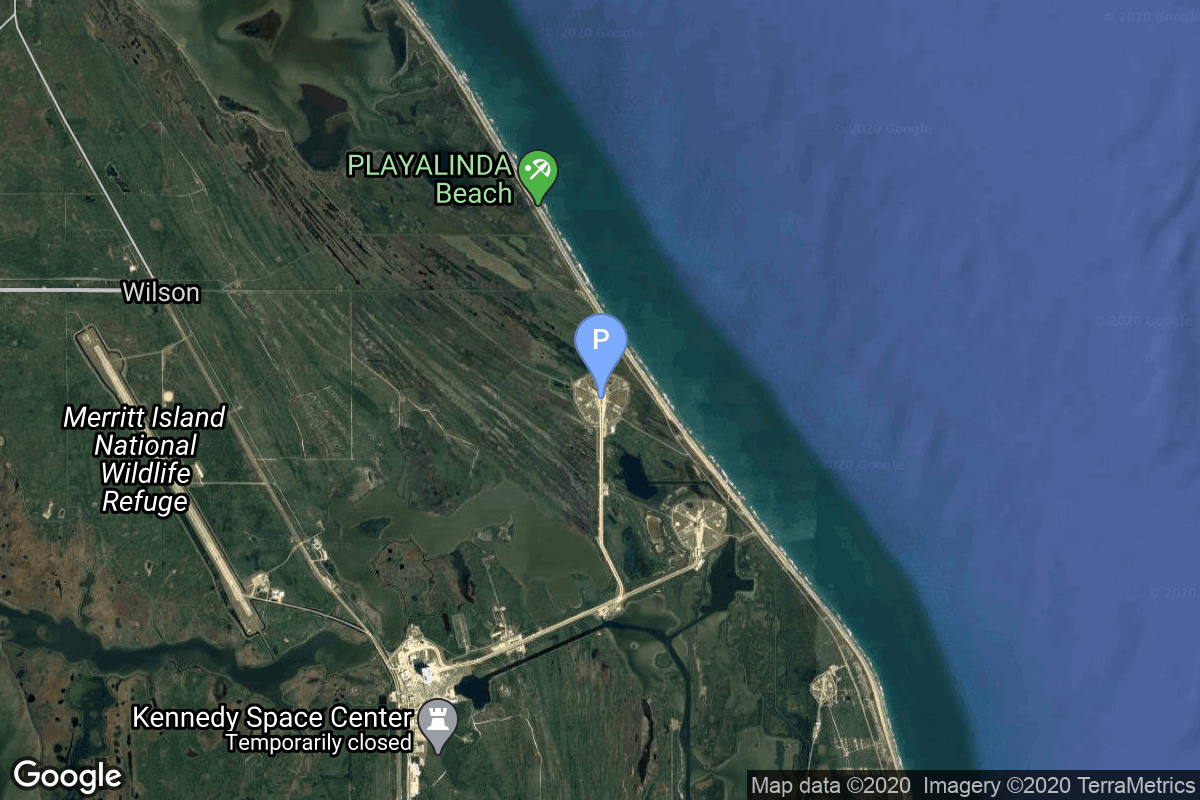
Launch Complex 39B
Kennedy Space Center, FL, USA
| Launches | 59 |
|---|---|
| Orbital Launch Attempts | 58 |
| Total Launches | 281 |
The John F. Kennedy Space Center, located on Merritt Island, Florida, is one of NASA's ten field centers. Since 1968, KSC has been NASA's primary launch center of American spaceflight, research, and technology. Launch operations for the Apollo, Skylab and Space Shuttle programs were carried out from Kennedy Space Center Launch Complex 39 and managed by KSC. Located on the east coast of Florida, KSC is adjacent to Cape Canaveral Space Force Station (CCSFS).
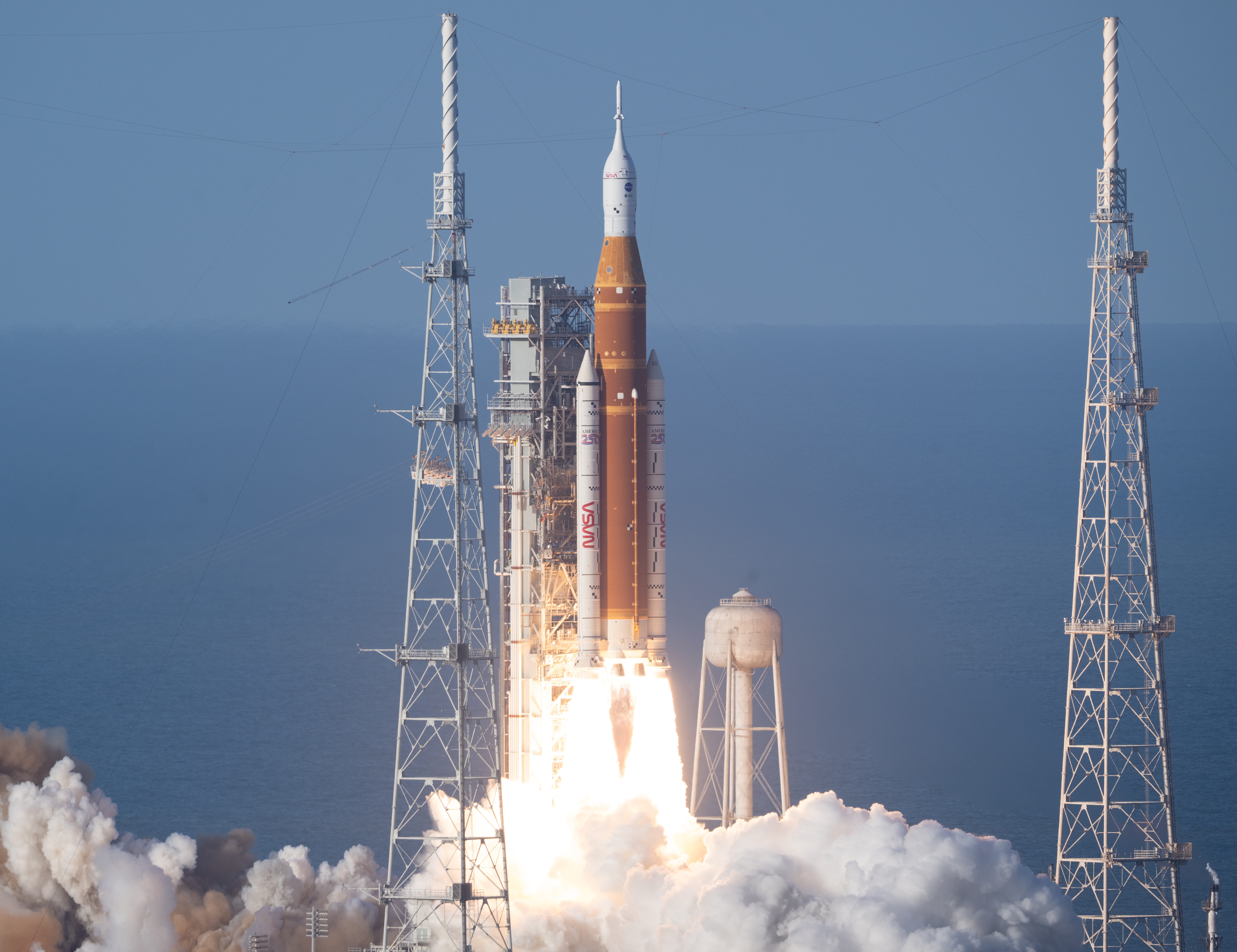
National Aeronautics and Space Administration Space Launch System Block 1 Rocket
The Space Launch System (SLS) is an American Space Shuttle-derived heavy expendable launch vehicle. It is part of NASA's deep space exploration plans including as the main launch vehicle of the Artemis program. SLS follows the cancellation of the Constellation program, and is to replace the retired Space Shuttle.
About National Aeronautics and Space Administration
The National Aeronautics and Space Administration is an independent agency of the executive branch of the United States federal government responsible for the civilian space program, as well as aeronautics and aerospace research. NASA have many launch facilities but most are inactive. The most commonly used pad will be LC-39B at Kennedy Space Center in Florida.
Learn more about National Aeronautics and Space Administration

Frequently Asked Questions
When was the National Aeronautics and Space Administration Space Launch System (SLS) Artemis II launch scheduled?
The National Aeronautics and Space Administration Space Launch System (SLS) Artemis II launch was scheduled for:
.
Where can I watch the National Aeronautics and Space Administration Space Launch System (SLS) Artemis II launch video?
You can watch the National Aeronautics and Space Administration Space Launch System (SLS) launch video on this page. The official video includes full mission coverage with multiple camera angles, onboard views, and expert commentary covering pre-launch procedures, liftoff, stage separation, and payload deployment.
Where did the National Aeronautics and Space Administration Space Launch System (SLS) Artemis II mission launch from?
The National Aeronautics and Space Administration Space Launch System (SLS) rocket launched from Launch Complex 39B at Kennedy Space Center, FL, USA. The John F. Kennedy Space Center, located on Merritt Island, Florida, is one of NASA's ten field centers. Since 1968, KSC has been NASA's primary launch center of American spaceflight, research, and technology. Launch operations for the Apollo, Skylab and Space Shuttle programs were carried out from Kennedy Space Center Launch Complex 39 and managed by KSC. Located on the east coast of Florida, KSC is adjacent to Cape Canaveral Space Force Station (CCSFS).
What rocket was used for the Artemis II mission?
The Artemis II mission launched aboard a National Aeronautics and Space Administration Space Launch System (SLS) rocket. The Space Launch System (SLS) is an American Space Shuttle-derived heavy expendable launch vehicle. It is part of NASA's deep space exploration plans including as the main launch vehicle of the Artemis program. SLS follows the cancellation of the Constellation program, and is to replace the retired Space Shuttle. Detailed rocket specifications and performance data are available in the rocket details above.
What weather conditions could have delayed the National Aeronautics and Space Administration Space Launch System (SLS) Artemis II launch?
The National Aeronautics and Space Administration Space Launch System (SLS) Artemis II launch could have been delayed by various weather conditions including lightning within 10 nautical miles, high winds (especially upper-level winds), thick cloud layers, precipitation, and poor visibility. Weather must be favorable at the launch site, downrange landing zones, and abort landing sites.
How can I get updates if the National Aeronautics and Space Administration Space Launch System (SLS) Artemis II launch was delayed?
This page was updated in real-time with the latest National Aeronautics and Space Administration Space Launch System (SLS) launch status, including any delays or scrubs for the Artemis II mission. You can also check our space launch schedule for historical launch information. Our mobile app provides push notifications for instant alerts about launch status changes. Official National Aeronautics and Space Administration live streams provided the most immediate range updates during the launch window.
Last Updated
Last Updated:
-
Launch success with Orion separation.
-
Liftoff.
-
New T-0.
-
Extending hold at T-10 minutes.
-
Updated launch weather.
-
Official Webcast by NASA has started
-
Updated launch weather.
-
T-0 is accurate to the second.
-
Updated launch weather, 80% GO.
-
Targeting April 1st.
-
Delayed to NET April due to upper stage helium leak issue.
-
Reverted back to NET March 6 EST, to be confirmed.
-
Moved back up to NET March 3, to be confirmed (see also https://x.com/nasaspaceflight/status/2019805496836767830.)
-
Delayed to NET March, to be confirmed pending additional tests.
-
Delayed to NET February 8 EST, to be confirmed.
-
Refined launch window.
-
Updated approximate launch time.
-
Added launch window.
-
NET February 5.
-
Moved up to NET February.
-
NET April 2026.
-
NET September 2025.
-
NET November 2024