
National Aeronautics and Space Administration Artemis I SLS Block 1
Rocket Launch Video Streams
Weather Forecast During Launch
According to weather officials, there's a 90% chance of favorable weather conditions at the time of the launch.
Rocket Launch Trajectory & Flight Path
Track the complete rocket launch trajectory with real-time flight data from FlightClub.io . View detailed telemetry including rocket velocity, altitude progression, thrust levels, acceleration, orbital insertion parameters, and 3D flight path visualization throughout all mission phases from liftoff to orbit.
Meet the Astronaut Crew
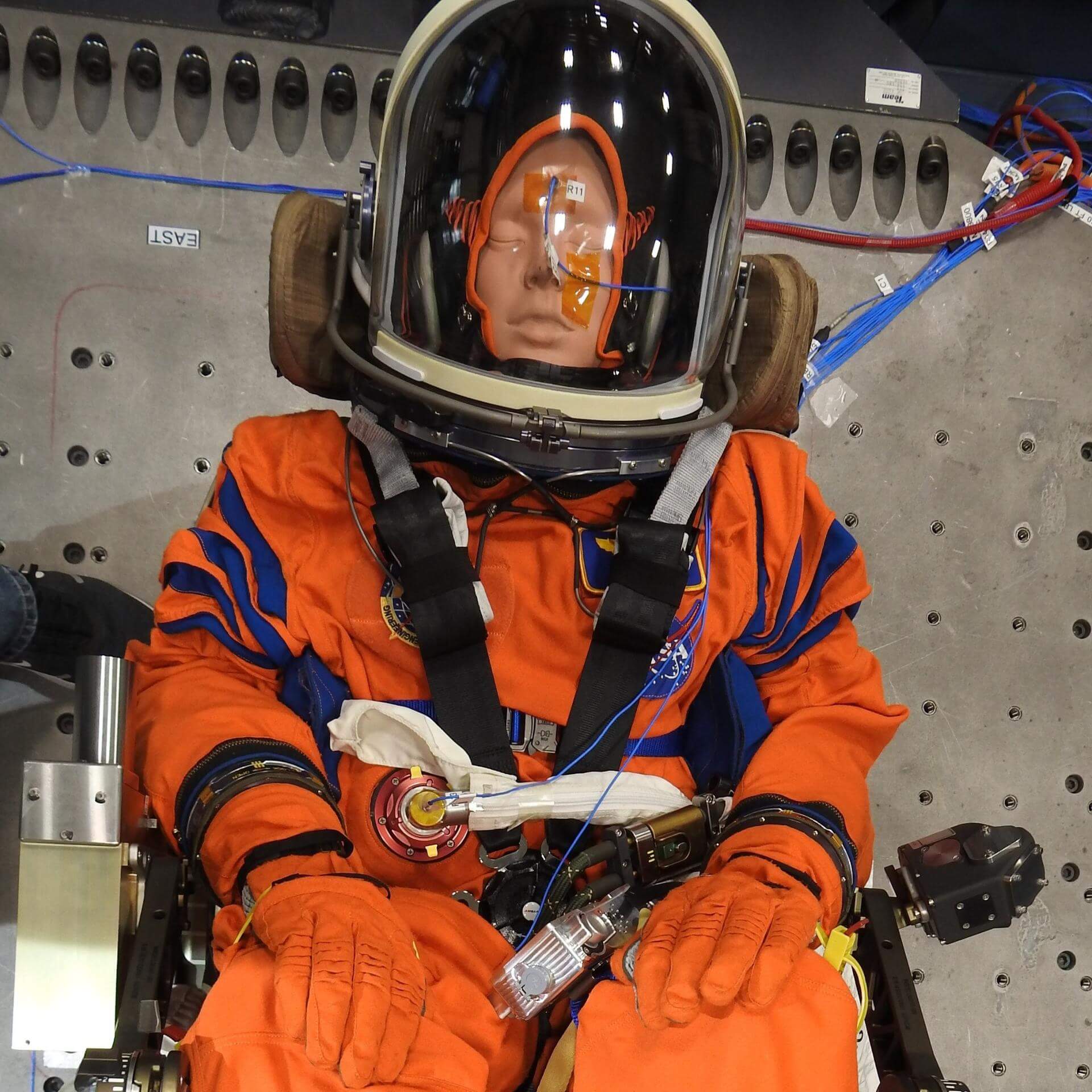
Commander Moonikin Campos
| Role | Anthropomorphic Test Device |
|---|---|
| Nationality | Unknown |
| First Flight | 11/16/2022 |
| Last Flight | 11/16/2022 |
Commander Moonikin Campos is an Anthropomorphic Test Device (ATD), named as a homage to to Arturo Campos, a key player in bri...
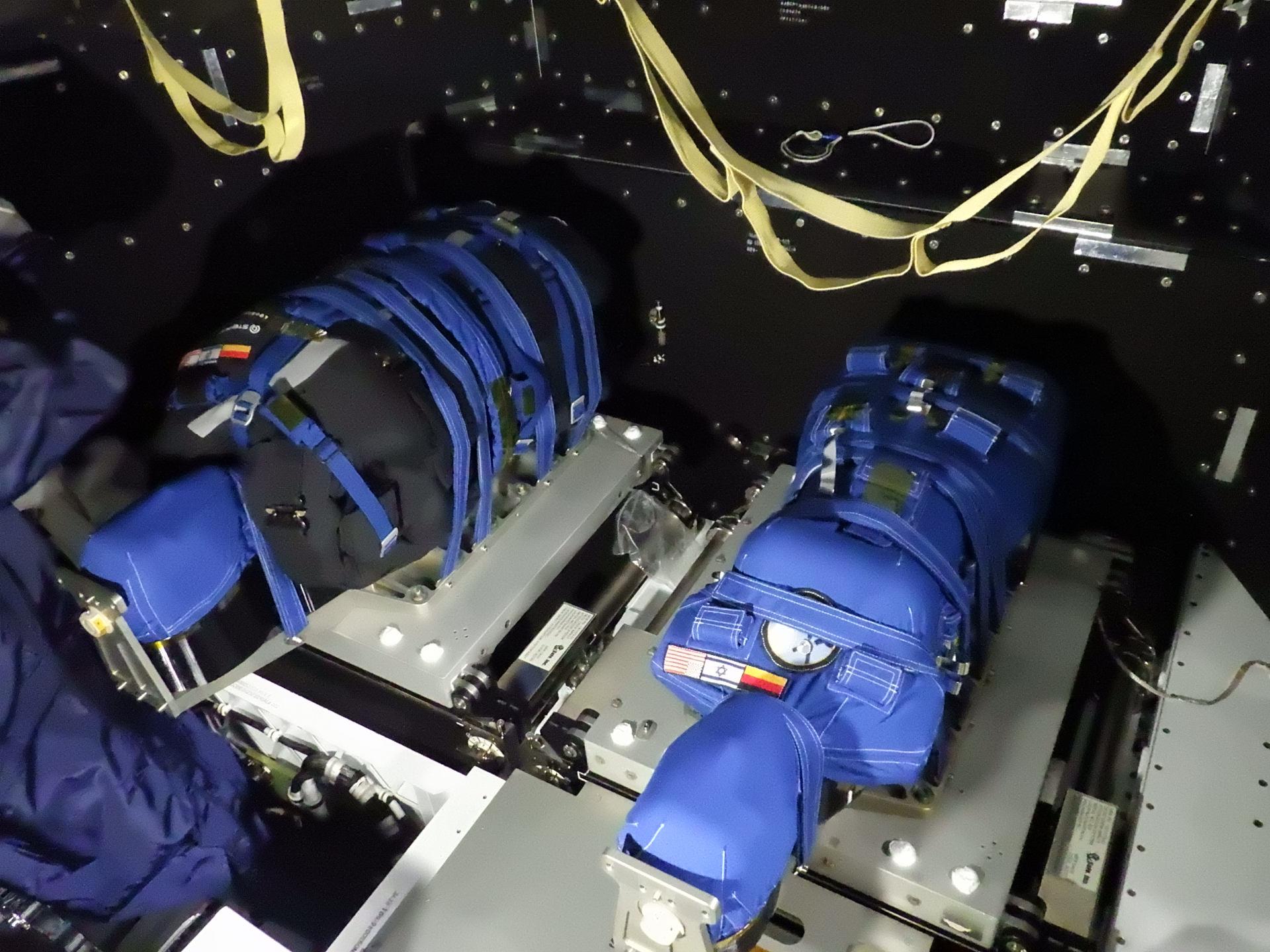
Helga
| Role | Anthropomorphic Test Device |
|---|---|
| Nationality | Unknown |
| First Flight | 11/16/2022 |
| Last Flight | 11/16/2022 |
Mannequin used as part of the DLR MARE radiations measurement experiment.
Zohar
| Role | Anthropomorphic Test Device |
|---|---|
| Nationality | Unknown |
| First Flight | 11/16/2022 |
| Last Flight | 11/16/2022 |
Mannequin used as part of the DLR MARE radiations measurement experiment.
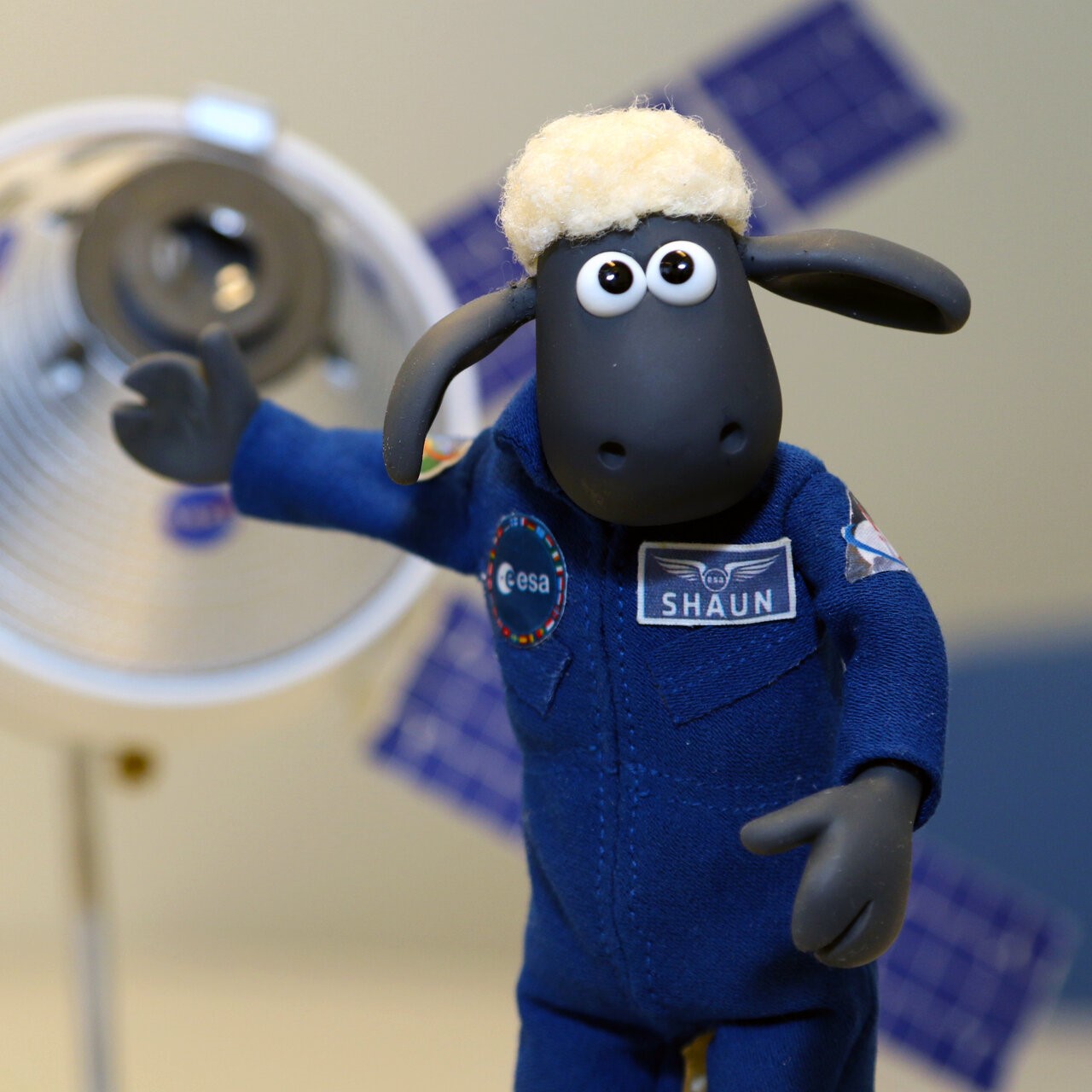
Shaun the Sheep
| Role | Zero-G Indicator |
|---|---|
| Nationality | Unknown |
| First Flight | 11/16/2022 |
| Last Flight | 11/16/2022 |
Shaun the Sheep is the main character of the eponymous British stop-motion TV show. This plushie serves as zero-G indicator o...
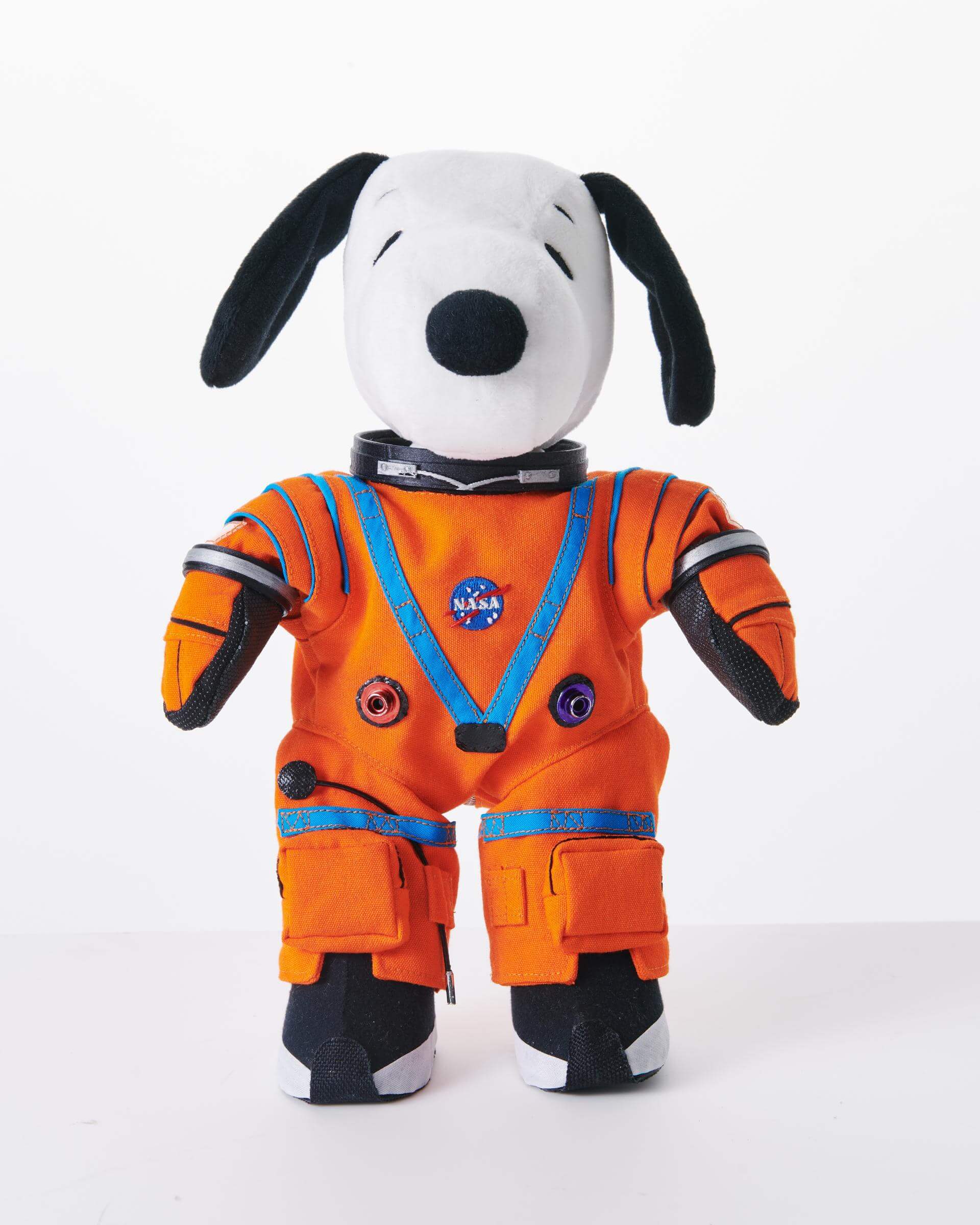
Snoopy
| Role | Zero-G Indicator |
|---|---|
| Nationality | Unknown |
| First Flight | 11/16/2022 |
| Last Flight | 11/16/2022 |
This Snoopy plushie serves as zero-G indicator on the Artemis-1 mission.
About the Artemis I Mission
| Type | Human Exploration |
|---|---|
| Orbit | Lunar Orbit |
| Launch Cost | $2,000,000,000 |
Artemis I (previously Exploration Mission 1) is the first flight on Space Launch System and the second flight of Orion crew spacecraft. Mission is planned to be an uncrewed circumlunar flight.
This launch is part of NASA's Artemis program, humanity's ambitious return to the Moon and preparation for future Mars missions. The Artemis program aims to land the first woman and first person of color on the lunar surface, establish a sustainable presence on the Moon, and develop technologies for deep space exploration.
Launch Pad & Location
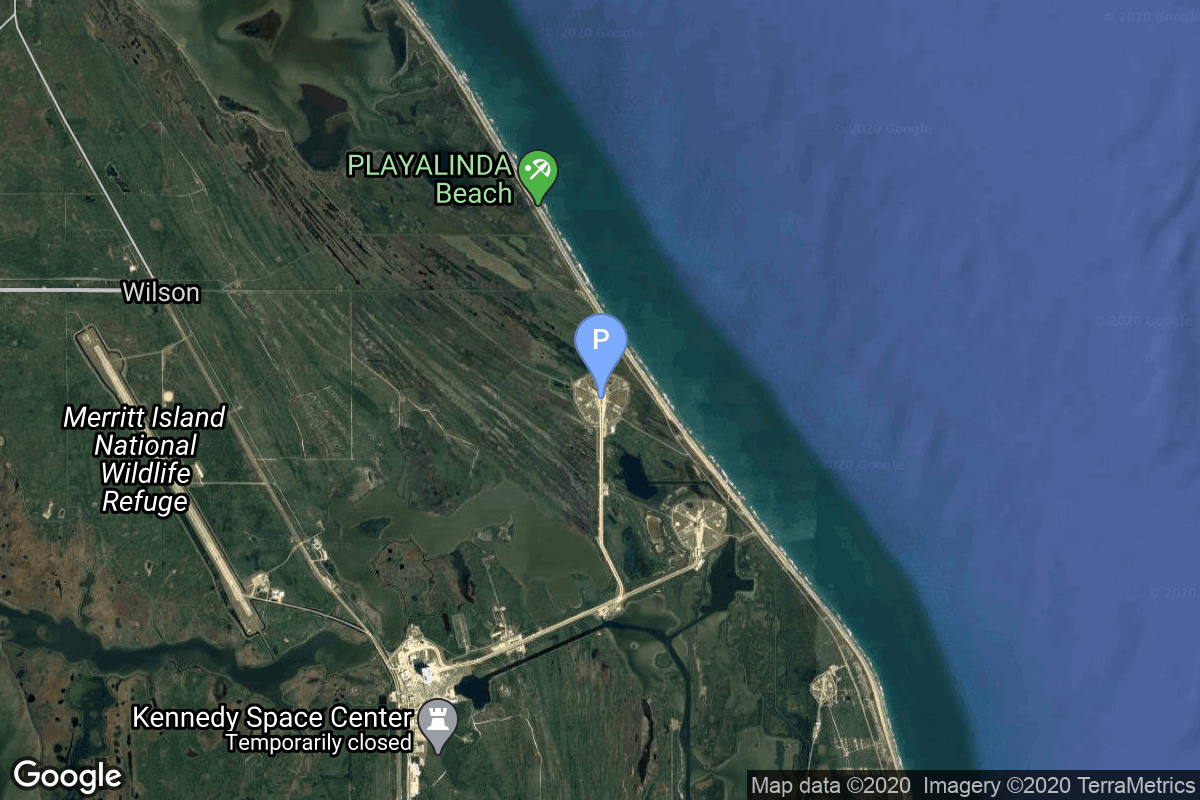
Launch Complex 39B
Kennedy Space Center, FL, USA
| Launches | 59 |
|---|---|
| Orbital Launch Attempts | 58 |
| Total Launches | 281 |
The John F. Kennedy Space Center, located on Merritt Island, Florida, is one of NASA's ten field centers. Since 1968, KSC has been NASA's primary launch center of American spaceflight, research, and technology. Launch operations for the Apollo, Skylab and Space Shuttle programs were carried out from Kennedy Space Center Launch Complex 39 and managed by KSC. Located on the east coast of Florida, KSC is adjacent to Cape Canaveral Space Force Station (CCSFS).
National Aeronautics and Space Administration Space Launch System Block 1 Rocket
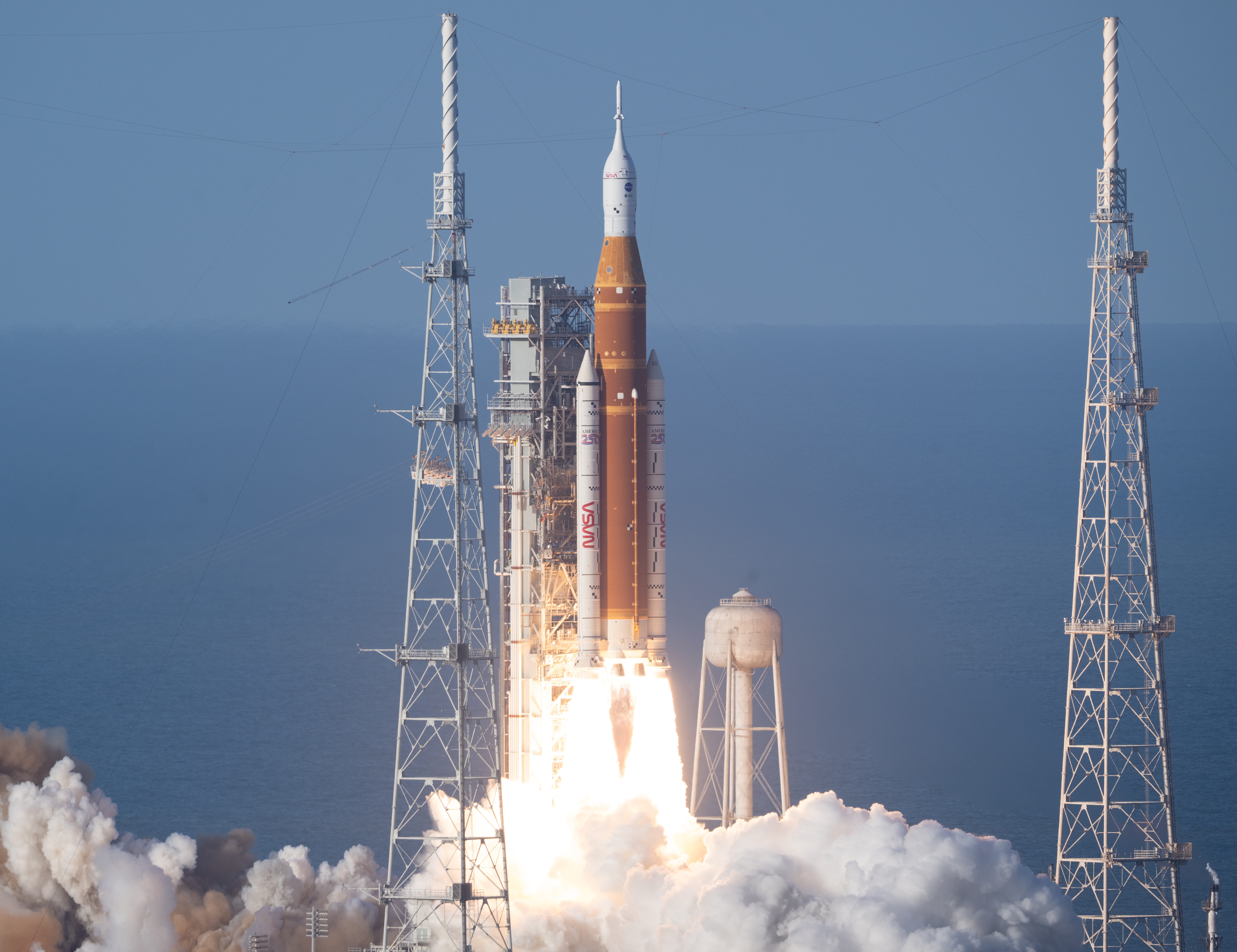
The Space Launch System (SLS) is an American Space Shuttle-derived heavy expendable launch vehicle. It is part of NASA's deep space exploration plans including as the main launch vehicle of the Artemis program. SLS follows the cancellation of the Constellation program, and is to replace the retired Space Shuttle.
About National Aeronautics and Space Administration
The National Aeronautics and Space Administration is an independent agency of the executive branch of the United States federal government responsible for the civilian space program, as well as aeronautics and aerospace research. NASA have many launch facilities but most are inactive. The most commonly used pad will be LC-39B at Kennedy Space Center in Florida.
Learn more about National Aeronautics and Space Administration
Frequently Asked Questions
When was the National Aeronautics and Space Administration Space Launch System (SLS) Artemis I launch scheduled?
The National Aeronautics and Space Administration Space Launch System (SLS) Artemis I launch was scheduled for:
.
Where can I watch the National Aeronautics and Space Administration Space Launch System (SLS) Artemis I launch video?
You can watch the National Aeronautics and Space Administration Space Launch System (SLS) launch video on this page. The official video includes full mission coverage with multiple camera angles, onboard views, and expert commentary covering pre-launch procedures, liftoff, stage separation, and payload deployment.
Where did the National Aeronautics and Space Administration Space Launch System (SLS) Artemis I mission launch from?
The National Aeronautics and Space Administration Space Launch System (SLS) rocket launched from Launch Complex 39B at Kennedy Space Center, FL, USA. The John F. Kennedy Space Center, located on Merritt Island, Florida, is one of NASA's ten field centers. Since 1968, KSC has been NASA's primary launch center of American spaceflight, research, and technology. Launch operations for the Apollo, Skylab and Space Shuttle programs were carried out from Kennedy Space Center Launch Complex 39 and managed by KSC. Located on the east coast of Florida, KSC is adjacent to Cape Canaveral Space Force Station (CCSFS).
What rocket was used for the Artemis I mission?
The Artemis I mission launched aboard a National Aeronautics and Space Administration Space Launch System (SLS) rocket. The Space Launch System (SLS) is an American Space Shuttle-derived heavy expendable launch vehicle. It is part of NASA's deep space exploration plans including as the main launch vehicle of the Artemis program. SLS follows the cancellation of the Constellation program, and is to replace the retired Space Shuttle. Detailed rocket specifications and performance data are available in the rocket details above.
What weather conditions could have delayed the National Aeronautics and Space Administration Space Launch System (SLS) Artemis I launch?
The National Aeronautics and Space Administration Space Launch System (SLS) Artemis I launch could have been delayed by various weather conditions including lightning within 10 nautical miles, high winds (especially upper-level winds), thick cloud layers, precipitation, and poor visibility. Weather must be favorable at the launch site, downrange landing zones, and abort landing sites.
How can I get updates if the National Aeronautics and Space Administration Space Launch System (SLS) Artemis I launch was delayed?
This page was updated in real-time with the latest National Aeronautics and Space Administration Space Launch System (SLS) launch status, including any delays or scrubs for the Artemis I mission. You can also check our space launch schedule for historical launch information. Our mobile app provides push notifications for instant alerts about launch status changes. Official National Aeronautics and Space Administration live streams provided the most immediate range updates during the launch window.
Last Updated
Last Updated:
-
Successful maiden flight of the Space Launch System, launching Orion towards the Moon as part of the first mission of the Artemis program.
-
Liftoff
-
Adding new T-0 and setting GO
-
Extended hold confirmed, until new T-0 is announced
-
Pushing T-0 into the window and setting TBC until a new T-0 is officially announced
-
Main coverage live
-
Weather 90%
-
Weather 80%
-
Weather 90%
-
Weather 80% GO
-
Targeting November 16th due to Tropical Storm Nicole
-
Added new target date and time
-
NET November 13th UTC
-
NASA will roll SLS back to the VAB due to Tropical Storm Ian, new launch date TBD.
-
Not launching on September 27; date pending rollback decision
-
Adding launch window, weather is 20% GO.
-
Move back to NET September (23rd or 27th), pending decision from Eastern Range on Flight Termination System batteries replacement waiver and Core Stage hydrogen leakage repairs.
-
Delaying to Launch Period 27 pending resolution of hardware issues
-
Scrubbed due to a liquid hydrogen leak. Next possible launch opportunity on September 5 between 21:12 and 22:42 UTC.
-
Updated weather forecast
-
Setting GO
-
Weather approximately 40%
-
Now targeting the Saturday, September 3 launch window
-
Weather 40% for the September 2 launch opportunity
-
Launch scrubbed due to a hydrogen bleed issue with engine #3. Next opportunity on September 2 between 16:48 and 18:48 UTC.
-
Countdown on hold due to a hydrogen bleed issue with engine #3.
-
Weather 80% at the opening of the window, 60% towards the end
-
Updating weather
-
Setting GO
-
NET August 29
-
Adding launch window and setting TBC.
-
NET August 23
-
NET August
-
NET June 29
-
NET June 6 16:48 - 18:48 UTC
-
Moving to May window per media update
-
NET April 2022
-
Rollout delayed, moving to TBD March
-
NET March 20.
-
NET March 12-27 due to a malfunctioning computer in one of the main engines.
-
First launch opportunity February 12, 2022 between 22:56 and 23:17 UTC.
-
Launch NET February 2022