
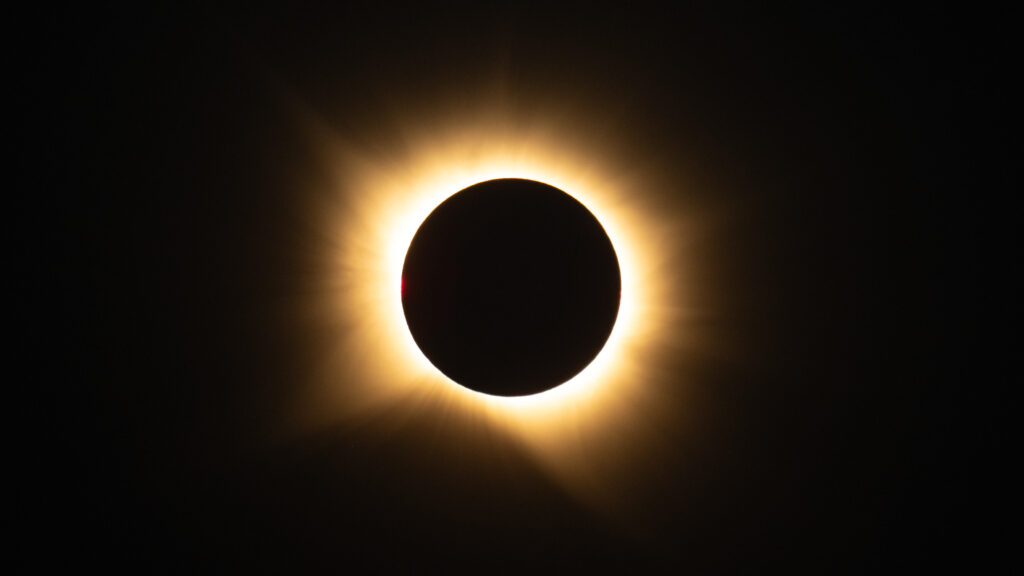
2026 Total Solar Eclipse in Spain
A total solar eclipse is seen from San Millán de los Caballeros, Spain, Wednesday, Aug. 12, 2026. Courtesy of NASA Image of the Day
Get the Space Launch Schedule your way with our apps, content, and supporter benefits.
View the launch schedule, receive notifications, and watch live video on iOS or Android.
Support us on Patreon for just $3/month and enjoy an ad-free website experience.
Receive the daily launch schedule and follow our latest launch coverage on social media.
A total solar eclipse is seen from San Millán de los Caballeros, Spain, Wednesday, Aug. 12, 2026. Courtesy of NASA Image of the Day
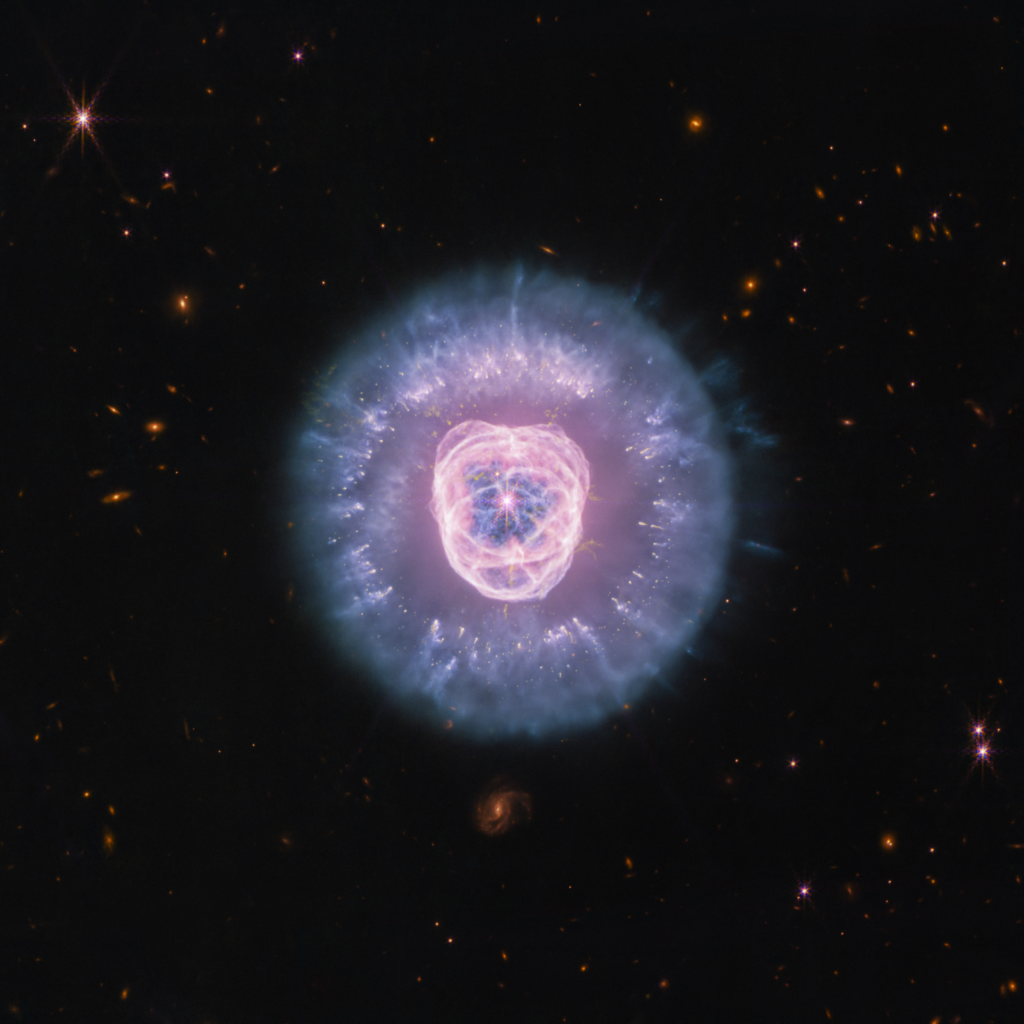
NASA’s James Webb Space Telescope imaged the planetary nebula NGC 2392, the Lion Nebula, using the observatory’s NIRCam and MIRI instruments. The central star’s remains are responsible for the nebula’s structure, including a lion face-shaped bubble of ionized gas and dust “mane.” Courtesy of NASA Image of the Day
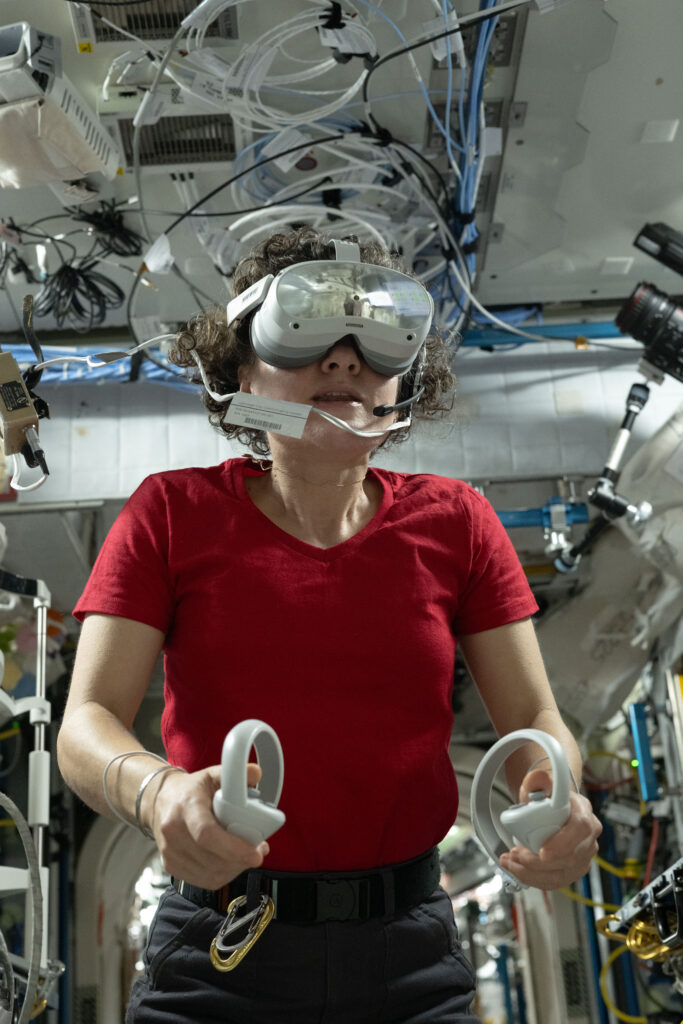
NASA astronaut and Expedition 75 commander Jessica Meir wears a set of virtual reality goggles, also called the Nevada Screening Vision System, for a test that measures visual function using a series of vision screening apps testing visual acuity, contrast sensitivity, and more. Courtesy of NASA Image of the Day
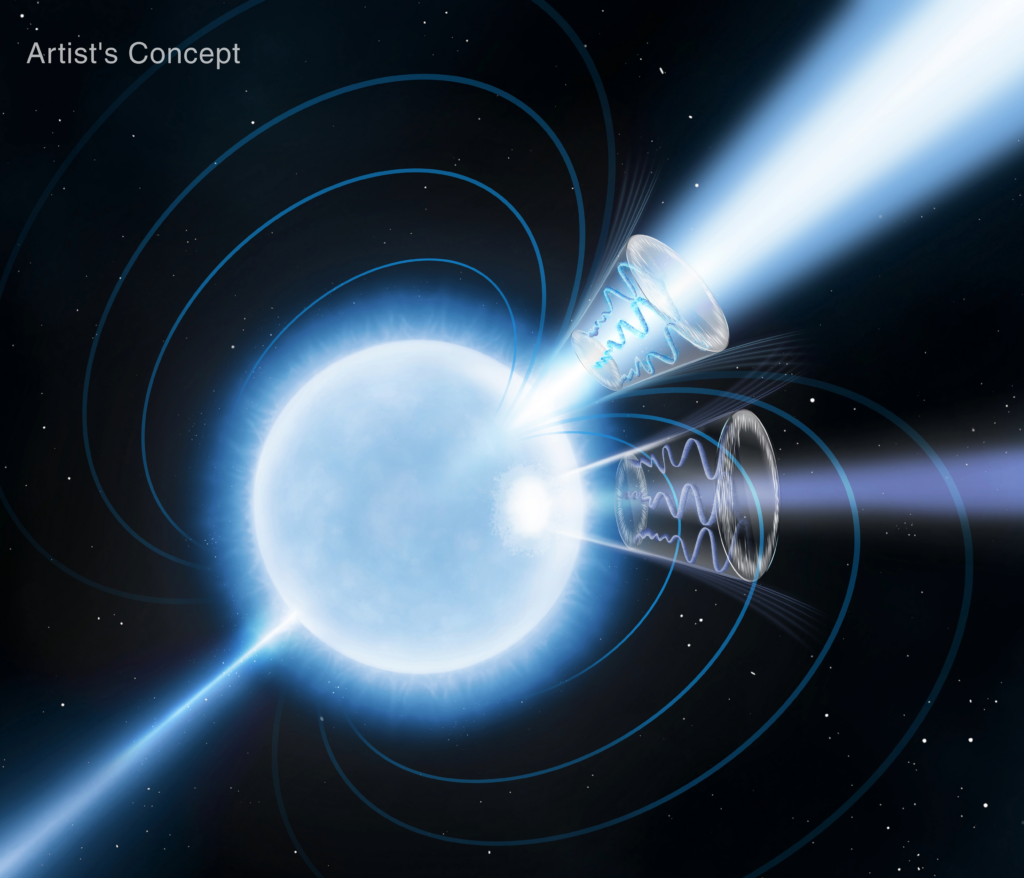
A first of its kind measurement of a magnetar may have captured empty space behaving in a way physicists have predicted for 90 years, but never directly observed. The results published Wednesday in Nature. Courtesy of NASA Image of the Day
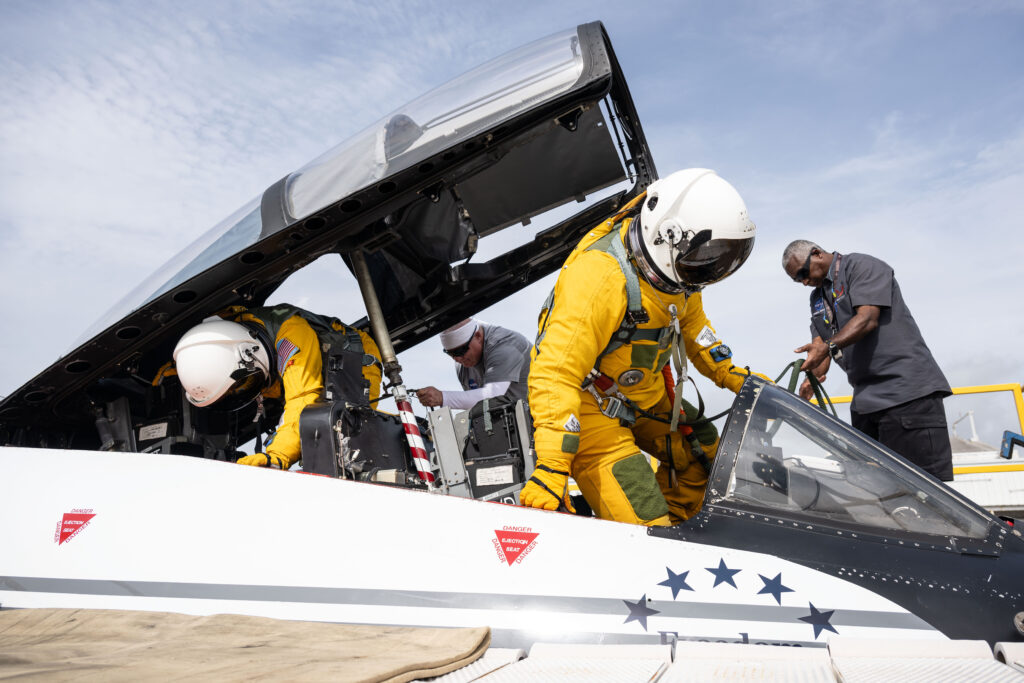
NASA astronaut candidate Adam Fuhrmann prepares for a training flight aboard NASA’s WB-57 aircraft. Courtesy of NASA Image of the Day
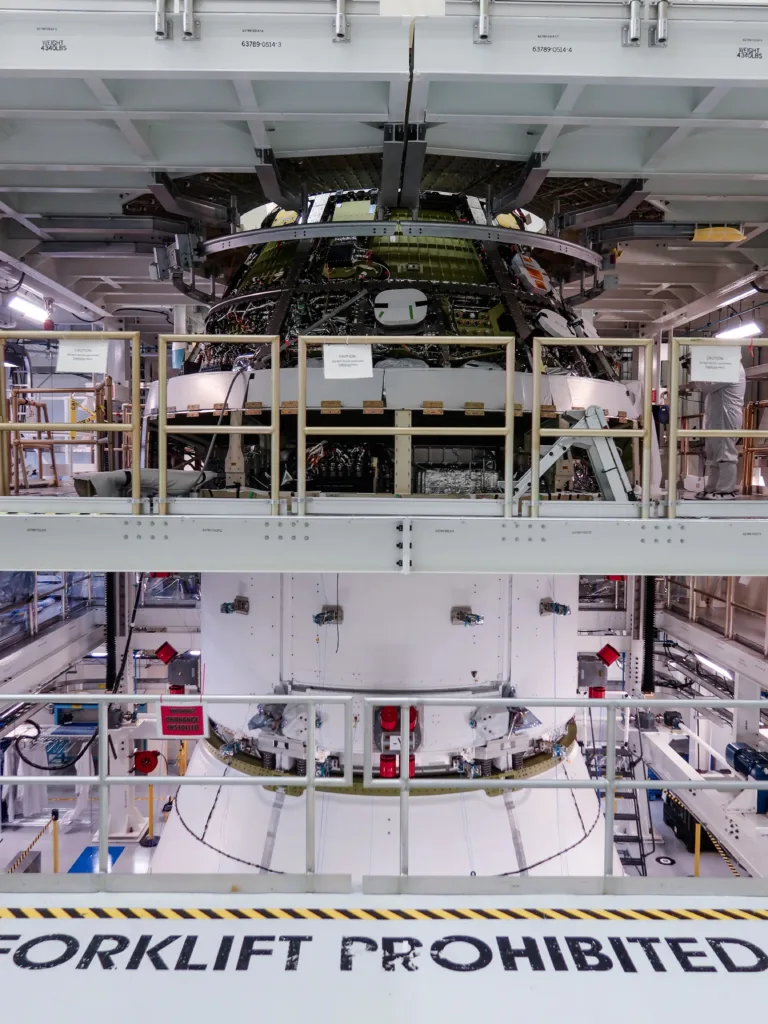
Engineers connect the Orion crew and service modules for the Artemis III mission inside the Neil A. Armstrong Operations and Checkout Building at NASA’s Kennedy Space Center in Florida. Courtesy of NASA Image of the Day
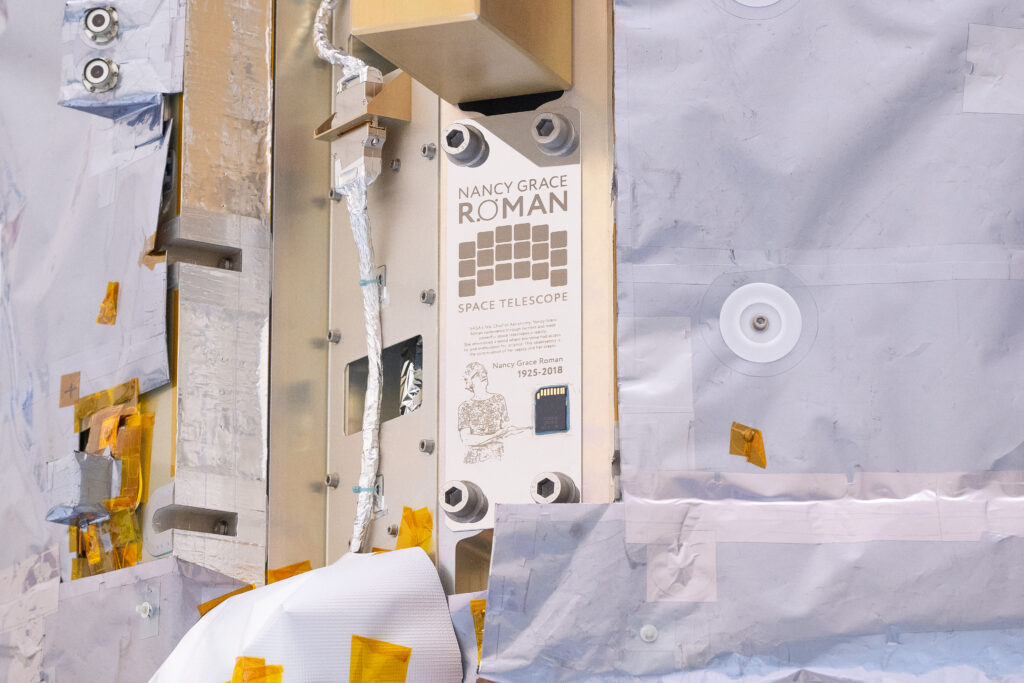
Technicians inside the Payload Hazardous Servicing Facility at NASA’s Kennedy Space Center complete installation of a commemorative plaque on the agency’s Nancy Grace Roman Space Telescope, as photographed on Tuesday, July 28, 2026. Courtesy of NASA Image of the Day
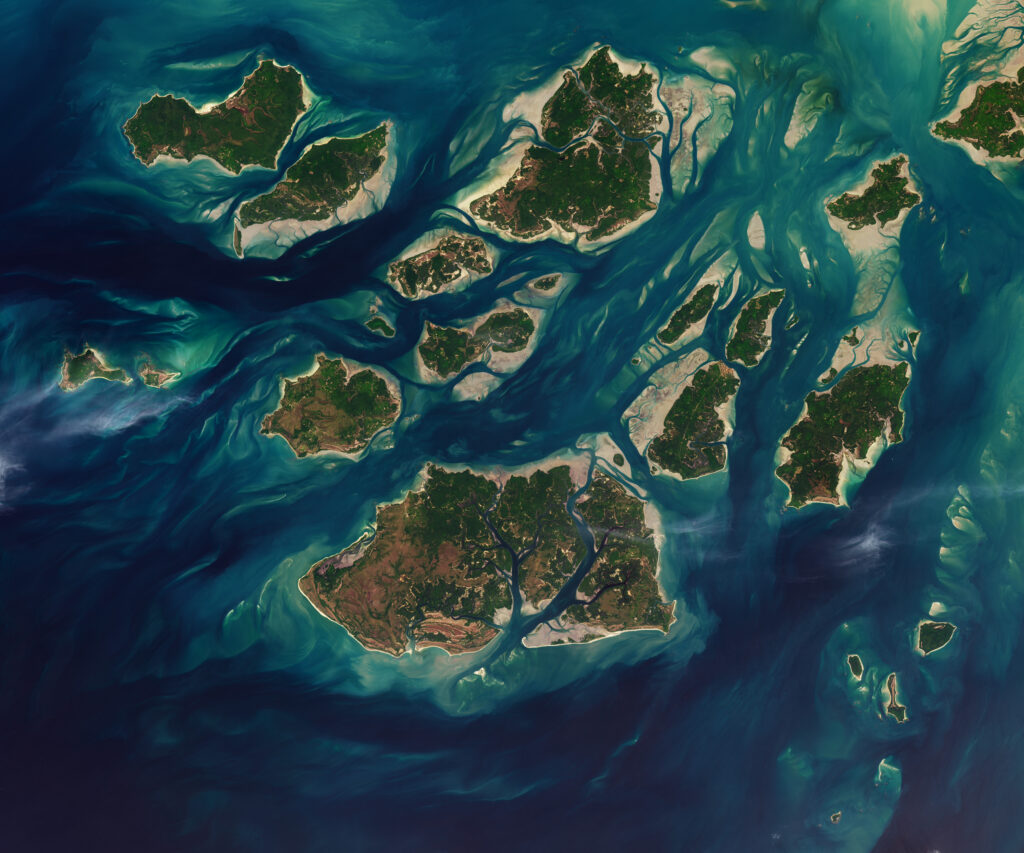
Relatively low tidal waters expose sandflats and mudflats in the Bijagós Archipelago of Guinea-Bissau in this image acquired on November 28, 2025, with the OLI (Operational Land Imager) on Landsat 8. These coastal landforms support an array of invertebrates, making the archipelago a popular stopover for migratory shorebirds. Courtesy of NASA Image of the Day
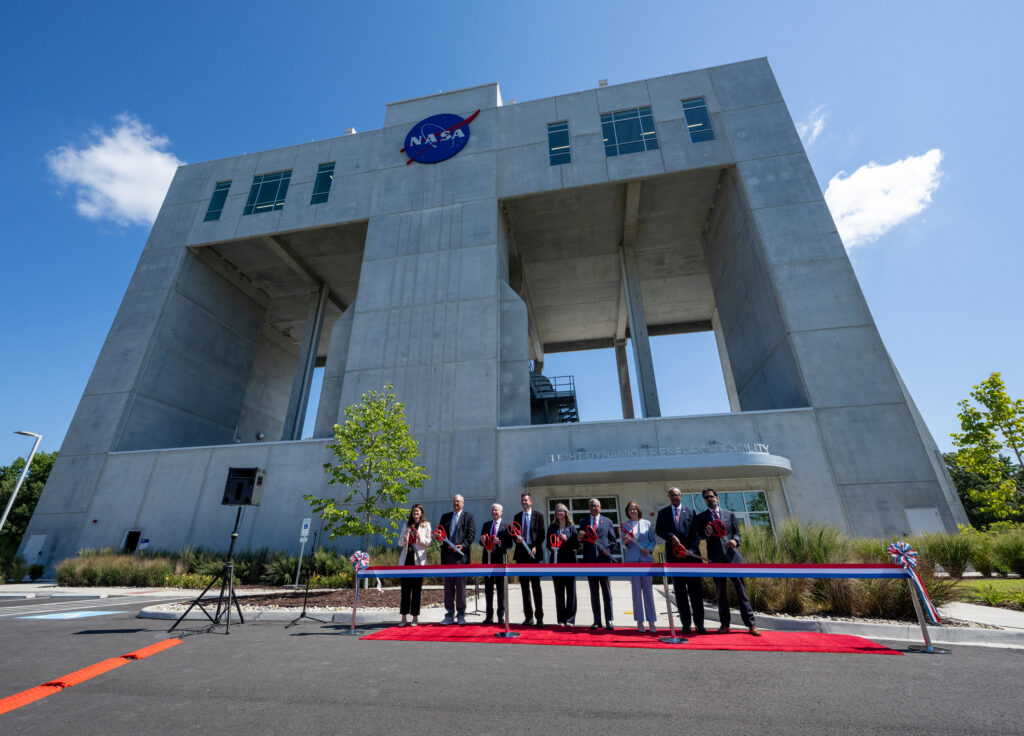
NASA opened its newest wind tunnel, the Flight Dynamics Research Facility at NASA’s Langley Research Center in Hampton, Virginia, on Friday, providing a critical resource for the agency and its partners to test the safety and performance of future generations of aircraft, rockets, and space exploration vehicles. Courtesy of NASA Image of the Day
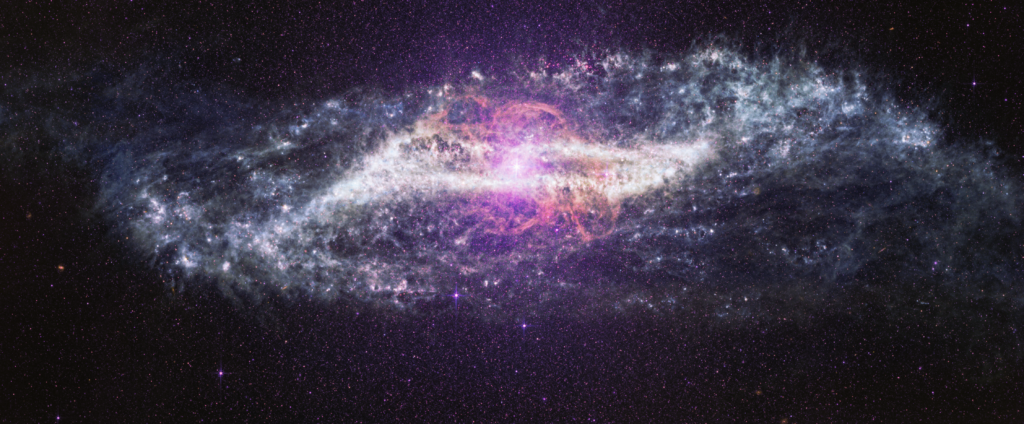
NASA’s James Webb Space Telescope’s Mid-Infrared Instrument (MIRI) reveals the nearby galaxy Centaurus A, exposing the dusty structures and hidden activity that shape this unusual system. Courtesy of NASA Image of the Day
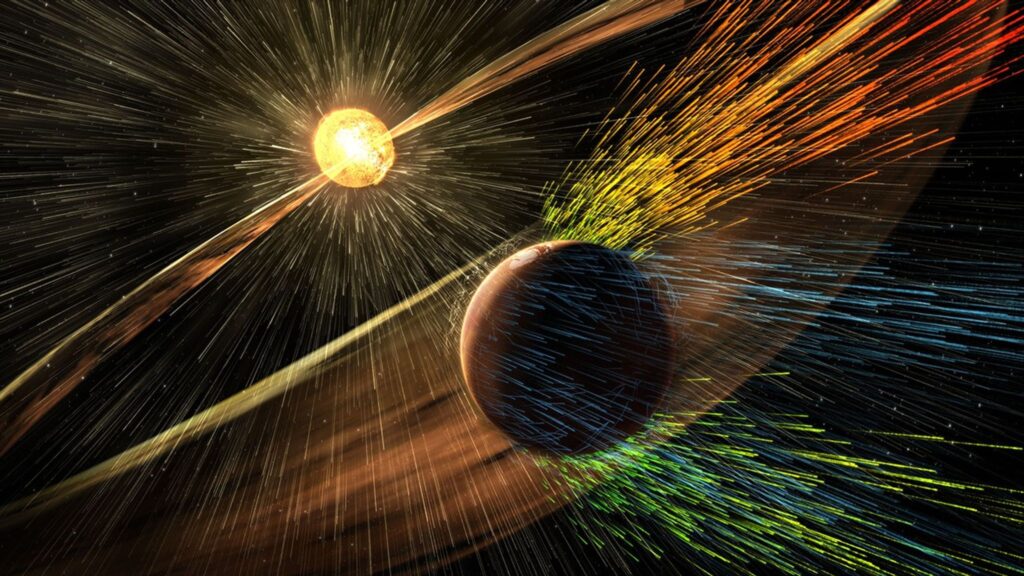
This illustration depicts charged particles from a solar storm stripping away charged particles of Mars' atmosphere, one of the processes of Martian atmosphere loss studied by NASA's MAVEN mission. Courtesy of NASA Image of the Day
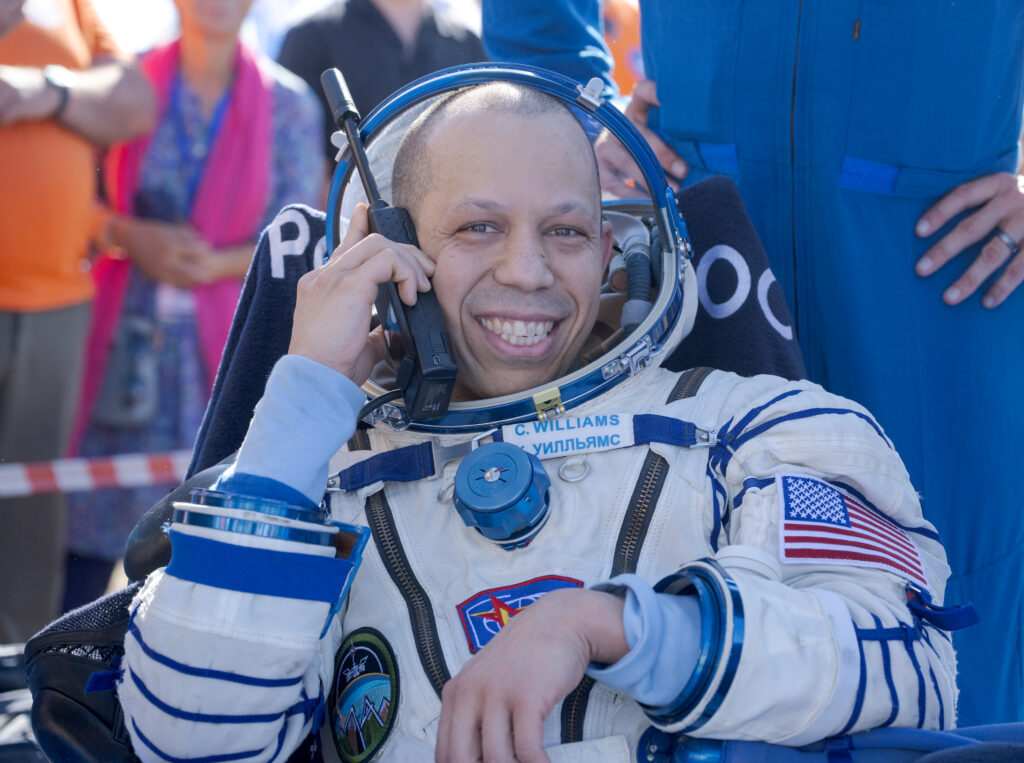
NASA astronaut Chris Williams is seen outside the Soyuz MS-28 spacecraft after he landed with Expedition 74 Roscosmos cosmonauts Sergey Kud-Sverchkov, and Sergei Mikaev in a remote area near the town of Zhezkazgan, Kazakhstan on Sunday, July 26, 2026. The trio returned to Earth after logging 241 days in space as a members of Expeditions […]
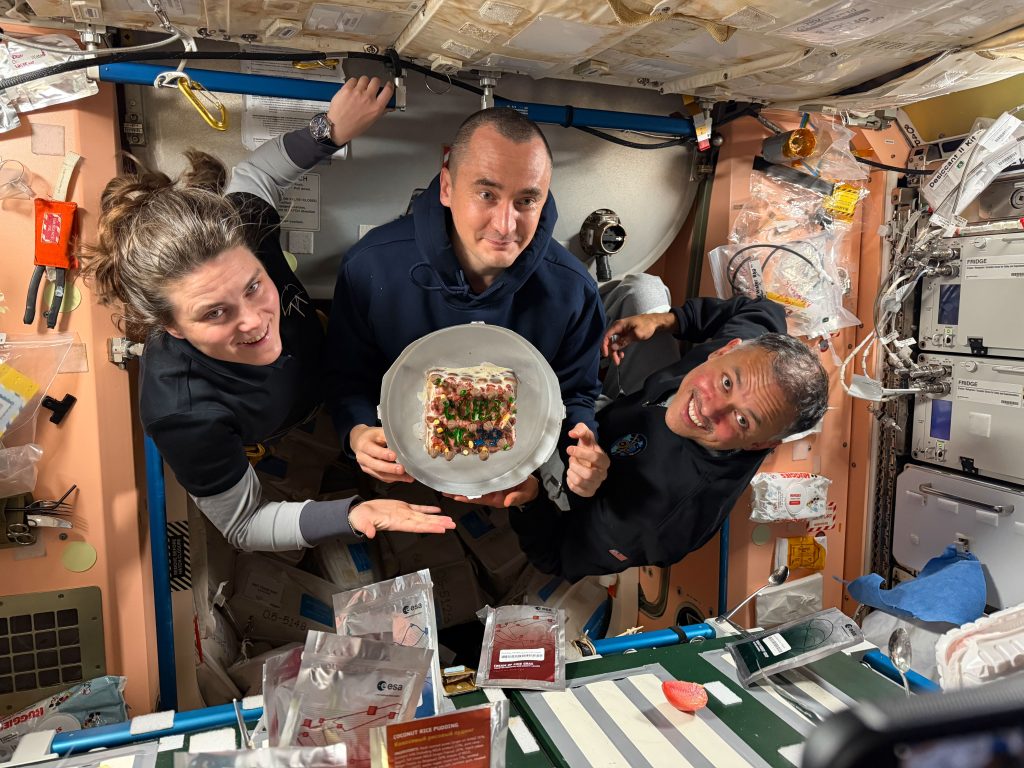
From left, Expedition 74 flight engineers Anna Kikina and Pyotr Dubrov of Roscosmos, and Anil Menon of NASA pose for a portrait while holding a cake celebrating their recent arrival aboard the International Space Station. Courtesy of NASA Image of the Day
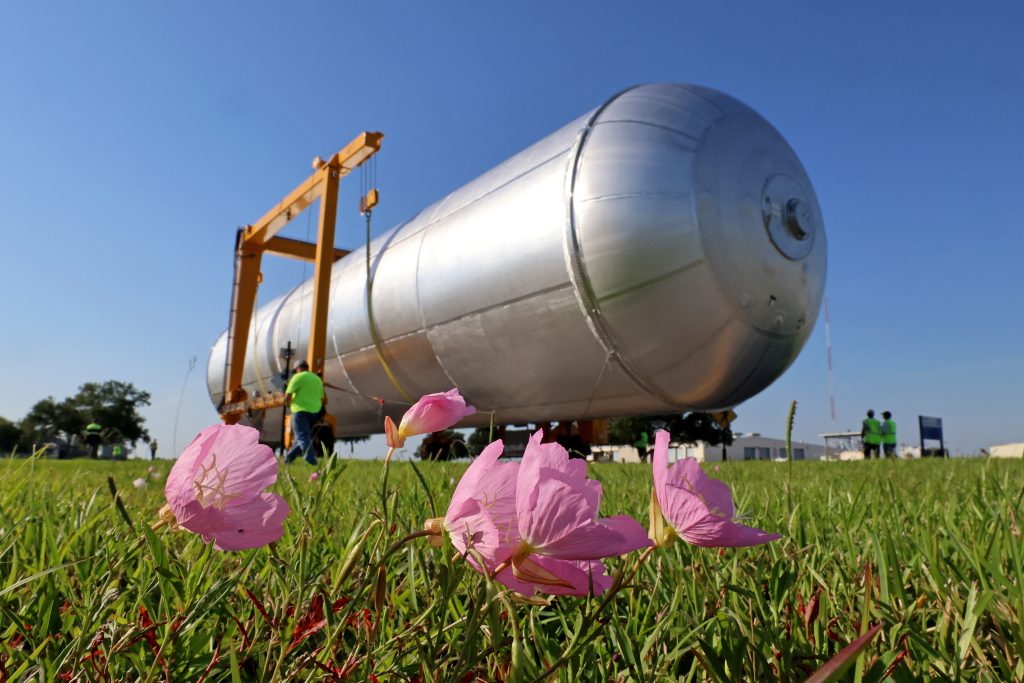
Crews at NASA’s Michoud Assembly Facility in New Orleans transport the 130-foot-tall liquid hydrogen tank out of a production cell inside the main factory building into a detached test building on a separate portion of the 829-acre site. Courtesy of NASA Image of the Day
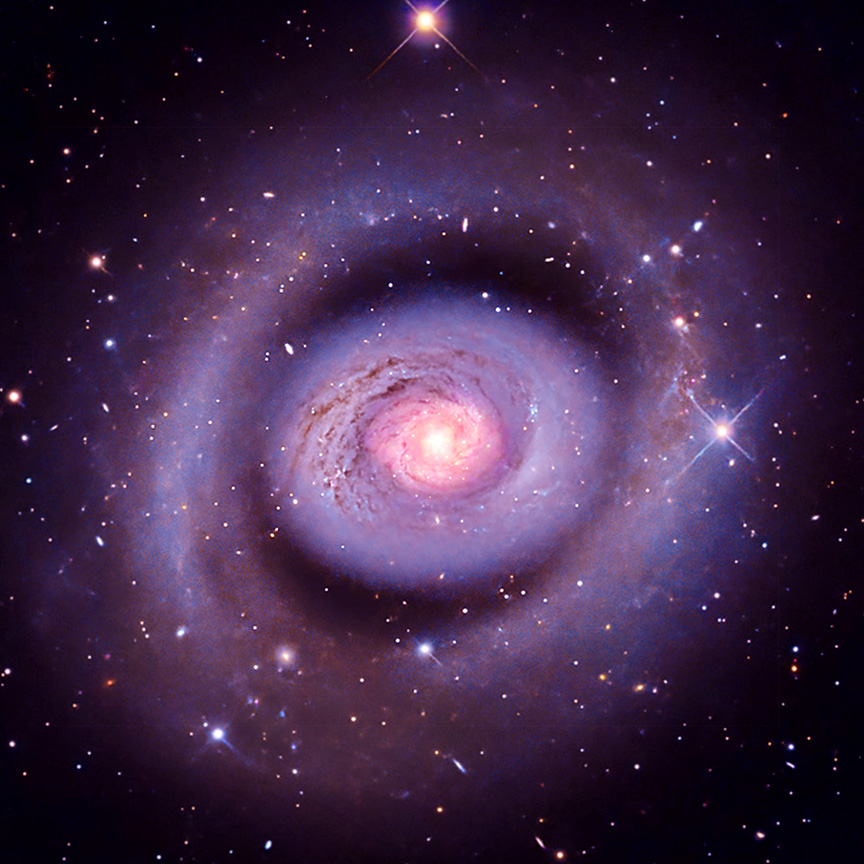
Messier 94 is a spiral galaxy with a bright inner ring around it, called a starburst ring, where new stars are forming. Courtesy of NASA Image of the Day