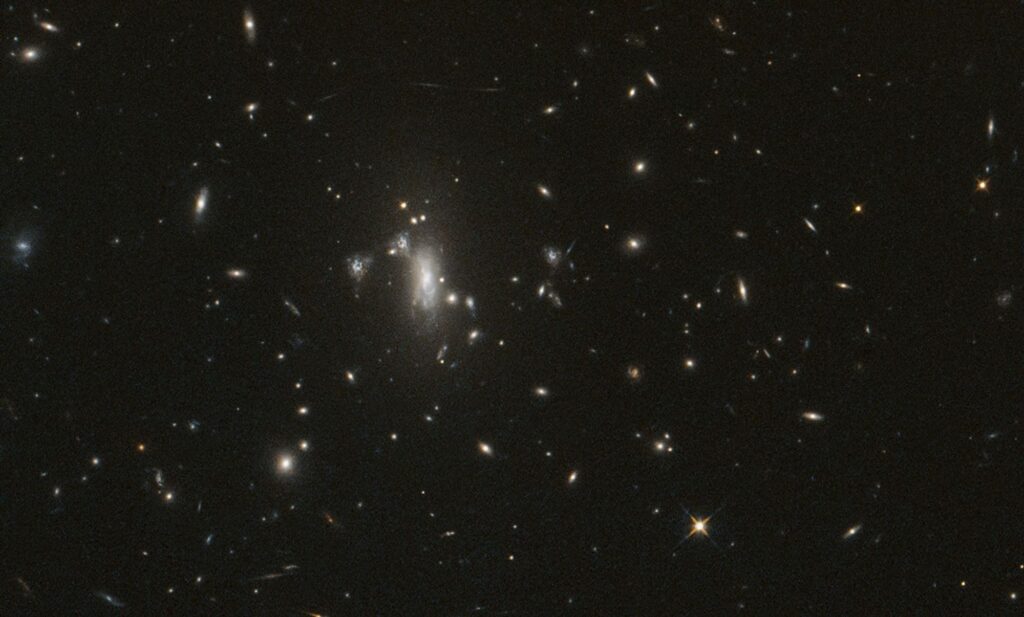
Unlocking the Mystery of X-ray Dots
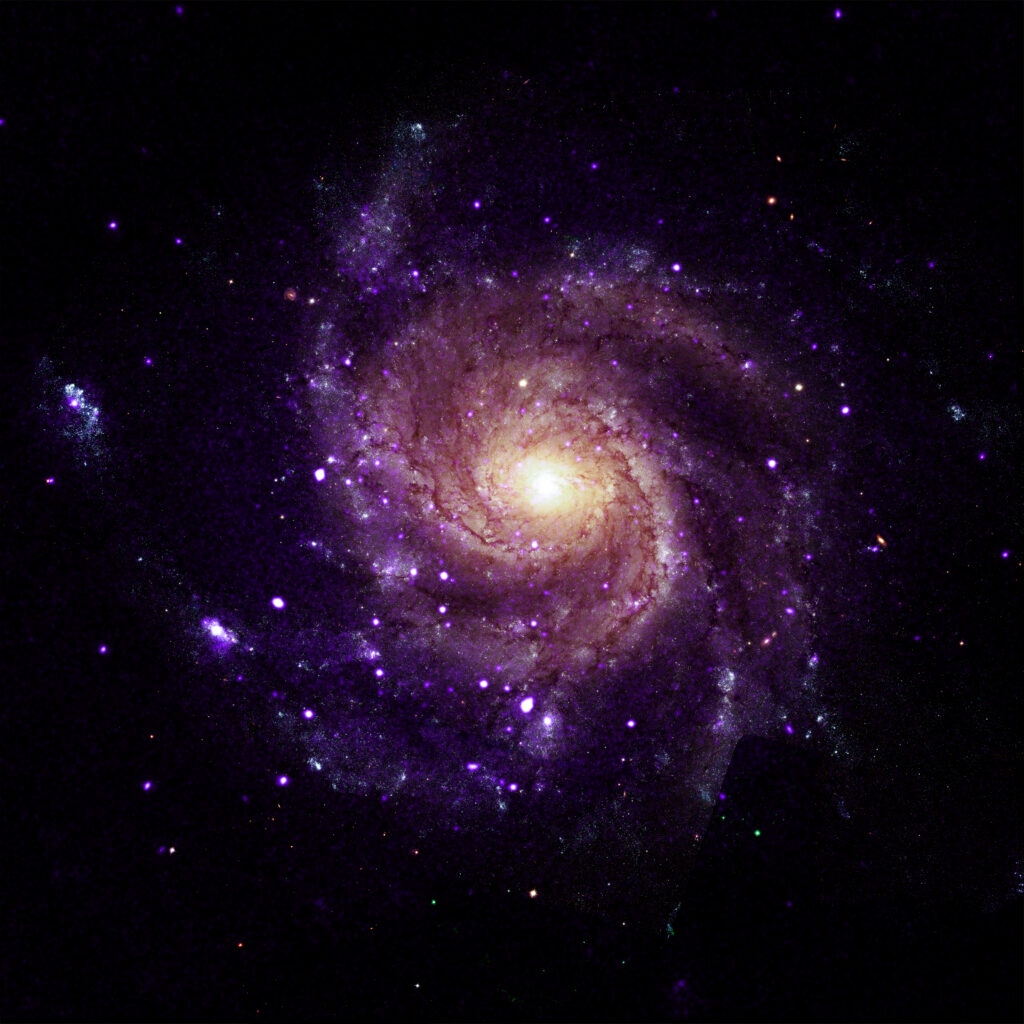
A newly discovered object may be a key to unlocking the true nature of a mysterious class of sources that astronomers have found in the early universe in recent years. Courtesy of NASA Image of the Day
Join our community of space enthusiasts for just $3/month and enjoy an ad-free experience across our app and website. Your support helps us deliver the best rocket launch tracking experience in the galaxy! 🚀
A newly discovered object may be a key to unlocking the true nature of a mysterious class of sources that astronomers have found in the early universe in recent years. Courtesy of NASA Image of the Day
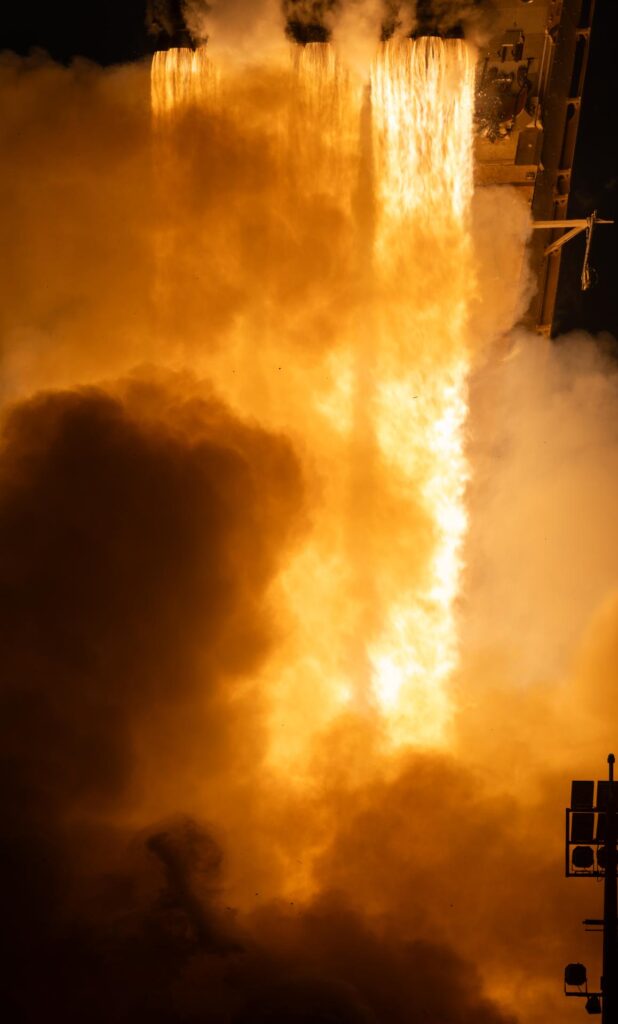
America’s first human spaceflight begins as the Mercury-Redstone 3 (MR-3) space vehicle, with astronaut Alan B. Shepard Jr. aboard, launches from Cape Canaveral, Florida on May 5, 1961. Courtesy of NASA Image of the Day
This NASA Hubble Space Telescope image features the glittering spiral galaxy NGC 3137, located 53 million light-years away in the constellation Antlia (the Air Pump). Courtesy of NASA Image of the Day
Nasdaq Chair and Chief Executive Officer Adena T. Friedman, left, and NASA’s Artemis II crew ring the closing bell of the Nasdaq market session, Thursday, April 30, 2026. Courtesy of NASA Image of the Day
NASA’s SLS (Space Launch System) core stage for the Artemis III mission moves into the Vehicle Assembly Building at the agency's Kennedy Space Center in Florida on Tuesday, April 28, 2026. Courtesy of NASA Image of the Day
The barred spiral galaxy IC 486 glows with a soft, ethereal light in this NASA Hubble Space Telescope image. Courtesy of NASA Image of the Day
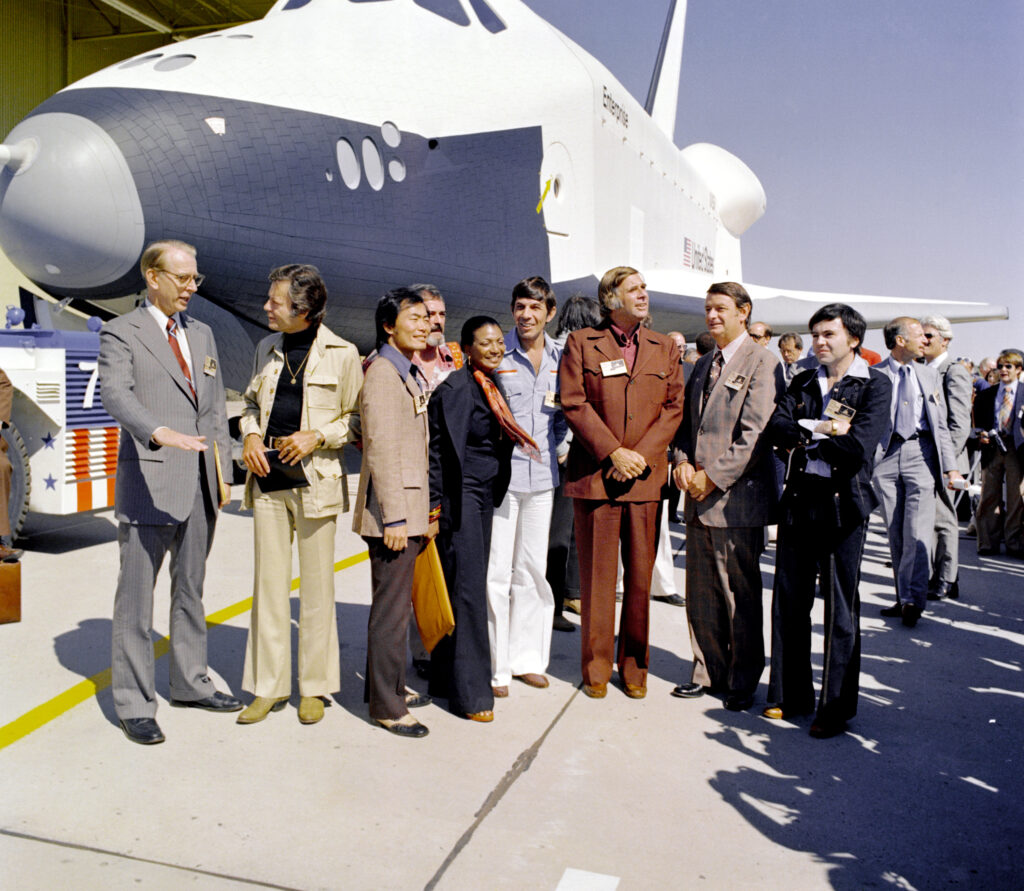
Expedition 74 flight engineers Chris Williams of NASA and Sophie Adenot of the European Space Agency work together in the Kibo laboratory module’s Life Science Glovebox. Courtesy of NASA Image of the Day

The X-59’s tail and jet engine feature a new marking — a Freedom 250 logo celebrating the nation’s 250th birthday in 2026. Courtesy of NASA Image of the Day
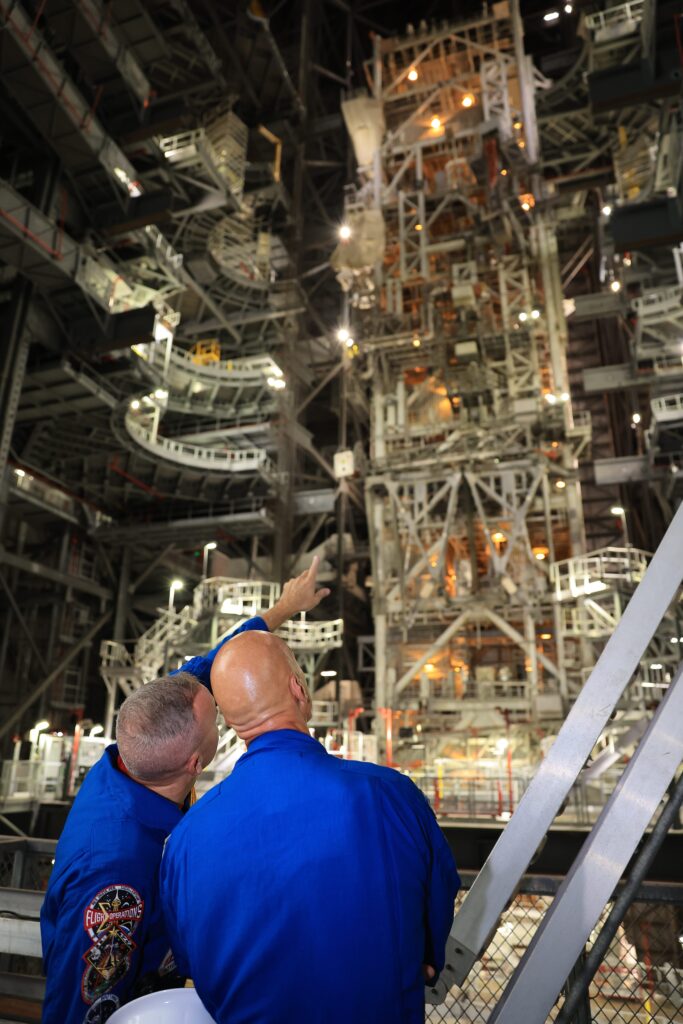
NASA celebrates Hubble’s 36th anniversary with a new image of the Trifid Nebula, a star-forming region it first captured in 1997. The telescope leveraged almost its full operational lifetime to show us changes in the nebula on human time scales with an improved camera. Courtesy of NASA Image of the Day

Scientists have found that young stellar cousins of our Sun are calming down and dimming more quickly in their X-ray output than previously thought, according to a study using NASA’s Chandra X-ray Observatory. Courtesy of NASA Image of the Day
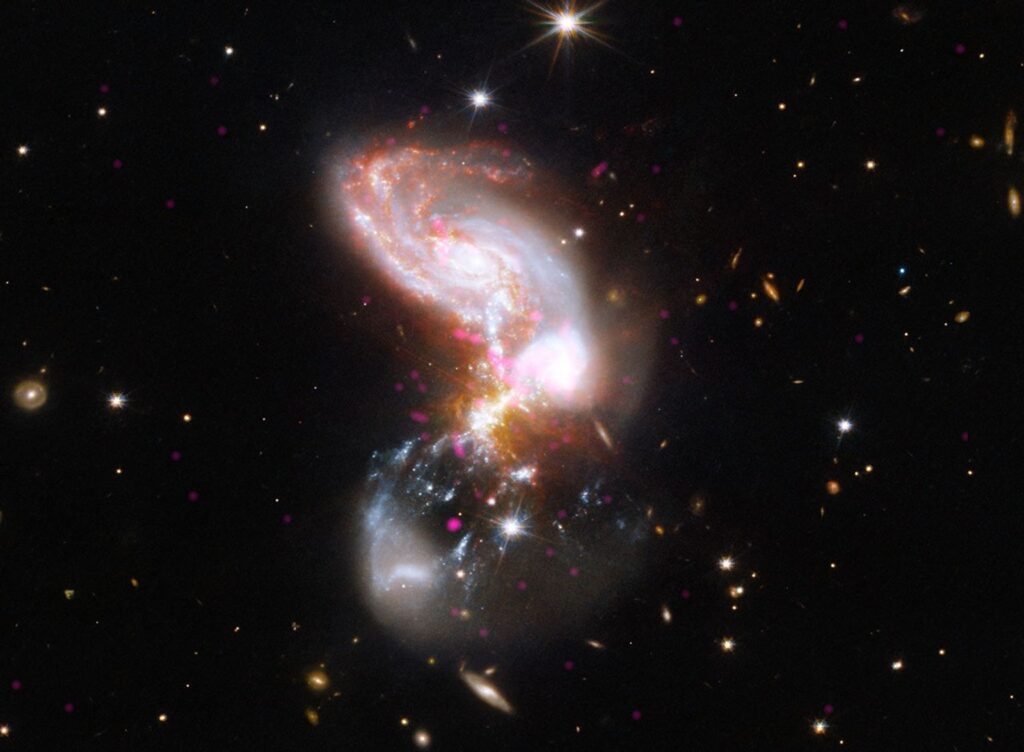
This image, released in celebration of Earth Day, shows the terminator – the line between night and day – on Earth. The Artemis II astronauts captured this view on April 2, 2026, during their journey to the Moon. Courtesy of NASA Image of the Day
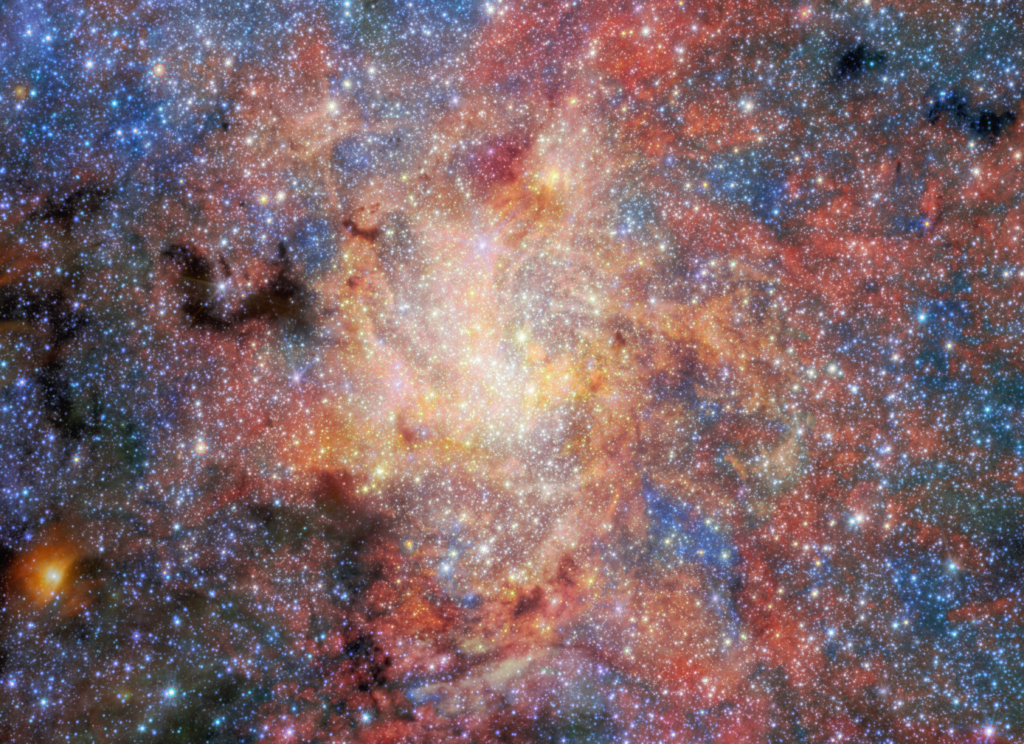
This image that NASA’s Hubble Space Telescope captured of the Crab Nebula, paired with its past observations and those of other telescopes, allows astronomers to study how the supernova remnant is expanding and evolving over time. Courtesy of NASA Image of the Day
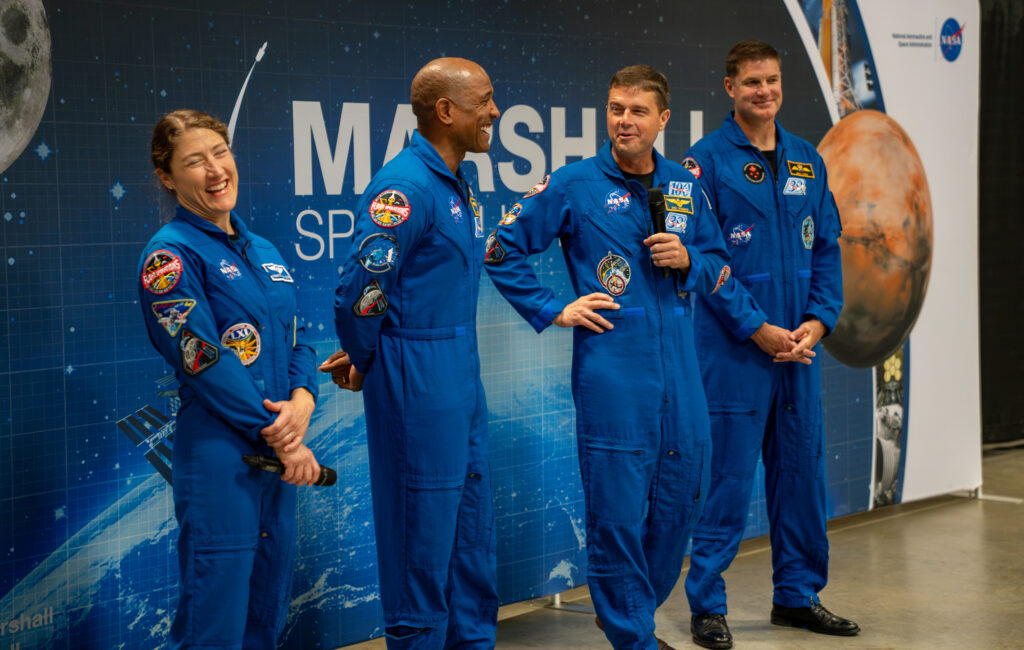
NASA’s X-59 quiet supersonic research aircraft flies over the Mojave Desert in California on April 14, 2026. Courtesy of NASA Image of the Day
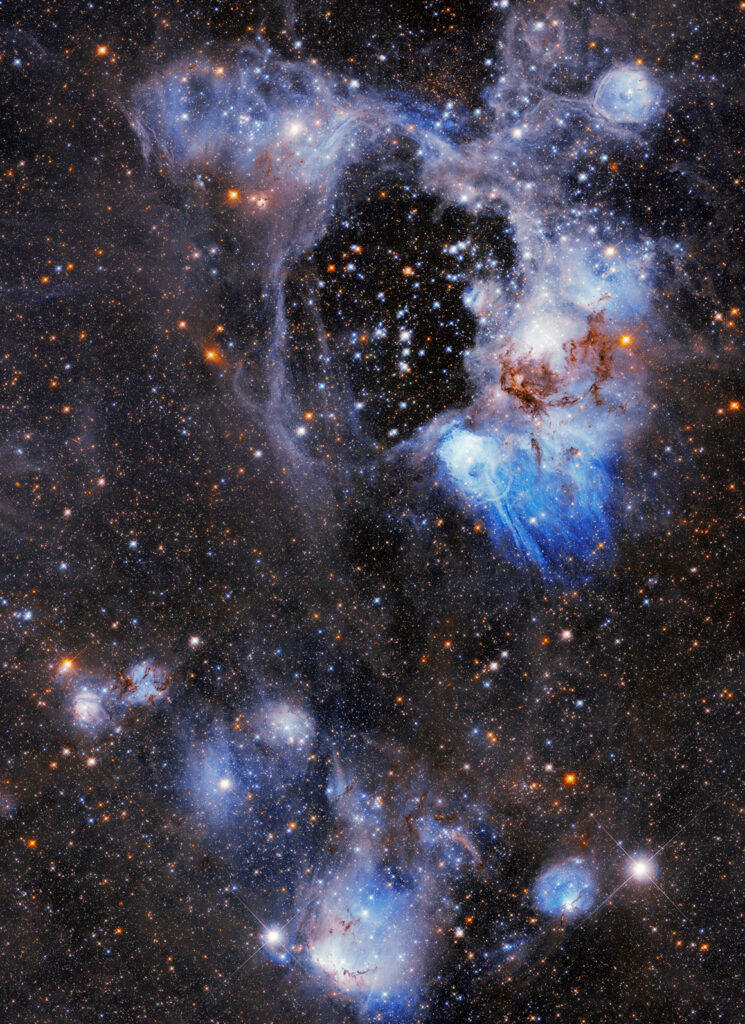
An observation made by NASA’s SPHEREx mission reveals vast frozen complexes in the Cygnus X star-forming region of the Milky Way galaxy. The chemical signature of water ice is shown as bright blue structures, while polycyclic aromatic hydrocarbons are in orange. Courtesy of NASA Image of the Day
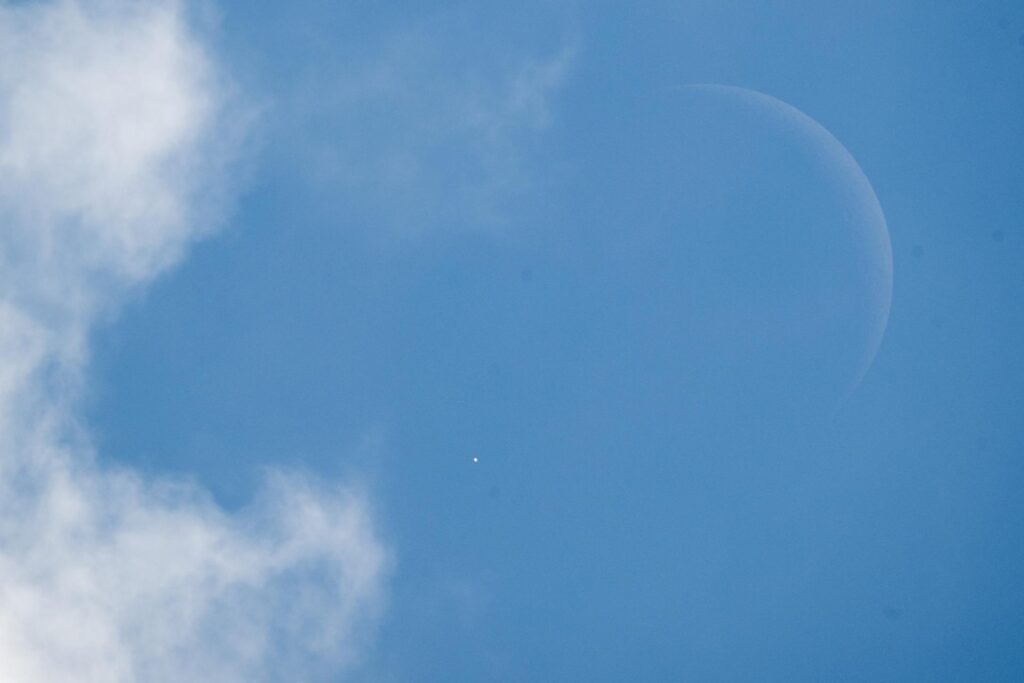
A portion of the Moon’s far side is seen along the terminator—the boundary between lunar day and night—where low-angle sunlight casts long shadows across the surface. Courtesy of NASA Image of the Day