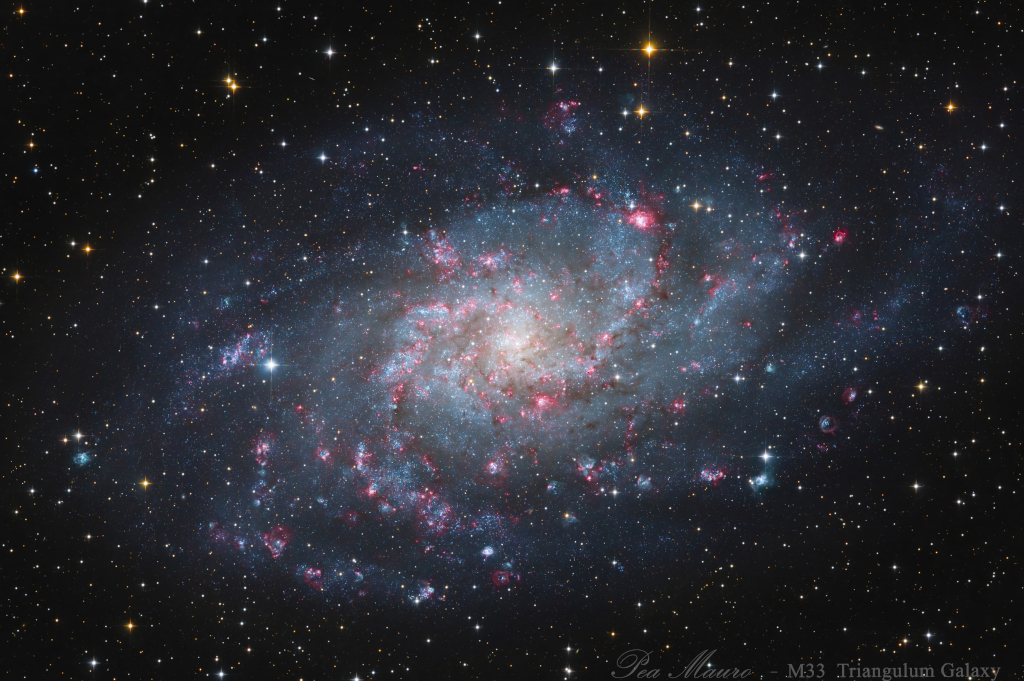
Hydrogen Clouds of M33
…red glow. In this image, broadband data were combined with narrowband data recorded through a filter that transmits the light of the strongest visible hydrogen and oxygen emission lines. Courtesy…
…red glow. In this image, broadband data were combined with narrowband data recorded through a filter that transmits the light of the strongest visible hydrogen and oxygen emission lines. Courtesy…
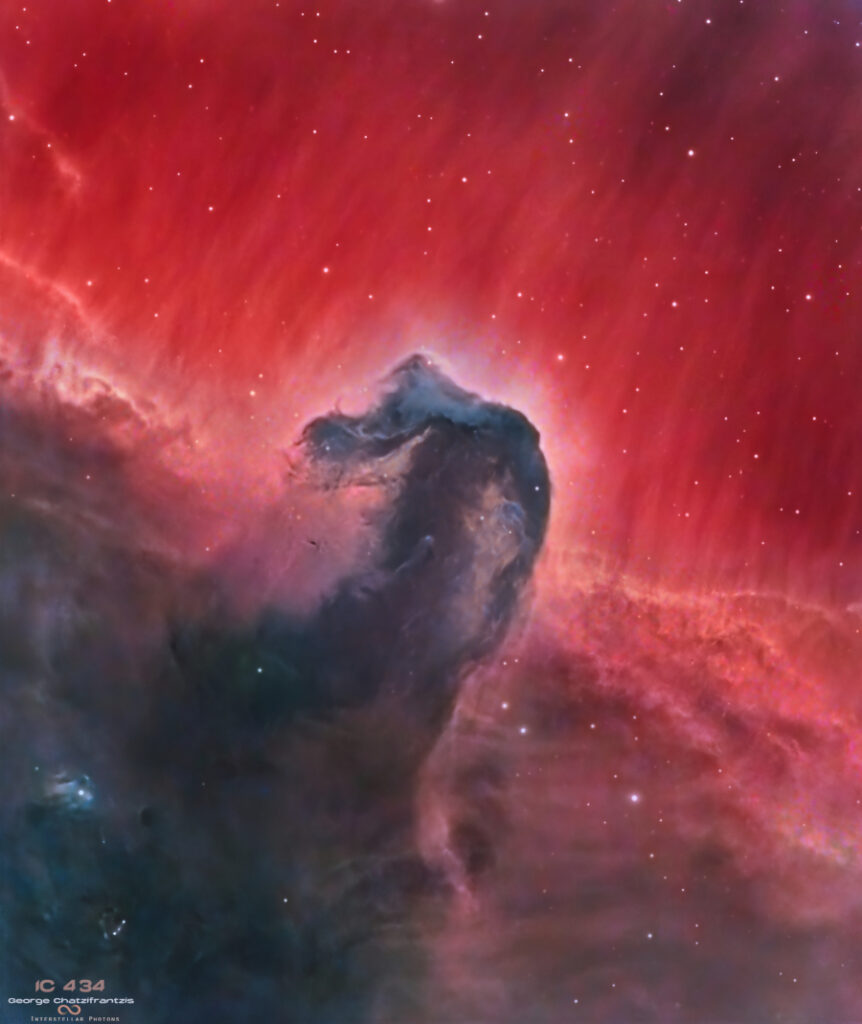
…lies some 1,500 light-years distant, embedded in the vast Orion cloud complex. About five light-years “tall,” the dark cloud is cataloged as Barnard 33, first identified on a photographic plate…
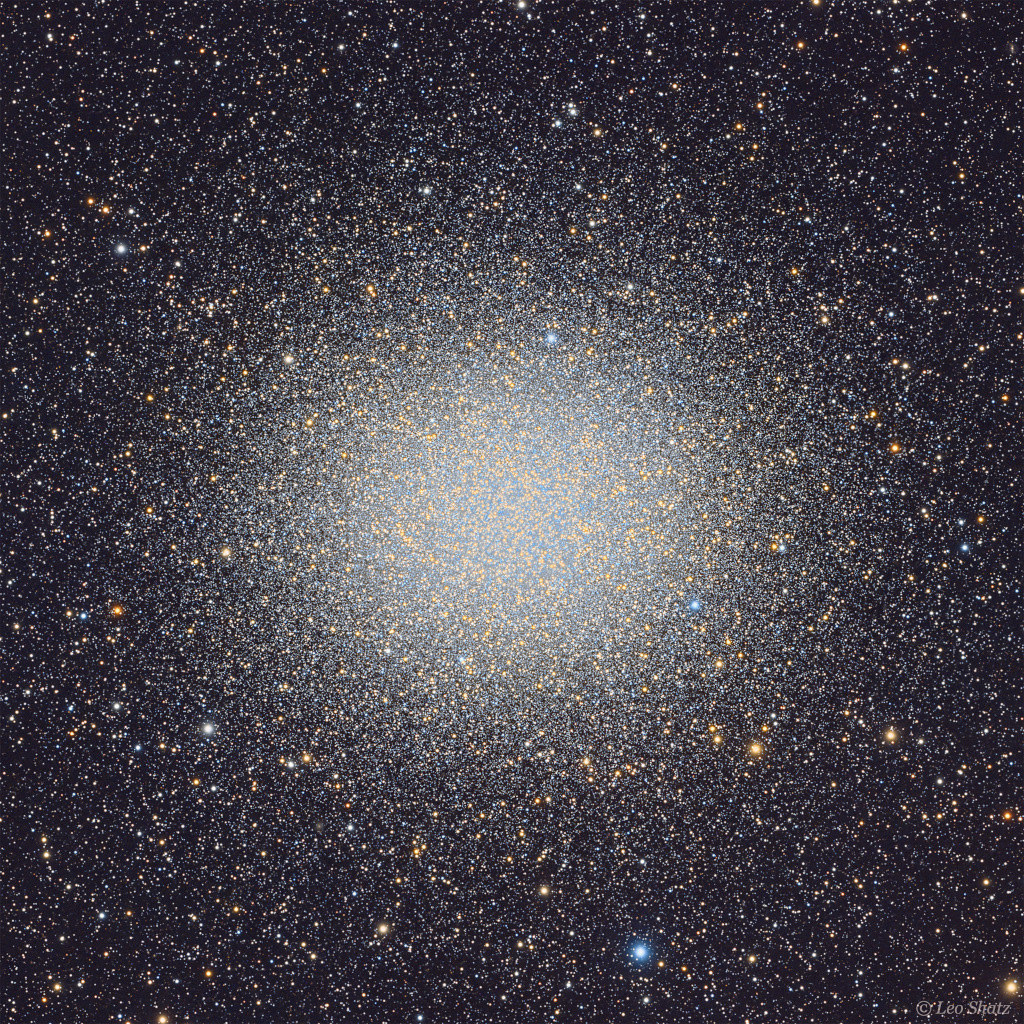
…star clusters consist of stars with the same age and composition, the enigmatic Omega Cen exhibits the presence of different stellar populations with a spread of ages and chemical abundances….
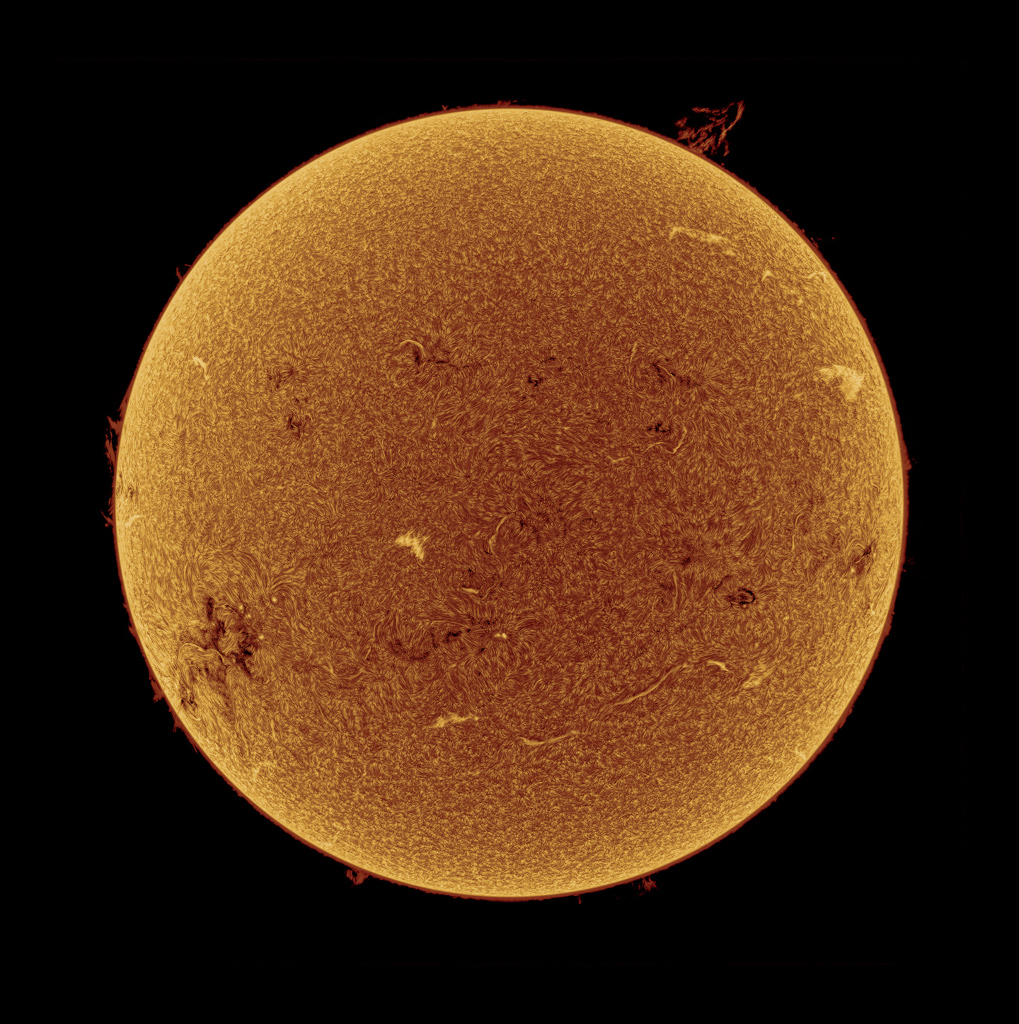
…Sun is called perihelion. This year perihelion is today, January 4, at 13:28 UTC, with the Earth about 147 million kilometers from the Sun. For comparison, at aphelion on last…
…ISS conduct, among more practical duties, numerous science experiments that expand human knowledge and enable future commercial industry in low Earth orbit. Courtesy of NASA Astronomy Picture of the Day…
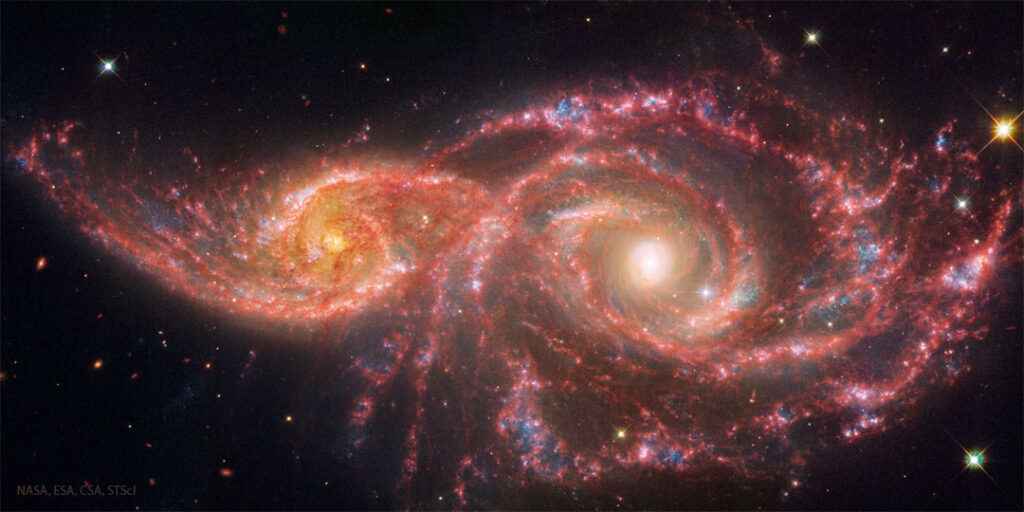
…tides of matter, sheets of shocked gas, lanes of dark dust, bursts of star formation, and streams of cast-away stars. The featured image in scientifically assigned colors is a composite…
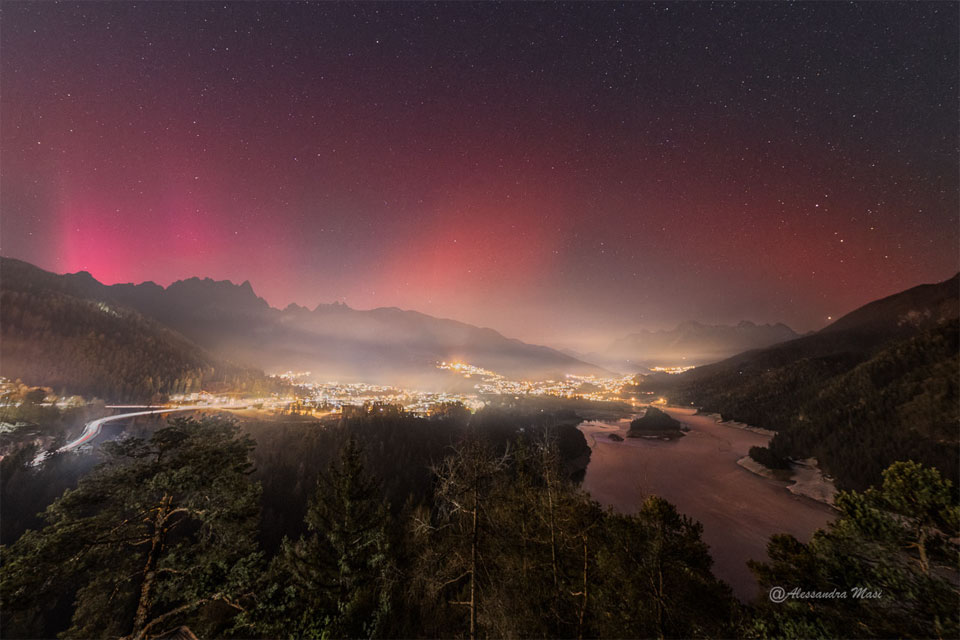
…on January 1, a place a few days before its closest approach to the Sun. The first of the two red skyglows, on the left, was a red aurora, complete…
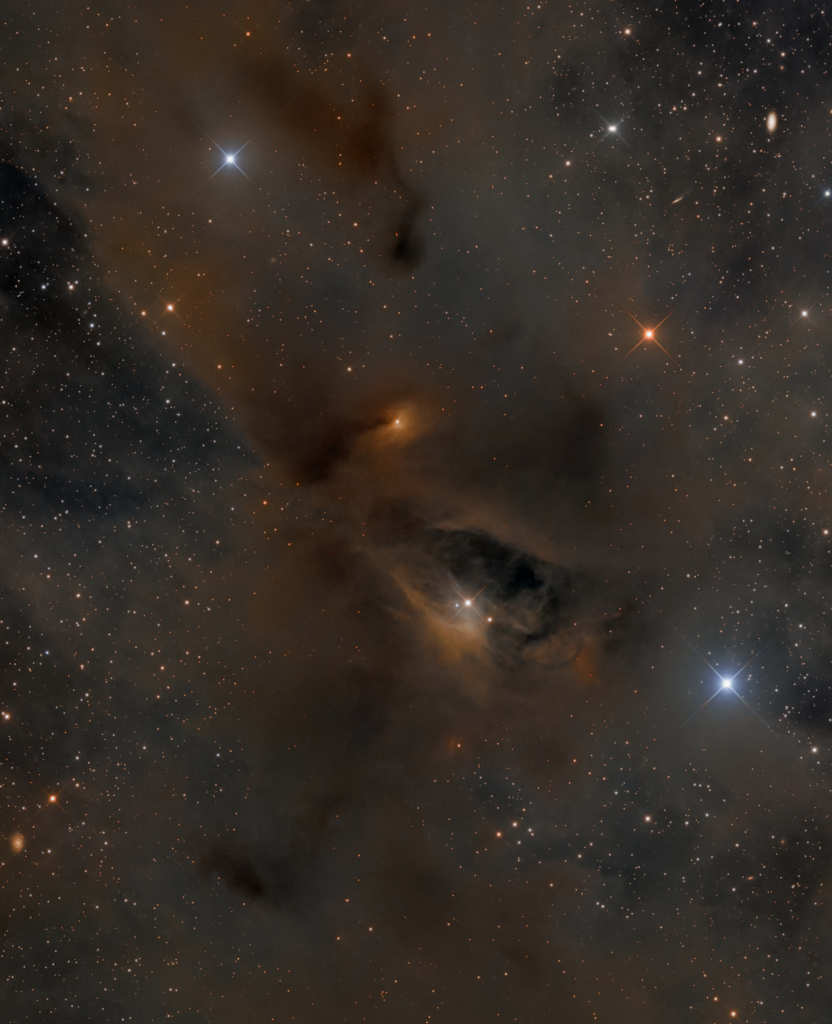
…Taurus molecular cloud complex some 450 light-years away. Millions of years young and still going through stellar adolescence, the stars are variable in brightness and in the late phases of…
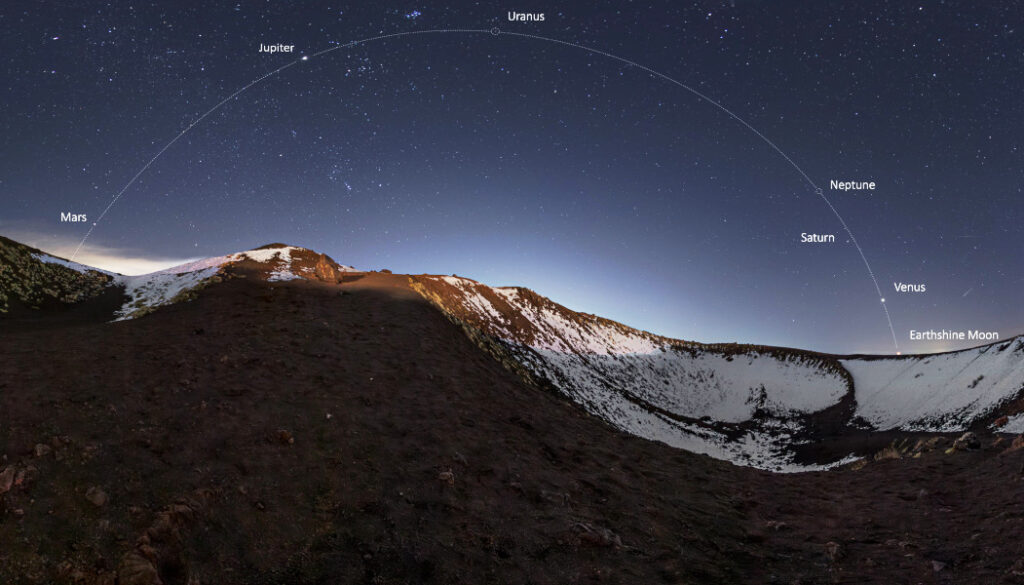
…composite panorama captured on 2 January, planet Earth is represented by Mount Etna’s lower Silvestri Crater. Of course Earth’s early evening skies are full of planets for the entire month…
…two hours after arriving, Huygens plummeted toward Titan’s surface, recording at first only the shrouded moon’s opaque atmosphere. The computerized truck-tire sized probe soon deployed a parachute to slow its…
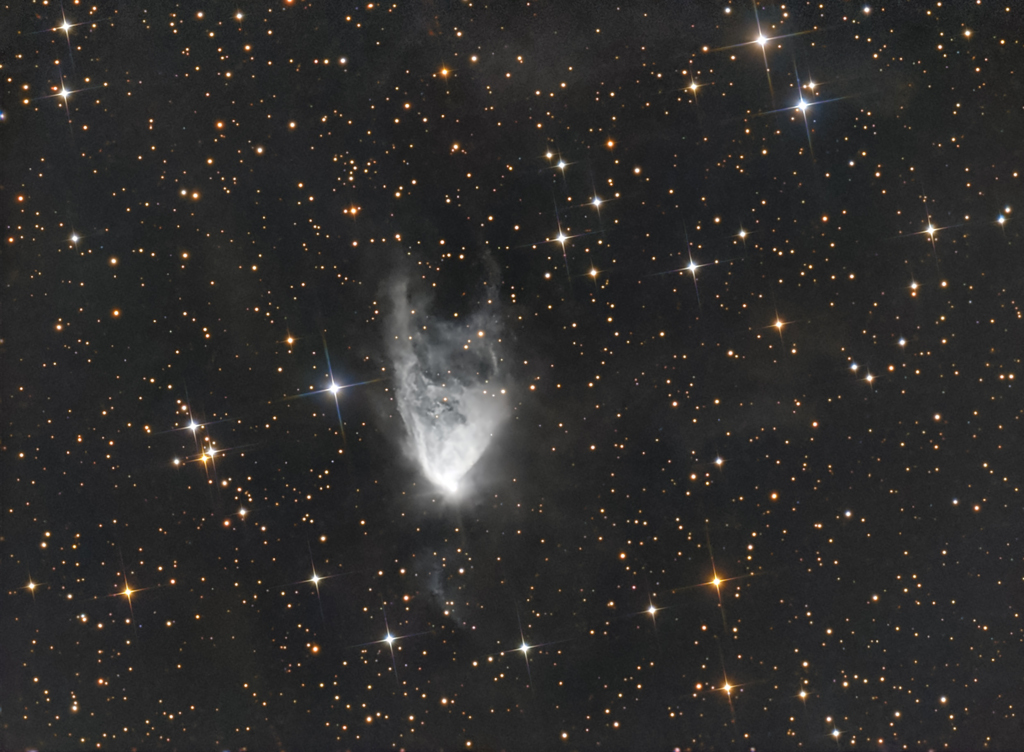
…vary? NGC 2261 is composed of a dusty reflection nebula fanning out from the star R Monocerotis. The leading variability explanation holds that dense knots of obscuring dust pass close…
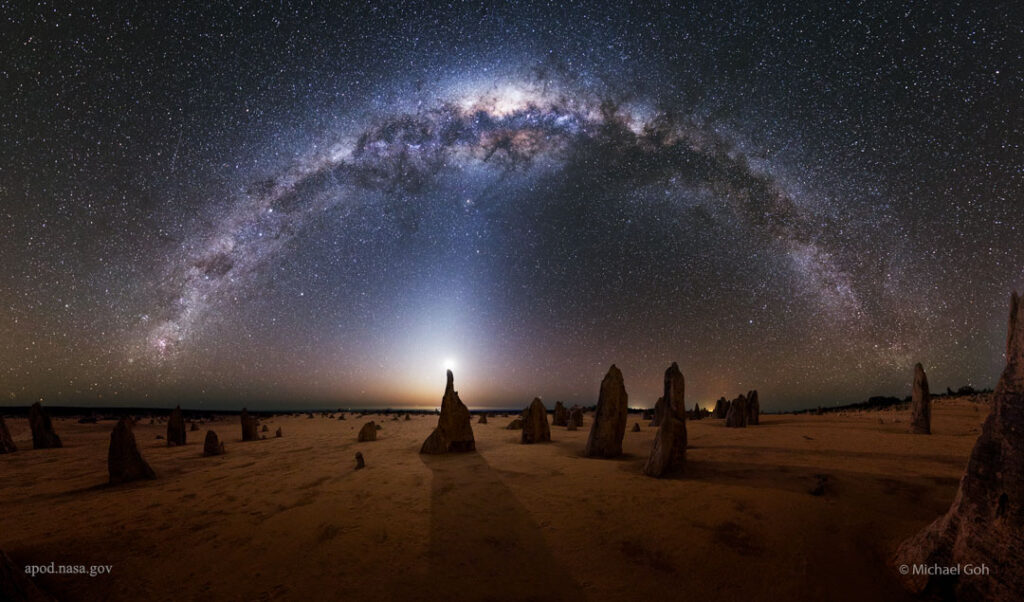
…of our Milky Way Galaxy. Many famous stars and nebulas are also visible in the background night sky. The featured 29-panel panorama was taken and composed in 2015 September after…
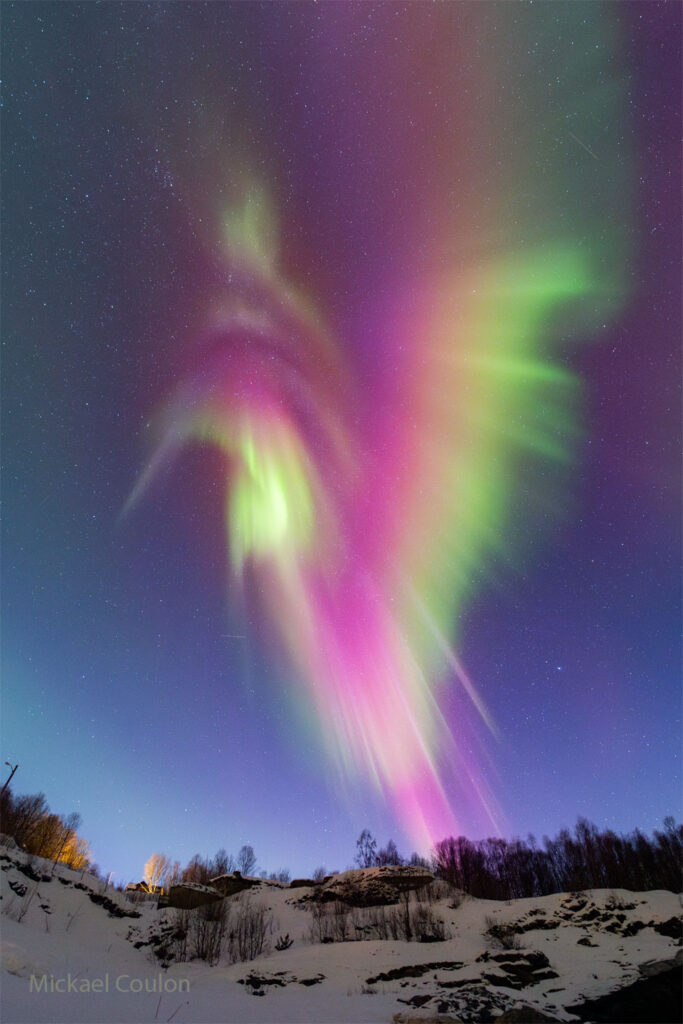
Copyright: Mickael Coulon Is this the largest hummingbird ever? Although it may look like a popular fluttering nectarivore, what is pictured is actually a beautifully detailed and colorful aurora, complete…
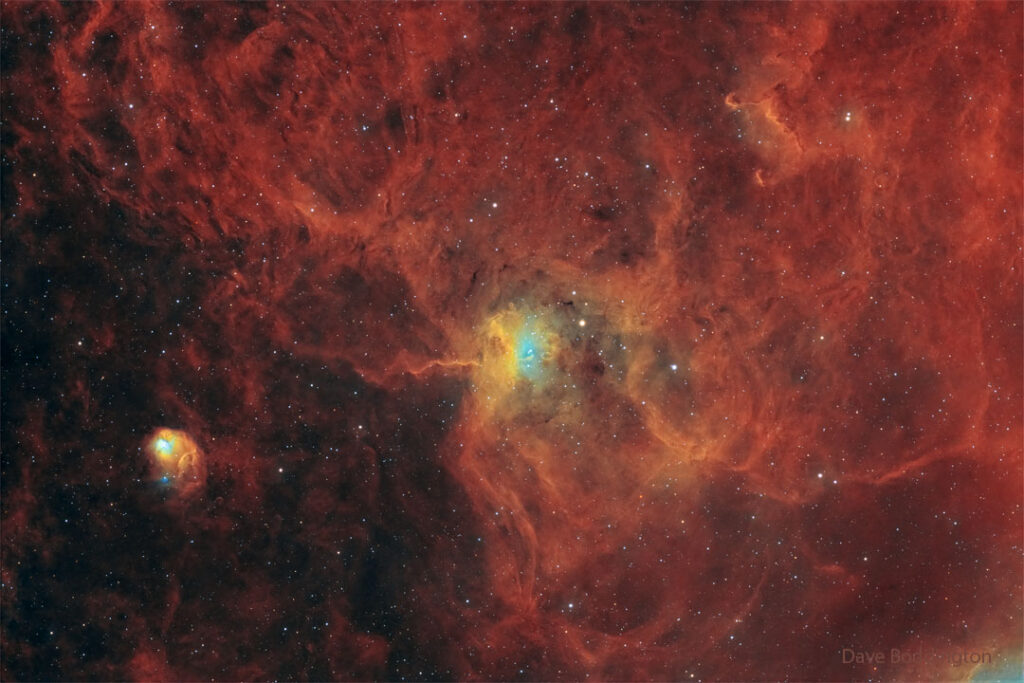
…reflection nebula. About 10,000 light-years distant, both nebulas harbor young star clusters. For scale, the more compact NGC 1931 (Fly) is about 10 light-years across. The featured deep image, captured…

A NASA Pilatus PC-12 aircraft will now be based at NASA’s Armstrong Flight Research Center in Edwards, California, in order to support flight research efforts across the agency. The PC-12…
