
Rocket Launch Delays Explained: What They Are, Causes, and How They Are Resolved
Last updated: September 30, 2026.
Rocket launch delays explained—they are a routine yet critical part of modern spaceflight. In the exhilarating world of space exploration, rocket launches are among the most anticipated events. They captivate audiences around the world and mark many significant milestones in science, technology, and human achievement. However, not every launch goes off exactly as planned. Rocket launch delays are a common—and sometimes necessary—part of spaceflight. While rocket launch delays can be disappointing, they are often essential for ensuring the success of a mission and the safety of all parties involved, both crew and equipment. This article explores what rocket launch delays are, the various plausible reasons behind them, historical examples, and how engineers and mission planners work diligently to resolve these issues.
This article provides rocket launch delays explained, covering what they are, why they happen, real-world examples, and how space agencies resolve them safely.
What Rocket Launch Delays Are and Why They Happen
A rocket launch delay refers to the postponement or rescheduling of a planned rocket launch due to a wide range of potential causes. These delays can often span the course of a couple of minutes, to days, months, and even years, depending on the complexity of the complications involved. From last-minute weather changes to intricate engineering problems, there are many variables that must align perfectly in order to ensure a successful and safe liftoff. Rocket launch delays are not uncommon in the aerospace industry and are generally a result of strategic and informed decision-making. These decisions aim to protect human lives, valuable payload, and preserve long-term missions. The smallest miscalculation can lead to a catastrophic mission failure, making thorough checks and cautious delays a vital part of the whole launch process.
Delays can be categorized into two main types:
- Short-term delays: These shorter delays generally occur within 24-48 hours of the scheduled launch and are often due to sudden changes in weather, last-minute anomalies, or various safety violations. Depending on the severity of the anomaly or safety violation, the rocket can usually attempt a second launch within a few days of the postponement.
- Long-term delays: These longer delays can be stretched out over the span of weeks, months, and even years. They are often caused by systemic issues like a major hardware redesign or malfunction, shifting in policies, funding issues, or even obstacles with international collaboration.
From a more operational viewpoint, each and every launch provider, whether a government agency like NASA or ESA or a private company like SpaceX, has established protocols for assessing risk levels, troubleshooting complications, and determining whether a delay is warranted. Ultimately, the main objective of any delay is to launch under the safest and most favorable conditions possible.
Common Causes Behind Rocket Launch Delays
There are several factors that can lead to a rocket launch being delayed, including:
- Weather Conditions: Especially in Florida, weather is one of the most common causes of short-term rocket launch delays. High winds, thick cloud coverage, lightning, and even rough upper-atmospheric conditions can all pose a threat to the launch vehicle and the cargo it is carrying. NASA and other space agencies have strict and specific weather guidelines that must be met in order to proceed with a launch. For example, sustained winds must be lower than 30 mph, there must be no precipitation at the launch pad or within the flight path, and chance of lightning can be no more than 20 percent.
- Technical Issues: Mechanical failure or anomalies in rocket and spacecraft systems are another leading cause of delays. These could include anything from a fuel leak to software glitches or even malfunctioning sensors. Even a minor issue, if not addressed, can lead to catastrophic results, making the technical aspect of a rocket launch all the more important.
- Range Safety: The range refers to the physical area where the launch and trajectory path occurs. If the range is not clear, whether due to other aircraft, intrusions, or ships, the launch must be delayed to avoid potential collision. Additionally, the range safety systems must be fully operational before proceeding with launch.
- Payload Readiness: Another key aspect is payload readiness. Essentially, sometimes the rocket is ready, but the payload is not. This can involve delays in satellite preparation, issues with scientific instruments, or coordination problems with international partners.
- Supply Chain and Logistical Problems: Rocket components are often sourced from multiple countries and manufacturers. Any delays in production or shipping can ripple through the launch schedule.
- Regulatory and Policy Issues: Government regulations, export controls, or geopolitical concerns can also cause delays. For instance, a change in international relations might impact collaborative missions or satellite launches
Historical Examples
Throughout the history of spaceflight, there have been numerous high-profile rocket launch delays. Here are a few notable examples:
- Apollo 13 (1970): While Apollo 13 is best known for its in-flight emergency, earlier Apollo missions, including Apollo 12 and 13, experienced pre-launch delays due to technical problems. Apollo 13 faced delays during final pre-launch testing as engineers discovered issues with the liquid oxygen tank, which was ultimately the source of the mid-mission failure. Despite these challenges, NASA’s responsive troubleshooting and contingency planning helped bring the crew home safely.
- James Webb Space Telescope (2021): The James Webb Space Telescope, one of the most ambitious space observatories ever built, experienced more than 14 years of delays. Originally slated for launch in 2007, it was repeatedly delayed due to engineering challenges, component failures, budget overruns, and issues with integration. The COVID-19 pandemic further pushed back the schedule. Finally, after countless reviews and rework phases, the telescope successfully launched aboard an Ariane 5 rocket on December 25, 2021. Today, it provides some of the most groundbreaking imagery and data ever recorded regarding the early universe.
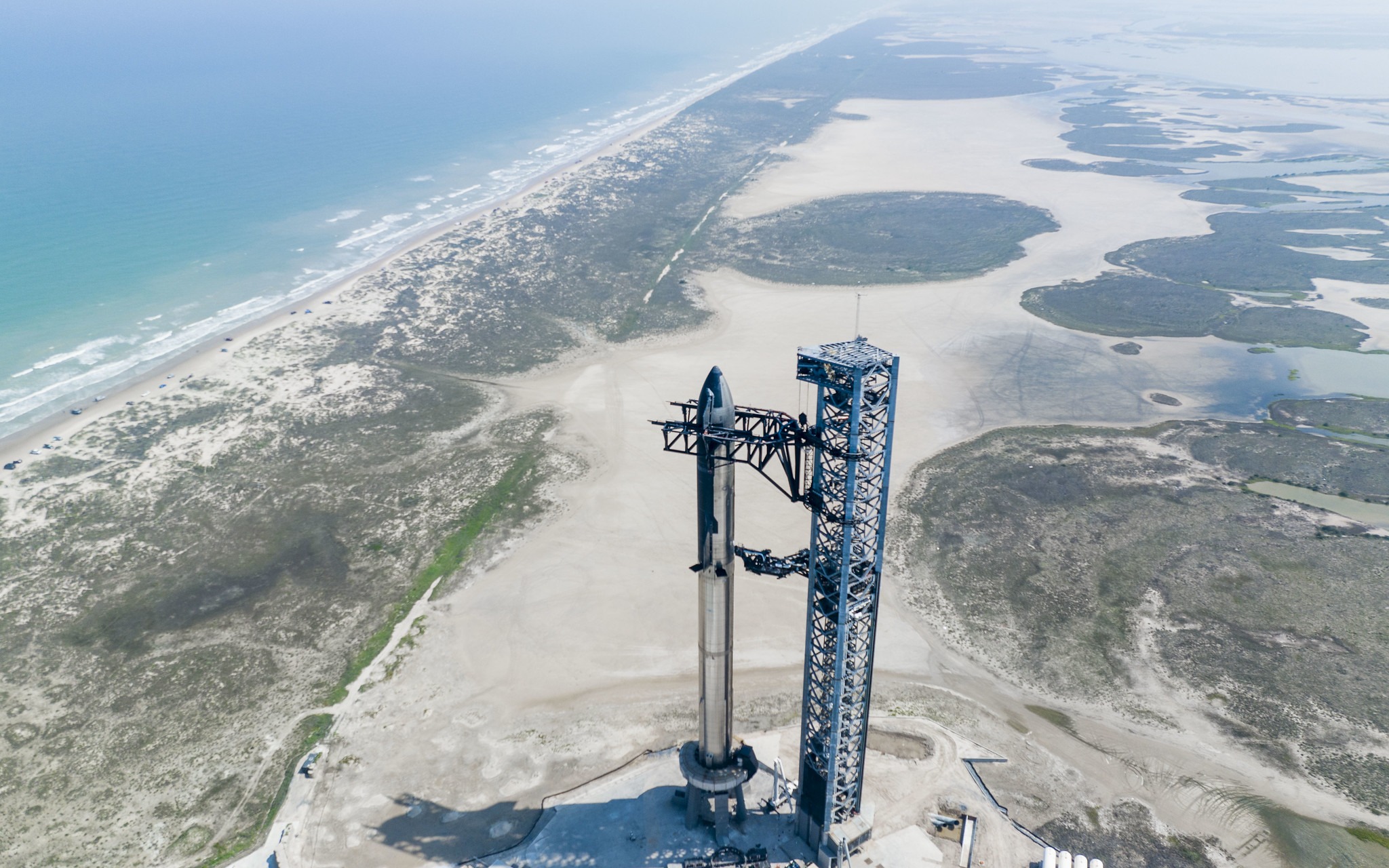
- SpaceX Starship: SpaceX’s Starship program, designed to carry humans to the Moon and Mars, has encountered a series of delays since its inception. These delays have stemmed from regulatory approvals from the FAA, repeated vehicle explosions during test flights, and design changes to improve safety and performance. The first successful full-stack Starship orbital launch was significantly delayed due to the need for launch pad reinforcements and environmental assessments. Despite these challenges, SpaceX continues to make rapid progress with each test flight.
- Artemis I (2022): The Artemis I mission, a cornerstone of NASA’s Artemis program to return humans to the Moon, was originally planned for 2021 but launched in November 2022. Delays were attributed to engine cooling system anomalies, hydrogen fuel leaks, and Hurricane Ian disrupting launch preparations. These delays underscored the difficulty of launching the Space Launch System (SLS), NASA’s most powerful rocket to date. The mission eventually flew successfully, paving the way for future crewed Artemis missions.
How Rocket Launch Delays Are Resolved
When a rocket launch is delayed, a detailed and structured resolution process begins to diagnose the issue, apply corrections, and ensure the mission can proceed safely and successfully. Here’s how launch providers typically address rocket launch delays:
- Problem Identification: The first step is to determine the root cause of the delay. This involves analyzing telemetry data, running diagnostics, and consulting with experts. Timely and accurate diagnosis is essential to preventing recurrent issues.
- Mitigation Planning: Once the issue is identified, teams work on solutions. This might involve replacing faulty components, rewriting software code, or recalibrating sensors. In some cases, entire rocket stages or payloads must be reworked.
- Testing and Verification: Every fix undergoes rigorous testing to confirm it solves the identified problem without introducing new risks. This may include full system tests, subsystem verifications, integration rehearsals, and sometimes wet dress rehearsals or static fire tests. Testing protocols are especially stringent when human lives are involved.
- Rescheduling and Coordination: After technical clearance, a new launch date is coordinated. This involves calculating orbital mechanics, aligning with international partners, and securing range availability. Agencies consider mission-specific constraints such as planetary alignment, solar conditions, and station docking opportunities before locking in a new launch window.
- Public Communication: Maintaining transparency with the public and stakeholders is vital. Agencies and companies provide real-time updates through social media, press briefings, and mission blogs. Communicating the reason for a delay, the expected timeline, and corrective actions builds trust and keeps public interest engaged.
Why Flexibility Matters When Rocket Launches Are Delayed
Rocket launch delays involve complex systems and countless variables. As such, flexibility is built into every launch schedule. Backup launch windows, contingency plans, and rapid-response engineering teams are all part of ensuring that delays do not derail the entire mission.
In recent years, commercial space companies like SpaceX and Rocket Lab have improved responsiveness by streamlining manufacturing and increasing launch cadence. Still, delays remain a normal part of space operations.
Rocket launch delays are not failures—they are signs of a safety-first, precision-driven approach to space exploration. Whether due to weather, technical malfunctions, or logistical hurdles, delays ensure missions proceed under the best possible conditions. Historic examples like the James Webb Space Telescope and Artemis I show that while delays may test patience, they often lead to more successful and groundbreaking missions.
As space becomes more accessible and commercialized, managing and communicating delays effectively will remain a crucial part of launch operations. Ultimately, every delay is a reminder that in spaceflight, precision, safety, and preparation always come first.
View the always up-to-date rocket launch schedule!
Rocket Launch Delays: Why They Happen & How They Are Resolved FAQ
Why do rocket launches get delayed or scrubbed?
A rocket launch is delayed — or “scrubbed” for the day — whenever weather, technical issues, or range safety concerns threaten the mission. Launch teams would rather stand down and protect the vehicle, payload, and people on the ground than push ahead through marginal conditions. Delays are a routine, built-in part of spaceflight, not a sign of failure. Check today’s status on our launch schedule.
What is the most common cause of rocket launch delays?
Weather is the leading cause of launch delays, including lightning, strong upper-level winds, thick clouds, and precipitation that could damage the vehicle or interfere with tracking. Technical issues — such as a faulty sensor, a valve problem, or a software glitch — are the second most frequent culprit, followed by range safety concerns like boats or aircraft entering restricted airspace. You can find the current weather outlook for upcoming flights on our launch schedule.
What is the difference between a launch hold and a launch scrub?
A “hold” is a planned or unplanned pause in the countdown that keeps the launch attempt alive — built-in holds are actually scheduled into many countdowns so teams can catch up on checks. A “scrub” means the launch attempt is called off entirely for the day and rescheduled to a later date, usually because the issue cannot be resolved within the available launch window. Follow live countdown updates on our live streams.
How long can a rocket launch be delayed?
Delays can range from a few minutes — a short hold to wait out a passing cloud — to days, months, or even years for complex technical problems. Famous examples include NASA’s Artemis I, which scrubbed multiple attempts before flying in 2022, and the James Webb Space Telescope, which endured years of delays before its successful 2021 launch. See both missions on their Artemis I and JWST mission pages.
How do I find out if a rocket launch has been delayed?
The fastest way is to check our 2026 launch schedule, which is updated as launch providers announce new target dates and times. On launch day, our live rocket launch streams carry real-time countdown commentary, so you’ll know immediately if a hold or scrub is called.