
ULA Amazon Leo (LV-01) Vulcan VC6L
Trajectory
Trajectory profiles are typically finalized by the range a week prior to launch. Check back here for the trajectory and launch visibility map as the launch window approaches.
Learn more about rocket launch trajectories (opens in a new tab)
About the Amazon Leo (LV-01) Mission
| Type | Communications |
|---|---|
| Orbit | Low Earth Orbit |
Amazon Leo, formerly known as Project Kuiper, is a mega constellation of satellites in Low Earth Orbit that will offer broadband internet access, this constellation will be managed by Kuiper Systems LLC, a subsidiary of Amazon. This constellation is planned to be composed of 3,276 satellites. The satellites are projected to be placed in 98 orbital planes in three orbital layers, one at 590 km, 610 km and 630 km altitude.
45 satellites will be carried on each Vulcan launch.
This mission supports Amazon Leo, a satellite internet constellation competing with Starlink to provide global broadband coverage. Amazon Leo aims to deploy thousands of satellites in low Earth orbit to deliver fast, affordable internet service to unserved and underserved communities around the world.
Learn about Amazon Leo satellite internet constellation (opens in a new tab)
Launch Pad & Location
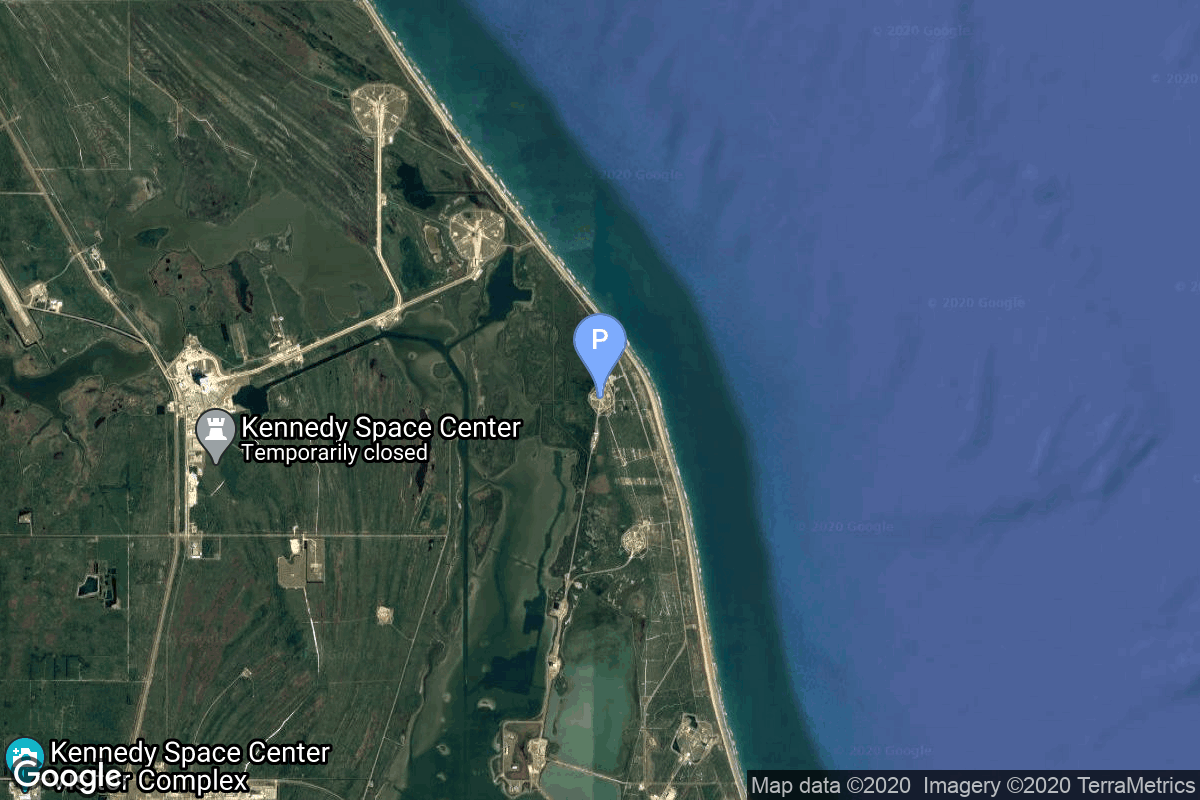
Space Launch Complex 41
Cape Canaveral SFS, FL, USA
| Launches | 125 |
|---|---|
| Orbital Launch Attempts | 125 |
| Total Launches | 1132 |
Cape Canaveral Space Force Station (CCSFS) is an installation of the United States Space Force's Space Launch Delta 45, located on Cape Canaveral in Brevard County, Florida.
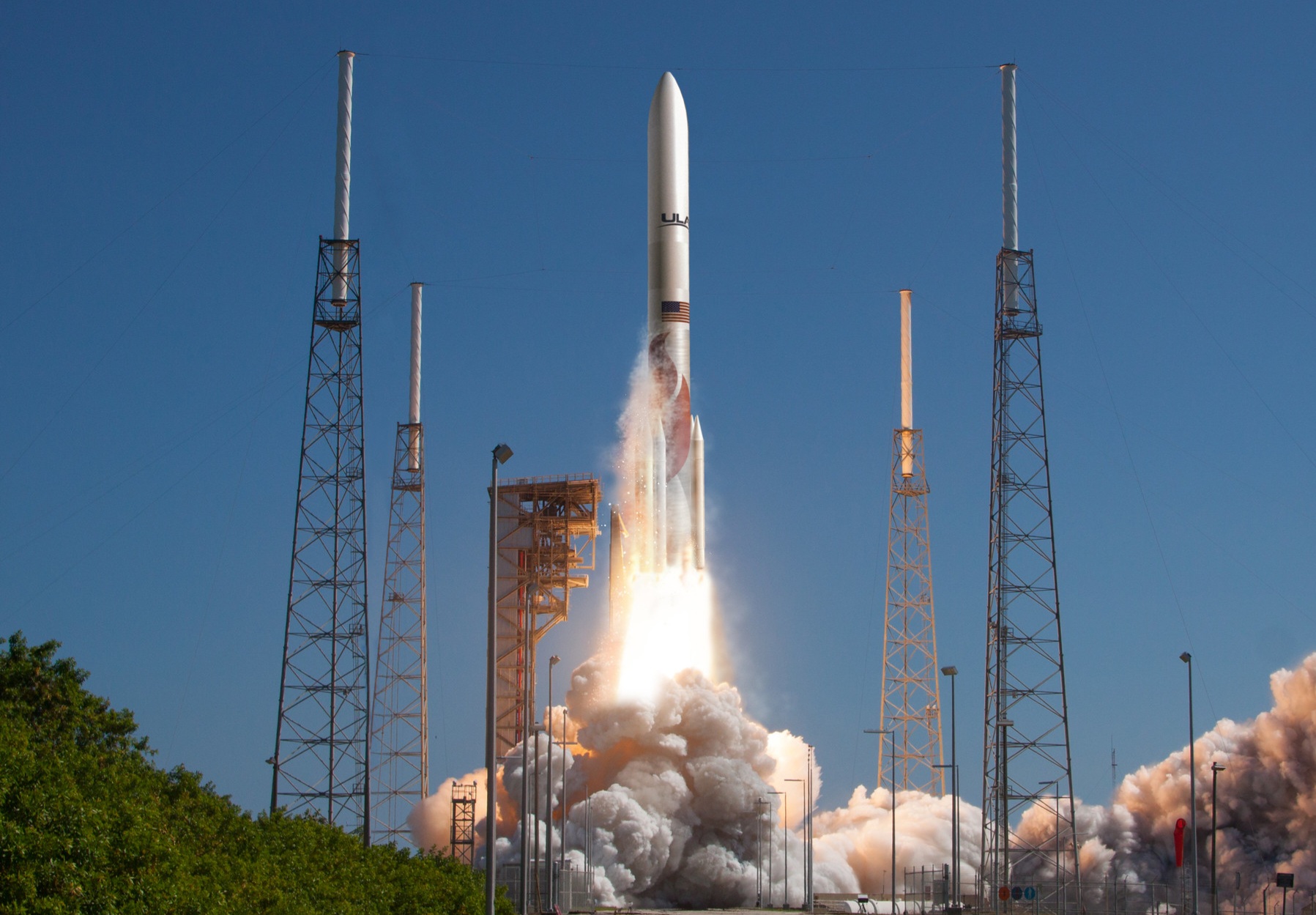
ULA Vulcan VC6L Rocket
Vulcan Centaur is a two-stage-to-orbit, heavy-lift launch vehicle under development by United Launch Alliance (ULA) since 2014. It is principally designed to meet launch demands for the U.S. government's National Security Space Launch (NSSL) program for use by the United States Space Force and U.S. intelligence agencies for national security satellite launches. It will replace both of ULA's existing launchers (Atlas V and Delta IV Heavy) in this role, as these launchers are retiring.
| Length | 67.4 m |
|---|---|
| Diameter | 5.4 m |
| Stages | 2 |
| Launch Mass | 877.0 T |
| Takeoff Thrust | 18,110.0 kN |
| LEO Capacity | 27,200 kg |
| GTO Capacity | 15,300 kg |
| GEO Capacity | 7,000 kg |
| SSO Capacity | 23,900 kg |
About ULA
United Launch Alliance (ULA) is a joint venture of Lockheed Martin Space Systems and Boeing Defense, Space & Security. ULA was formed in December 2006 by combining the teams at these companies which provide spacecraft launch services to the government of the United States. ULA launches from both coasts of the US. They launch their Atlas V vehicle from LC-41 in Cape Canaveral and LC-3E at Vandeberg. Their Delta IV launches from LC-37 at Cape Canaveral and LC-6 at Vandenberg.
| Total Launches | 175 |
|---|---|
| Successful | 175 |
| Pending | 72 |
| Consecutive Success | 175 |

Frequently Asked Questions
When is the ULA Vulcan VC6L Amazon Leo (LV-01) launch scheduled?
The ULA Vulcan VC6L Amazon Leo (LV-01) launch is currently scheduled for:
.
Launch times are subject to change based on weather conditions, technical readiness, and range availability. Check back regularly for the most up-to-date launch time and status updates.
Where is the ULA Vulcan VC6L Amazon Leo (LV-01) mission launching from?
The ULA Vulcan VC6L rocket will launch from Space Launch Complex 41 at Cape Canaveral SFS, FL, USA. Cape Canaveral Space Force Station (CCSFS) is an installation of the United States Space Force's Space Launch Delta 45, located on Cape Canaveral in Brevard County, Florida. For viewing location recommendations and tips, check the launch location details above.
What rocket is being used for the Amazon Leo (LV-01) mission?
The Amazon Leo (LV-01) mission will launch aboard a ULA Vulcan VC6L rocket. Vulcan Centaur is a two-stage-to-orbit, heavy-lift launch vehicle under development by United Launch Alliance (ULA) since 2014. It is principally designed to meet launch demands for the U.S. government's National Security Space Launch (NSSL) program for use by the United States Space Force and U.S. intelligence agencies for national security satellite launches. It will replace both of ULA's existing launchers (Atlas V and Delta IV Heavy) in this role, as these launchers are retiring. Detailed rocket specifications and performance data are available in the rocket details above.
What weather conditions could delay the ULA Vulcan VC6L Amazon Leo (LV-01) launch?
The ULA Vulcan VC6L Amazon Leo (LV-01) launch can be delayed by various weather conditions including lightning within 10 nautical miles, high winds (especially upper-level winds), thick cloud layers, precipitation, and poor visibility. Weather must be favorable at the launch site, downrange landing zones, and abort landing sites. Check the launch weather forecast above for current conditions and probability of favorable weather.
How can I get updates if the ULA Vulcan VC6L Amazon Leo (LV-01) launch is delayed?
This page is updated in real-time with the latest ULA Vulcan VC6L launch status, including any delays or scrubs for the Amazon Leo (LV-01) mission. You can also check our space launch schedule for the most current information. Enable push notifications through our mobile app to receive instant alerts about launch status changes, weather holds, or new launch times. We recommend following official ULA live streams for the most immediate range updates.
Last Updated
Last Updated:
-
NET October 29.
-
NET late Q3.
-
NET Q3.
-
No more ULA (Vulcan) launches for 2025.
-
NET late summer.
-
Added launch.