
Arianespace THEOS-2, TRITON & others Vega
Rocket Launch Video Streams
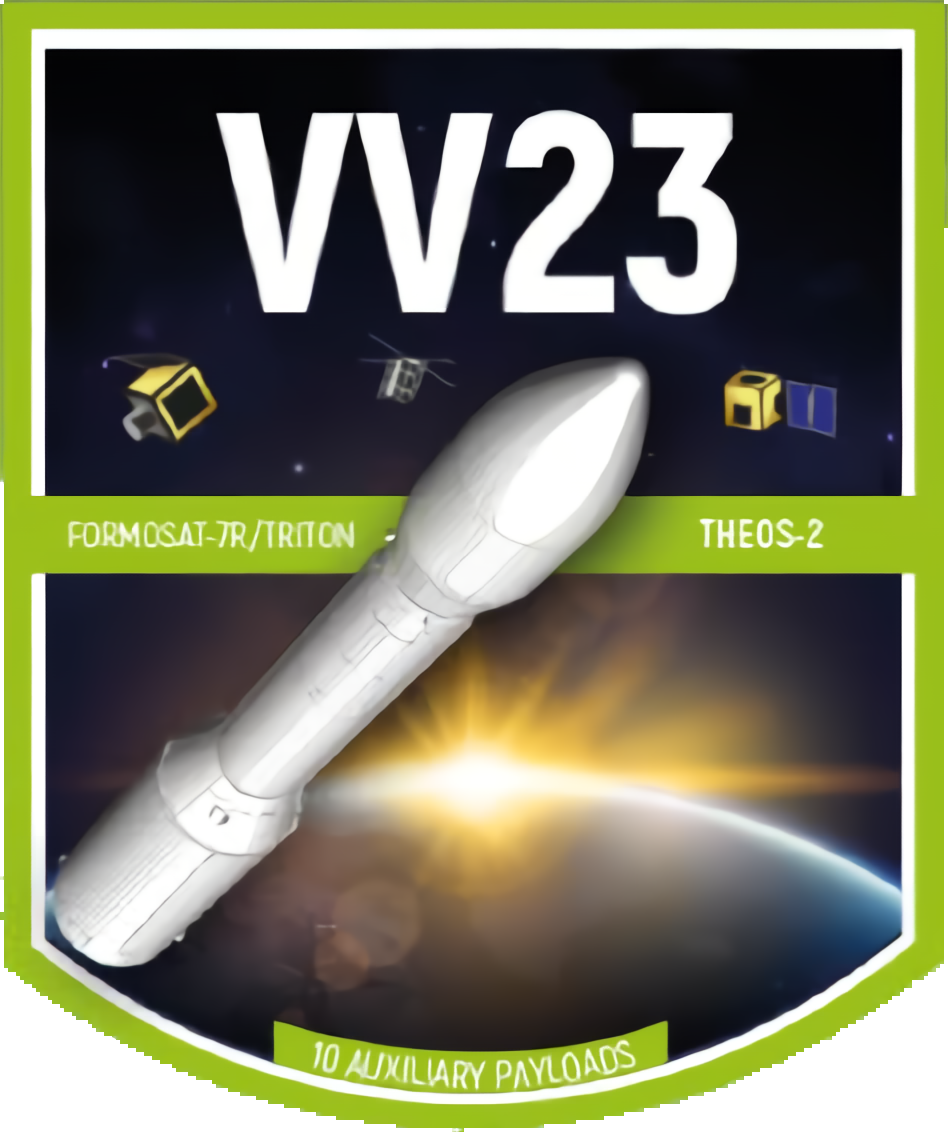
About the THEOS-2, TRITON & others Mission
| Type | Dedicated Rideshare |
|---|---|
| Orbit | Sun-Synchronous Orbit |
| Launch Cost | $37,000,000 |
THEOS-2 is Thailand’s first Earth observation satellite. Built by Airbus Defense and Space and based on the Astrobus-S platform, it is designed for optical measurements with a ground resolution of approximately 1 meter.
TRITON or FORMOSAT-7R is an additional satellite by NSPO added to the joint Taiwanese-US FORMOSAT 7 / COSMIC-2 constellation for collecting atmospheric data for weather prediction and for ionosphere, climate and gravity research. Its GNSS Reflectometry payload can be used to calculate the wind speed over sea surfaces.
Cubesats:
PROBA-V-CC (Project for On-Board Autonomy - Vegetation - Companion CubeSat) (12U) is a mission that will fly a scaled-down version of the vegetation-monitoring instrument aboard the Earth-observing PROBA-V to conduct combined experimental observations with its predecessor.
PRETTY (Passive REflecTomeTry and dosimetrY) (3U) flies a GPS/Galileo signal reflectometer and radiation monitor for Graz University of Technology of Austria.
MACSAT (6U) is an In-orbit demonstration (IoD) missionto demonstrate IoT communication over 5G for OQTech.
CSC-1 and 2 (6U) contains 7 different experimental payloads from various institutions being flown by ISISPACE/ISL.
N3SS (Nanosat 3U pour la Surveillance du Spectre) (3U) is a demonstration system for detecting and
localize radio-frequency jammers on civil spectrum for the French CNES.
ESTCUBE-2 is a technology demonstration mission with multiple scientific payloads for University of Tartu of Estonia.
ANSER LEADER/FOLLOWER 1/2 (Advanced
Nanosatellite Systems for Earth observation Research) is a cluster of 3 Earth observing cubesats with panchromatic and hyperspectral cameras for Spain's INTA for monitoring the quality of inland (reservoirs) water over the Iberian Peninsula.
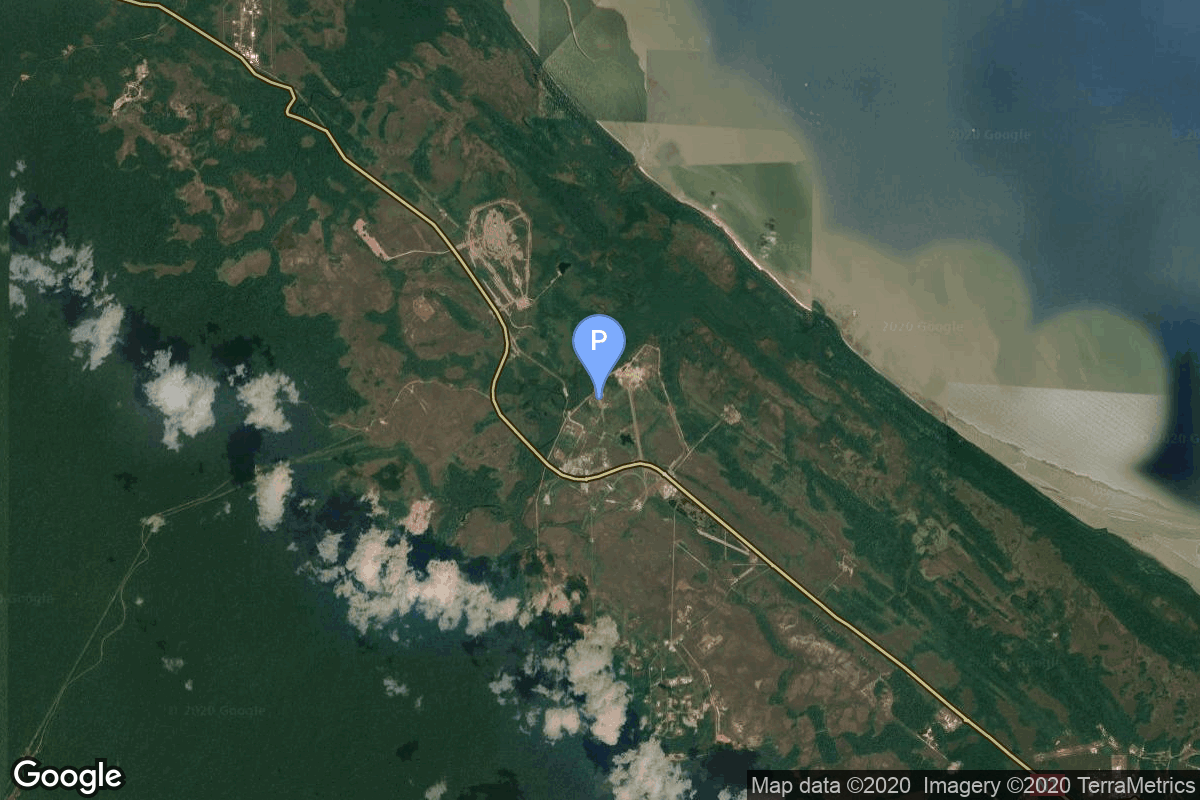
Launch Pad & Location
Ariane Launch Area 1 (ELV)
Guiana Space Centre, French Guiana
| Launches | 55 |
|---|---|
| Orbital Launch Attempts | 55 |
| Total Launches | 333 |
The Guiana Space Centre is a European spaceport to the northwest of Kourou in French Guiana, a region of France in South America. Kourou is located at a latitude of 5°. In operation since 1968, it is a suitable location for a spaceport because of its equatorial location and open sea to the east.
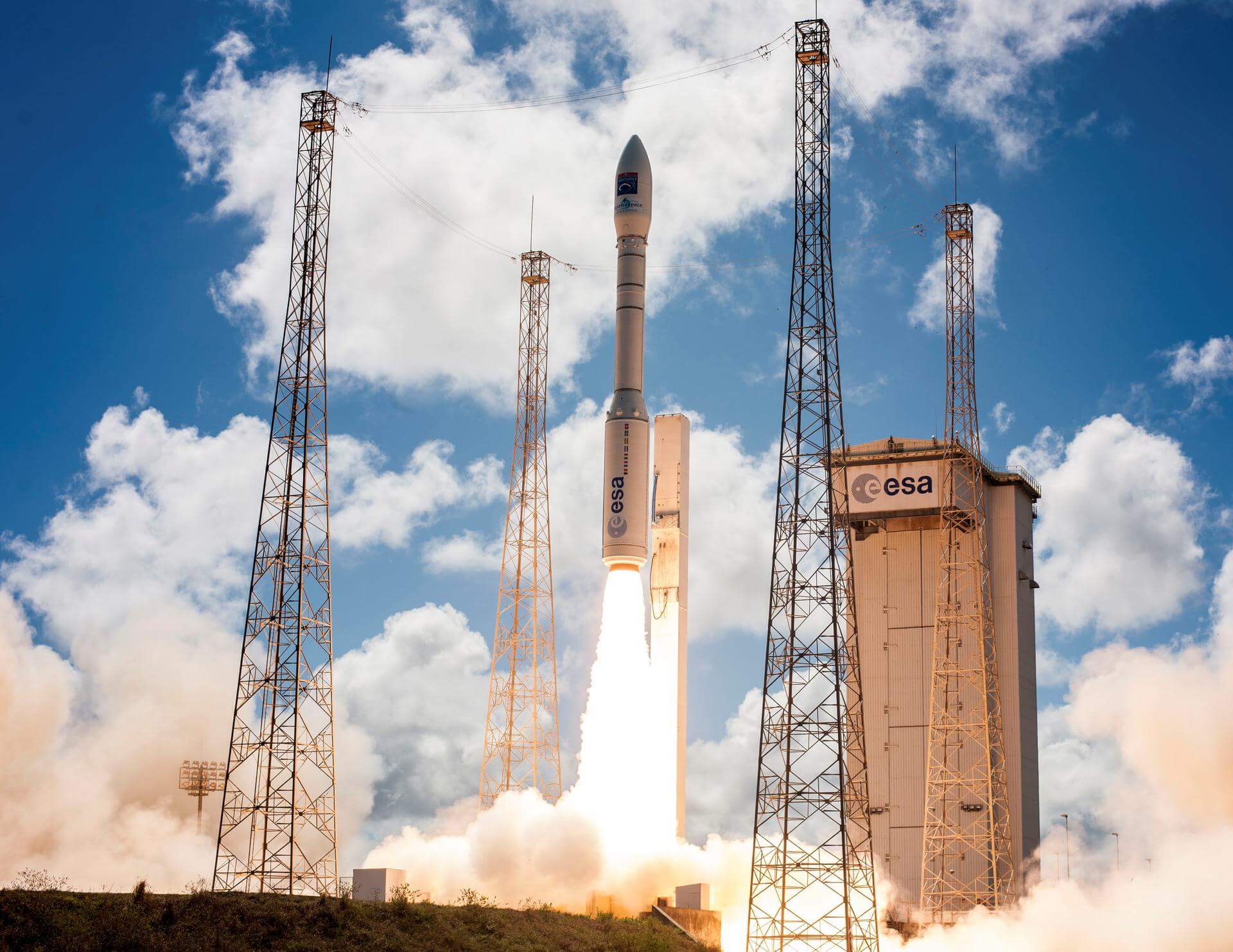
Avio S.p.A Vega Rocket
Vega is the smallest lifter in the current Arianespace family.
| Length | 29.9 m |
|---|---|
| Diameter | 3.0 m |
| Stages | 4 |
| Launch Mass | 137.0 T |
| Takeoff Thrust | 2,974.0 kN |
| LEO Capacity | 1,500 kg |
| SSO Capacity | 1,450 kg |
| Launch Cost | $37,000,000 |
| Maiden Flight | 2/13/2012 |
About Arianespace
Arianespace SA is a multinational company founded in 1980 as the world's first commercial launch service provider. It undertakes the production, operation, and marketing of the Ariane programme. Their vehicles launch exclusively from French Guiana in South America.
| Total Launches | 326 |
|---|---|
| Successful | 311 |
| Failed | 15 |
| Pending | 29 |
| Consecutive Success | 14 |
Frequently Asked Questions
When was the Arianespace Vega THEOS-2, TRITON & others launch scheduled?
The Arianespace Vega THEOS-2, TRITON & others launch was scheduled for:
.
Where can I watch the Arianespace Vega THEOS-2, TRITON & others launch video?
You can watch the Arianespace Vega launch video on this page. The official video includes full mission coverage with multiple camera angles, onboard views, and expert commentary covering pre-launch procedures, liftoff, stage separation, and payload deployment.
Where did the Arianespace Vega THEOS-2, TRITON & others mission launch from?
The Arianespace Vega rocket launched from Ariane Launch Area 1 (ELV) at Guiana Space Centre, French Guiana. The Guiana Space Centre is a European spaceport to the northwest of Kourou in French Guiana, a region of France in South America. Kourou is located at a latitude of 5°. In operation since 1968, it is a suitable location for a spaceport because of its equatorial location and open sea to the east.
What rocket was used for the THEOS-2, TRITON & others mission?
The THEOS-2, TRITON & others mission launched aboard a Arianespace Vega rocket. Vega is the smallest lifter in the current Arianespace family. Detailed rocket specifications and performance data are available in the rocket details above.
What weather conditions could have delayed the Arianespace Vega THEOS-2, TRITON & others launch?
The Arianespace Vega THEOS-2, TRITON & others launch could have been delayed by various weather conditions including lightning within 10 nautical miles, high winds (especially upper-level winds), thick cloud layers, precipitation, and poor visibility. Weather must be favorable at the launch site, downrange landing zones, and abort landing sites.
How can I get updates if the Arianespace Vega THEOS-2, TRITON & others launch was delayed?
This page was updated in real-time with the latest Arianespace Vega launch status, including any delays or scrubs for the THEOS-2, TRITON & others mission. You can also check our space launch schedule for historical launch information. Our mobile app provides push notifications for instant alerts about launch status changes. Official Arianespace live streams provided the most immediate range updates during the launch window.
Last Updated
Last Updated:
-
Successful launch
-
Liftoff.
-
Livestream has started
-
Targeting October 9th at 1:36 UTC
-
Delayed for additional checks.
-
GO for launch.
-
Scrubbed for the day.
-
Hold at T-14 seconds.
-
Tweaked T-0 to the second.
-
Livestream has started
-
GO for launch.
-
NET October 7.
-
Targeting October 5 (UTC) for Vega launch.
-
Targeting September 19
-
Moving THEOS-2 to VV23 as primary payload
-
NET September