
SpaceX WSF-M2 & BLAZE-2 (USSF-178) Falcon 9 Block 5
Trajectory
Trajectory profiles are typically finalized by the range a week prior to launch. Check back here for the trajectory and launch visibility map as the launch window approaches.
Learn more about rocket launch trajectories (opens in a new tab)
About the WSF-M2 & BLAZE-2 (USSF-178) Mission
| Type | Earth Science |
|---|---|
| Orbit | Polar Orbit |
| Launch Cost | $52,000,000 |
Second Weather System Follow-on (WSF) satellite.
WSF-M (Weather System Follow-on - Microwave) is the next-generation operational environmental satellite system for the Department of Defense (DoD), to replace the microwave wavelength weather forecasting capabilities of the DMSP satellites.
Ball Aerospace has been selected in late November 2017 to be the prime contractor for 2 Low Earth Orbit (LEO) weather satellites with a passive microwave imaging radiometer instrument and hosted Government furnished energetic charged particle (ECP) sensor space weather payload developed by the Air Force Research Laboratory. The radiometer leverages the Ball-built Global Precipitation Measurement (GPM) Microwave Imager (GMI) instrument.
This mission will improve weather forecasting over maritime regions by taking global measurements of the atmosphere and ocean surface.
The launch will also include BLAZE-2, a launch opportunity for operational, research, development, and prototype small satellites from across the DoD.
Launch Pad & Location
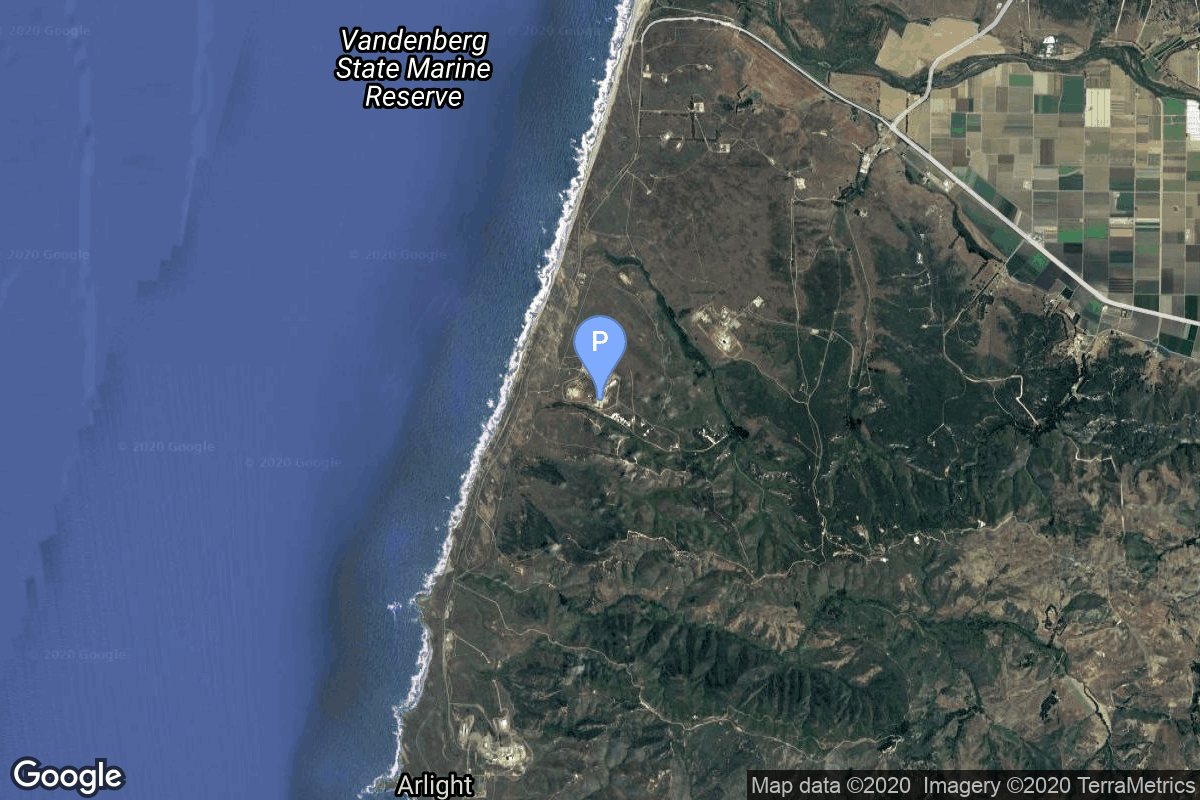
Space Launch Complex 4E
Vandenberg SFB, CA, USA
| Launches | 304 |
|---|---|
| Orbital Launch Attempts | 304 |
| Total Launches | 920 |
Vandenberg Space Force Base is a United States Space Force Base in Santa Barbara County, California. Established in 1941, Vandenberg Space Force Base is a space launch base, launching spacecraft from the Western Range, and also performs missile testing. The United States Space Force's Space Launch Delta 30 serves as the host delta for the base, equivalent to an Air Force air base wing. In addition to its military space launch mission, Vandenberg Space Force Base also hosts space launches for civil and commercial space entities, such as NASA and SpaceX.
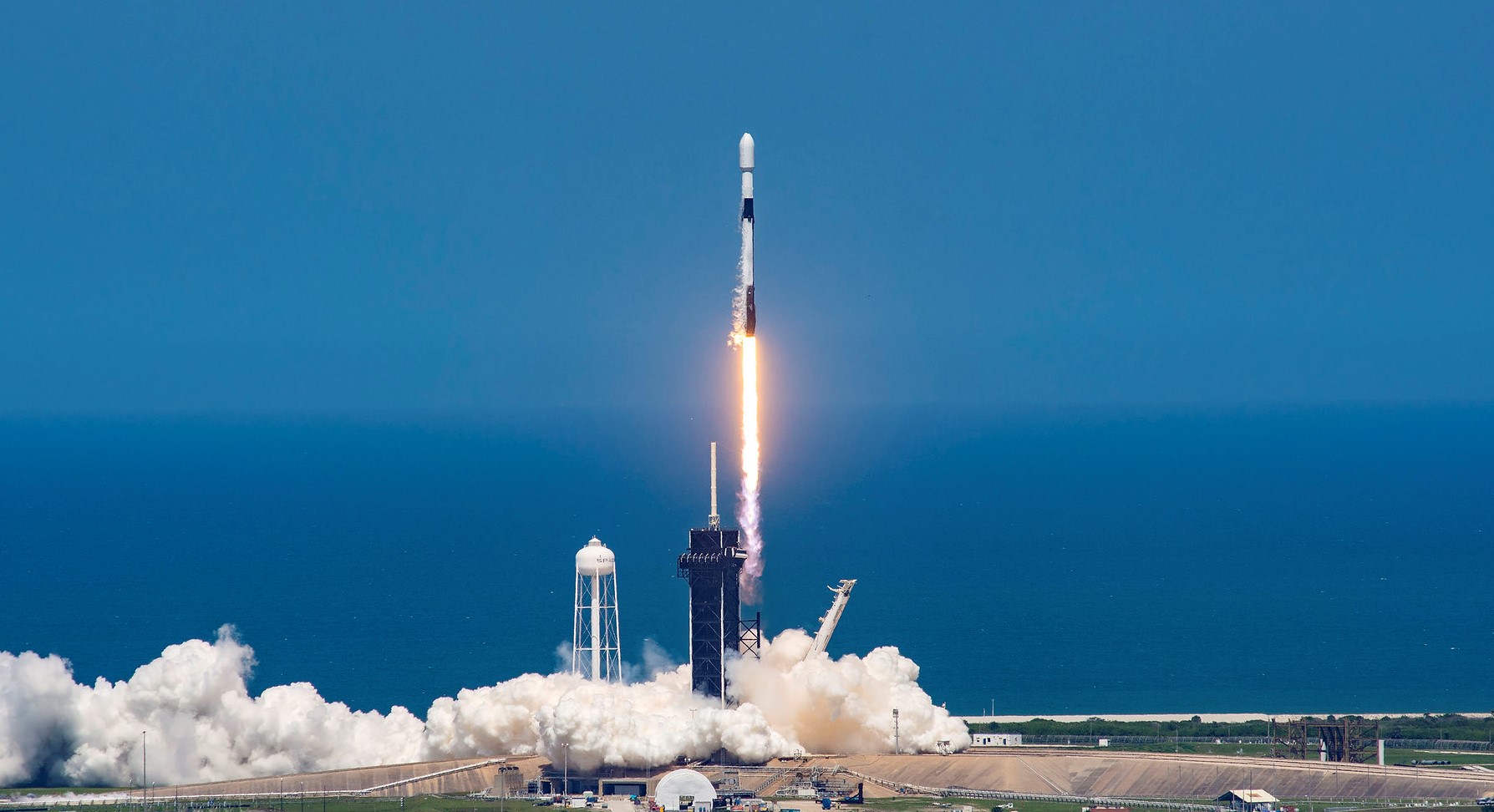
SpaceX Falcon 9 Block 5 Rocket
Falcon 9 is a two-stage rocket designed and manufactured by SpaceX for the reliable and safe transport of satellites and the Dragon spacecraft into orbit. The Block 5 variant is the fifth major interval aimed at improving upon the ability for rapid reusability.
| Length | 70.0 m |
|---|---|
| Diameter | 3.7 m |
| Stages | 2 |
| Launch Mass | 549.0 T |
| Takeoff Thrust | 7,607.0 kN |
| Apogee | 200.0 km |
| LEO Capacity | 22,800 kg |
| GTO Capacity | 8,300 kg |
| Launch Cost | $52,000,000 |
| Maiden Flight | 5/11/2018 |
Booster Landing & Recovery
The rocket booster serial number is currently unknown. Check back for updates on booster recovery details and landing information.

About SpaceX
Space Exploration Technologies Corp., known as SpaceX, is an American aerospace manufacturer and space transport services company headquartered in Hawthorne, California. It was founded in 2002 by entrepreneur Elon Musk with the goal of reducing space transportation costs and enabling the colonization of Mars. SpaceX operates from many pads, on the East Coast of the US they operate from SLC-40 at Cape Canaveral Space Force Station and historic LC-39A at Kennedy Space Center. They also operate from SLC-4E at Vandenberg Space Force Base, California, usually for polar launches. Another launch site is being developed at Boca Chica, Texas.
| Total Launches | 741 |
|---|---|
| Successful | 726 |
| Failed | 15 |
| Pending | 136 |
| Consecutive Success | 226 |

Frequently Asked Questions
When is the SpaceX Falcon 9 WSF-M2 & BLAZE-2 (USSF-178) launch scheduled?
The SpaceX Falcon 9 WSF-M2 & BLAZE-2 (USSF-178) launch is currently scheduled for:
.
Launch times are subject to change based on weather conditions, technical readiness, and range availability. Check back regularly for the most up-to-date launch time and status updates.
Where is the SpaceX Falcon 9 WSF-M2 & BLAZE-2 (USSF-178) mission launching from?
The SpaceX Falcon 9 rocket will launch from Space Launch Complex 4E at Vandenberg SFB, CA, USA. Vandenberg Space Force Base is a United States Space Force Base in Santa Barbara County, California. Established in 1941, Vandenberg Space Force Base is a space launch base, launching spacecraft from the Western Range, and also performs missile testing. The United States Space Force's Space Launch Delta 30 serves as the host delta for the base, equivalent to an Air Force air base wing. In addition to its military space launch mission, Vandenberg Space Force Base also hosts space launches for civil and commercial space entities, such as NASA and SpaceX. For viewing location recommendations and tips, check the launch location details above.
What rocket is being used for the WSF-M2 & BLAZE-2 (USSF-178) mission?
The WSF-M2 & BLAZE-2 (USSF-178) mission will launch aboard a SpaceX Falcon 9 rocket. Falcon 9 is a two-stage rocket designed and manufactured by SpaceX for the reliable and safe transport of satellites and the Dragon spacecraft into orbit. The Block 5 variant is the fifth major interval aimed at improving upon the ability for rapid reusability. Detailed rocket specifications and performance data are available in the rocket details above.
What weather conditions could delay the SpaceX Falcon 9 WSF-M2 & BLAZE-2 (USSF-178) launch?
The SpaceX Falcon 9 WSF-M2 & BLAZE-2 (USSF-178) launch can be delayed by various weather conditions including lightning within 10 nautical miles, high winds (especially upper-level winds), thick cloud layers, precipitation, and poor visibility. Weather must be favorable at the launch site, downrange landing zones, and abort landing sites. Check the launch weather forecast above for current conditions and probability of favorable weather.
How can I get updates if the SpaceX Falcon 9 WSF-M2 & BLAZE-2 (USSF-178) launch is delayed?
This page is updated in real-time with the latest SpaceX Falcon 9 launch status, including any delays or scrubs for the WSF-M2 & BLAZE-2 (USSF-178) mission. You can also check our space launch schedule for the most current information. Enable push notifications through our mobile app to receive instant alerts about launch status changes, weather holds, or new launch times. We recommend following official SpaceX live streams for the most immediate range updates.
Last Updated
Last Updated:
-
NET early 2027.
-
NET 2028.
-
Added launch.