
SpaceX Axiom Space Mission 1 Falcon 9 Block 5
Rocket Launch Video Streams
Weather Forecast During Launch
According to weather officials, there's a 90% chance of favorable weather conditions at the time of the launch.
Rocket Launch Trajectory & Flight Path
Track the complete rocket launch trajectory with real-time flight data from FlightClub.io (opens in a new tab). View detailed telemetry including rocket velocity, altitude progression, thrust levels, acceleration, orbital insertion parameters, and 3D flight path visualization throughout all mission phases from liftoff to orbit.
Learn about rocket launch trajectory physics (opens in a new tab)
Meet the Astronaut Crew
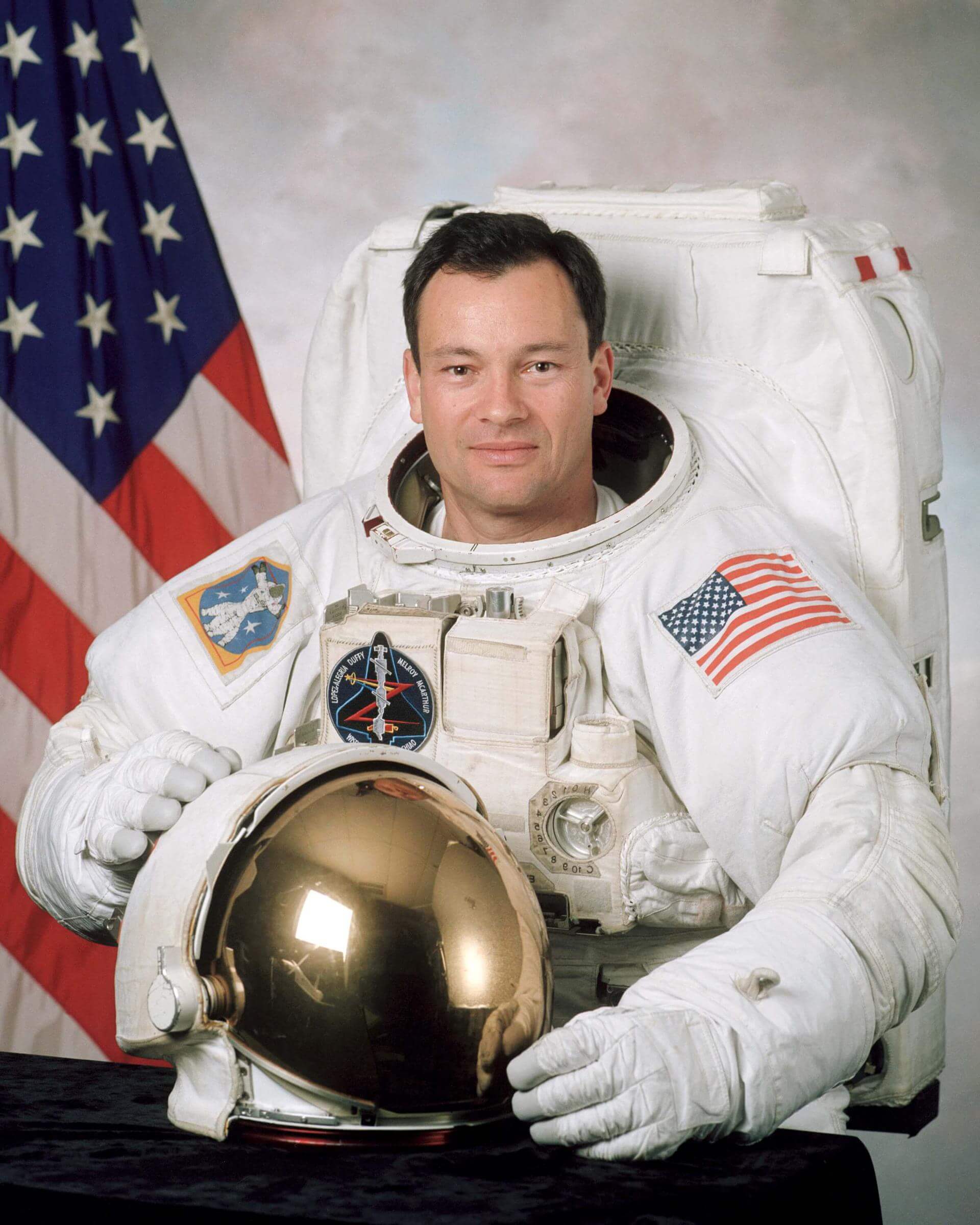
Michael López-Alegría
| Birthday | 05/30/1958 |
|---|---|
| Role | Commander |
| Nationality | United States of America |
| First Flight | 10/20/1995 |
| Last Flight | 01/18/2024 |
Michael López-Alegría is a Spanish-American astronaut; a veteran of three Space Shuttle missions and one International Space Station mission. He is known for having performed...

Larry Connor
| Birthday | 01/07/1950 |
|---|---|
| Role | Pilot |
| Nationality | United States of America |
| First Flight | 04/08/2022 |
| Last Flight | 04/08/2022 |
Larry Connor is an American real estate and technology entrepreneur.

Eytan Stibbe
| Birthday | 01/12/1958 |
|---|---|
| Role | Mission Specialist |
| Nationality | Israel |
| First Flight | 04/08/2022 |
| Last Flight | 04/08/2022 |
Eytan Meir Stibbe is an Israeli former fighter pilot, businessman and commercial astronaut. In November 2020 he paid Axiom Space to become a space tourist...

Mark Pathy
| Birthday | 01/01/1970 |
|---|---|
| Role | Mission Specialist |
| Nationality | Canada |
| First Flight | 04/08/2022 |
| Last Flight | 04/08/2022 |
Mark Pathy is the CEO and chairman of Mavrik, a privately-owned investment and financing company, and is the chairman of the board of the Stingray...
About the Axiom Space Mission 1 Mission
| Type | Tourism |
|---|---|
| Orbit | Low Earth Orbit |
| Launch Cost | $52,000,000 |
This is a Crew Dragon flight for a private company Axiom Space. The mission will carry a commander professionally trained by Axiom alongside three private astronauts to and from the International Space Station. This crew will stay aboard space station for at least eight days.

Launch Pad & Location
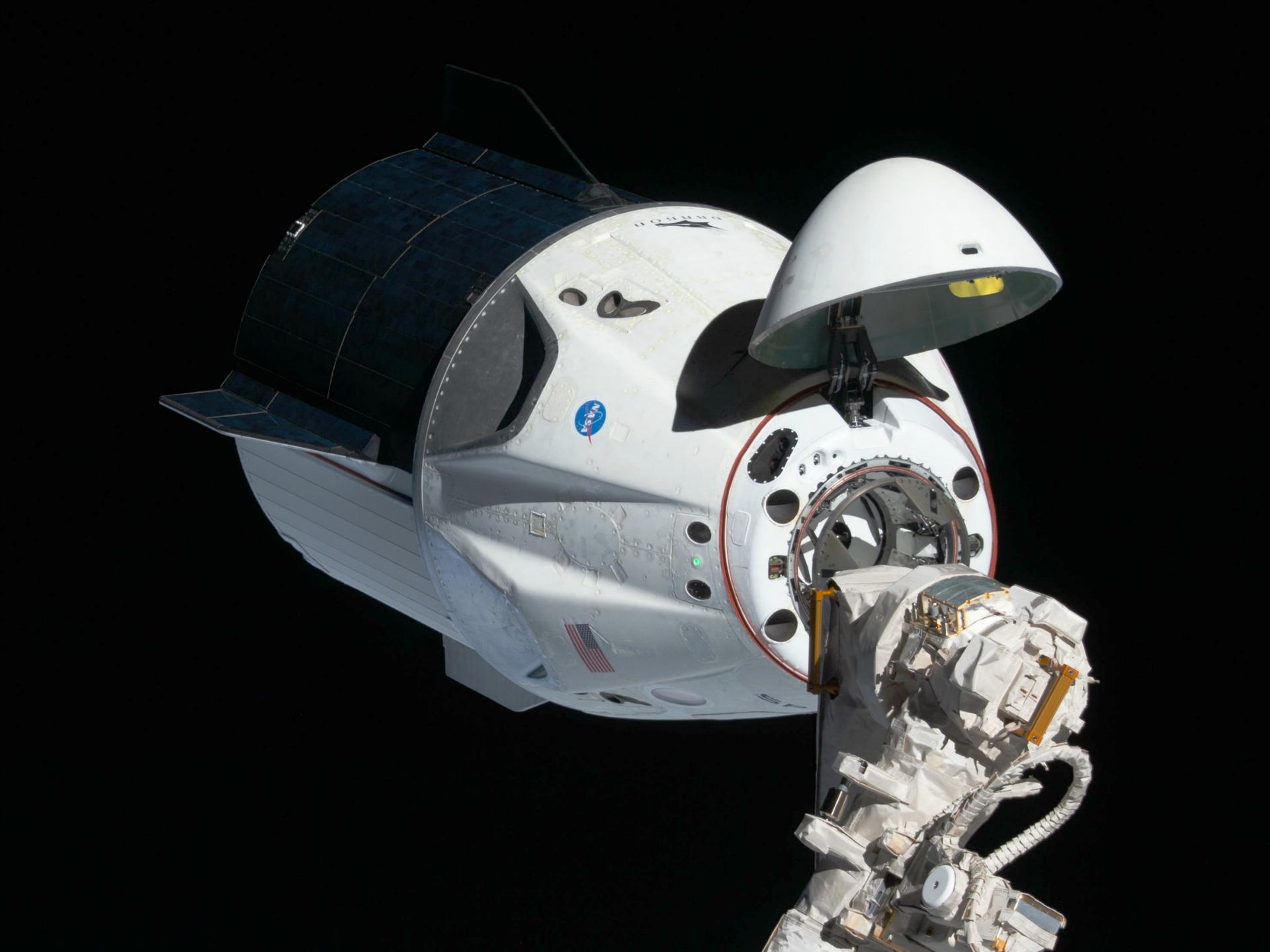
Launch Complex 39A
Kennedy Space Center, FL, USA
| Launches | 224 |
|---|---|
| Orbital Launch Attempts | 223 |
| Total Launches | 283 |
The John F. Kennedy Space Center, located on Merritt Island, Florida, is one of NASA's ten field centers. Since 1968, KSC has been NASA's primary launch center of American spaceflight, research, and technology. Launch operations for the Apollo, Skylab and Space Shuttle programs were carried out from Kennedy Space Center Launch Complex 39 and managed by KSC. Located on the east coast of Florida, KSC is adjacent to Cape Canaveral Space Force Station (CCSFS).
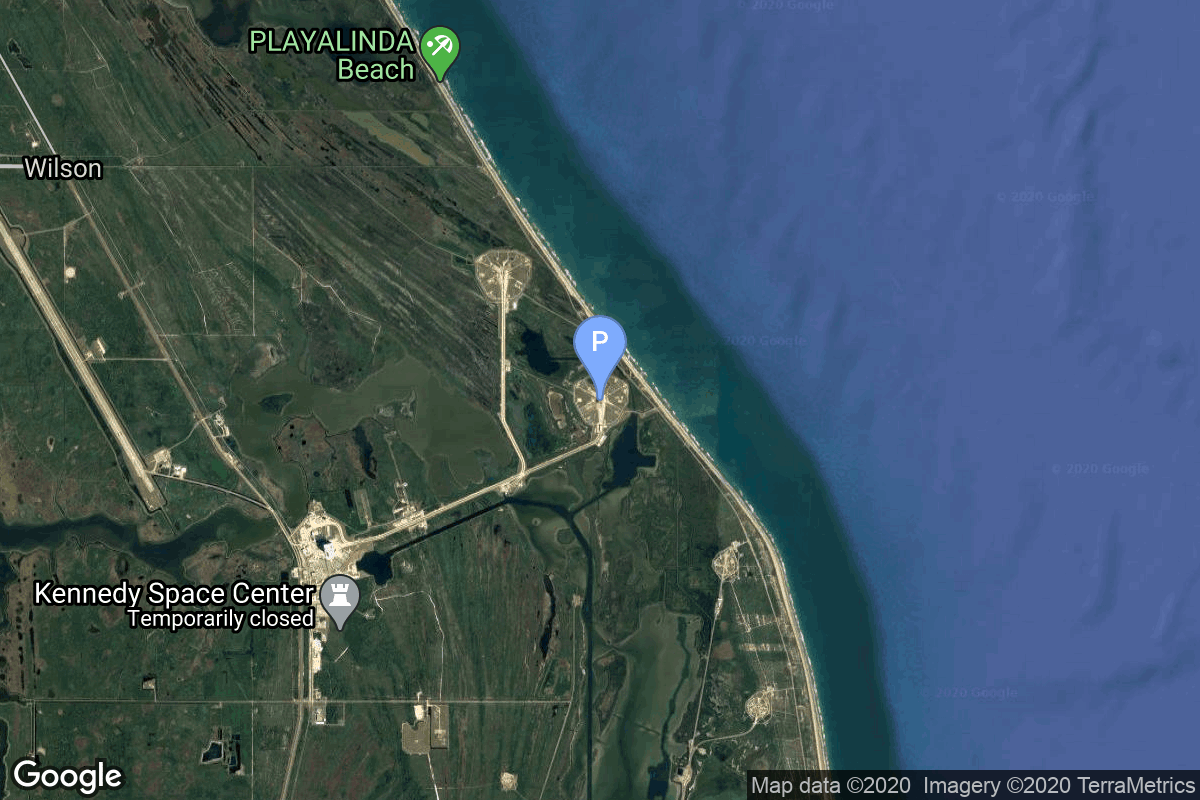
SpaceX Falcon 9 Block 5 Rocket
Falcon 9 is a two-stage rocket designed and manufactured by SpaceX for the reliable and safe transport of satellites and the Dragon spacecraft into orbit. The Block 5 variant is the fifth major interval aimed at improving upon the ability for rapid reusability.
| Length | 70.0 m |
|---|---|
| Diameter | 3.7 m |
| Stages | 2 |
| Launch Mass | 549.0 T |
| Takeoff Thrust | 7,607.0 kN |
| Apogee | 200.0 km |
| LEO Capacity | 22,800 kg |
| GTO Capacity | 8,300 kg |
| Launch Cost | $52,000,000 |
| Maiden Flight | 5/11/2018 |
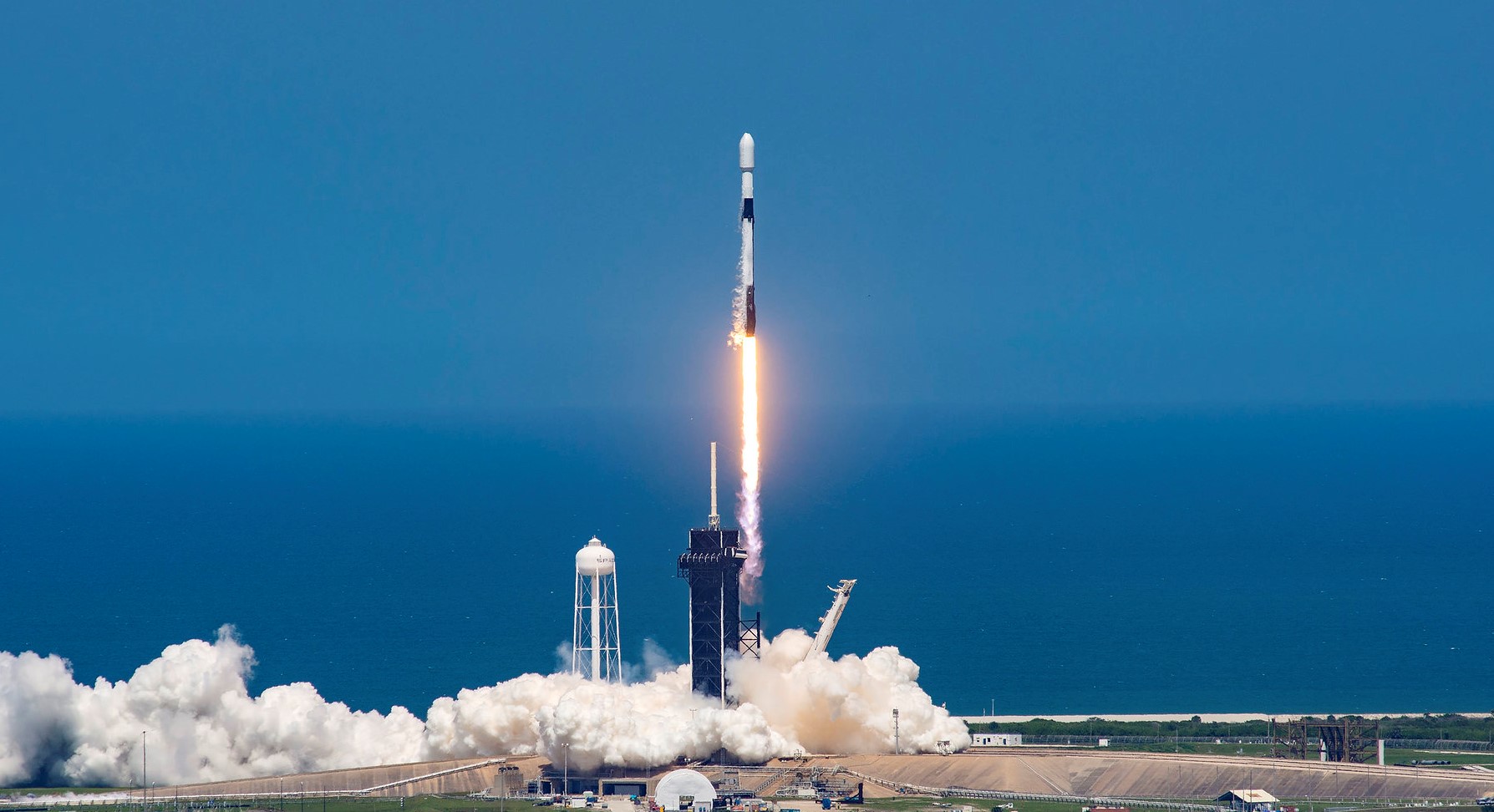
Mission Spacecraft
Crew Dragon Endeavour
Crew Dragon Endeavour (C206) was the spacecraft used for this mission. It is a SpaceX Capsule designed for Crew Flights to ISS or Low Earth Orbit and traveled to International Space Station.
Crew Dragon 6 is the Crew Dragon spacecraft launched on the SpaceX DM-2 demonstration mission to the ISS. Crew Dragon 2 is capable of lifting four astronauts, or a combination of crew and cargo to and from low Earth orbit. Its heat shield is designed to withstand Earth re-entry velocities from Lunar and Martian spaceflights. Able to fly for up to one week of free flight or two years docked.
| Type | Capsule |
|---|---|
| Agency | SpaceX |
| Serial Number | C206 |
| Status | Active |
| Destination | International Space Station |
| Maiden Flight | 3/2/2019 |
| Mission End | 4/25/2022 |
| Flights | 6 |
| Crew Capacity | 4 |
| Human Rated | Yes |
| Height | 7.2 m |
| Diameter | 3.7 m |
| Payload Capacity | 6,000 kg |
Booster Landing & Recovery
Core B1062
| Serial Number | B1062 |
|---|---|
| Last Flight | 08/28/2024 |
| Successful Landings | 22 |
Notable launches include GPS III SV04 & SV05, Inspiration4 and Axiom-1. Destroyed during its 23rd landing attempt on ASOG on 28 August 2024. B1062 has landed on ASDS ASOG after its 5th flight.
A Shortfall of Gravitas - ASOG
The fourth ASDS barge, A Shortfall of Gravitas (ASOG) is currently used to recover Falcon 9 and Heavy boosters in the Altantic Ocean.
Autonomous Spaceport Drone Ship - ASDS
An autonomous spaceport drone ship (ASDS) is an ocean-going vessel derived from a deck barge, outfitted with station-keeping engines and a large landing platform. Construction of such ships was commissioned by aerospace company SpaceX to allow for recovery of rocket first-stages at sea for high-velocity missions which do not carry enough fuel to return to the launch site after lofting spacecraft onto an orbital trajectory.
Track the booster recovery and droneship return to port (opens in a new tab)

About SpaceX
Space Exploration Technologies Corp., known as SpaceX, is an American aerospace manufacturer and space transport services company headquartered in Hawthorne, California. It was founded in 2002 by entrepreneur Elon Musk with the goal of reducing space transportation costs and enabling the colonization of Mars. SpaceX operates from many pads, on the East Coast of the US they operate from SLC-40 at Cape Canaveral Space Force Station and historic LC-39A at Kennedy Space Center. They also operate from SLC-4E at Vandenberg Space Force Base, California, usually for polar launches. Another launch site is being developed at Boca Chica, Texas.
| Total Launches | 735 |
|---|---|
| Successful | 720 |
| Failed | 15 |
| Pending | 131 |
| Consecutive Success | 220 |

Frequently Asked Questions
When was the SpaceX Falcon 9 Axiom Space Mission 1 launch scheduled?
The SpaceX Falcon 9 Axiom Space Mission 1 launch was scheduled for:
.
Where can I watch the SpaceX Falcon 9 Axiom Space Mission 1 launch video?
You can watch the SpaceX Falcon 9 launch video on this page. The official video includes full mission coverage with multiple camera angles, onboard views, and expert commentary covering pre-launch procedures, liftoff, stage separation, and payload deployment.
Where did the SpaceX Falcon 9 Axiom Space Mission 1 mission launch from?
The SpaceX Falcon 9 rocket launched from Launch Complex 39A at Kennedy Space Center, FL, USA. The John F. Kennedy Space Center, located on Merritt Island, Florida, is one of NASA's ten field centers. Since 1968, KSC has been NASA's primary launch center of American spaceflight, research, and technology. Launch operations for the Apollo, Skylab and Space Shuttle programs were carried out from Kennedy Space Center Launch Complex 39 and managed by KSC. Located on the east coast of Florida, KSC is adjacent to Cape Canaveral Space Force Station (CCSFS).
What rocket was used for the Axiom Space Mission 1 mission?
The Axiom Space Mission 1 mission launched aboard a SpaceX Falcon 9 rocket. Falcon 9 is a two-stage rocket designed and manufactured by SpaceX for the reliable and safe transport of satellites and the Dragon spacecraft into orbit. The Block 5 variant is the fifth major interval aimed at improving upon the ability for rapid reusability. Detailed rocket specifications and performance data are available in the rocket details above.
Did the SpaceX Falcon 9 booster for Axiom Space Mission 1 attempt a landing?
Yes, the Falcon 9 first stage booster attempted a Autonomous Spaceport Drone Ship at a designated landing zone. Booster recovery allows SpaceX to reuse rocket components, significantly reducing launch costs. Learn more about the landing details.
What weather conditions could have delayed the SpaceX Falcon 9 Axiom Space Mission 1 launch?
The SpaceX Falcon 9 Axiom Space Mission 1 launch could have been delayed by various weather conditions including lightning within 10 nautical miles, high winds (especially upper-level winds), thick cloud layers, precipitation, and poor visibility. Weather must be favorable at the launch site, downrange landing zones, and abort landing sites.
How can I get updates if the SpaceX Falcon 9 Axiom Space Mission 1 launch was delayed?
This page was updated in real-time with the latest SpaceX Falcon 9 launch status, including any delays or scrubs for the Axiom Space Mission 1 mission. You can also check our space launch schedule for historical launch information. Our mobile app provides push notifications for instant alerts about launch status changes. Official SpaceX live streams provided the most immediate range updates during the launch window.
Last Updated
Last Updated:
-
Launch success.
-
Weather 90%
-
Weather 80%
-
Go for launch
-
Weather 70%
-
Targeting April 8 at 15:17 UTC
-
NET April 7 due to SLS wet dress rehearsal delay
-
NET Apr 6th
-
Adding T-0
-
New launch date (NET).
-
Adjusting T-0
-
New launch time.
-
Targeting March 30
-
Launch delayed to NET Mar. 31.
-
Launch now NET February 28.
-
Launch is planned for Feb 21