
Rocket Lab The Owl’s Night Continues (StriX-β) Electron
Rocket Launch Video Streams
Rocket Launch Trajectory & Flight Path
Track the complete rocket launch trajectory with real-time flight data from FlightClub.io (opens in a new tab). View detailed telemetry including rocket velocity, altitude progression, thrust levels, acceleration, orbital insertion parameters, and 3D flight path visualization throughout all mission phases from liftoff to orbit.
Learn about rocket launch trajectory physics (opens in a new tab)
About the The Owl’s Night Continues (StriX-β) Mission
| Type | Earth Science |
|---|---|
| Orbit | Sun-Synchronous Orbit |
| Launch Cost | $6,000,000 |
StriX β is a Japanese synthetic aperture radar satellite built by Synspective as a demonstrator for their planned 25 satellite constellation. It will feature an X-band synthetic aperture radar.
StriX β is an upgraded version of the StriX α prototype. The satellite features two deployable panes, one side carrying solar cells, the other carrying the X-band radar antenna.
The StriX satellite constellation can target data with a ground resolution of 1-3 m, single polarized (VV), and a swath width of more than 10-30 km. The StriX observation modes are Stripmap and Sliding Spotlight mode and each satellite has an SAR antenna that is 5 meters in length and stowed during launch. The simple design of the satellites allows for affordable development of the constellation.
StriX β was planned to be launched in 2021 on a Soyuz-2-1a Fregat or Soyuz-2-1b Fregat rideshare mission, but as this mission was delayed, it was re-booked on a dedicated Electron KS launch.
Synspective is planning a constellation of 25 satellites called StriX, comprised of 100-kilogram satellites capable of imaging at a resolution of one to three meters. By 2022 the company plans to have six satellites in orbit. The company has not set a date by which it hopes to achieve 25 satellites.
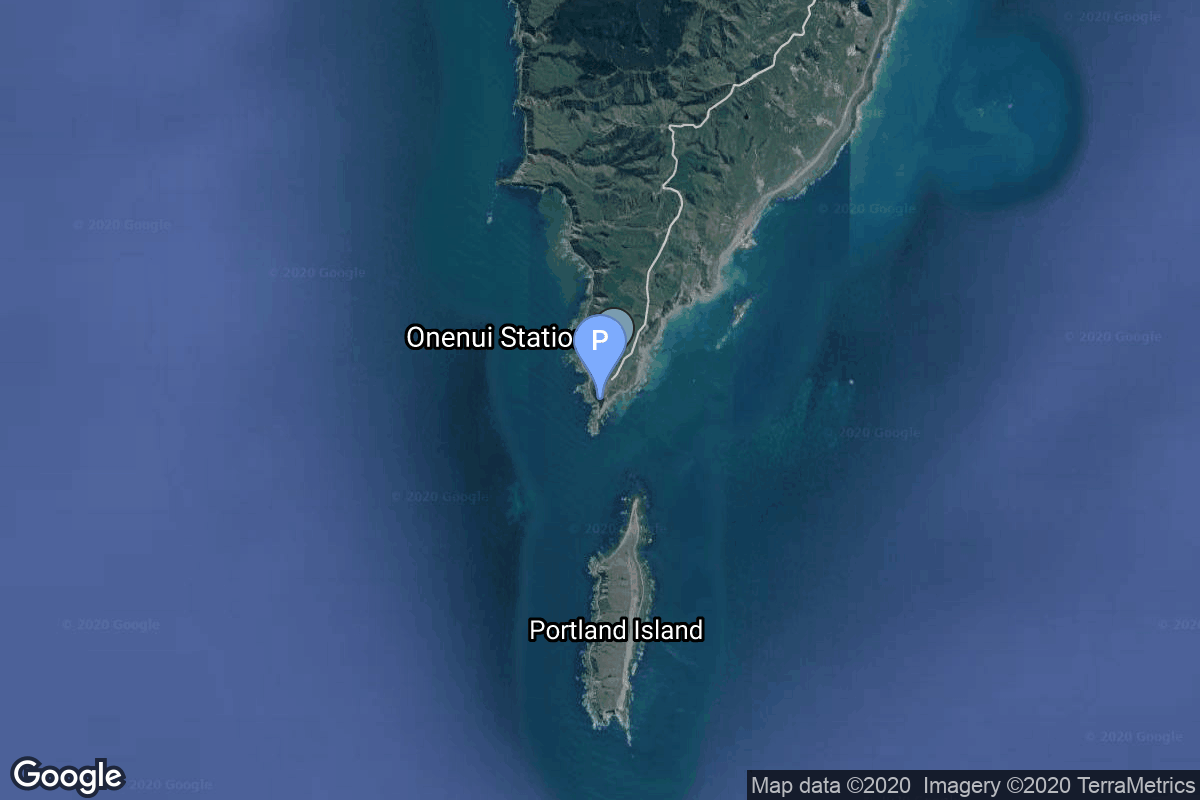
Launch Pad & Location
Rocket Lab Launch Complex 1B
Rocket Lab Launch Complex 1, Mahia Peninsula, New Zealand
| Launches | 36 |
|---|---|
| Orbital Launch Attempts | 36 |
| Total Launches | 76 |
Rocket Lab Launch Complex 1 is a commercial spaceport located close to Ahuriri Point at the southern tip of Māhia Peninsula, on the east coast of New Zealand's North Island. It is owned and operated by private spaceflight company Rocket Lab and supports launches of the company's Electron rocket for small satellites. With the launch of Electron on 25 May 2017, it became the first private spaceport to host an orbital launch attempt, and the first site in New Zealand to host an orbital launch attempt. With the Electron launch of 21 January 2018, it became the first private spaceport to host a successful orbital launch.
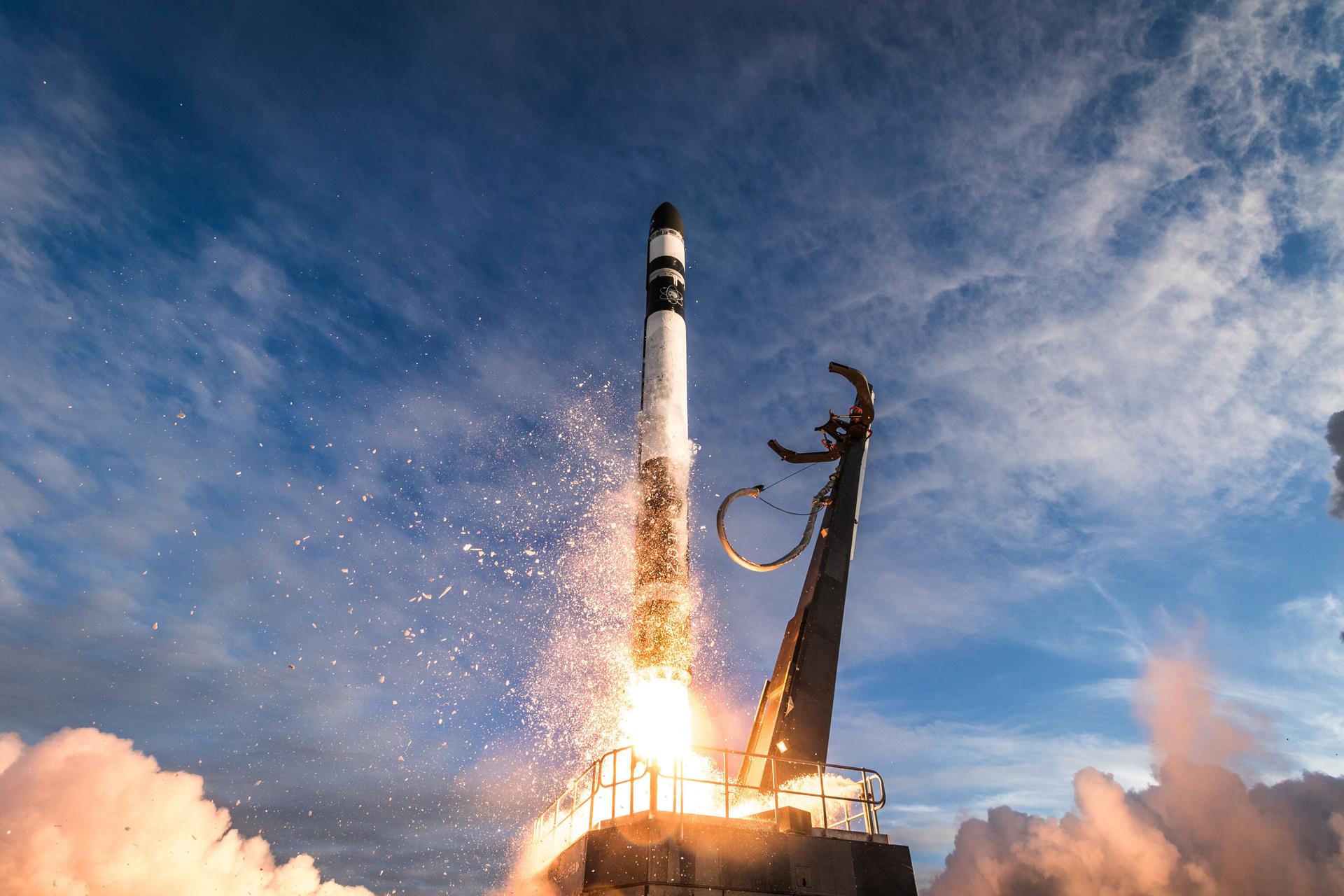
Rocket Lab Electron Rocket
Electron is a two-stage orbital expendable launch vehicle (with an optional third stage) developed by the American aerospace company Rocket Lab. Electron is a small-lift launch vehicle designed to launch small satellites and cubesats to sun-synchronous orbit and low earth orbit. The Electron is the first orbital class rocket to use electric-pump-fed engines, powered by the 9 Rutherford engines on the first stage. It is also used as a suborbital testbed (called HASTE) for hypersonics research.
| Length | 18.0 m |
|---|---|
| Diameter | 1.2 m |
| Stages | 2-3 |
| Launch Mass | 13.0 T |
| Takeoff Thrust | 162.0 kN |
| LEO Capacity | 300 kg |
| SSO Capacity | 225 kg |
| Launch Cost | $6,000,000 |
| Maiden Flight | 5/25/2017 |
Booster Landing & Recovery
Core 24
| Serial Number | 24 |
|---|---|
| Last Flight | 02/28/2022 |
Booster used during the "The Owl's Night Continues" mission Expended during its first flight, despite featuring a red interstage.
South Pacific - PAC
Pacific Ocean off the coast of Mahia Peninsula, New Zealand.
Expended - EXP
Vehicle did not perform any landing operations after launch
Track the booster recovery and droneship return to port (opens in a new tab)
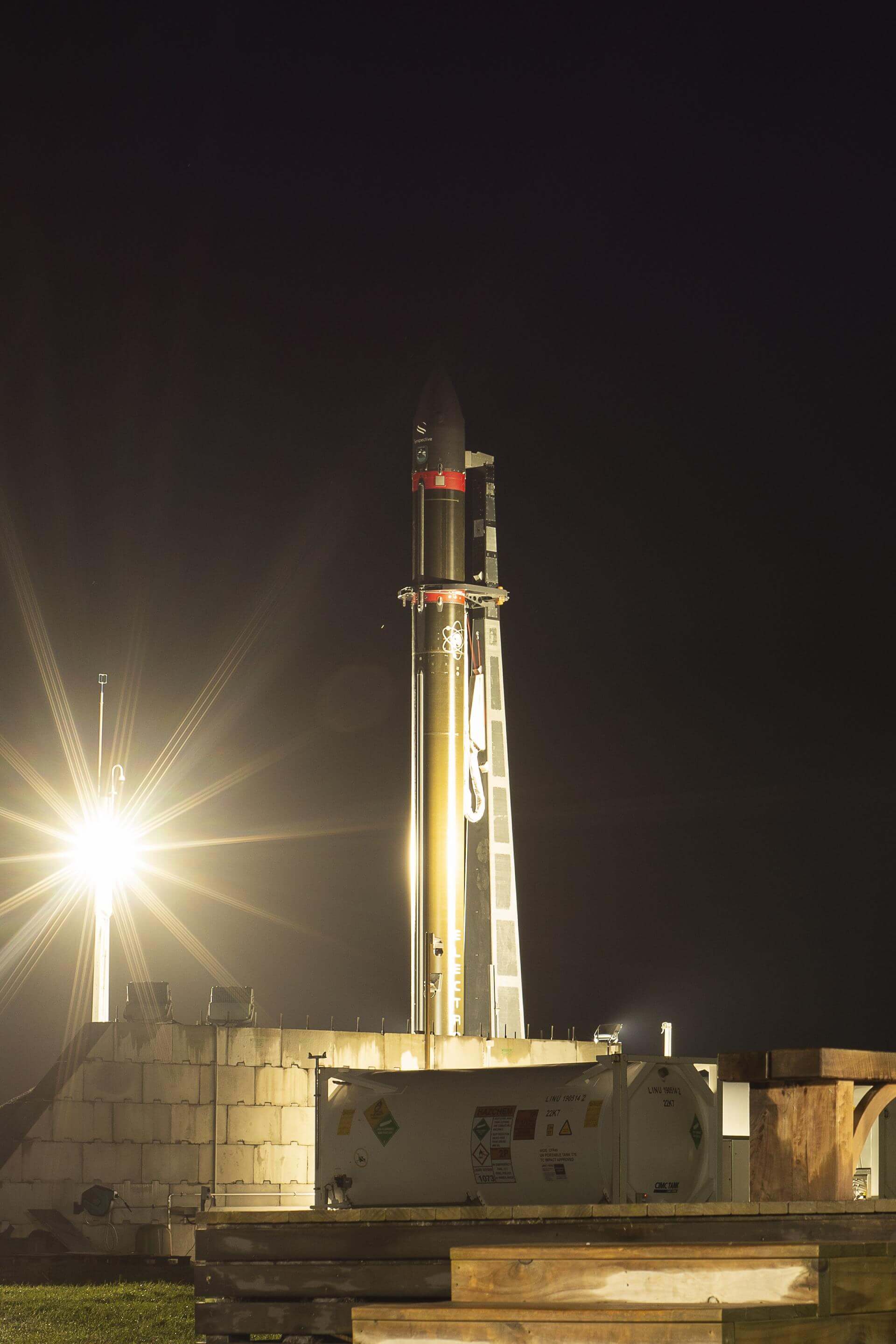
About Rocket Lab
Rocket Lab is an American aerospace manufacturer with a wholly owned New Zealand subsidiary. The company develops lightweight, cost-effective commercial rocket launch services. The Electron Program was founded on the premise that small payloads such as CubeSats require dedicated small launch vehicles and flexibility not currently offered by traditional rocket systems. Its rocket, the Electron, is a light-weight rocket and is now operating commercially. The company is also producing a variety of spacecrafts and spacecrafts components.
| Total Launches | 88 |
|---|---|
| Successful | 84 |
| Failed | 4 |
| Pending | 42 |
| Consecutive Success | 47 |

Frequently Asked Questions
When was the Rocket Lab Electron The Owl’s Night Continues (StriX-β) launch scheduled?
The Rocket Lab Electron The Owl’s Night Continues (StriX-β) launch was scheduled for:
.
Where can I watch the Rocket Lab Electron The Owl’s Night Continues (StriX-β) launch video?
You can watch the Rocket Lab Electron launch video on this page. The official video includes full mission coverage with multiple camera angles, onboard views, and expert commentary covering pre-launch procedures, liftoff, stage separation, and payload deployment.
Where did the Rocket Lab Electron The Owl’s Night Continues (StriX-β) mission launch from?
The Rocket Lab Electron rocket launched from Rocket Lab Launch Complex 1B at Rocket Lab Launch Complex 1, Mahia Peninsula, New Zealand. Rocket Lab Launch Complex 1 is a commercial spaceport located close to Ahuriri Point at the southern tip of Māhia Peninsula, on the east coast of New Zealand's North Island. It is owned and operated by private spaceflight company Rocket Lab and supports launches of the company's Electron rocket for small satellites. With the launch of Electron on 25 May 2017, it became the first private spaceport to host an orbital launch attempt, and the first site in New Zealand to host an orbital launch attempt. With the Electron launch of 21 January 2018, it became the first private spaceport to host a successful orbital launch.
What rocket was used for the The Owl’s Night Continues (StriX-β) mission?
The The Owl’s Night Continues (StriX-β) mission launched aboard a Rocket Lab Electron rocket. Electron is a two-stage orbital expendable launch vehicle (with an optional third stage) developed by the American aerospace company Rocket Lab. Electron is a small-lift launch vehicle designed to launch small satellites and cubesats to sun-synchronous orbit and low earth orbit. The Electron is the first orbital class rocket to use electric-pump-fed engines, powered by the 9 Rutherford engines on the first stage. It is also used as a suborbital testbed (called HASTE) for hypersonics research. Detailed rocket specifications and performance data are available in the rocket details above.
Did the Rocket Lab Electron booster for The Owl’s Night Continues (StriX-β) attempt a landing?
Yes, the Electron first stage booster attempted a Expended at a designated landing zone. Booster recovery allows Rocket Lab to reuse rocket components, significantly reducing launch costs. Learn more about the landing details.
What weather conditions could have delayed the Rocket Lab Electron The Owl’s Night Continues (StriX-β) launch?
The Rocket Lab Electron The Owl’s Night Continues (StriX-β) launch could have been delayed by various weather conditions including lightning within 10 nautical miles, high winds (especially upper-level winds), thick cloud layers, precipitation, and poor visibility. Weather must be favorable at the launch site, downrange landing zones, and abort landing sites.
How can I get updates if the Rocket Lab Electron The Owl’s Night Continues (StriX-β) launch was delayed?
This page was updated in real-time with the latest Rocket Lab Electron launch status, including any delays or scrubs for the The Owl’s Night Continues (StriX-β) mission. You can also check our space launch schedule for historical launch information. Our mobile app provides push notifications for instant alerts about launch status changes. Official Rocket Lab live streams provided the most immediate range updates during the launch window.
Last Updated
Last Updated:
-
Launch success
-
Liftoff
-
Adjusted T-0
-
New launch date
-
T-0 confirmed by Rocket Lab
-
Added launch.