
National Center of Space Research Flight 1 Callisto
About the Flight 1 Mission
| Type | Test Flight |
|---|---|
| Orbit | Suborbital |
First test flight of the Callisto VTVL demonstrator.
Launch Pad & Location
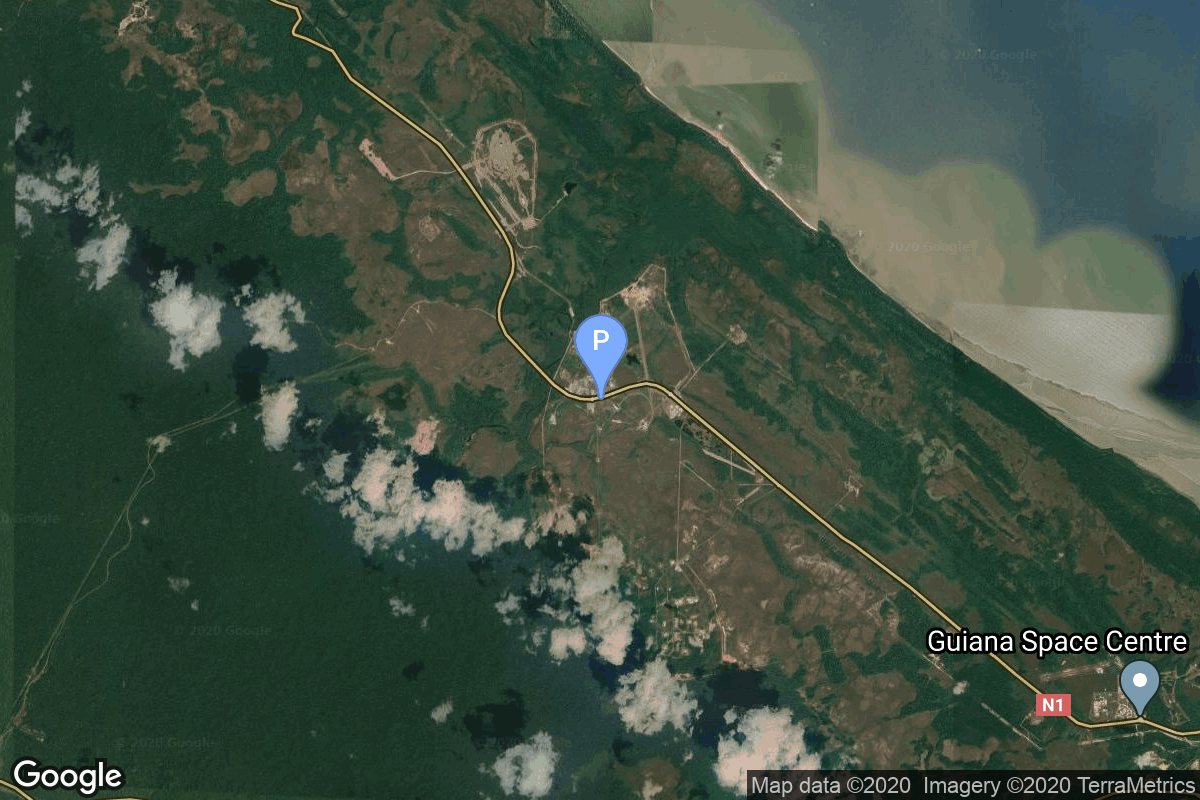
Diamant Launch Area
Guiana Space Centre, French Guiana
| Launches | 8 |
|---|---|
| Orbital Launch Attempts | 8 |
| Total Launches | 336 |
The Guiana Space Centre is a European spaceport to the northwest of Kourou in French Guiana, a region of France in South America. Kourou is located at a latitude of 5°. In operation since 1968, it is a suitable location for a spaceport because of its equatorial location and open sea to the east.
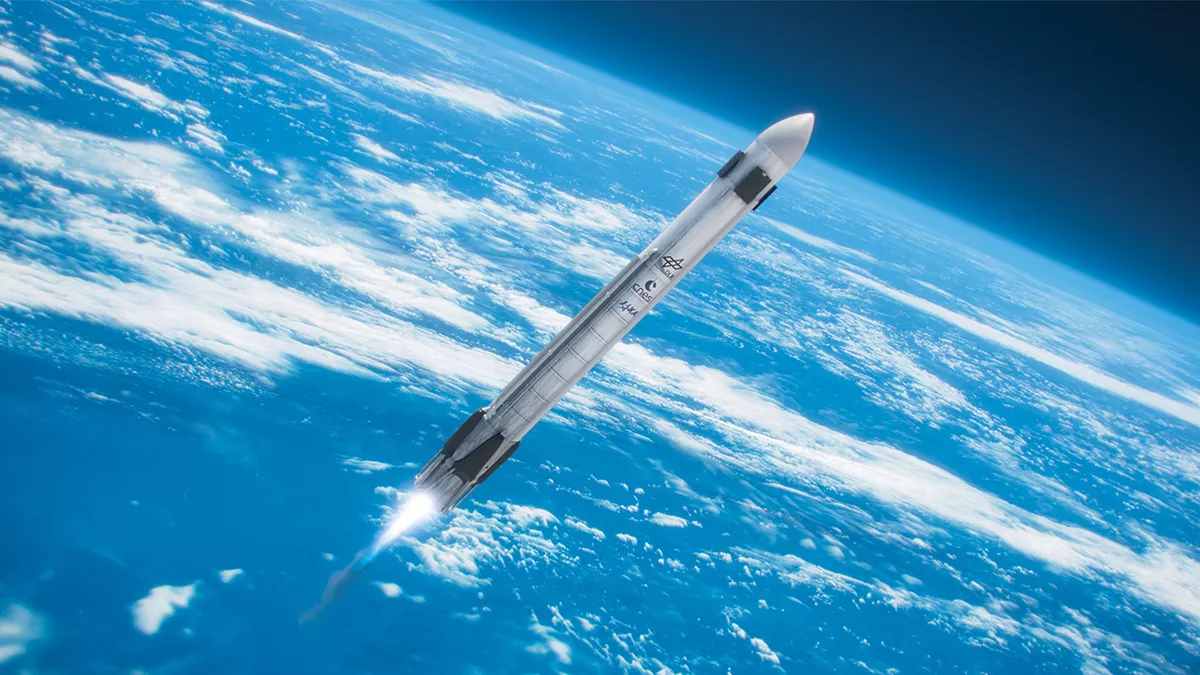
National Center of Space Research Callisto Rocket
Callisto is a demonstrator designed to conduct flight testing and mature the complex technologies required to return a launcher to Earth, as well as refurbishment operations between flights, and to precisely cost an operational European launcher with a reusable first stage (it is not intended to become an operational launcher). Standing for “Cooperative Action Leading to Launcher Innovation in Stage Toss-back Operations”, Callisto is a project being pursued with the Japan Aerospace Exploration Agency (JAXA) and the German space agency DLR. A large number of international contractors are also contributing to the experiment, among them ArianeGroup and Mitsubishi Heavy Industries.
Learn more about the National Center of Space Research Callisto Rocket
Booster Landing & Recovery
Core Callisto
| Serial Number | Callisto |
|---|---|
| Last Flight | unknown |
| Details | Callisto flight model |
The Callisto demonstrator will attempt to land back at the Diamant launch site after this flight
Diamant Launch Area Landing Pad - DLALP
Landing pad for reusable first stages launched from the Diamant Launch Area.
Return to Launch Site - RTLS
A return to launch site usually means that after stage separation the booster flips and does a burn back towards the launch site, landing near where it initially launched from.
A sonic boom may occur during booster recovery as the first stage returns to the landing zone. This atmospheric phenomenon creates a loud sound as the rocket breaks the sound barrier during its descent.
About National Center of Space Research
The National Center of Space Research, or CNES, is a French National Agency in charge of France's space program. In partnership with the US and Russia, they have put 10 people in space. CNES works in tandem with the larger ESA to develop the Ariane 5 and work on other probes and satellites. They are working with Germany to develop a cheaper and more efficient reusable rocket, which hopefully will be ready to fly by 2026.

Frequently Asked Questions
When is the National Center of Space Research Callisto Flight 1 launch scheduled?
The National Center of Space Research Callisto Flight 1 launch is currently scheduled for:
.
Launch times are subject to change based on weather conditions, technical readiness, and range availability. Check back regularly for the most up-to-date launch time and status updates.
Where is the National Center of Space Research Callisto Flight 1 mission launching from?
The National Center of Space Research Callisto rocket will launch from Diamant Launch Area at Guiana Space Centre, French Guiana. The Guiana Space Centre is a European spaceport to the northwest of Kourou in French Guiana, a region of France in South America. Kourou is located at a latitude of 5°. In operation since 1968, it is a suitable location for a spaceport because of its equatorial location and open sea to the east. For viewing location recommendations and tips, check the launch location details above.
What rocket is being used for the Flight 1 mission?
The Flight 1 mission will launch aboard a National Center of Space Research Callisto rocket. Callisto is a demonstrator designed to conduct flight testing and mature the complex technologies required to return a launcher to Earth, as well as refurbishment operations between flights, and to precisely cost an operational European launcher with a reusable first stage (it is not intended to become an operational launcher). Standing for “Cooperative Action Leading to Launcher Innovation in Stage Toss-back Operations”, Callisto is a project being pursued with the Japan Aerospace Exploration Agency (JAXA) and the German space agency DLR. A large number of international contractors are also contributing to the experiment, among them ArianeGroup and Mitsubishi Heavy Industries. Detailed rocket specifications and performance data are available in the rocket details above.
Will the National Center of Space Research Callisto booster for Flight 1 attempt a landing?
Yes, the Callisto first stage booster will attempt a Return to Launch Site at a designated landing zone. Booster recovery allows National Center of Space Research to reuse rocket components, significantly reducing launch costs. Watch the live stream to see the landing attempt in real-time. Learn more about the landing details.
What weather conditions could delay the National Center of Space Research Callisto Flight 1 launch?
The National Center of Space Research Callisto Flight 1 launch can be delayed by various weather conditions including lightning within 10 nautical miles, high winds (especially upper-level winds), thick cloud layers, precipitation, and poor visibility. Weather must be favorable at the launch site, downrange landing zones, and abort landing sites. Check the launch weather forecast above for current conditions and probability of favorable weather.
How can I get updates if the National Center of Space Research Callisto Flight 1 launch is delayed?
This page is updated in real-time with the latest National Center of Space Research Callisto launch status, including any delays or scrubs for the Flight 1 mission. You can also check our space launch schedule for the most current information. Enable push notifications through our mobile app to receive instant alerts about launch status changes, weather holds, or new launch times. We recommend following official National Center of Space Research live streams for the most immediate range updates.
Last Updated
Last Updated:
-
Adding launch