
ULA Starliner-1 Atlas V N22
Trajectory
Trajectory profiles are typically finalized by the range a week prior to launch. Check back here for the trajectory and launch visibility map as the launch window approaches.
Learn more about rocket launch trajectories (opens in a new tab)
About the Starliner-1 Mission
| Type | Human Exploration |
|---|---|
| Orbit | Low Earth Orbit |
| Launch Cost | $110,000,000 |
Starliner-1 is the first operational flight of a Starliner spacecraft to the International Space Station as part of NASA's Commercial Crew Program. Due to problems with the Starliner spacecraft's RCS attitude control system during the Crew Flight Test mission in 2024, this mission has been re-scoped to not carry a crew by NASA. It will instead deliver necessary cargo to the orbital laboratory and allow in-flight validation of the system upgrades implemented following the Crew Flight Test mission.
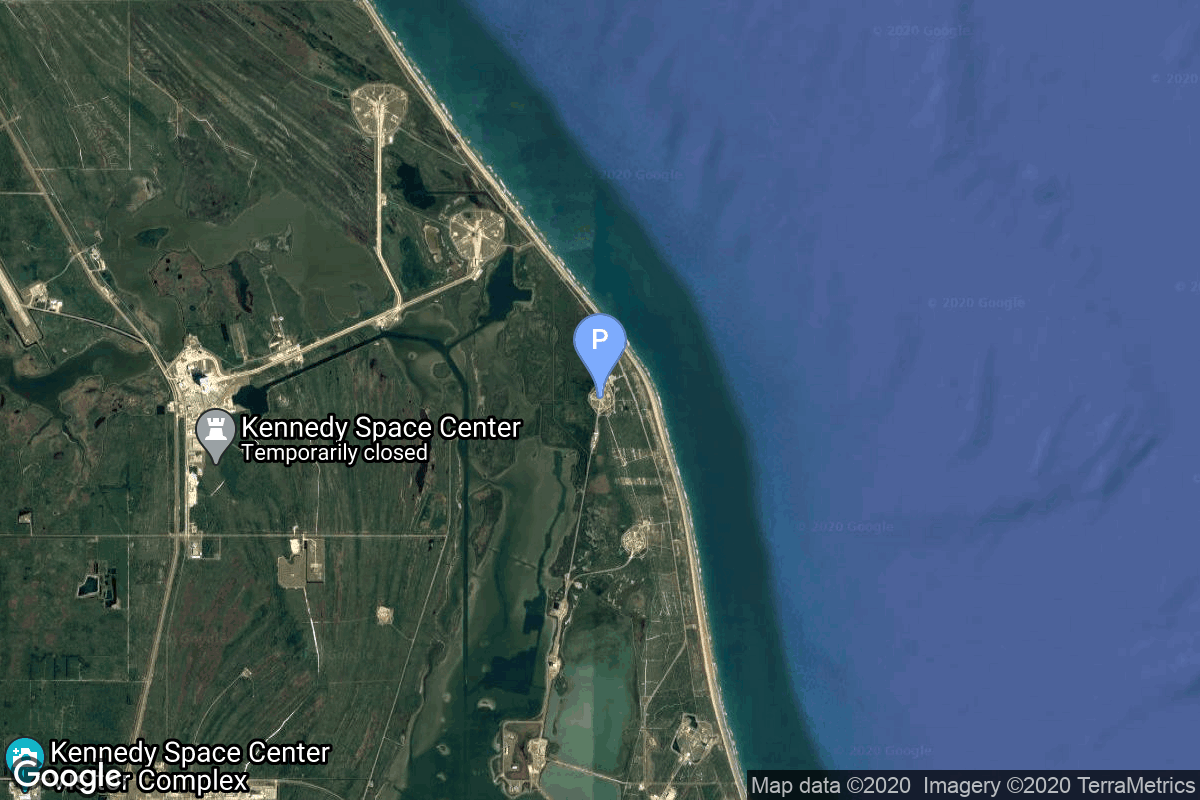
Launch Pad & Location
Space Launch Complex 41
Cape Canaveral SFS, FL, USA
| Launches | 125 |
|---|---|
| Orbital Launch Attempts | 125 |
| Total Launches | 1132 |
Cape Canaveral Space Force Station (CCSFS) is an installation of the United States Space Force's Space Launch Delta 45, located on Cape Canaveral in Brevard County, Florida.
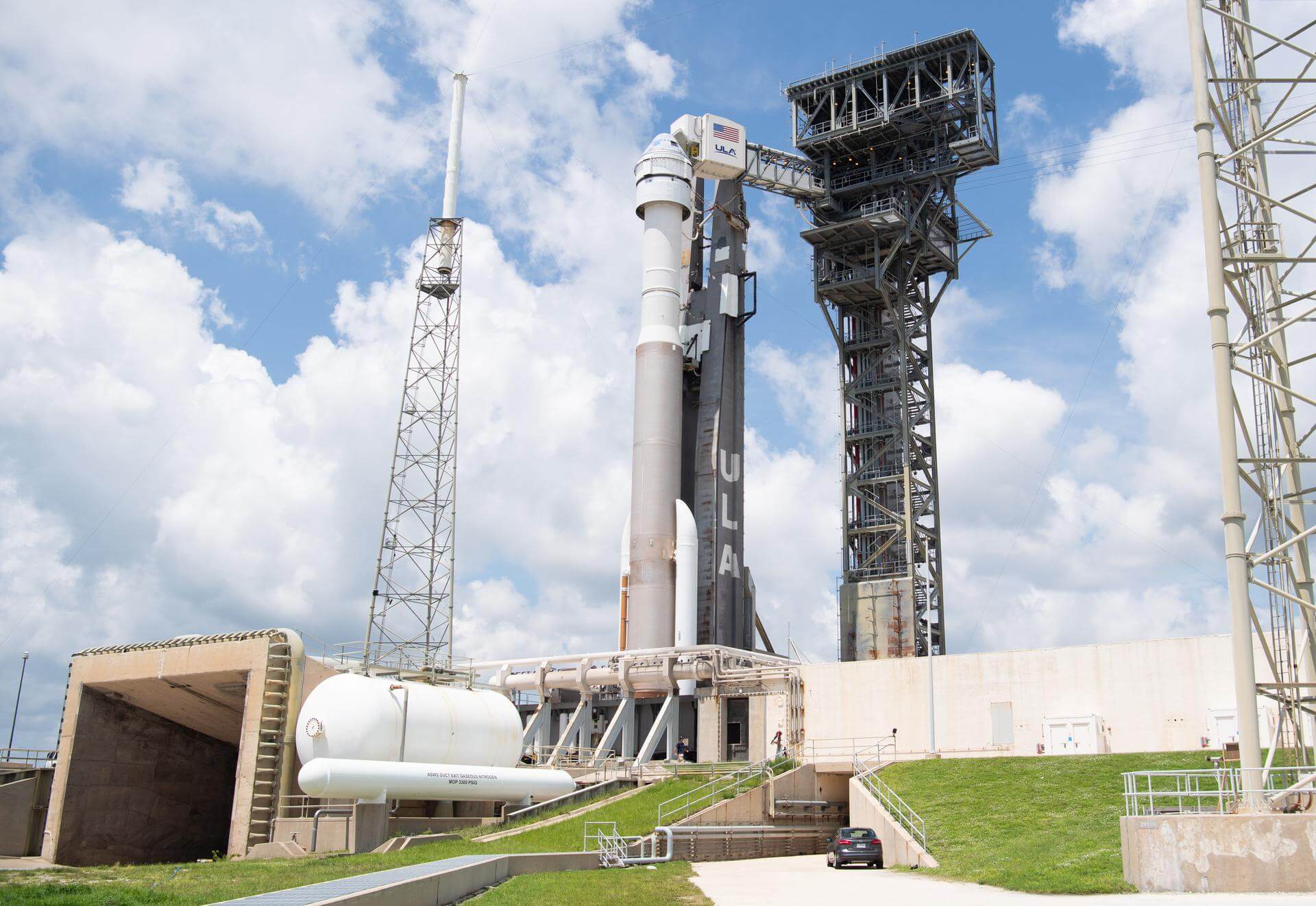
ULA Atlas V N22 Rocket
The Atlas V N22 is a crew rated variant of the Atlas V 422 - it sports two solid motor strap on boosters with two liquid fueled stages. It will be primarly used to support NASA's Commercial Crew program by taking the CST-100 to orbit.
| Length | 58.0 m |
|---|---|
| Diameter | 3.8 m |
| Stages | 2 |
| LEO Capacity | 13,034 kg |
| Launch Cost | $110,000,000 |
| Maiden Flight | 12/20/2019 |
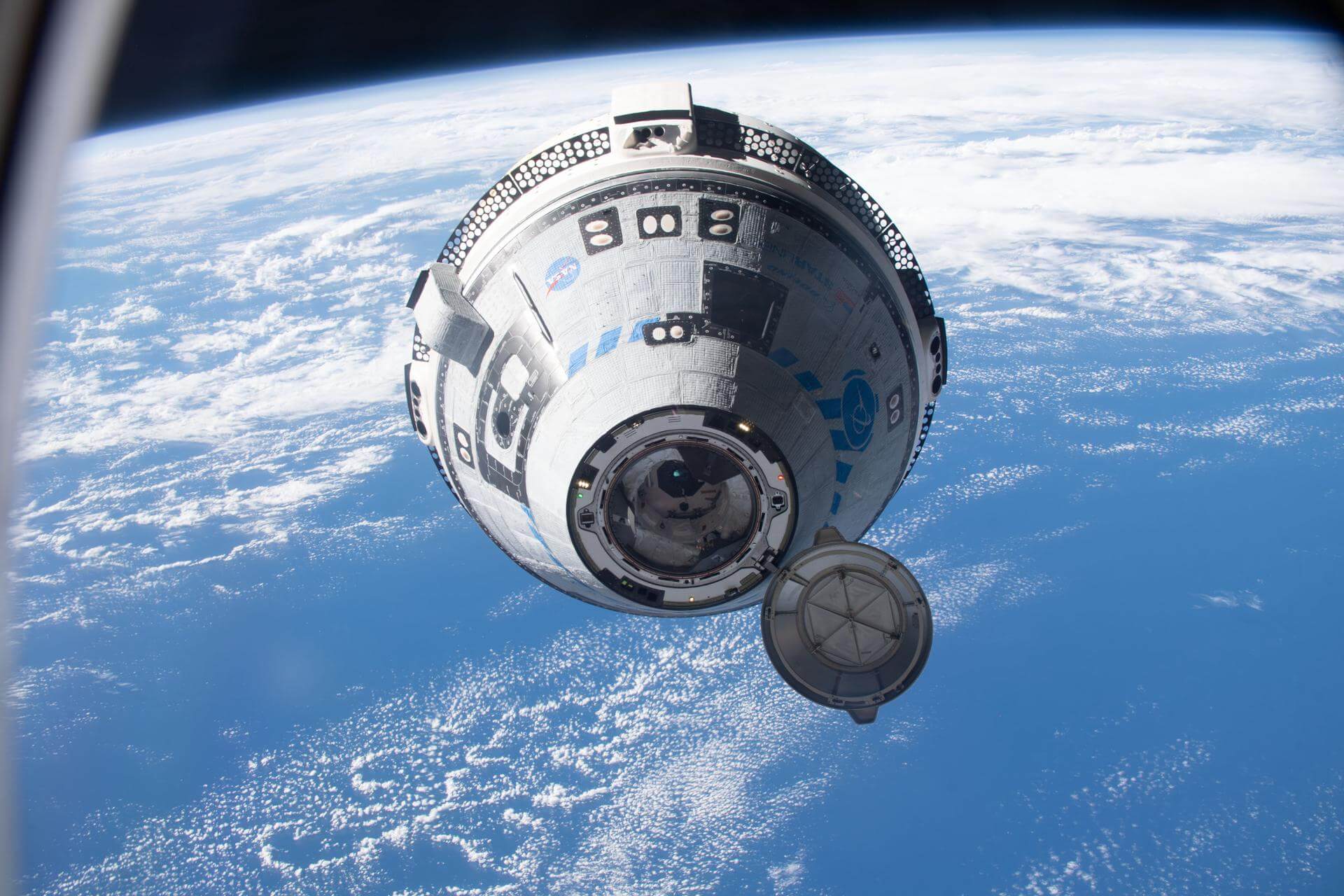
Mission Spacecraft
Starliner 2
Starliner 2 (2) is the spacecraft assigned to this mission. It is a Boeing Capsule designed for Cargo and Human Transportation and will travel to International Space Station.
The second CST-100 Starliner capsule to fly. The Boeing CST-100 Starliner (Crew Space Transportation) crew capsule is a spacecraft design under construction by Boeing as their entry for NASA's Commercial Crew Development program. Its primary purpose is to transport crew to the International Space Station and to private space stations. It is launched on United Launch Alliance Atlas V Rocket. 210 days docked, 60 hours free flight.
| Type | Capsule |
|---|---|
| Agency | Boeing |
| Serial Number | 2 |
| Status | Active |
| Destination | International Space Station |
| Maiden Flight | 8/17/2019 |
| Flights | 1 |
| Crew Capacity | 7 |
| Human Rated | Yes |
| Height | 5.0 m |
| Diameter | 4.6 m |
About ULA
United Launch Alliance (ULA) is a joint venture of Lockheed Martin Space Systems and Boeing Defense, Space & Security. ULA was formed in December 2006 by combining the teams at these companies which provide spacecraft launch services to the government of the United States. ULA launches from both coasts of the US. They launch their Atlas V vehicle from LC-41 in Cape Canaveral and LC-3E at Vandeberg. Their Delta IV launches from LC-37 at Cape Canaveral and LC-6 at Vandenberg.
| Total Launches | 175 |
|---|---|
| Successful | 175 |
| Pending | 72 |
| Consecutive Success | 175 |

Frequently Asked Questions
When is the ULA Atlas V N22 Starliner-1 launch scheduled?
The ULA Atlas V N22 Starliner-1 launch is currently scheduled for:
.
Launch times are subject to change based on weather conditions, technical readiness, and range availability. Check back regularly for the most up-to-date launch time and status updates.
Where is the ULA Atlas V N22 Starliner-1 mission launching from?
The ULA Atlas V N22 rocket will launch from Space Launch Complex 41 at Cape Canaveral SFS, FL, USA. Cape Canaveral Space Force Station (CCSFS) is an installation of the United States Space Force's Space Launch Delta 45, located on Cape Canaveral in Brevard County, Florida. For viewing location recommendations and tips, check the launch location details above.
What rocket is being used for the Starliner-1 mission?
The Starliner-1 mission will launch aboard a ULA Atlas V N22 rocket. The Atlas V N22 is a crew rated variant of the Atlas V 422 - it sports two solid motor strap on boosters with two liquid fueled stages. It will be primarly used to support NASA's Commercial Crew program by taking the CST-100 to orbit. Detailed rocket specifications and performance data are available in the rocket details above.
What weather conditions could delay the ULA Atlas V N22 Starliner-1 launch?
The ULA Atlas V N22 Starliner-1 launch can be delayed by various weather conditions including lightning within 10 nautical miles, high winds (especially upper-level winds), thick cloud layers, precipitation, and poor visibility. Weather must be favorable at the launch site, downrange landing zones, and abort landing sites. Check the launch weather forecast above for current conditions and probability of favorable weather.
How can I get updates if the ULA Atlas V N22 Starliner-1 launch is delayed?
This page is updated in real-time with the latest ULA Atlas V N22 launch status, including any delays or scrubs for the Starliner-1 mission. You can also check our space launch schedule for the most current information. Enable push notifications through our mobile app to receive instant alerts about launch status changes, weather holds, or new launch times. We recommend following official ULA live streams for the most immediate range updates.
Last Updated
Last Updated:
-
NET January 14.
-
NET December.
-
Reverted back to NET 2026 pending additional previous mishaps’ investigations updates.
-
NET April 2026.
-
NET Q1 2026.
-
NET 2025 pending certification plan update.
-
NET August 2025
-
NET early 2025, pending assignment.
-
NET August 2024
-
NET summer 2024