
Arianespace Atlantic Bird 1 & Meteosat 8 Ariane 5 G
Rocket Launch Video Stream
About the Atlantic Bird 1 & Meteosat 8 Mission
| Type | Dedicated Rideshare |
|---|---|
| Orbit | Geostationary Transfer Orbit |
Atlantic Bird is a series of satellites operated by Eutelsat over the atlantic ocean. Operating at 12.5 degrees West. Meteosat 8 is a weather satellite operated by both ESA and EUMETSAT.
Launch Pad & Location
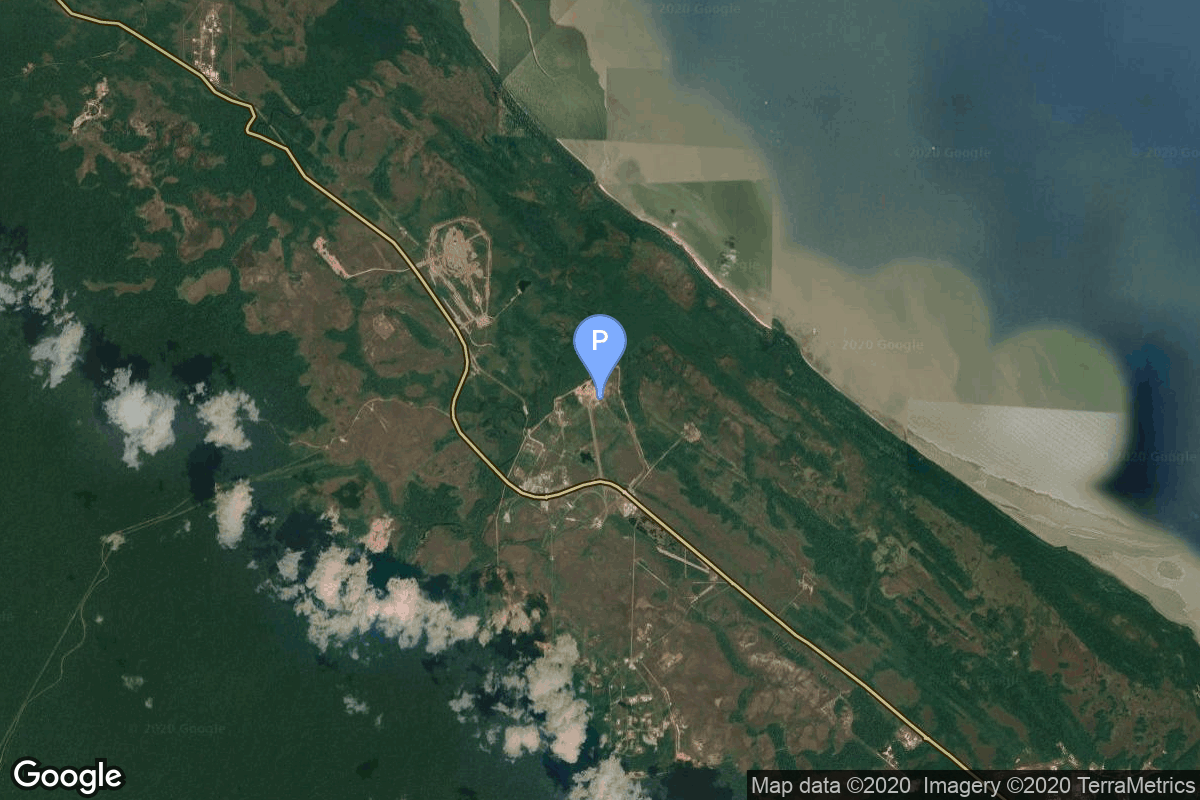
Ariane Launch Area 3
Guiana Space Centre, French Guiana
| Launches | 118 |
|---|---|
| Orbital Launch Attempts | 118 |
| Total Launches | 333 |
The Guiana Space Centre is a European spaceport to the northwest of Kourou in French Guiana, a region of France in South America. Kourou is located at a latitude of 5°. In operation since 1968, it is a suitable location for a spaceport because of its equatorial location and open sea to the east.
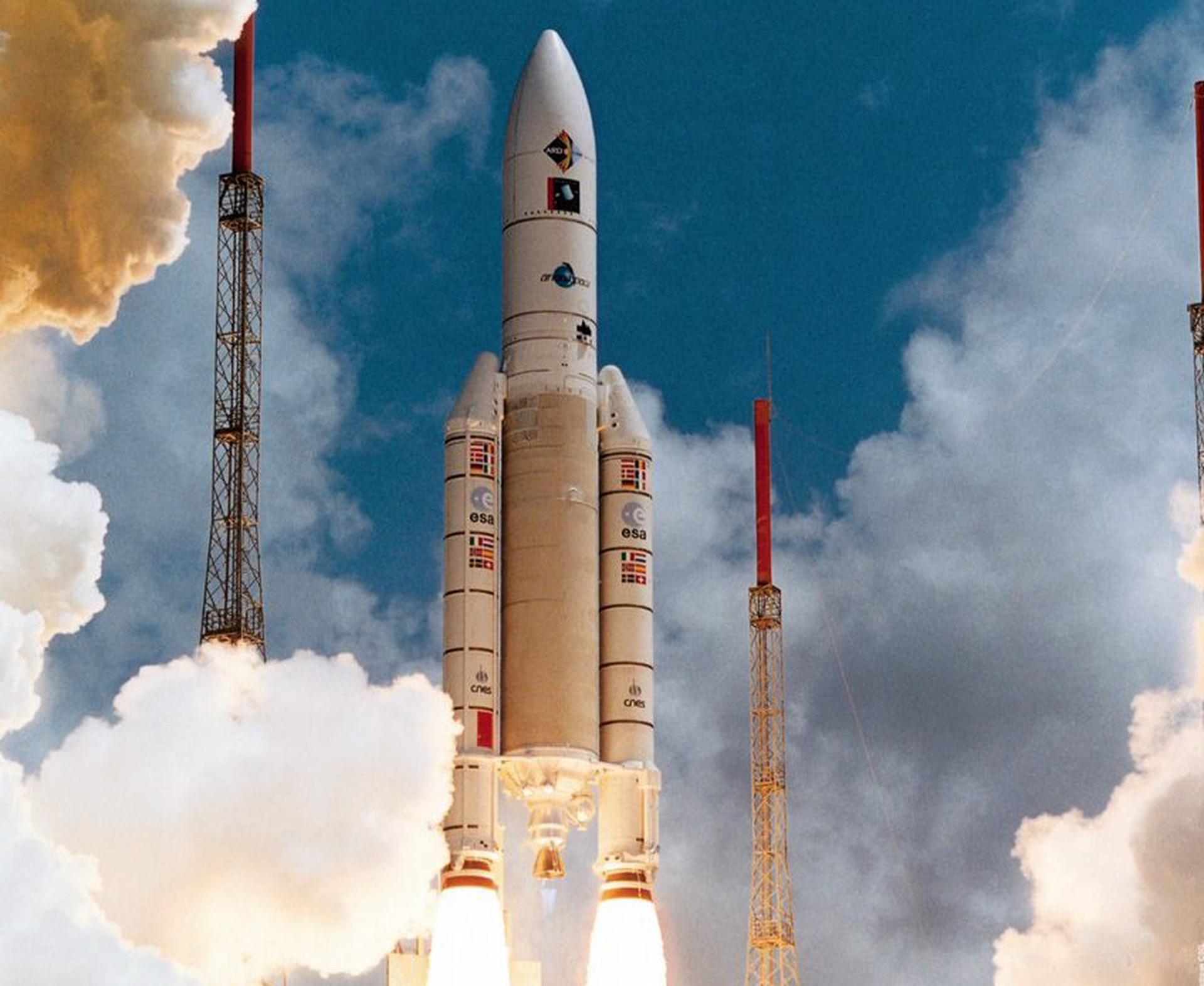
ArianeGroup Ariane 5 G Rocket
The original version is dubbed Ariane 5 G (Generic) and had a launch mass of 737 tonnes. Its payload capability to geostationary transfer orbit (GTO) was 6,900 kg (15,200 lb) for a single satellite or 6,100 kg (13,400 lb) for dual launches. It flew 17 times with one failure and two partial failures.
About Arianespace
Arianespace SA is a multinational company founded in 1980 as the world's first commercial launch service provider. It undertakes the production, operation, and marketing of the Ariane programme. Their vehicles launch exclusively from French Guiana in South America.

Frequently Asked Questions
When was the Arianespace Ariane 5 G Atlantic Bird 1 & Meteosat 8 launch scheduled?
The Arianespace Ariane 5 G Atlantic Bird 1 & Meteosat 8 launch was scheduled for:
.
Where can I watch the Arianespace Ariane 5 G Atlantic Bird 1 & Meteosat 8 launch video?
You can watch the Arianespace Ariane 5 G launch video on this page. The official video includes full mission coverage with multiple camera angles, onboard views, and expert commentary covering pre-launch procedures, liftoff, stage separation, and payload deployment.
Where did the Arianespace Ariane 5 G Atlantic Bird 1 & Meteosat 8 mission launch from?
The Arianespace Ariane 5 G rocket launched from Ariane Launch Area 3 at Guiana Space Centre, French Guiana. The Guiana Space Centre is a European spaceport to the northwest of Kourou in French Guiana, a region of France in South America. Kourou is located at a latitude of 5°. In operation since 1968, it is a suitable location for a spaceport because of its equatorial location and open sea to the east.
What rocket was used for the Atlantic Bird 1 & Meteosat 8 mission?
The Atlantic Bird 1 & Meteosat 8 mission launched aboard a Arianespace Ariane 5 G rocket. The original version is dubbed Ariane 5 G (Generic) and had a launch mass of 737 tonnes. Its payload capability to geostationary transfer orbit (GTO) was 6,900 kg (15,200 lb) for a single satellite or 6,100 kg (13,400 lb) for dual launches. It flew 17 times with one failure and two partial failures. Detailed rocket specifications and performance data are available in the rocket details above.
What weather conditions could have delayed the Arianespace Ariane 5 G Atlantic Bird 1 & Meteosat 8 launch?
The Arianespace Ariane 5 G Atlantic Bird 1 & Meteosat 8 launch could have been delayed by various weather conditions including lightning within 10 nautical miles, high winds (especially upper-level winds), thick cloud layers, precipitation, and poor visibility. Weather must be favorable at the launch site, downrange landing zones, and abort landing sites.
How can I get updates if the Arianespace Ariane 5 G Atlantic Bird 1 & Meteosat 8 launch was delayed?
This page was updated in real-time with the latest Arianespace Ariane 5 G launch status, including any delays or scrubs for the Atlantic Bird 1 & Meteosat 8 mission. You can also check our space launch schedule for historical launch information. Our mobile app provides push notifications for instant alerts about launch status changes. Official Arianespace live streams provided the most immediate range updates during the launch window.
Last Updated
Last Updated: