
NG-25 Prelaunch Media Teleconference
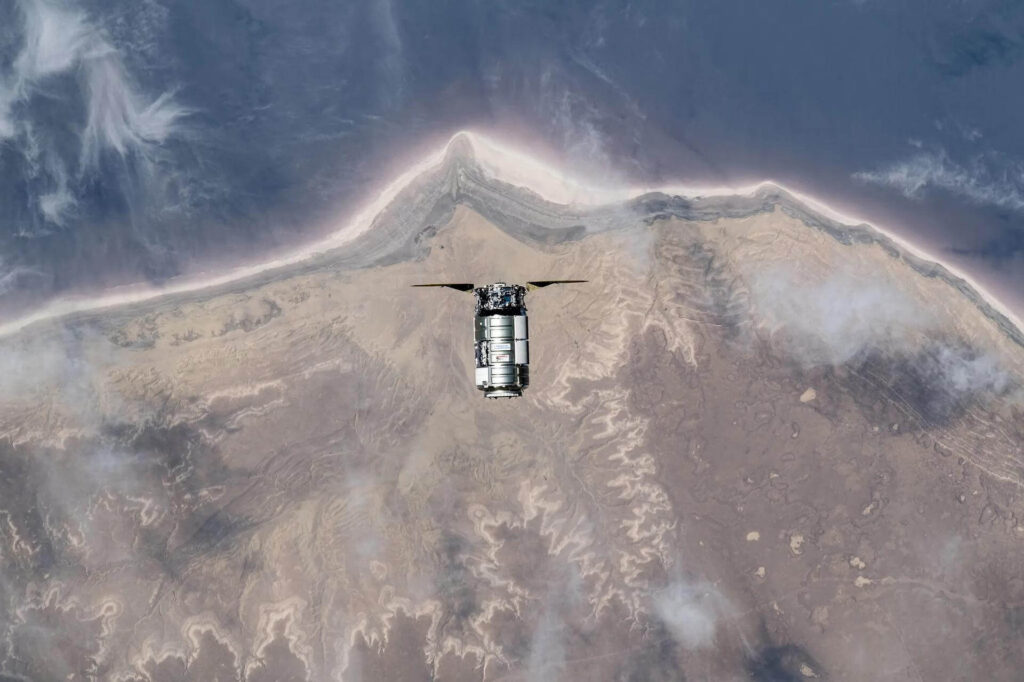
Photo Credit: NASA
- Date:
- Location: Online
- Type: Press Event
NASA will host a prelaunch media teleconference with the following participants:
– Gaurang Patel, operations integration manager, NASA’s Low Earth Orbit Program
– Jennifer Buchli, chief scientist, NASA’s Low Earth Orbit Program
– Dave Schiller, vice president, civil space and sciences, Northrop Grumman
– Jared Metter, director, flight reliability, SpaceX
Related Launch
Agencies
- National Aeronautics and Space Administration (NASA)
- Northrop Grumman Space Systems (NGSS)
- SpaceX (SpX)
Space Station
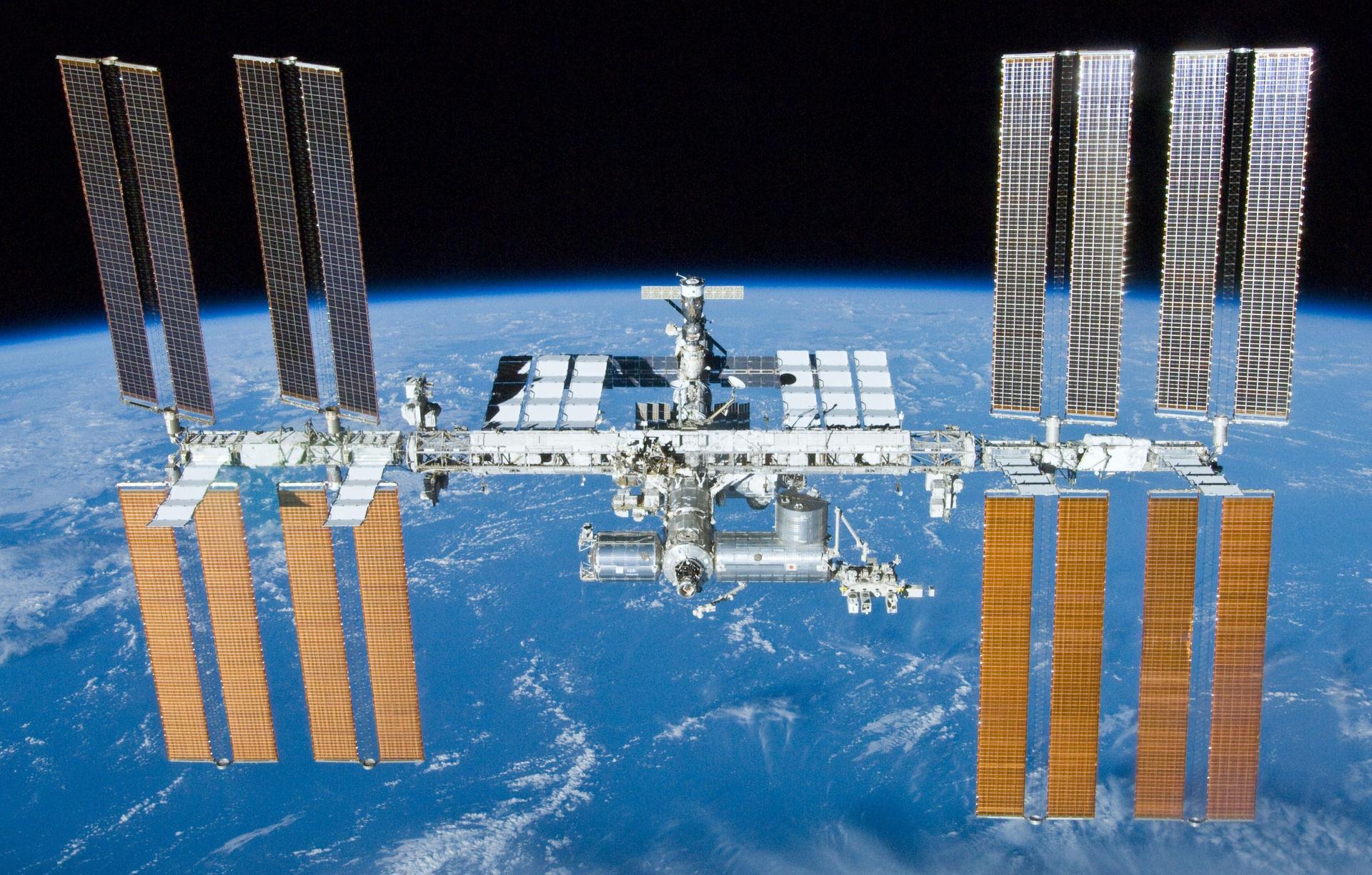
International Space Station
- Status: Active
- Type: Government
- Orbit: Low Earth Orbit
- Founded: November 20, 1998
The International Space Station (ISS) is a space station, or a habitable artificial satellite, in low Earth orbit. Its first component was launched into orbit in 1998, with the first long-term residents arriving in November 2000. It has been inhabited continuously since that date. The last pressurised module was fitted in 2011, and an experimental inflatable space habitat was added in 2016. The station is expected to operate until 2030. Development and assembly of the station continues, with several new elements scheduled for launch in 2019. The ISS is the largest human-made body in low Earth orbit and can often be seen with the naked eye from Earth. The ISS consists of pressurised habitation modules, structural trusses, solar arrays, radiators, docking ports, experiment bays and robotic arms. ISS components have been launched by Russian Proton and Soyuz rockets, and American Space Shuttles.
Program
Human Spaceflight: Commercial Resupply Services
Commercial Resupply Services (CRS) are a series of flights awarded by NASA for the delivery of cargo and supplies to the International Space Station.The first CRS contracts were signed in 2008 and awarded $1.6 billion to SpaceX for twelve cargo Dragon and $1.9 billion to Orbital Sciences for eight Cygnus flights, covering deliveries to 2016. The Falcon 9 and Antares rockets were also developed under the CRS program to deliver cargo spacecraft to the ISS.
Last Updated: