Titan 33B (Lockheed Martin)
Titan IIIB was the collective name for a number of derivatives of the Titan II ICBM and Titan III launch vehicle, modified by the addition of an Agena upper stage. It consisted of four separate rocket…
Titan IIIB was the collective name for a number of derivatives of the Titan II ICBM and Titan III launch vehicle, modified by the addition of an Agena upper stage. It consisted of four separate rocket…
Titan IIIB was the collective name for a number of derivatives of the Titan II ICBM and Titan III launch vehicle, modified by the addition of an Agena upper stage. It consisted of four separate rocket…
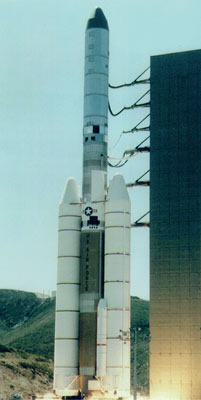
The Titan 34D was a United States expendable launch vehicle used to launch a number of satellites for military applications….
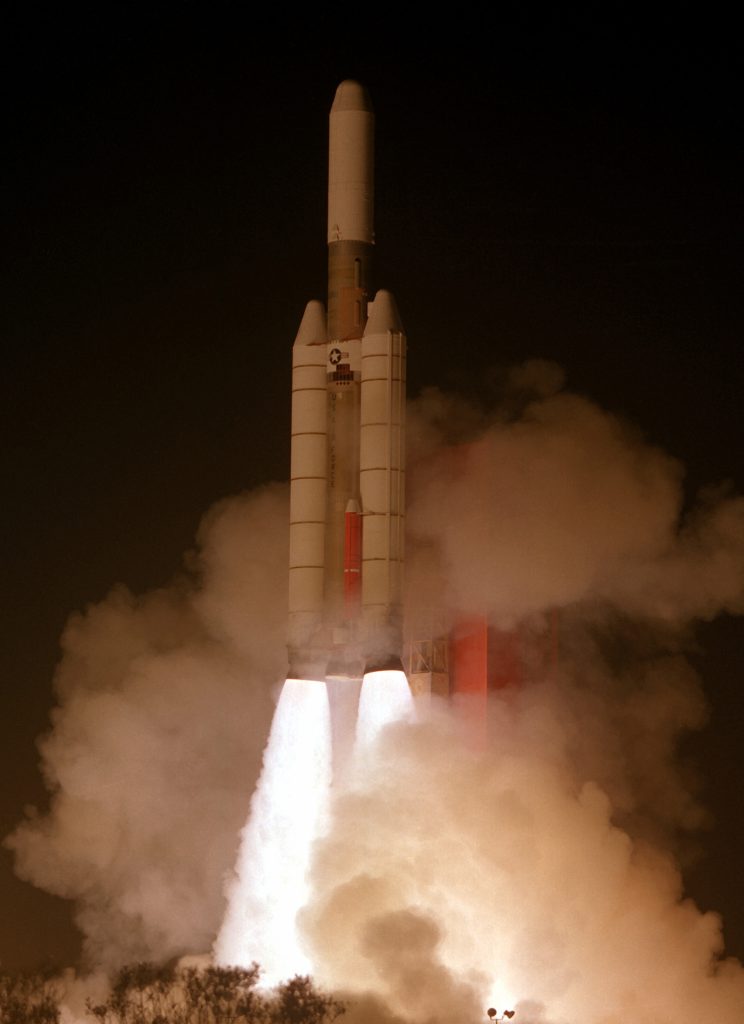
The Titan 34D was a United States expendable launch vehicle used to launch a number of satellites for military applications….
The Titan 34D was a United States expendable launch vehicle used to launch a number of satellites for military applications….
Titan IV was a family of heavy-lift space launch vehicles developed by Martin Marietta and operated by the United States Air Force from 1989 to 2005….
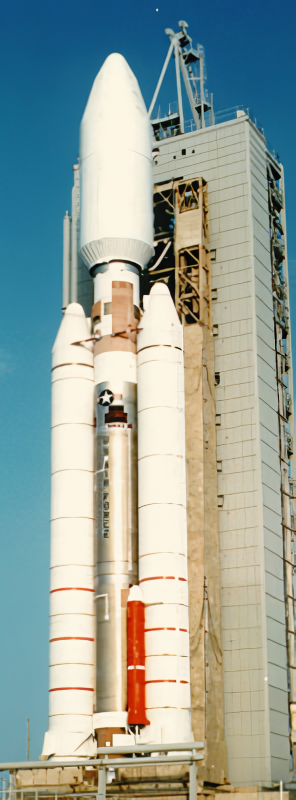
Titan IV was a family of heavy-lift space launch vehicles developed by Martin Marietta and operated by the United States Air Force from 1989 to 2005….
Titan IV was a family of heavy-lift space launch vehicles developed by Martin Marietta and operated by the United States Air Force from 1989 to 2005….
Titan IV was a family of heavy-lift space launch vehicles developed by Martin Marietta and operated by the United States Air Force from 1989 to 2005….
Titan IV was a family of heavy-lift space launch vehicles developed by Martin Marietta and operated by the United States Air Force from 1989 to 2005….
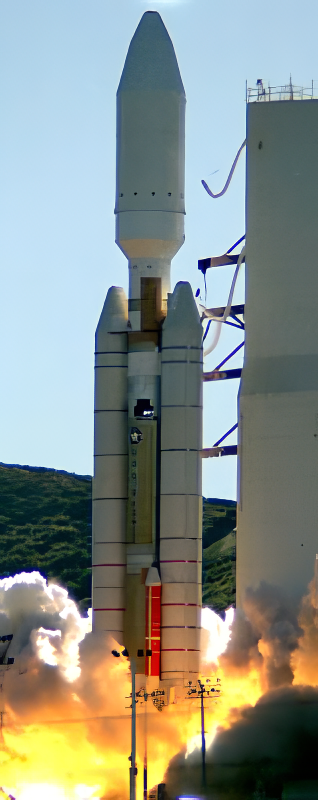
Titan IV was a family of heavy-lift space launch vehicles developed by Martin Marietta and operated by the United States Air Force from 1989 to 2005….
Titan IV was a family of heavy-lift space launch vehicles developed by Martin Marietta and operated by the United States Air Force from 1989 to 2005….
Titan IV was a family of heavy-lift space launch vehicles developed by Martin Marietta and operated by the United States Air Force from 1989 to 2005….
Titan IV was a family of heavy-lift space launch vehicles developed by Martin Marietta and operated by the United States Air Force from 1989 to 2005….
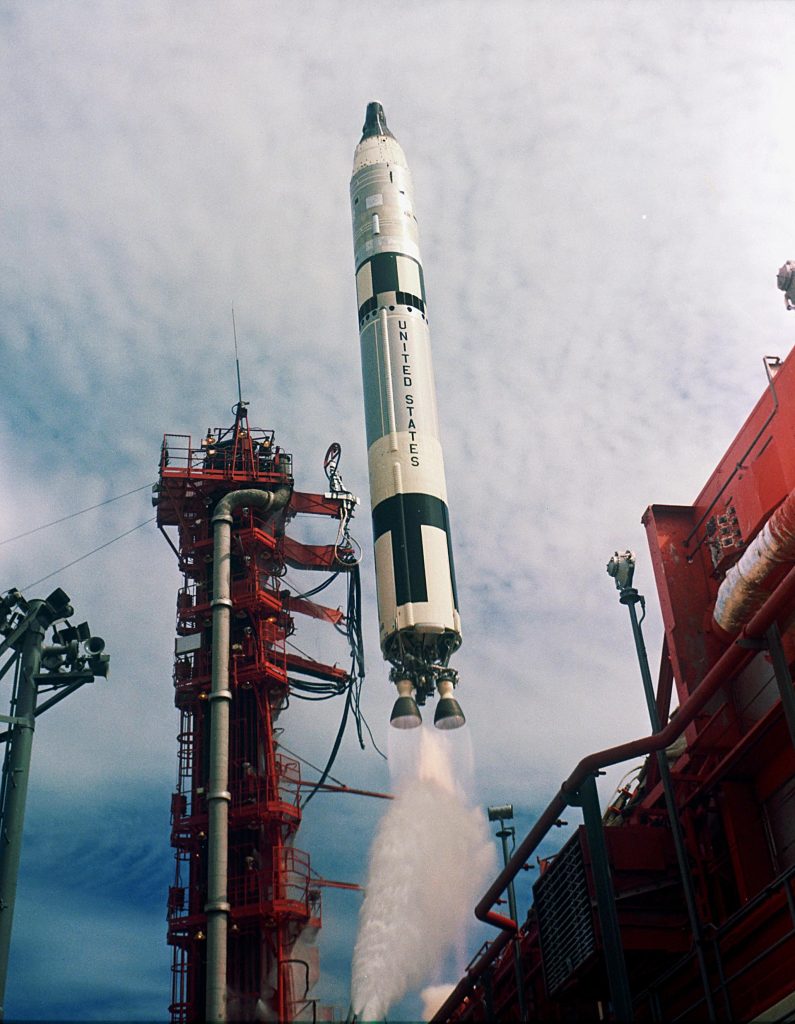
The Titan II GLV (Gemini Launch Vehicle) or Gemini-Titan II was an American expendable launch system derived from the Titan II missile, which was used to launch twelve Gemini missions for NASA between…
