
Long March 2F (China Aerospace Science and Technology Corporation)
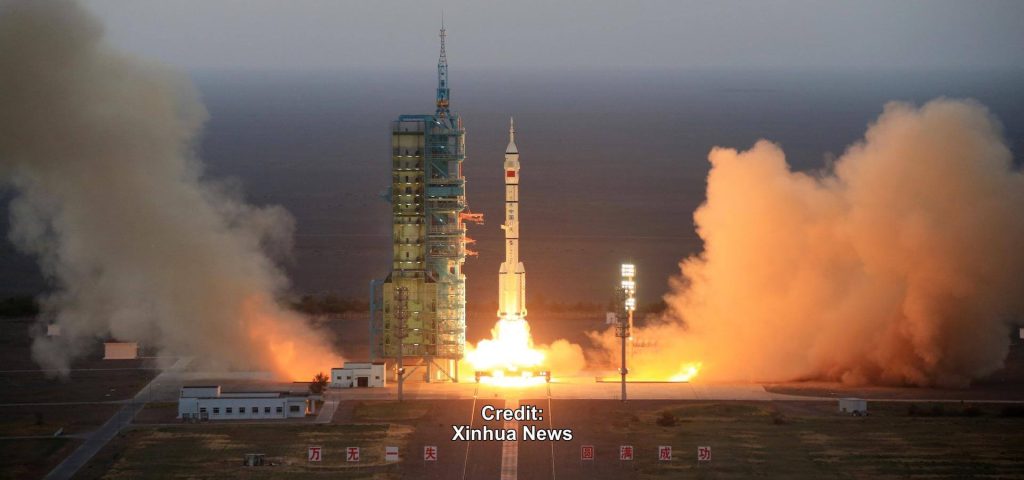
The Long March 2F is a non-reusable, inactive launch vehicle manufactured by China Aerospace Science and Technology Corporation (established in 1999). It undertook its inaugural launch on 11/19/1999.
The Long March 2F is a Chinese orbital carrier rocket, part of the Long March 2 rocket family. Designed to launch the crewed Shenzhou spacecraft, the Long March 2F is a human-rated two-stage version of the Long March 2E rocket, which in turn was based on the Long March 2C launch vehicle. It is launched from complex SLS at the Jiuquan Satellite Launch Center.
Long March 2F Specifications
| Variant | F |
|---|---|
| Length | 62 m |
| Diameter | 3.35 m |
| Stages | 2 |
| Launch Mass | 464 T |
| Takeoff Thrust | 5985 kN |
| LEO Capacity | 8400 kg |
Long March 2F Launch Record
| Total Launches | 7 |
|---|---|
| Successful Launches | 7 |
| Consecutive Successful Launches | 7 |
Manufacturer
Chairman & President: Lei Fanpei
The China Aerospace Science and Technology Corporation (CASC) is the main contractor for the Chinese space program. It is state-owned and has a number of subordinate entities which design, develop and manufacture a range of spacecraft, launch vehicles, strategic and tactical missile systems, and ground equipment. It was officially established in July 1999 as part of a Chinese government reform drive, having previously been one part of the former China Aerospace Corporation. Various incarnations of the program date back to 1956.
Program
The Shenzhou program is a crewed spaceflight initiative by China. The program put the first Chinese citizen, Yang Liwei, into orbit on 15 October 2003.