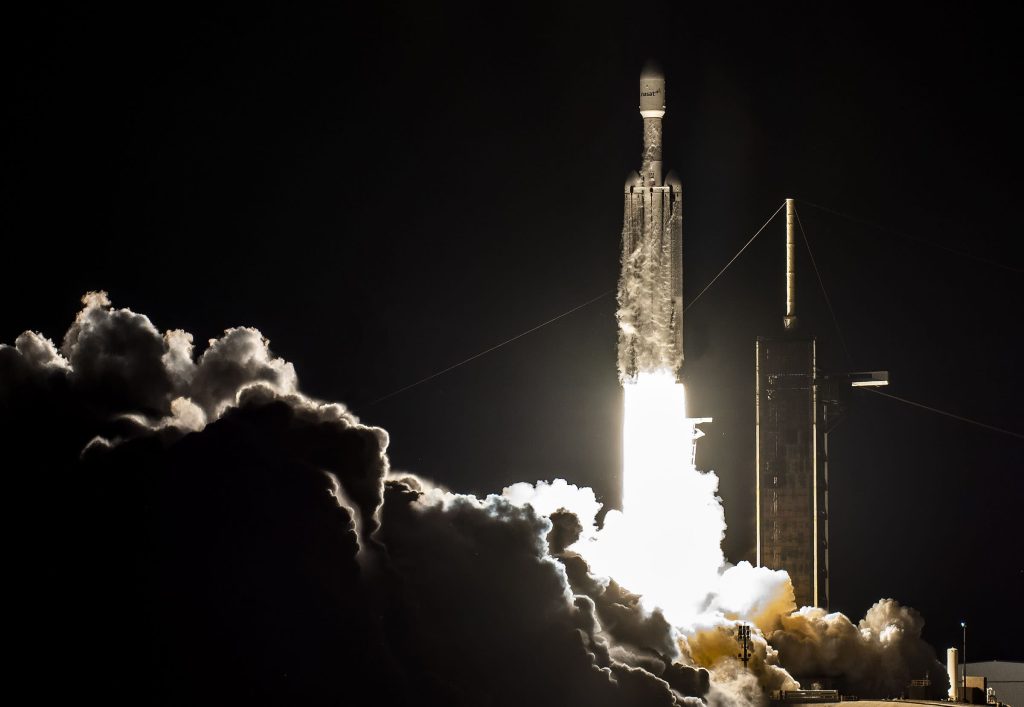
How Rocket Launch Dates Are Determined: Timing, Weather, and Launch Windows
How Rocket Launch Dates Are Determined
Rocket launches require extensive planning, coordination, and precise timing. Understanding how rocket launch dates are determined helps explain why launch schedules often change and why delays are common. Every rocket launch date and time depends on multiple technical, environmental, and operational factors working together.
From weather conditions to orbital mechanics, each launch is scheduled only when all conditions align to ensure mission success and safety.
Weather Conditions and Rocket Launch Timing
Weather is one of the most important factors in determining rocket launch dates and times. Even minor weather concerns can delay or scrub a launch. High winds, lightning, thunderstorms, heavy cloud cover, and even upper-atmosphere conditions can make a launch unsafe.
Rocket launch vehicles and their payloads are highly sensitive to environmental conditions. Strong winds can affect vehicle stability, while lightning poses a serious risk to onboard electronics. Because of this, launch teams continuously monitor real-time weather data when deciding how rocket launch dates are determined.
Orbital Mechanics and Launch Timing
Orbital mechanics play a critical role in how rocket launch dates are determined. To reach a specific orbit, destination, or spacecraft rendezvous, the launch must occur at a very precise time.
The positions of Earth, the Moon, the International Space Station, or another target must align perfectly with the launch site. Engineers calculate these trajectories using complex models that account for Earth’s rotation and gravitational forces. If the timing is off by even seconds, the mission could fail or require additional fuel.
Launch Range and Pad Availability
Another major factor in determining rocket launch dates is launch range availability. Spaceports and launch ranges must be clear of air traffic, shipping lanes, and other launches.
Many launch ranges are operated in coordination with military facilities, meaning launches must be scheduled around national security operations and testing activities. If the range or launch pad is unavailable, the rocket launch date must be moved—even if everything else is ready.
Technical Readiness of the Rocket
Technical readiness is a non-negotiable part of how rocket launch dates are determined. The rocket, payload, ground systems, and support equipment must all be fully operational.
If inspections uncover even a minor technical issue, launch teams may delay the launch to perform repairs or additional testing. These precautions ensure mission success and protect valuable spacecraft and crew when applicable.
Launch Windows Explained
Launch windows are specific time periods during which a rocket can safely launch and still achieve its mission objectives. These windows can range from several hours to just a few minutes.
For missions to the International Space Station or deep space destinations, launch windows are often extremely narrow. If a rocket misses its launch window, it must wait for the next available opportunity—sometimes days or weeks later. This is a key reason why rocket launch dates and times can change at the last minute.
Mission Priorities and Scheduling
Mission priority also influences how rocket launch dates are determined. High-priority missions, such as resupply missions to the International Space Station or national security payloads, may take precedence over commercial or scientific missions.
When multiple launches compete for the same launch range or pad, mission importance helps determine which rocket launches first.
Why Rocket Launch Dates Change Frequently
Because rocket launch dates depend on so many variables, delays are common. Weather changes, technical checks, or range conflicts can all impact the final launch time.
Understanding how rocket launch dates are determined helps explain why launch schedules remain flexible until the final countdown.
Final Thoughts
Rocket launch dates and times are determined through a complex combination of weather conditions, orbital mechanics, technical readiness, launch windows, range availability, and mission priorities. Each launch represents years of planning and precise execution.
With careful coordination and constant monitoring, launch teams work to ensure every rocket launches safely and successfully—even if that means waiting for the perfect moment.
FAQs: How Rocket Launch Dates Are Determined
How are rocket launch dates determined?
Rocket launch dates are determined by weather conditions, orbital mechanics, launch windows, technical readiness, range availability, and mission priority.
Why do rocket launch times change so often?
Launch times can change due to weather delays, technical issues, or conflicts at the launch range.
What is a launch window?
A launch window is a specific time period when a rocket can launch and still reach its intended orbit or destination.
Can rockets launch in bad weather?
No. Rockets cannot launch during unsafe weather conditions such as lightning, high winds, or storms.
Who decides when a rocket launches?
Launch decisions are made by mission controllers, launch providers, weather officers, and range safety officials.
