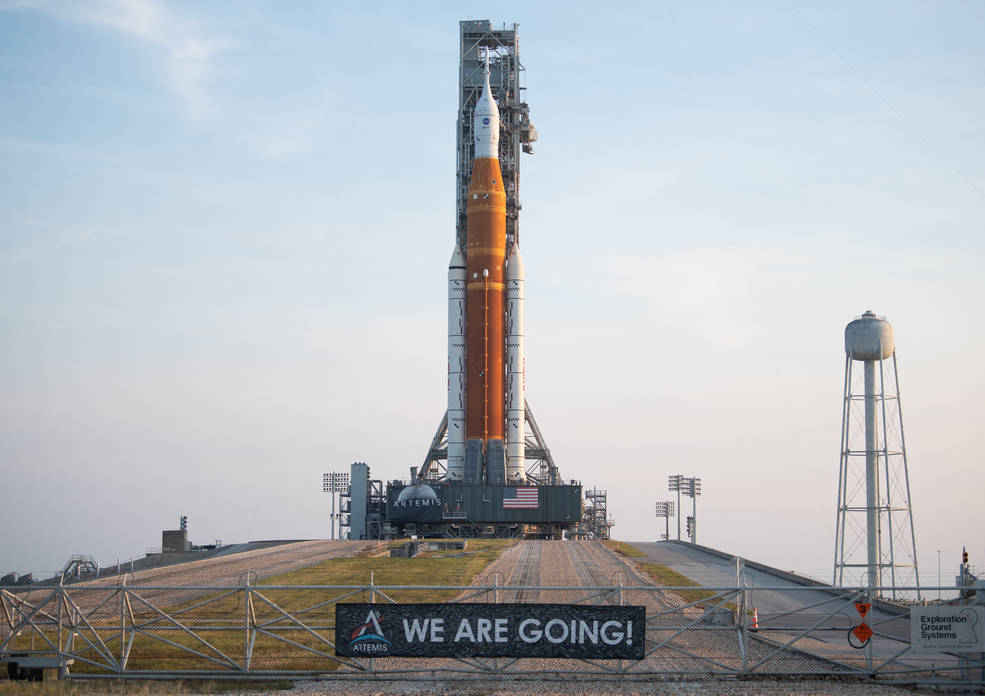
Benefits of Space Exploration: Technologies That Power Everyday Life
Many people are surprised to learn that everyday items we rely on for work, school, health, and safety exist because of space programs. The benefits of space exploration extend far beyond rockets and astronauts, delivering practical technologies that improve quality of life on Earth.
While space exploration can be costly, the technological advancements developed for space missions continue to provide lasting value to society—often in unexpected ways.
Key Benefits of Space Exploration
Global Connectivity Through Satellites
One of the most visible benefits of space exploration is global connectivity. Satellites enable high-speed communication in remote and hard-to-reach regions such as deserts, oceans, and rainforests—areas once completely disconnected from the rest of the world.
Modern satellite constellations, including the SpaceX Starlink missions, are expanding access to space-based internet, providing reliable broadband connectivity worldwide. Satellite communications also play a critical role in aviation, improving aircraft tracking, air traffic control accuracy, fuel efficiency, and enabling in-flight Wi-Fi.
Protecting Wildlife and Monitoring Climate Change
Satellite technology developed through space exploration allows scientists to monitor Earth on regional, national, and global scales. Satellites in geostationary orbit follow Earth’s rotation, enabling continuous observation of specific areas.
Among the major benefits of space exploration is the ability to track climate change, deforestation, melting ice caps, and rising sea levels. Satellites also help combat illegal fishing, logging, and wildlife trafficking by using GPS tracking and algorithms to detect suspicious activity and alert authorities in real time.
Weather Forecasting and Disaster Relief
More than 99% of modern weather forecasting data comes from satellites. This is one of the most life-saving benefits of space exploration. Satellites track hurricanes, wildfires, floods, and severe storms, allowing early warnings and faster emergency responses.
Earth observation imagery helps disaster response teams plan evacuation routes, locate survivors, and deliver aid efficiently—saving countless lives during natural disasters.
Ending Hunger and Providing Clean Water
Satellite imagery plays a crucial role in food security and water management. By monitoring reservoir levels and water distribution, satellites provide early warnings of droughts and shortages, especially in regions that share water resources.
Remote sensing technology also helps analyze soil health, crop growth, and environmental changes. One of the most impactful benefits of space exploration is precision agriculture, where satellites guide farmers on when to irrigate, fertilize, and harvest—improving yields and reducing waste.
Technologies Developed by Space Exploration
Advanced Medical Technology
Many modern medical tools trace their origins to space research:
-
Artificial limbs: Robotic sensors and muscle systems developed for space vehicles led to more realistic and functional prosthetics.
-
CAT and MRI scans: Image processing technology used to map the Moon laid the foundation for advanced medical imaging.
-
Insulin pumps: Astronaut health monitoring systems developed by NASA now help regulate blood sugar levels for diabetes patients.
Multi-Use Consumer Technology
Some of the most common devices we use daily exist thanks to space exploration:
-
Cellphone cameras: Imaging sensors developed by NASA’s Jet Propulsion Laboratory power modern smartphone cameras.
-
Computer mouse: Created to improve interaction with spacecraft computers.
-
Laptops: The Grid Compass, developed for space missions in the 1980s, became the first true laptop.
-
Wireless headphones: Hands-free astronaut communication systems inspired today’s wireless audio technology.
Structural Safety and Construction
Several benefits of space exploration directly impact infrastructure safety:
-
Home insulation: Thermal insulation tested for Apollo missions is now widely used in buildings.
-
Shock absorbers: Designed to protect spacecraft equipment, this technology now helps safeguard buildings and bridges from earthquakes.
Household and Fitness Technology
-
Air purifiers: Originally developed for the International Space Station to remove contaminants.
-
Workout machines: Created to prevent muscle and bone loss in zero gravity and now used in gyms worldwide.
Frontline and Emergency Equipment
Space technology has also improved emergency response:
-
Firefighter suits: Heat-resistant materials from spacesuits protect firefighters.
-
Lifeshears: Derived from shuttle separation tools, now used by first responders to rescue people from vehicles and collapsed structures.
Final Thoughts: Why Space Exploration Matters
The benefits of space exploration extend into nearly every aspect of modern life—from healthcare and agriculture to communication, safety, and disaster relief. Technologies originally developed for astronauts now help billions of people on Earth live safer, healthier, and more connected lives.
As space programs and private companies like SpaceX continue to innovate, even more space-derived technologies will shape the future of society. Space exploration is not just about reaching new worlds—it’s about improving life on our own.
FAQs About the Benefits of Space Exploration
What are the main benefits of space exploration?
The benefits of space exploration include technological innovation, global connectivity, improved healthcare, climate monitoring, and disaster response.
How does space exploration help everyday life?
Many everyday technologies—such as smartphones, medical imaging, GPS, and air purifiers—originated from space research.
Does satellite technology help fight climate change?
Yes, satellites monitor climate patterns, deforestation, ocean temperatures, and emissions, helping scientists track environmental changes.
What medical technologies came from space programs?
Artificial limbs, MRI and CAT scans, and insulin pumps all trace their origins to space exploration technology.
Is space exploration worth the cost?
Yes. The long-term economic, technological, and humanitarian benefits of space exploration far outweigh its initial costs.
