
Animals in Space: Pioneering the Final Frontier
Last updated: September 30, 2026.
The story of space exploration is not entirely about human astronauts; it also includes a wide variety of animals that have ventured far into the final frontier. These creatures were sent to space in order to help scientists understand the effects of space travel on living organisms before sending humans on similar missions. From primates and rodents to aquatic species and insects, animals were essential test subjects for examining how living organisms respond to microgravity, radiation, and other spaceflight conditions. This exploration of their journeys reveals both the groundbreaking scientific discoveries and the ethical complexities of using animals in such experiments.
The story of animals in space is a fascinating chapter in the history of space exploration, revealing both scientific breakthroughs and ethical debates.
The Early Days: Fruit Flies and Monkeys
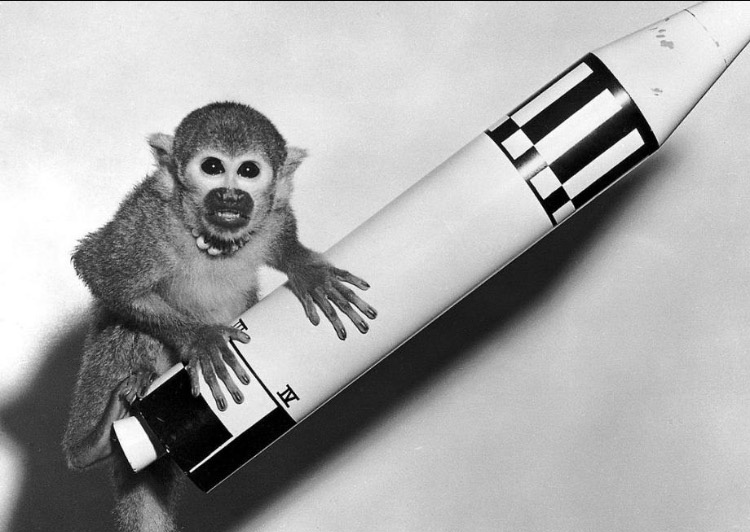
The first living organisms in space were fruit flies, launched aboard a V-2 rocket by the United States on February 20, 1947. This experiment aimed to investigate the effects of cosmic radiation and high-altitude conditions on biological specimens. Fruit flies were chosen specifically because their short life spans and genetic simplicity made them ideal subjects for understanding the potential risks of space travel.
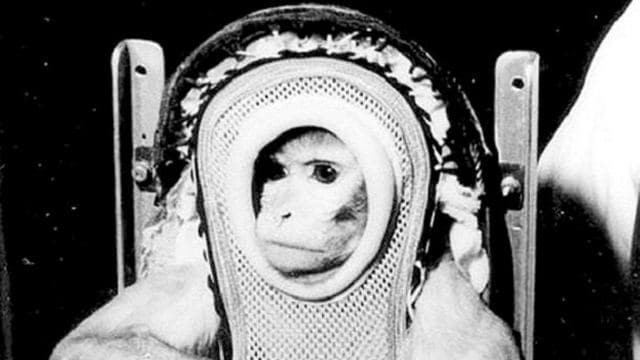
Shortly afterward, larger animals—primates specifically—became the focus of experimentation. In 1949, Albert II, a Rhesus monkey, became the first primate to reach space aboard a V-2 rocket. Flying to an altitude of 83 miles, Albert II’s journey was intended to assess the effects of microgravity on the cardiovascular and nervous systems. Tragically, he did not survive the landing due to a parachute failure during re-entry, highlighting the danger and ethical challenges of using living organisms in pioneering space missions.
Laika: The First Orbital Pioneer
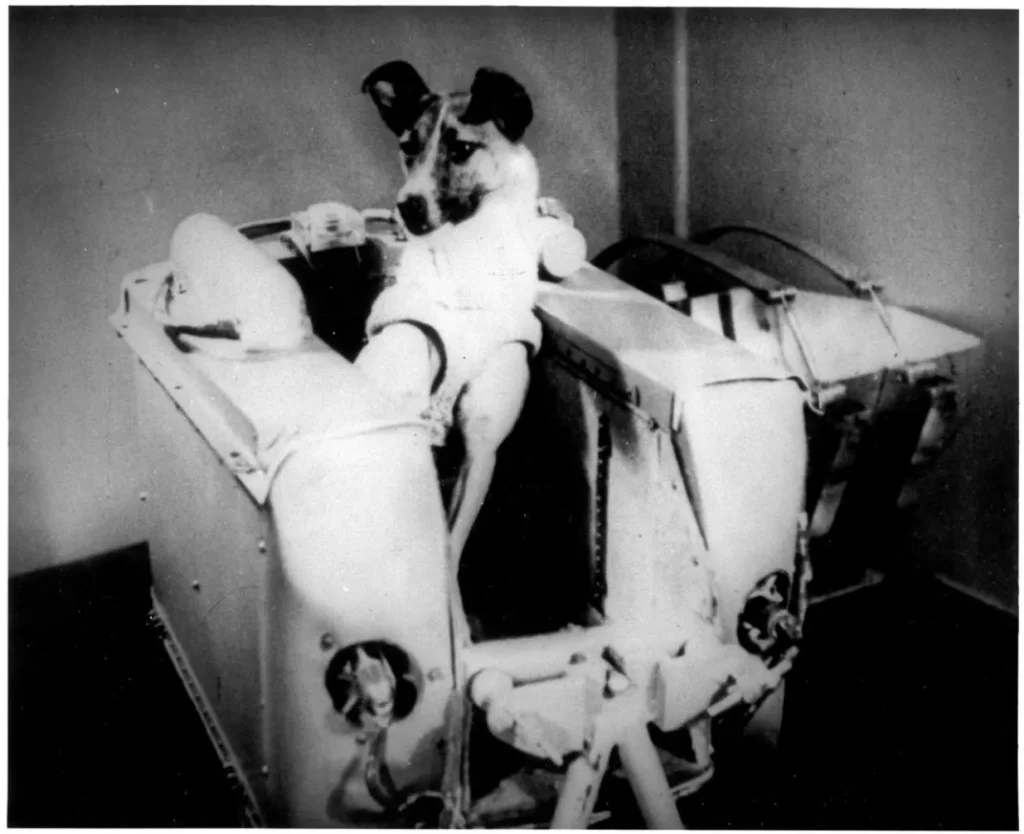
Laika the dog became the first living being to orbit Earth, marking a historic milestone in the study of animals in space. In 1957 the Soviet Union made a historic leap in space exploration by launching Laika, a stray dog from Moscow, aboard Sputnik 2. Laika’s mission, chosen due to her adaptability and calm temperament, marked the first orbital flight of a living organism. Though the mission provided critical data and insight into the physiological effects of orbital spaceflight, it sadly ended in tragedy. The mission was essentially a one-way trip, as there was no technology created for re-entry, and production was rushed in order to beat the United States to space. The spacecraft is believed to have overheated due to faulty thermal control systems and loss of insulation upon launch. Laika’s sacrifice became an international symbol of scientific progress and remains a widely recognized story in pop culture.
Expanding the Menagerie: Frogs, Turtles and Jellyfish
Experiments with frogs, turtles, and jellyfish expanded research on space biology and demonstrated how animals in space respond to microgravity. In 1969, NASA launched bullfrogs to study the effects of microgravity on vestibular function, providing insights into motion sickness and balance disorders.
Jellyfish were launched aboard the Space Shuttle in 1991 to examine how microgravity affected their ability to sense orientation. Their gravity-sensing structures developed abnormally in space, offering vital clues about how weightlessness impacts sensory systems.
Turtles, selected for their hardiness, were central to Soviet studies on the physiological effects of prolonged weightlessness. These experiments revealed how extended exposure to microgravity influenced metabolic rates, muscle function, and resilience during re-entry.
Mice, Rats, and Insects: Modern-Day Explorers
Small animals, particularly rodents, have become vital components of modern space biology. They have been integral to studies on the effects of long-term microgravity on muscle atrophy, bone density loss, and immune system changes. Their presence aboard the International Space Station (ISS) continues to provide invaluable data for developing countermeasures to protect human astronauts on future missions to Mars and beyond.
Insects such as fruit flies and beetles have also contributed significantly to space research. Fruit flies are ideal for studying the genetic and cellular impacts of cosmic radiation. Spiders showcased their adaptability by weaving webs in zero gravity — Arabella and Anita wove webs aboard Skylab in 1973 as a student experiment — offering insights into behavioral plasticity.
Cats in Space: The French Feline Félicette
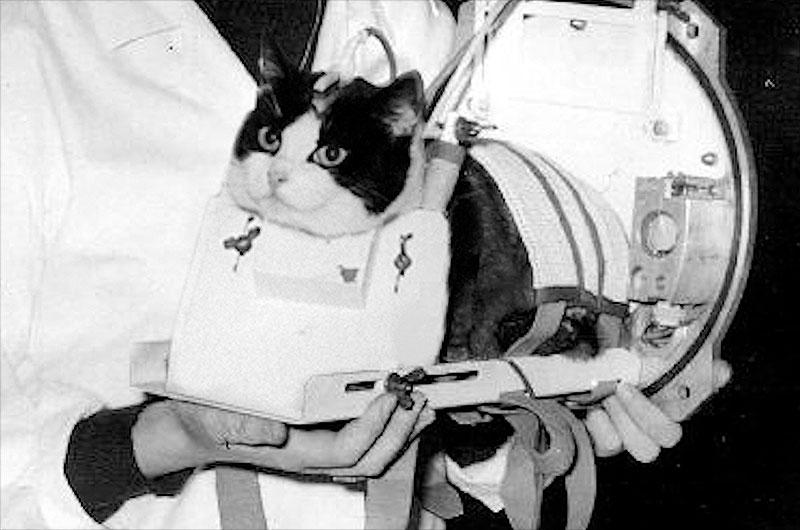
Félicette the cat was one of the most successful animals in space, returning safely and providing critical neurobiological data. In 1963, Félicette, a stray cat, was launched into space by France to study neurobiological responses to weightlessness. Electrodes implanted in her brain monitored neural activity throughout the mission. Unlike many early animal astronauts, she returned safely, making her contributions especially significant.
Bees, Spiders, and More: Unusual Spacefarers
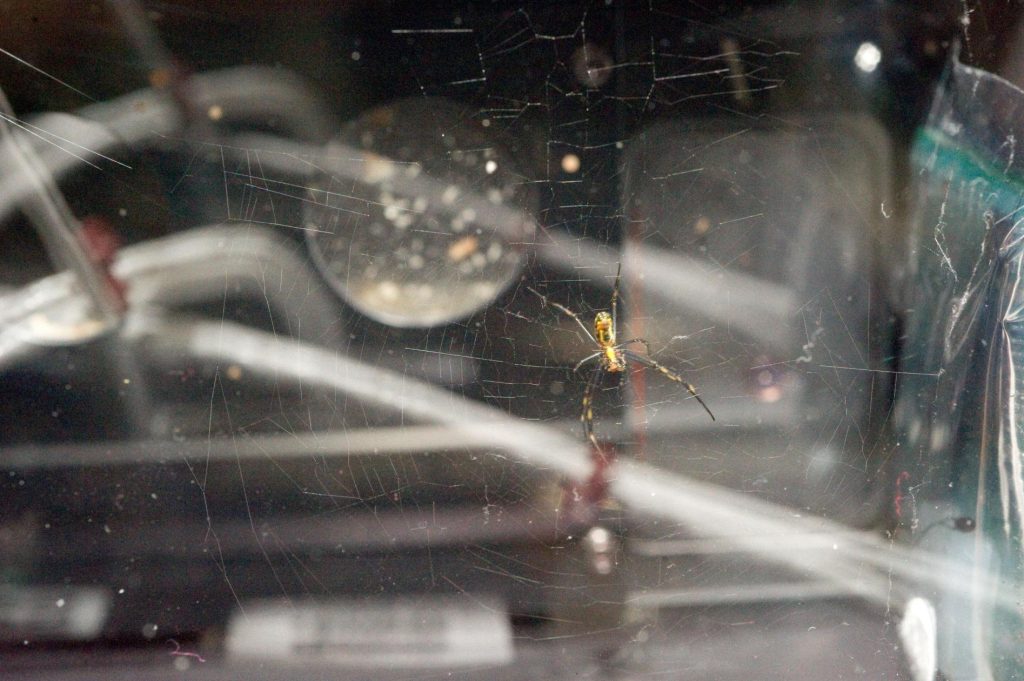
Other species such as fish and spiders have expanded the scope of space biology. Fish were launched to investigate how swimming patterns adjusted to microgravity, helping researchers understand coordination and movement in weightlessness. Spiders aboard the ISS refined their web-spinning techniques after initial irregularities, demonstrating remarkable adaptability.
The Legacy of Animal Astronauts
The legacy of animals in space highlights both scientific achievement and ethical responsibility. Early missions often lacked re-entry plans, resulting in high mortality rates and raising moral concerns about sacrificing animal welfare for scientific progress.
Modern standards emphasize minimizing harm, improving living conditions, and ensuring that scientific value justifies ethical costs. Alternatives such as computer models, simulations, and in vitro techniques now reduce reliance on live animals.
The stories of Laika, Albert II, and Félicette serve as reminders of the ethical responsibilities in scientific exploration and the importance of humane research practices.
In Conclusion
Animals have played a fundamental role in the development of space exploration, bridging the gap between early scientific curiosity and human spaceflight. Their journeys provided invaluable insights into the biological effects of space travel. As humanity sets its sights on deep space exploration, the contributions of these non-human pioneers will remain essential to our understanding of life beyond Earth.
Animals in Space: History, Missions & Scientific Impact FAQ
What was the first animal ever sent into space?
Fruit flies were the first living organisms launched into space, aboard a U.S. V-2 rocket on February 20, 1947, to study the effects of cosmic radiation and high-altitude conditions. Their short life spans and simple genetics made them ideal test subjects. These tiny pioneers paved the way for larger animals and, eventually, the first human spaceflight by Yuri Gagarin.
What happened to Laika, the first dog in space?
Laika, a stray dog from Moscow, became the first living being to orbit Earth aboard Sputnik 2 in 1957. The mission was a one-way trip with no reentry plan, and Laika died when the spacecraft overheated due to faulty thermal control systems. Her sacrifice provided critical data on the physiological effects of orbital spaceflight and remains one of the most recognized stories in space history.
Was there ever a cat in space?
Yes. In 1963, France launched Félicette, a stray cat, to study neurobiological responses to weightlessness, with electrodes implanted in her brain monitoring neural activity throughout the mission. Unlike many early animal astronauts, Félicette returned safely, making her contributions especially significant. Explore more milestones in our space history articles.
Why were animals sent into space before humans?
Animals served as living test subjects so scientists could understand how microgravity, radiation, and launch stresses affect living organisms before risking human lives. Missions like Albert II’s 1949 primate flight and Laika’s orbital journey exposed dangers — from reentry failures to overheating — that engineers had to solve first. Their data directly shaped the safety systems used in crewed spaceflight.
Are animals still sent into space today?
Yes, but under far stricter ethical standards. Rodents and insects aboard the International Space Station help researchers study muscle atrophy, bone density loss, and immune system changes caused by long-term microgravity — data critical for future missions to Mars and beyond. Modern programs emphasize minimizing harm, and alternatives like computer models and simulations now reduce reliance on live animals.