
United States Air Force Flight 190 X-15
Meet the Astronaut Crew

William J. Knight
| Birthday | 11/18/1929 |
|---|---|
| Role | Pilot |
| Nationality | United States of America |
| First Flight | 10/17/1967 |
| Last Flight | 10/17/1967 |
William John "Pete" Knight was an American aeronautical engineer, politician, Vietnam War combat pilot, test pilot, and astronaut. He flew the X-15 experimental spaceplane to...
About the Flight 190 Mission
| Type | Test Flight |
|---|---|
| Orbit | Suborbital |
Flight 190 of the North American X-15 was a test flight conducted by NASA and the US Air Force in 1967. Piloted by William J. Knight it reached an altitude of 85.5 km.
Launch Pad & Location
Edwards Air Force Base
Air launch to Suborbital flight
| Launches | 13 |
|---|---|
| Total Launches | 86 |

North American Aviation North American X-15 Rocket
The North American X-15 was a hypersonic rocket-powered aircraft operated by the United States Air Force and the National Aeronautics and Space Administration as part of the X-plane series of experimental aircraft.
| Length | 15.5 m |
|---|---|
| Diameter | 6.6 m |
| Stages | 1 |
| Launch Mass | 15,195.0 T |
| Takeoff Thrust | 286.0 kN |
| Apogee | 108.0 km |
| Maiden Flight | 6/8/1959 |
Learn more about the North American Aviation North American X-15 Rocket
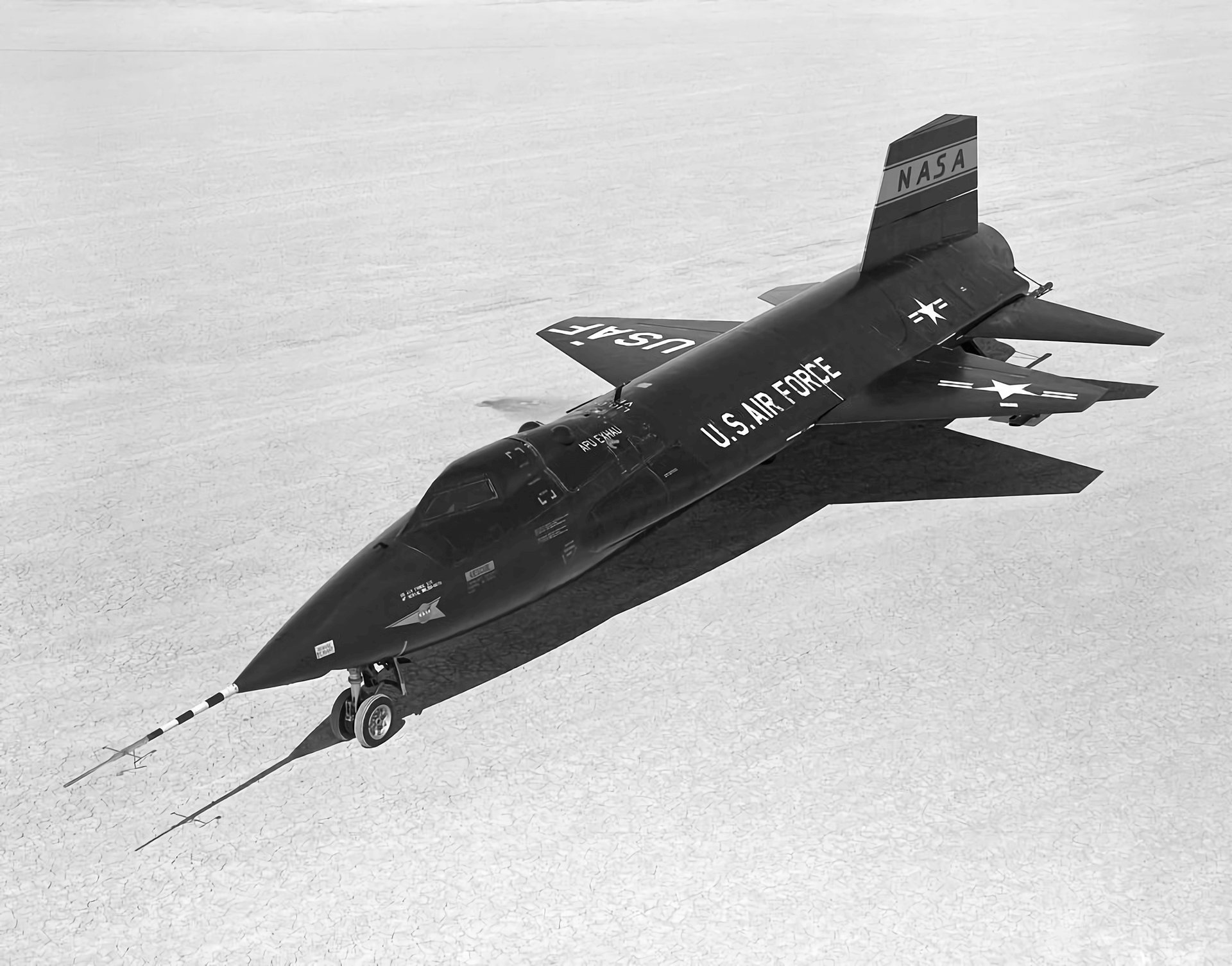
Mission Spacecraft
X-15-3
X-15-3 (56-6672) was the spacecraft used for this mission. It is a NASA Spaceplane designed for Experimental aircraft used for Aircraft and Spacecraft design and traveled to Suborbital.
Third X-15 experimental rocket plane. Destroyed during flight 191. The North American X-15 was a hypersonic rocket-powered aircraft operated by the United States Air Force and the National Aeronautics and Space Administration. The X-15 reached altitudes of over 80km and speeds of over 6000 km/h.
The X-15 had a wingspan of 6.8 meters, and length of 15.4 ~10 minute flights
| Type | Spaceplane |
|---|---|
| Agency | NASA |
| Serial Number | 56-6672 |
| Status | Destroyed |
| Destination | Suborbital |
| Maiden Flight | 6/8/1959 |
| Mission End | 10/17/1967 |
| Flights | 11 |
| Crew Capacity | 1 |
| Human Rated | Yes |
| Height | 15.5 m |
| Diameter | 6.8 m |

About United States Air Force
The United States Air Force (USAF) is the air service branch of the United States Armed Forces, and is one of the eight uniformed services of the United States. Originally created on 1 August 1907, as a part of the United States Army Signal Corps, the USAF was established as a separate branch of the United States Armed Forces in 1947 with the enactment of the National Security Act of 1947.
| Total Launches | 1,078 |
|---|---|
| Successful | 972 |
| Failed | 106 |
| Consecutive Success | 68 |

Frequently Asked Questions
When was the United States Air Force North American X-15 Flight 190 launch scheduled?
The United States Air Force North American X-15 Flight 190 launch was scheduled for:
.
Where did the United States Air Force North American X-15 Flight 190 mission launch from?
The United States Air Force North American X-15 rocket launched from Edwards Air Force Base at Air launch to Suborbital flight.
What rocket was used for the Flight 190 mission?
The Flight 190 mission launched aboard a United States Air Force North American X-15 rocket. The North American X-15 was a hypersonic rocket-powered aircraft operated by the United States Air Force and the National Aeronautics and Space Administration as part of the X-plane series of experimental aircraft. Detailed rocket specifications and performance data are available in the rocket details above.
What weather conditions could have delayed the United States Air Force North American X-15 Flight 190 launch?
The United States Air Force North American X-15 Flight 190 launch could have been delayed by various weather conditions including lightning within 10 nautical miles, high winds (especially upper-level winds), thick cloud layers, precipitation, and poor visibility. Weather must be favorable at the launch site, downrange landing zones, and abort landing sites.
How can I get updates if the United States Air Force North American X-15 Flight 190 launch was delayed?
This page was updated in real-time with the latest United States Air Force North American X-15 launch status, including any delays or scrubs for the Flight 190 mission. You can also check our space launch schedule for historical launch information. Our mobile app provides push notifications for instant alerts about launch status changes. Official United States Air Force live streams provided the most immediate range updates during the launch window.
Last Updated
Last Updated: