
Rockwell International STS-9 Space Shuttle Columbia / OV-102
Rocket Launch Video Stream
Meet the Astronaut Crew
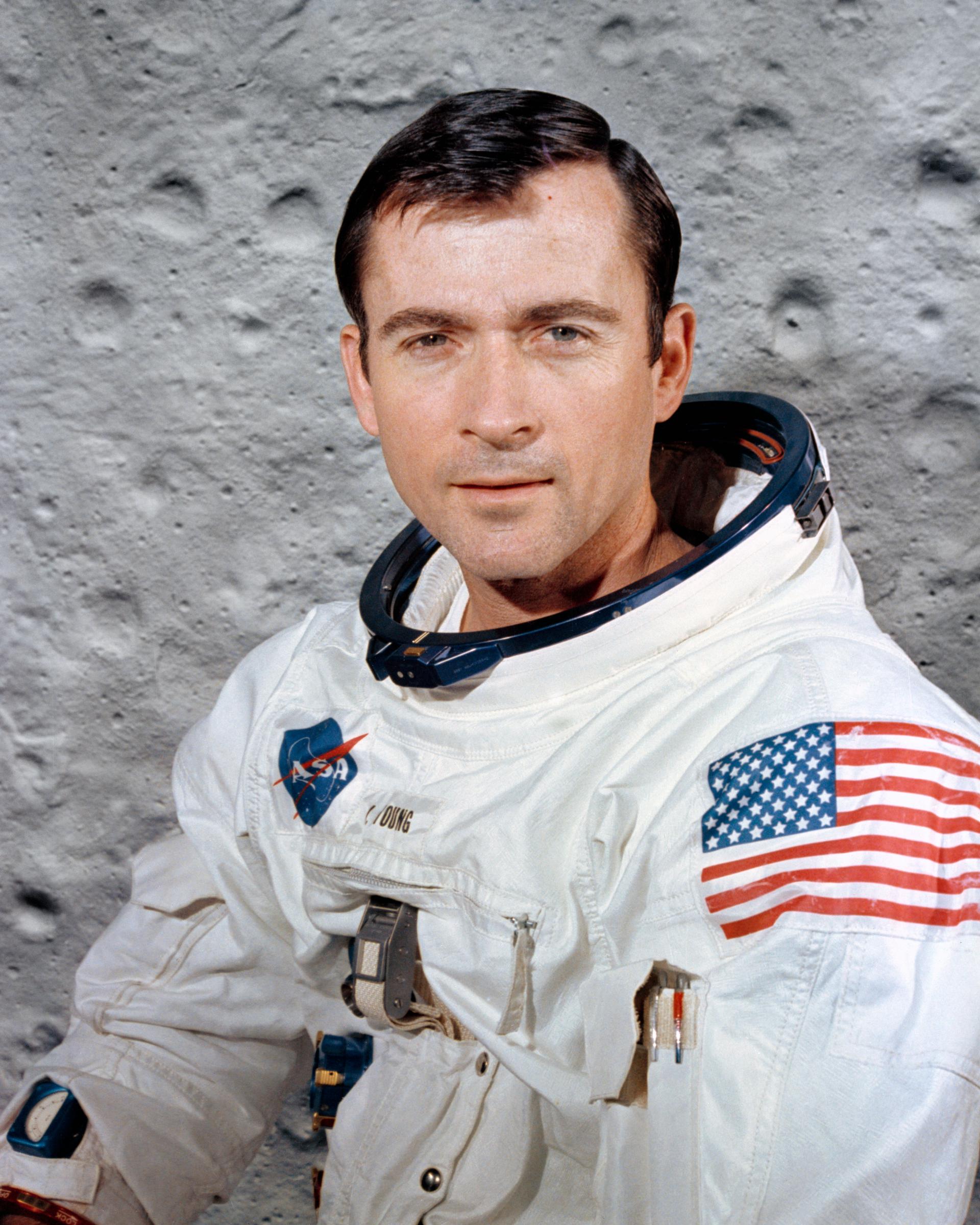
John Young
| Birthday | 09/24/1930 |
|---|---|
| Role | Commander |
| Nationality | United States of America |
| First Flight | 03/23/1965 |
| Last Flight | 11/28/1983 |
John Watts Young was an American astronaut, naval officer and aviator, test pilot, and aeronautical engineer. He became the ninth person to walk on the...
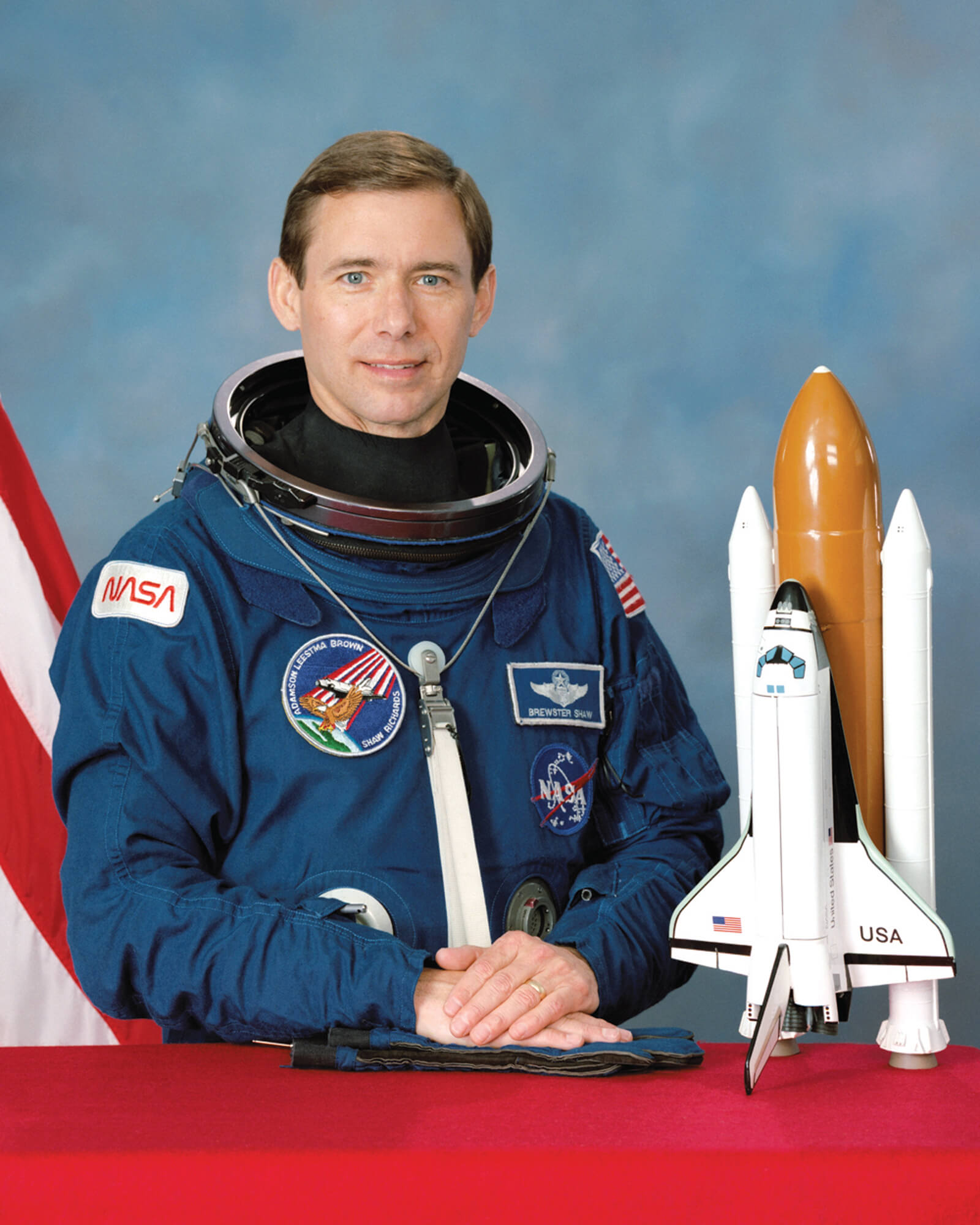
Brewster H. Shaw
| Birthday | 05/16/1945 |
|---|---|
| Role | Pilot |
| Nationality | United States of America |
| First Flight | 11/28/1983 |
| Last Flight | 08/08/1989 |
Brewster Hopkinson Shaw Jr. is a former NASA astronaut, a retired U.S. Air Force Colonel and former executive at Boeing. Shaw was inducted into the...

Byron K. Lichtenberg
| Birthday | 02/19/1948 |
|---|---|
| Role | Payload Specialist |
| Nationality | United States of America |
| First Flight | 11/28/1983 |
| Last Flight | 03/24/1992 |
Byron Kurt Lichtenberg, Sc. D. (born February 19, 1948) is an American engineer and fighter pilot who flew aboard two NASA Space Shuttle missions as...
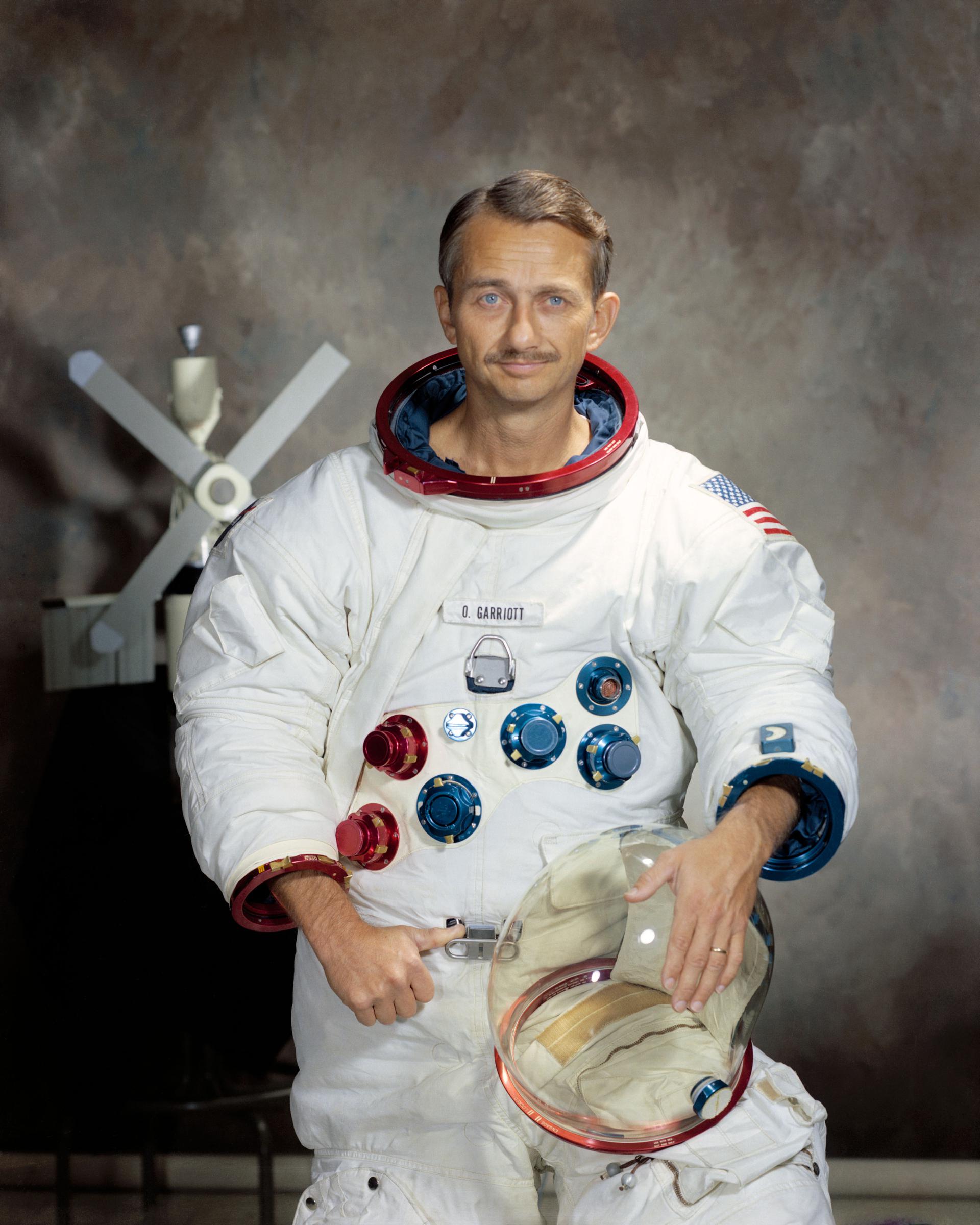
Owen K. Garriott
| Birthday | 11/22/1930 |
|---|---|
| Role | Mission Specialist |
| Nationality | United States of America |
| First Flight | 07/28/1973 |
| Last Flight | 11/28/1983 |
Owen Kay Garriott is an American electrical engineer and former NASA astronaut, who spent 60 days aboard the Skylab space station in 1973 during the...

Robert A. Parker
| Birthday | 12/14/1936 |
|---|---|
| Role | Mission Specialist |
| Nationality | United States of America |
| First Flight | 11/28/1983 |
| Last Flight | 12/02/1990 |
Robert Allan Ridley Parker is an American physicist and astronomer, former Director of the NASA Management Office at the Jet Propulsion Laboratory, and a retired...
Ulf Merbold
| Birthday | 06/20/1941 |
|---|---|
| Role | Payload Specialist |
| Nationality | Germany |
| First Flight | 11/28/1983 |
| Last Flight | 10/03/1994 |
Dr. Ulf Dietrich Merbold (born June 20, 1941) is the first West German citizen and second German native (after Sigmund Jähn) to have flown in...
About the STS-9 Mission
| Orbit | Low Earth Orbit |
|---|---|
| Launch Cost | $450,000,000 |
STS-9 was the sixth mission of the Space Shuttle Columbia. It launched on a 10 day mission to perform science in space using the Spacelab module.

Launch Pad & Location
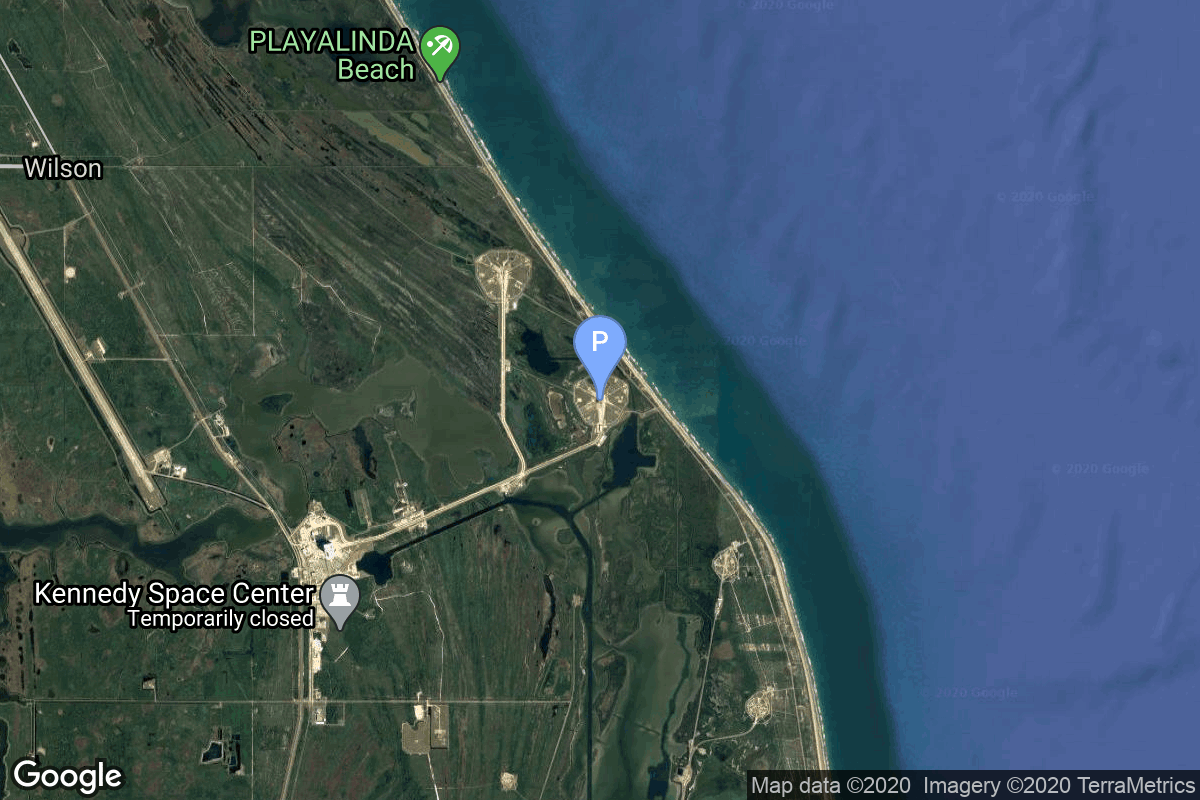
Launch Complex 39A
Kennedy Space Center, FL, USA
| Launches | 224 |
|---|---|
| Orbital Launch Attempts | 223 |
| Total Launches | 283 |
The John F. Kennedy Space Center, located on Merritt Island, Florida, is one of NASA's ten field centers. Since 1968, KSC has been NASA's primary launch center of American spaceflight, research, and technology. Launch operations for the Apollo, Skylab and Space Shuttle programs were carried out from Kennedy Space Center Launch Complex 39 and managed by KSC. Located on the east coast of Florida, KSC is adjacent to Cape Canaveral Space Force Station (CCSFS).
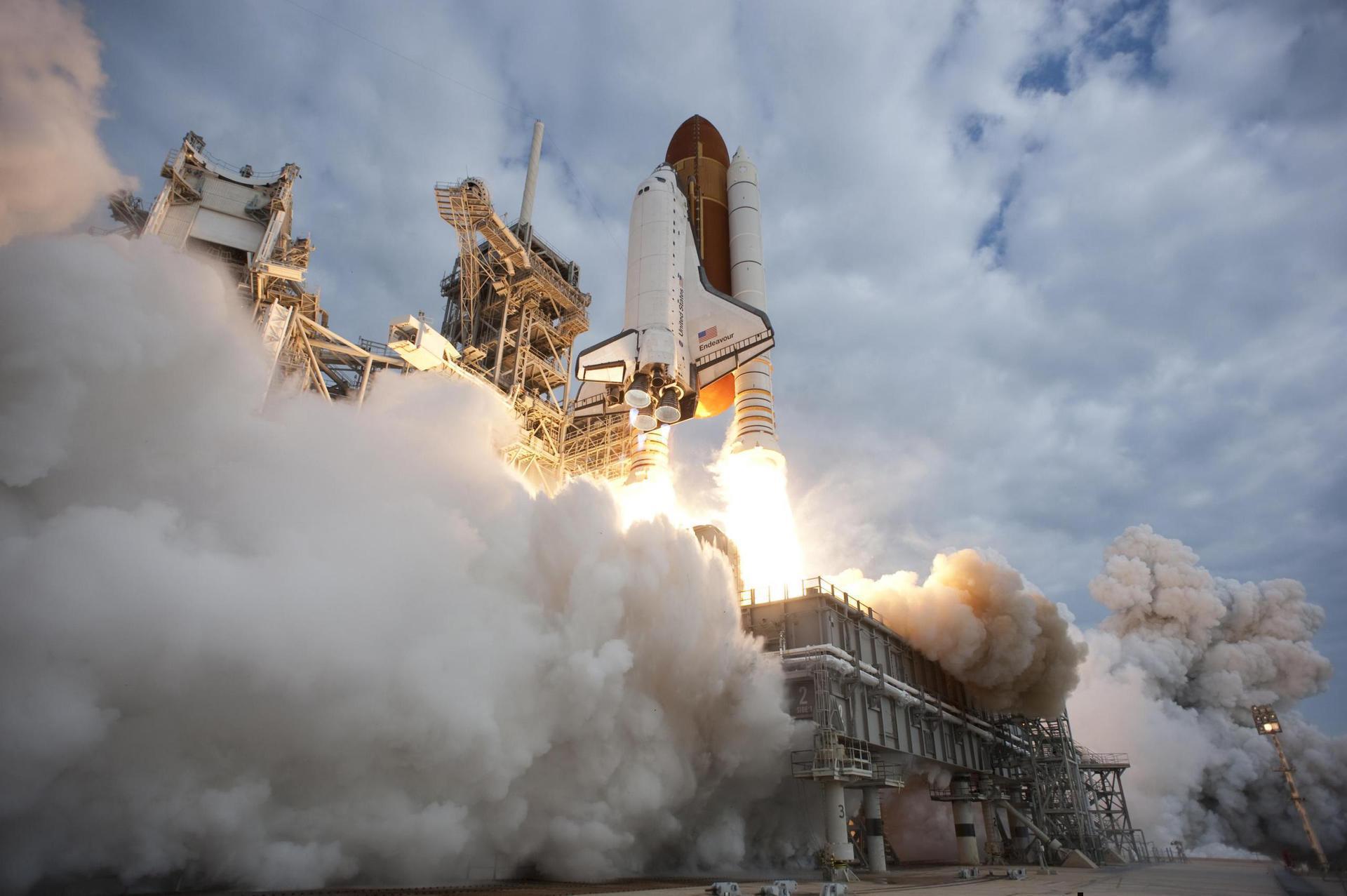
NASA Space Shuttle Rocket
The Space Shuttle is a retired, partially reusable low Earth orbital spacecraft system operated from 1981 to 2011 by the U.S. National Aeronautics and Space Administration (NASA) as part of the Space Shuttle program. Its official program name was Space Transportation System (STS). Five complete Space Shuttle orbiter vehicles were built and flown on a total of 135 missions from 1981 to 2011.
| Length | 56.1 m |
|---|---|
| Diameter | 8.0 m |
| Stages | 2 |
| Launch Mass | 2,030.0 T |
| Takeoff Thrust | 28,200.0 kN |
| LEO Capacity | 27,500 kg |
| Launch Cost | $450,000,000 |
| Maiden Flight | 4/12/1981 |
Mission Spacecraft
Space Shuttle Columbia
Space Shuttle Columbia (OV-102) was the spacecraft used for this mission. It is a NASA Spaceplane designed for Carrying a crew of 7 astronauts along with cargo to Low Earth Orbit. and traveled to Low Earth Orbit.
Space Shuttle Columbia (Orbiter Vehicle Designation: OV-102) was the first space-rated orbiter in NASA's Space Shuttle fleet. It launched for the first time on mission STS-1 on April 12, 1981, the first flight of the Space Shuttle program. Over 22 years of service, it completed 27 missions before disintegrating during re-entry near the end of its 28th mission, STS-107 on February 1, 2003, resulting in the deaths of all seven crew members. The Space Shuttle was a partially reusable LEO spacecraft system operated by the U.S. National Aeronautics and Space Administration (NASA) as part of the Space Shuttle program. Its official program name was Space Transportation System (STS), taken from a 1969 plan for a system of reusable spacecraft of which it was the only item funded for development. The first of four orbital test flights occurred in 1981, leading to operational flights in 1982. In addition to the prototype whose completion was cancelled, five complete Shuttle systems were built and used on a total of 135 missions from 1981 to 2011, launched from the Kennedy Space Center (KSC) in Florida. Operational missions launched numerous satellites, interplanetary probes, and the Hubble Space Telescope (HST); conducted science experiments in orbit; and participated in construction and servicing of the International Space Station. The Shuttle fleet's total mission time was 1322 days, 19 hours, 21 minutes and 23 seconds. 14 days
| Type | Spaceplane |
|---|---|
| Agency | NASA |
| Serial Number | OV-102 |
| Status | Destroyed |
| Destination | Low Earth Orbit |
| Maiden Flight | 4/12/1981 |
| Mission End | 12/8/1983 |
| Flights | 28 |
| Crew Capacity | 7 |
| Human Rated | Yes |
| Height | 56.1 m |
| Diameter | 8.7 m |
| Payload Capacity | 27,500 kg |

About Rockwell International
| Total Launches | 8 |
|---|---|
| Successful | 8 |
| Consecutive Success | 8 |
Frequently Asked Questions
When was the Rockwell International Space Shuttle STS-9 launch scheduled?
The Rockwell International Space Shuttle STS-9 launch was scheduled for:
.
Where can I watch the Rockwell International Space Shuttle STS-9 launch video?
You can watch the Rockwell International Space Shuttle launch video on this page. The official video includes full mission coverage with multiple camera angles, onboard views, and expert commentary covering pre-launch procedures, liftoff, stage separation, and payload deployment.
Where did the Rockwell International Space Shuttle STS-9 mission launch from?
The Rockwell International Space Shuttle rocket launched from Launch Complex 39A at Kennedy Space Center, FL, USA. The John F. Kennedy Space Center, located on Merritt Island, Florida, is one of NASA's ten field centers. Since 1968, KSC has been NASA's primary launch center of American spaceflight, research, and technology. Launch operations for the Apollo, Skylab and Space Shuttle programs were carried out from Kennedy Space Center Launch Complex 39 and managed by KSC. Located on the east coast of Florida, KSC is adjacent to Cape Canaveral Space Force Station (CCSFS).
What rocket was used for the STS-9 mission?
The STS-9 mission launched aboard a Rockwell International Space Shuttle rocket. The Space Shuttle is a retired, partially reusable low Earth orbital spacecraft system operated from 1981 to 2011 by the U.S. National Aeronautics and Space Administration (NASA) as part of the Space Shuttle program. Its official program name was Space Transportation System (STS). Five complete Space Shuttle orbiter vehicles were built and flown on a total of 135 missions from 1981 to 2011. Detailed rocket specifications and performance data are available in the rocket details above.
What weather conditions could have delayed the Rockwell International Space Shuttle STS-9 launch?
The Rockwell International Space Shuttle STS-9 launch could have been delayed by various weather conditions including lightning within 10 nautical miles, high winds (especially upper-level winds), thick cloud layers, precipitation, and poor visibility. Weather must be favorable at the launch site, downrange landing zones, and abort landing sites.
How can I get updates if the Rockwell International Space Shuttle STS-9 launch was delayed?
This page was updated in real-time with the latest Rockwell International Space Shuttle launch status, including any delays or scrubs for the STS-9 mission. You can also check our space launch schedule for historical launch information. Our mobile app provides push notifications for instant alerts about launch status changes. Official Rockwell International live streams provided the most immediate range updates during the launch window.
Last Updated
Last Updated: