
Lockheed Space Operations Company STS-51-L Space Shuttle Challenger / OV-099
Rocket Launch Video Stream
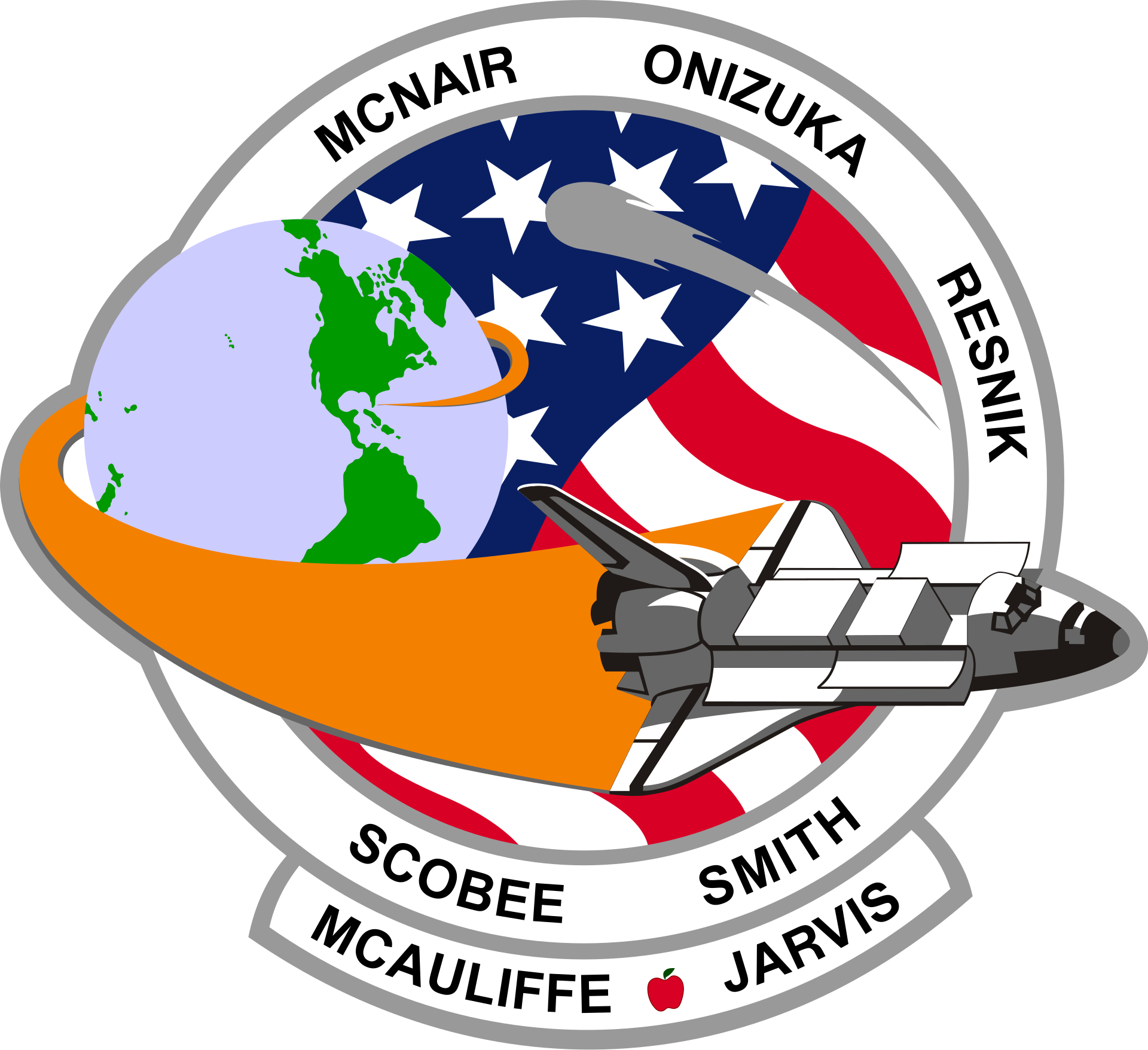
Meet the Astronaut Crew
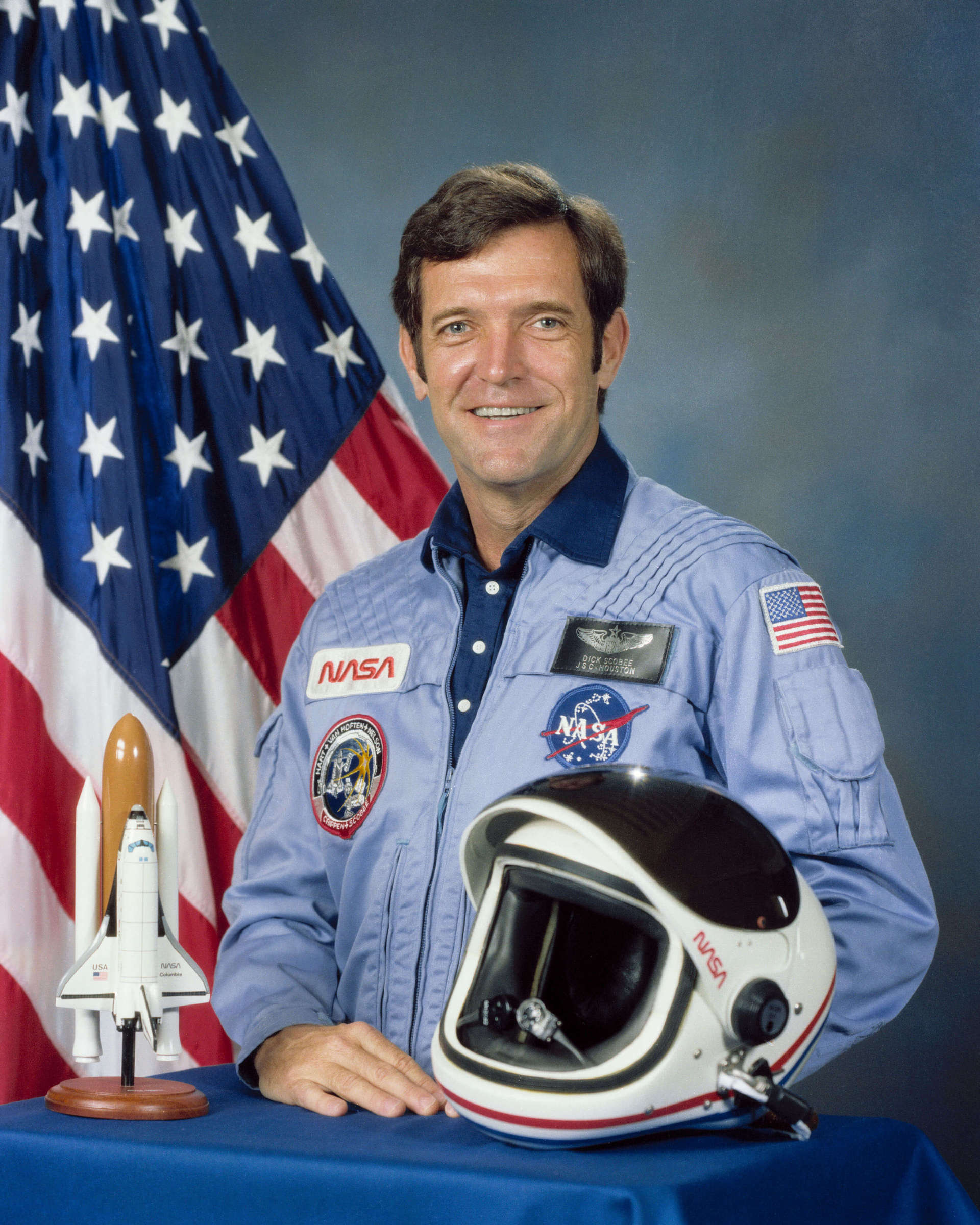
Dick Scobee
- Birthday: 05/19/1939
- Role: Commander
- Nationality: United States of America
- First Flight: 04/06/1984
- Last Flight: 01/28/1986
Francis Richard Scobee was an American pilot and astronaut. He was killed commanding the Space Shuttle Challenger, which suff...
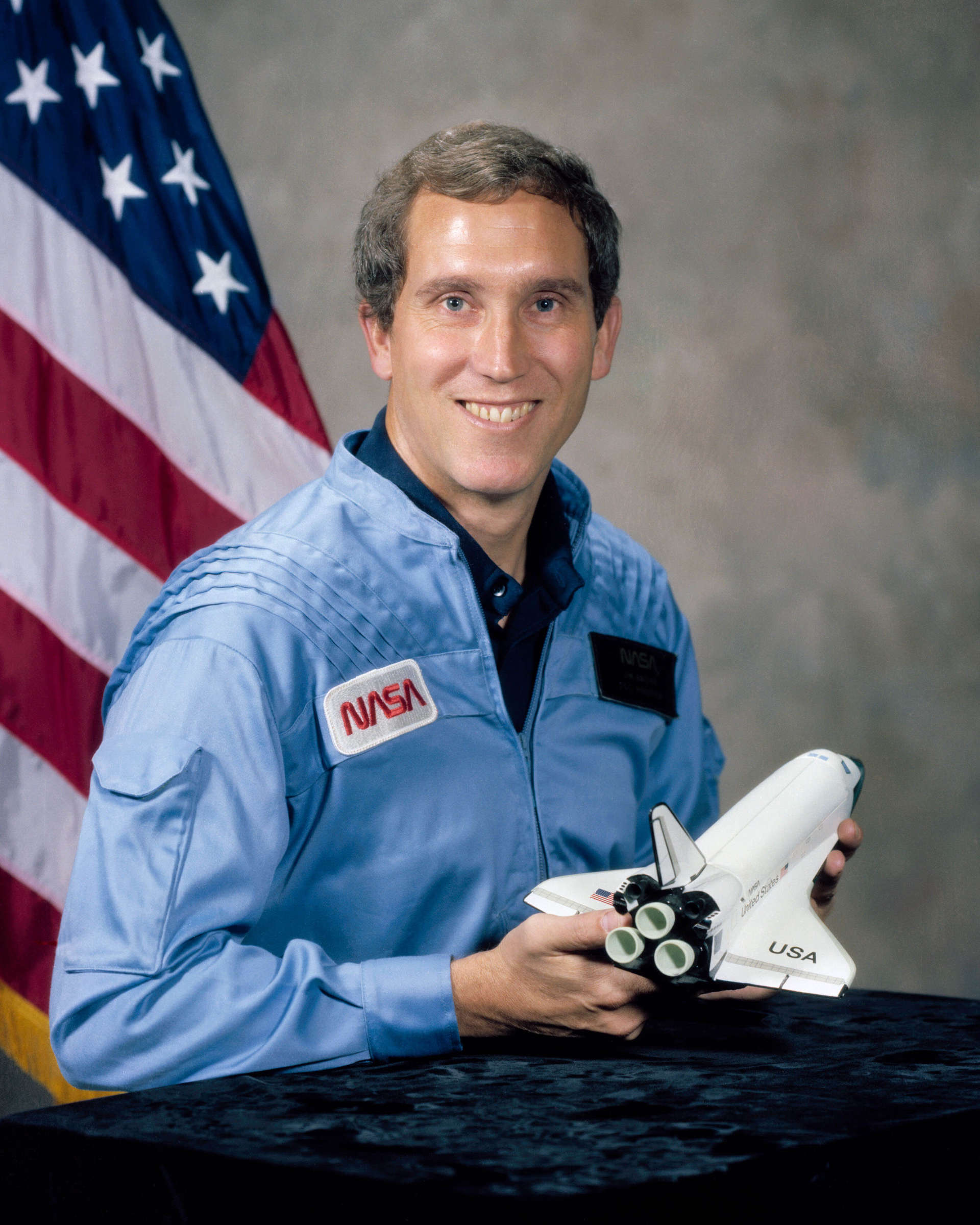
Michael J. Smith
- Birthday: 04/30/1945
- Role: Pilot
- Nationality: United States of America
- First Flight: 01/28/1986
- Last Flight: 01/28/1986
Michael John Smith was an American astronaut—pilot of the Space Shuttle Challenger when it was destroyed during the STS-51-...
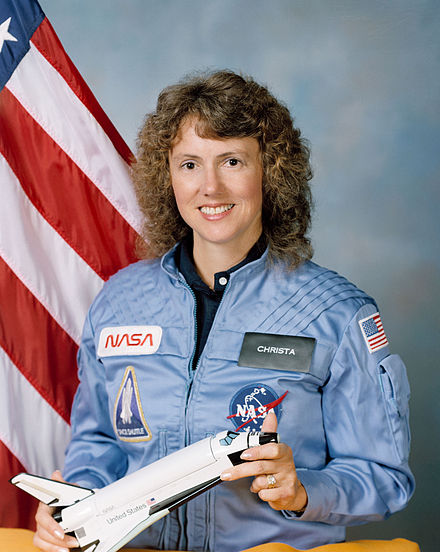
Christa McAuliffe
- Birthday: 09/02/1948
- Role: Payload Specialist
- Nationality: United States of America
- First Flight: 01/28/1986
- Last Flight: 01/28/1986
Sharon Christa McAuliffe (born Sharon Christa Corrigan; September 2, 1948 – January 28, 1986) was an American teacher and a...
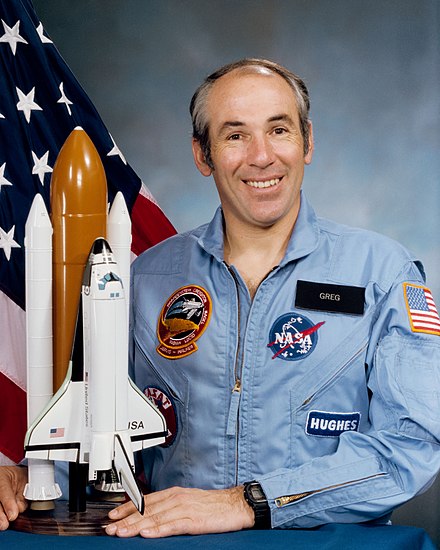
Gregory Jarvis
- Birthday: 08/24/1944
- Role: Payload Specialist
- Nationality: United States of America
- First Flight: 01/28/1986
- Last Flight: 01/28/1986
Gregory Bruce Jarvis (August 24, 1944 – January 28, 1986) was an American engineer who died during the destruction of the S...
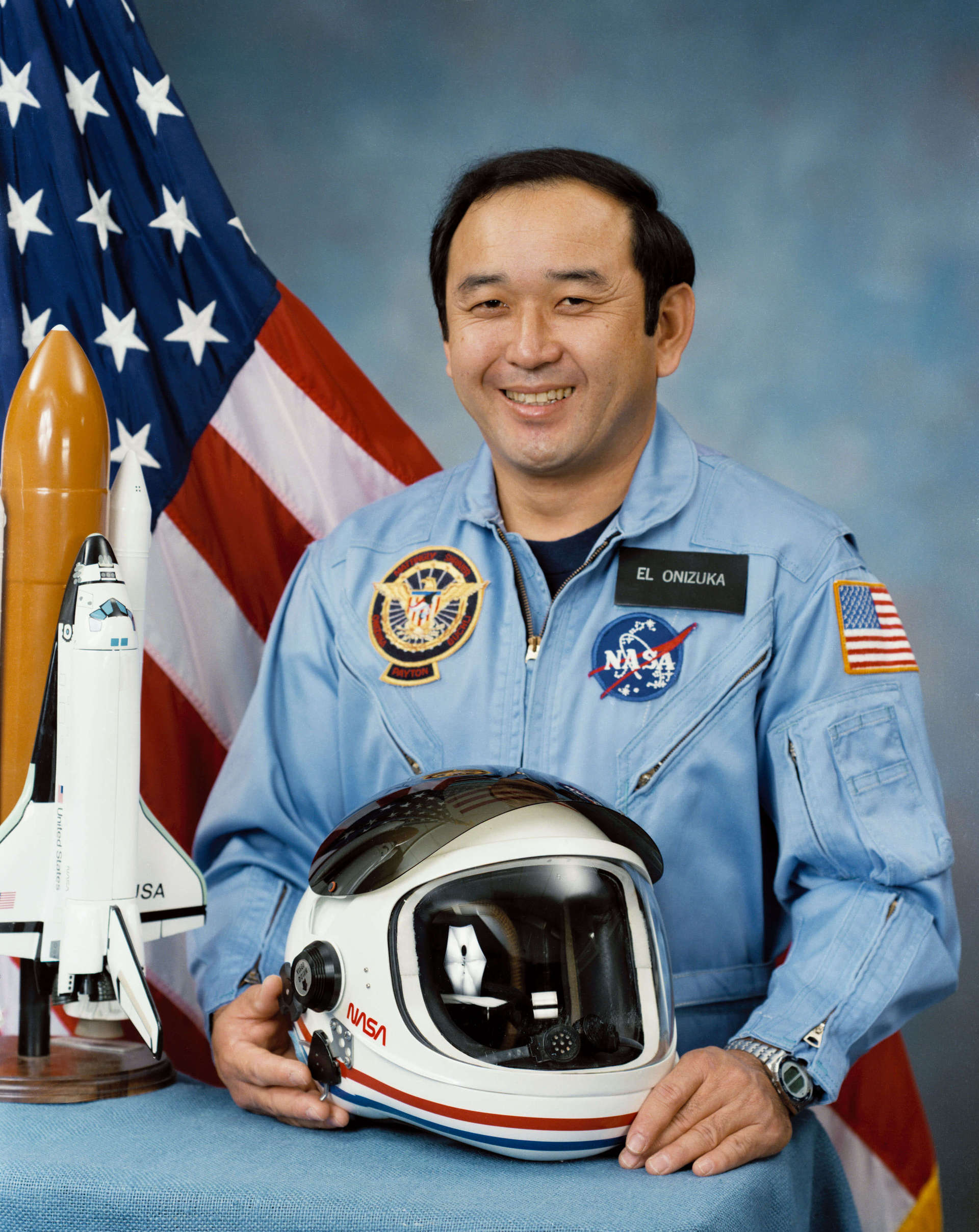
Ellison Onizuka
- Birthday: 06/24/1946
- Role: Mission Specialist
- Nationality: United States of America
- First Flight: 01/24/1985
- Last Flight: 01/28/1986
Ellison Shoji Onizuka (鬼塚 承次 Onizuka Shōji) was an American astronaut from Kealakekua, Hawaii, who successfully flew...
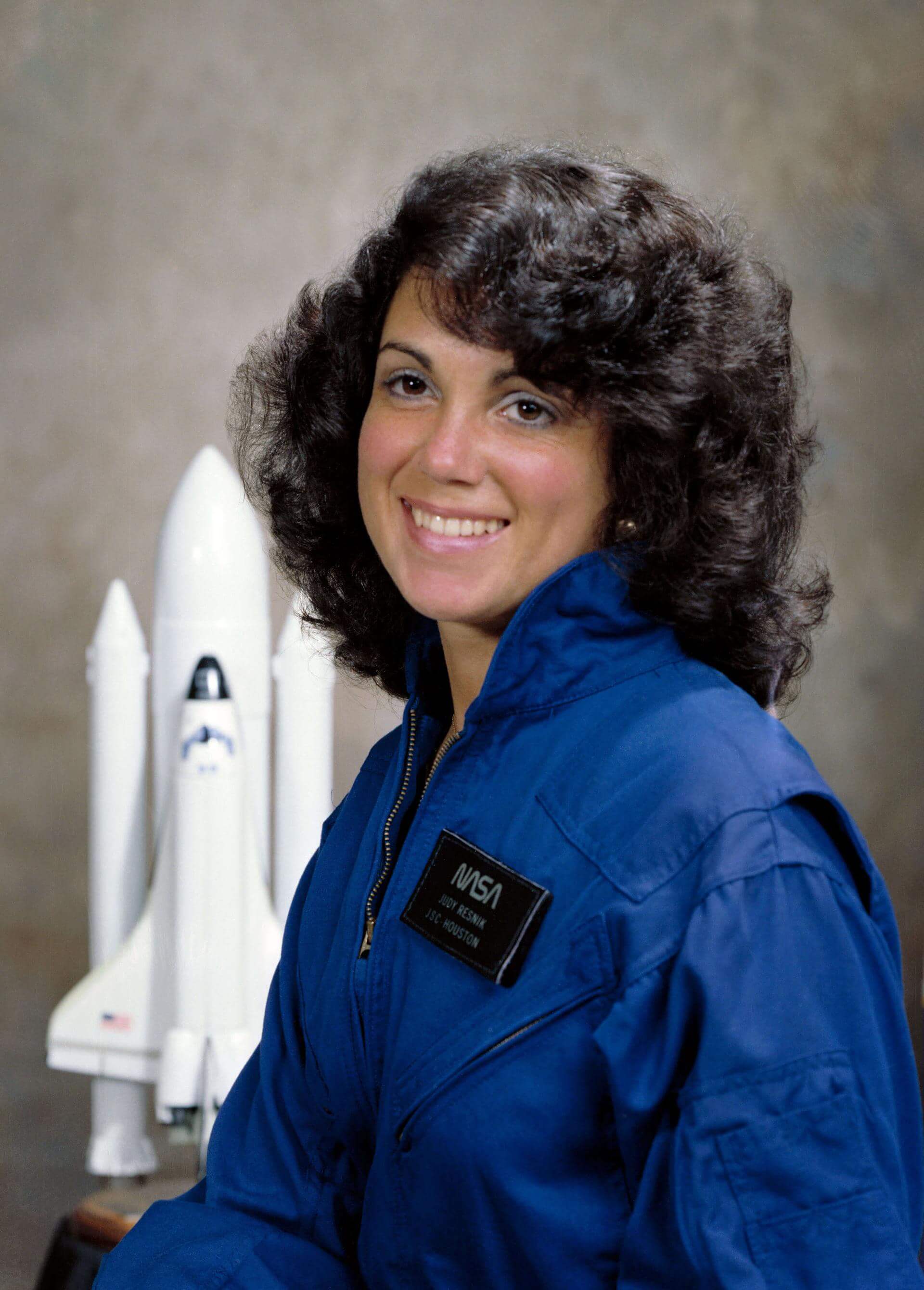
Judith Resnik
- Birthday: 04/05/1949
- Role: Mission Specialist
- Nationality: United States of America
- First Flight: 08/30/1984
- Last Flight: 01/28/1986
Judith Arlene Resnik was an American electrical engineer, software engineer, biomedical engineer, pilot and NASA astronaut, w...
Ronald McNair
- Birthday: 10/21/1950
- Role: Mission Specialist
- Nationality: United States of America
- First Flight: 02/03/1984
- Last Flight: 01/28/1986
Ronald Erwin McNair was an American physicist and NASA astronaut. He died during the launch of the Space Shuttle Challenger o...
About the STS-51-L Mission
- Type: Human Exploration
- Orbit: Low Earth Orbit
- Launch Cost: $450,000,000
The tenth mission for Challenger, STS-51-L was scheduled to deploy the second in a series of Tracking and Data Relay Satellites, carry out the first flight of the Shuttle-Pointed Tool for Astronomy (SPARTAN-203) / Halley's Comet Experiment Deployable in order to observe Halley's Comet, and carry out several lessons from space as part of the Teacher in Space Project and Shuttle Student Involvement Program (SSIP).
During the ascent phase, 73 seconds after liftoff, the vehicle experienced a catastrophic structural failure resulting in the loss of crew and vehicle. The Rogers Commission later determined the cause of the accident to have been the failure of the primary and secondary (backup) O-ring seals on Challenger's right Solid Rocket Booster.
Launch Pad & Location
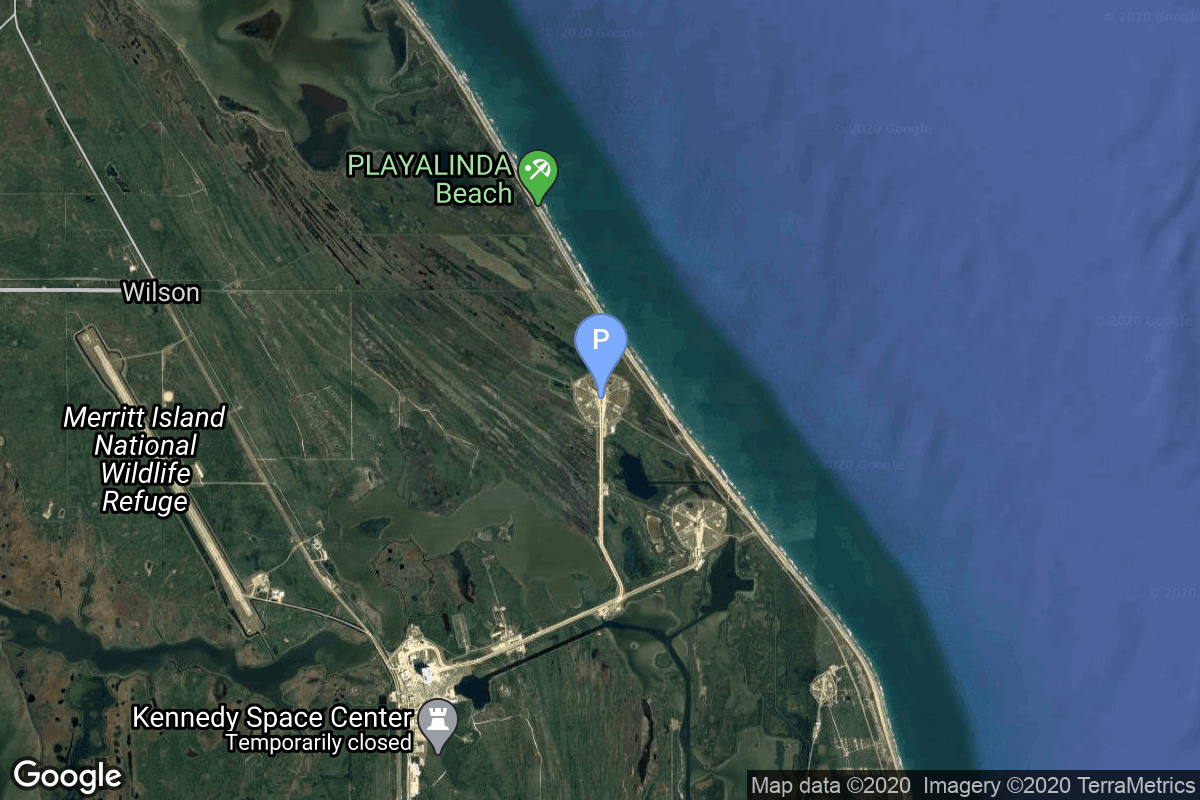
Launch Complex 39B
Kennedy Space Center, FL, USA
The Launch Complex 39B launch pad has hosted 59 rocket launches, including 58 orbital launch attempts. The Kennedy Space Center, FL, USA launch site has been the location for 281 total rocket launches.
The John F. Kennedy Space Center, located on Merritt Island, Florida, is one of NASA's ten field centers. Since 1968, KSC has been NASA's primary launch center of American spaceflight, research, and technology. Launch operations for the Apollo, Skylab and Space Shuttle programs were carried out from Kennedy Space Center Launch Complex 39 and managed by KSC. Located on the east coast of Florida, KSC is adjacent to Cape Canaveral Space Force Station (CCSFS).
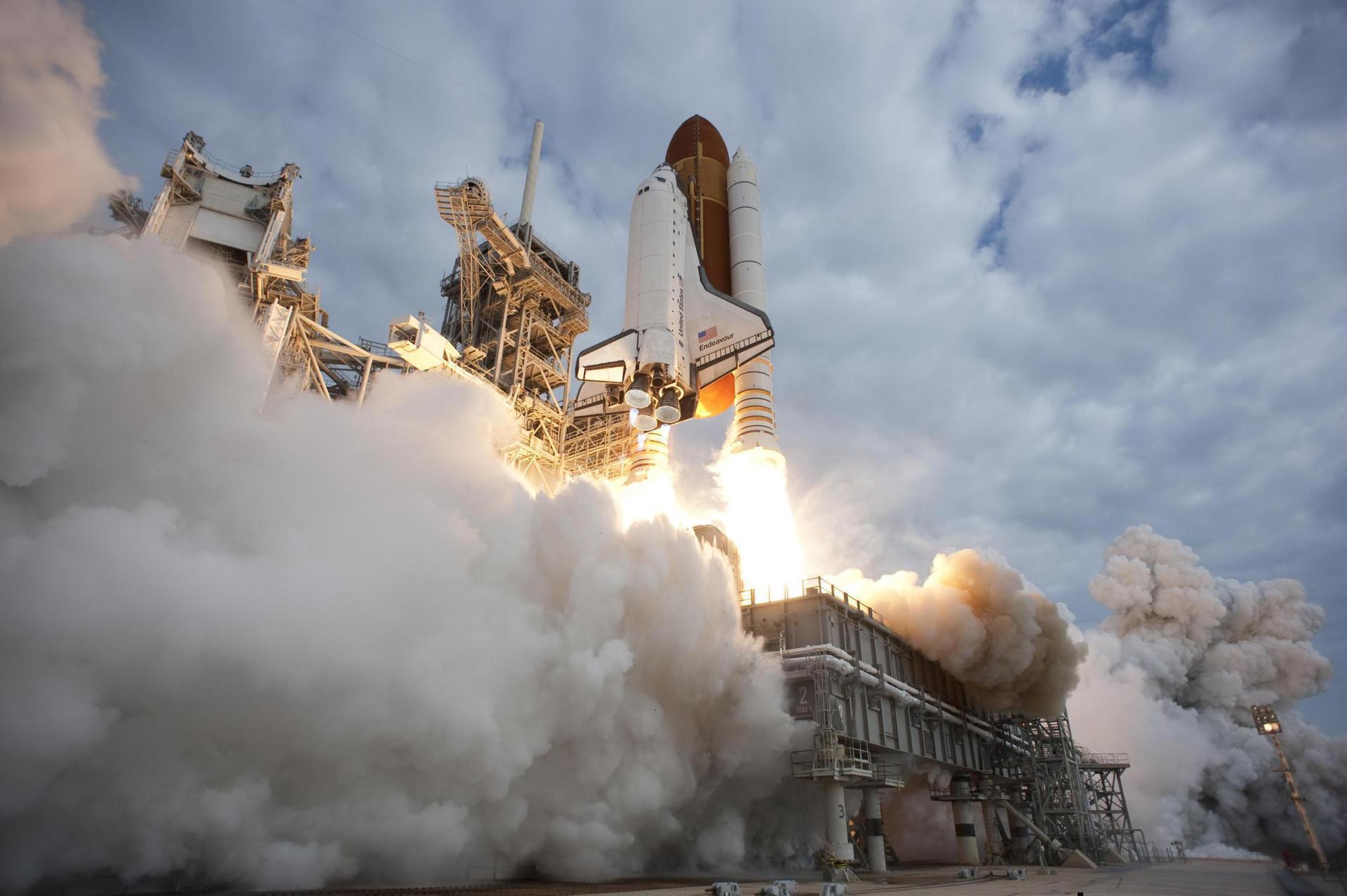
National Aeronautics and Space Administration Space Shuttle Rocket
The Space Shuttle is a retired, partially reusable low Earth orbital spacecraft system operated from 1981 to 2011 by the U.S. National Aeronautics and Space Administration (NASA) as part of the Space Shuttle program. Its official program name was Space Transportation System (STS). Five complete Space Shuttle orbiter vehicles were built and flown on a total of 135 missions from 1981 to 2011.
Learn more about the National Aeronautics and Space Administration Space Shuttle Rocket
About Lockheed Space Operations Company
Frequently Asked Questions
When was the Lockheed Space Operations Company Space Shuttle STS-51-L launch scheduled?
The Lockheed Space Operations Company Space Shuttle STS-51-L launch was scheduled for:
.
Where can I watch the Lockheed Space Operations Company Space Shuttle STS-51-L launch video?
You can watch the Lockheed Space Operations Company Space Shuttle launch video on this page. The official video includes full mission coverage with multiple camera angles, onboard views, and expert commentary covering pre-launch procedures, liftoff, stage separation, and payload deployment.
Where did the Lockheed Space Operations Company Space Shuttle STS-51-L mission launch from?
The Lockheed Space Operations Company Space Shuttle rocket launched from Launch Complex 39B at Kennedy Space Center, FL, USA. The John F. Kennedy Space Center, located on Merritt Island, Florida, is one of NASA's ten field centers. Since 1968, KSC has been NASA's primary launch center of American spaceflight, research, and technology. Launch operations for the Apollo, Skylab and Space Shuttle programs were carried out from Kennedy Space Center Launch Complex 39 and managed by KSC. Located on the east coast of Florida, KSC is adjacent to Cape Canaveral Space Force Station (CCSFS).
What rocket was used for the STS-51-L mission?
The STS-51-L mission launched aboard a Lockheed Space Operations Company Space Shuttle rocket. The Space Shuttle is a retired, partially reusable low Earth orbital spacecraft system operated from 1981 to 2011 by the U.S. National Aeronautics and Space Administration (NASA) as part of the Space Shuttle program. Its official program name was Space Transportation System (STS). Five complete Space Shuttle orbiter vehicles were built and flown on a total of 135 missions from 1981 to 2011. Detailed rocket specifications and performance data are available in the rocket details above.
What weather conditions could have delayed the Lockheed Space Operations Company Space Shuttle STS-51-L launch?
The Lockheed Space Operations Company Space Shuttle STS-51-L launch could have been delayed by various weather conditions including lightning within 10 nautical miles, high winds (especially upper-level winds), thick cloud layers, precipitation, and poor visibility. Weather must be favorable at the launch site, downrange landing zones, and abort landing sites.
How can I get updates if the Lockheed Space Operations Company Space Shuttle STS-51-L launch was delayed?
This page was updated in real-time with the latest Lockheed Space Operations Company Space Shuttle launch status, including any delays or scrubs for the STS-51-L mission. You can also check our space launch schedule for historical launch information. Our mobile app provides push notifications for instant alerts about launch status changes. Official Lockheed Space Operations Company live streams provided the most immediate range updates during the launch window.