Russian Federal Space Agency (ROSCOSMOS) Soyuz TMA-2 Soyuz-FG
Meet the Astronaut Crew
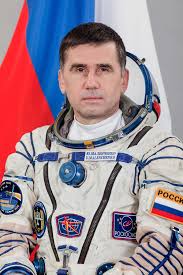
Yuri Malenchenko
- Birthday: 12/22/1961
- Role: Commander
- Nationality: Russia
- First Flight: 07/01/1994
- Last Flight: 12/15/2015
Yuri Ivanovich Malenchenko (Russian: Юрий Иванович Маленченко; born December 22, 1961) is a retired Rus...
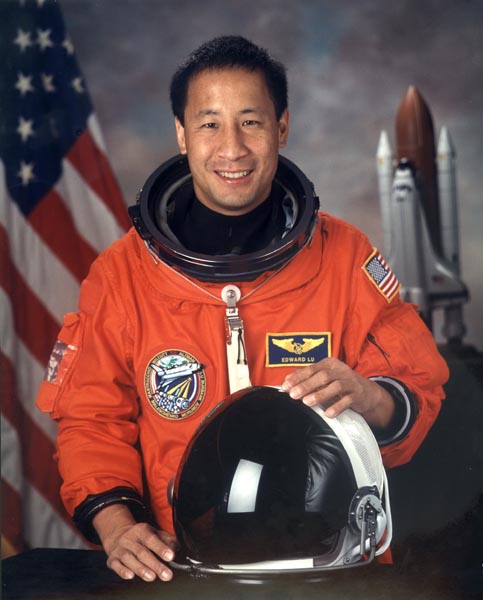
Ed Lu
- Birthday: 07/01/1963
- Role: Flight Engineer
- Nationality: United States of America
- First Flight: 05/15/1997
- Last Flight: 04/26/2003
Edward Tsang "Ed" Lu (simplified Chinese: 卢杰; traditional Chinese: 盧傑; pinyin: Lú Jié) is an American phy...
About the Soyuz TMA-2 Mission
- Type: Human Exploration
- Orbit: Low Earth Orbit
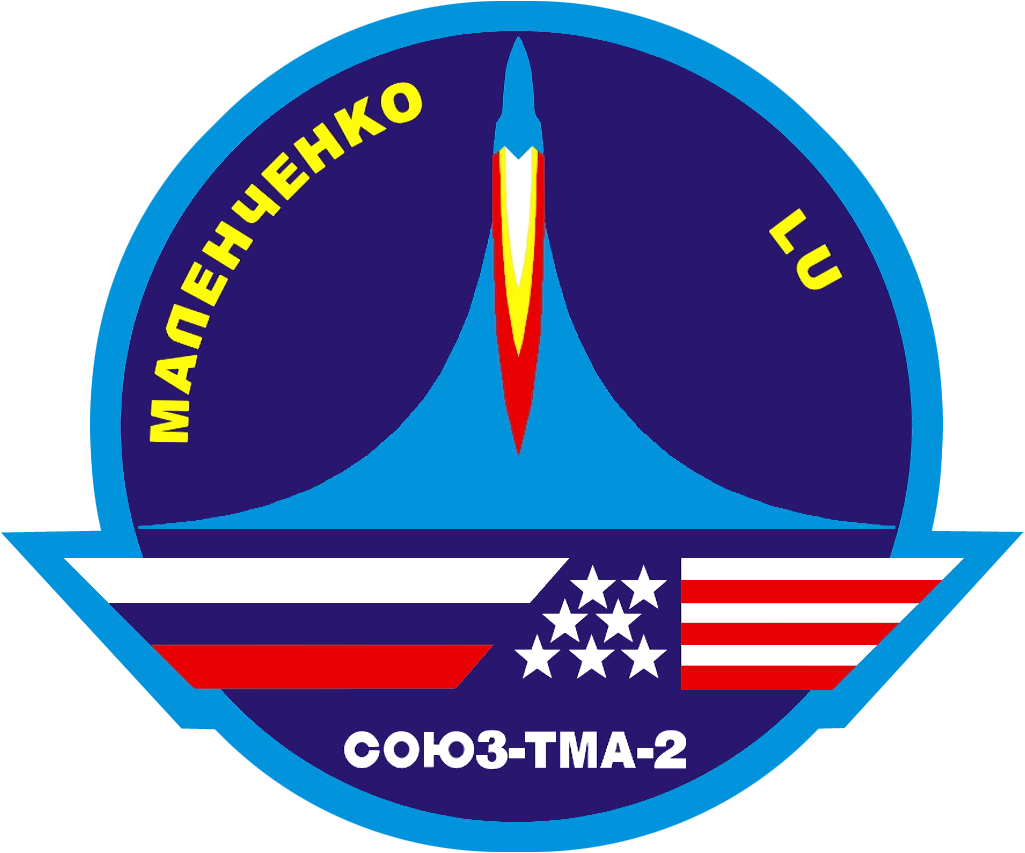
Soyuz TMA-2 begins Expedition 7 by carrying 2 astronauts and cosmonauts to the International Space Station.
Russian Commander, cosmonaut Yuri Malenchenko alongside Flight Engineer, Edward Tsang Lu (NASA) will launch aboard the Soyuz spacecraft from the Baikonur Cosmodrome in Kazakhstan and then rendezvous with the station.
It landed on October 28, 2003, 02:40:20 UTC
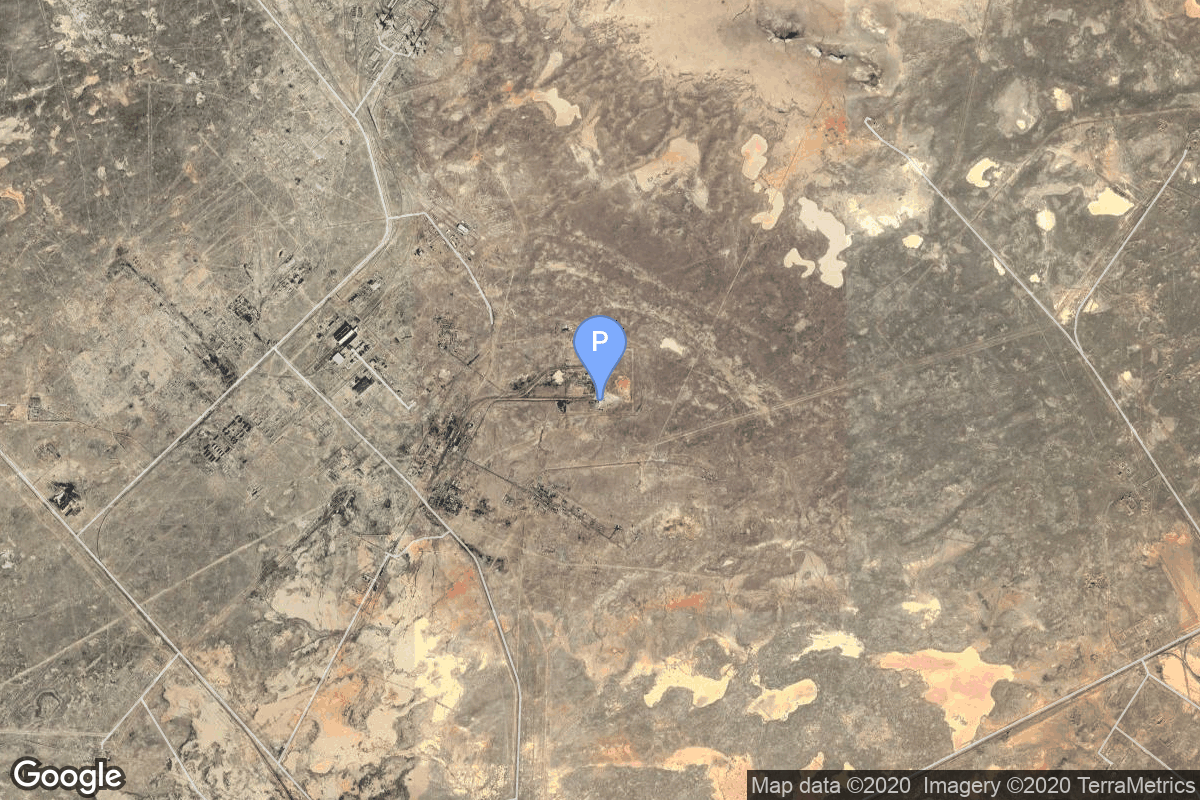
Launch Pad & Location
1/5
Baikonur Cosmodrome, Republic of Kazakhstan
The 1/5 launch pad has hosted 487 rocket launches, including 487 orbital launch attempts. The Baikonur Cosmodrome, Republic of Kazakhstan launch site has been the location for 1563 total rocket launches.
The Baikonur Cosmodrome is a spaceport operated by Russia within Kazakhstan. Located in the Kazakh city of Baikonur, it is the largest operational space launch facility in terms of area. All Russian crewed spaceflights are launched from Baikonur.
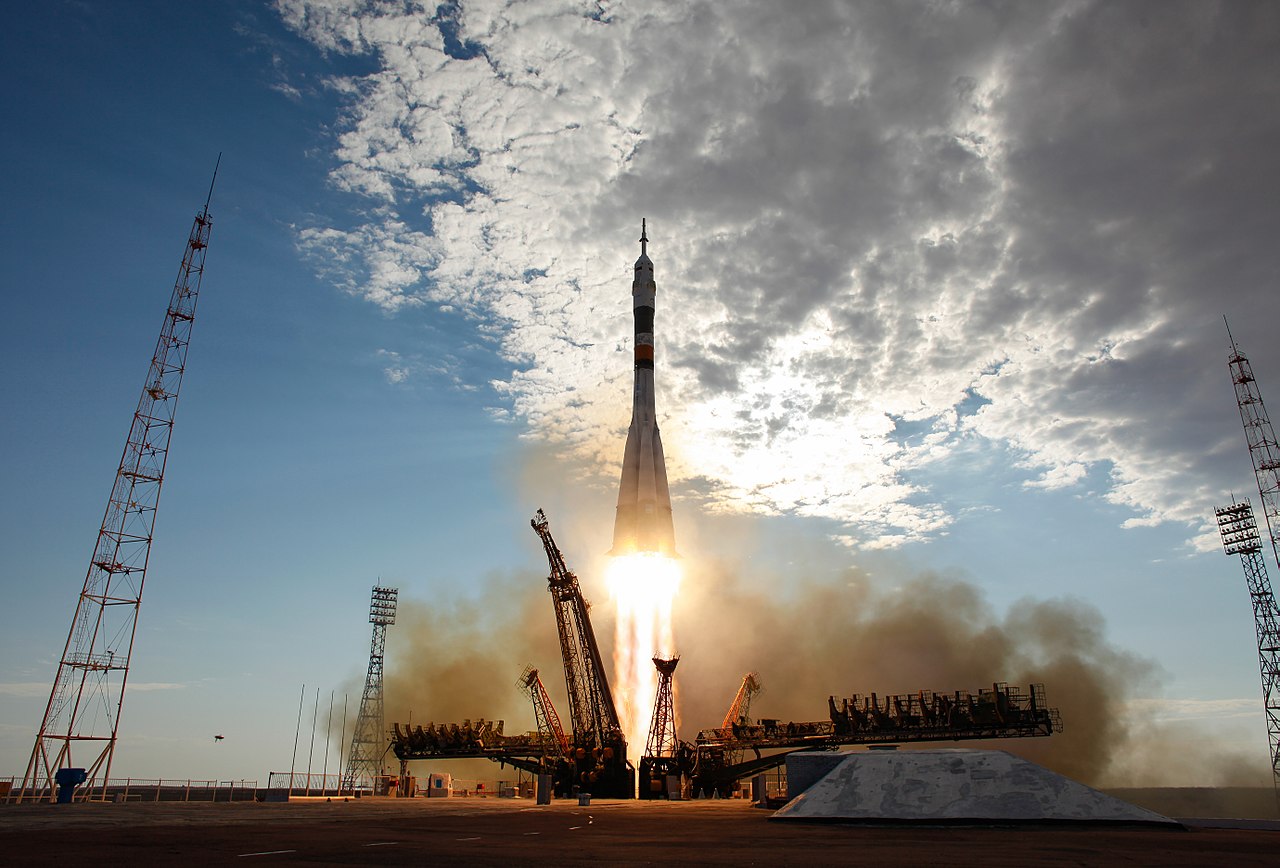
Progress Rocket Space Center Soyuz FG Rocket
The Soyuz FG rocket is an expendable launch vehicle most commonly known for carrying humans to the International Space Station today.
Learn more about the Progress Rocket Space Center Soyuz FG Rocket
About Russian Federal Space Agency (ROSCOSMOS)
The Roscosmos State Corporation for Space Activities, commonly known as Roscosmos, is the governmental body responsible for the space science program of the Russian Federation and general aerospace research. Soyuz has many launch locations the Russian sites are Baikonur, Plesetsk and Vostochny however Ariane also purchases the vehicle and launches it from French Guiana.
Frequently Asked Questions
When was the Russian Federal Space Agency (ROSCOSMOS) Soyuz Soyuz TMA-2 launch scheduled?
The Russian Federal Space Agency (ROSCOSMOS) Soyuz Soyuz TMA-2 launch was scheduled for:
.
Where did the Russian Federal Space Agency (ROSCOSMOS) Soyuz Soyuz TMA-2 mission launch from?
The Russian Federal Space Agency (ROSCOSMOS) Soyuz rocket launched from 1/5 at Baikonur Cosmodrome, Republic of Kazakhstan. The Baikonur Cosmodrome is a spaceport operated by Russia within Kazakhstan. Located in the Kazakh city of Baikonur, it is the largest operational space launch facility in terms of area. All Russian crewed spaceflights are launched from Baikonur.
What rocket was used for the Soyuz TMA-2 mission?
The Soyuz TMA-2 mission launched aboard a Russian Federal Space Agency (ROSCOSMOS) Soyuz rocket. The Soyuz FG rocket is an expendable launch vehicle most commonly known for carrying humans to the International Space Station today. Detailed rocket specifications and performance data are available in the rocket details above.
What weather conditions could have delayed the Russian Federal Space Agency (ROSCOSMOS) Soyuz Soyuz TMA-2 launch?
The Russian Federal Space Agency (ROSCOSMOS) Soyuz Soyuz TMA-2 launch could have been delayed by various weather conditions including lightning within 10 nautical miles, high winds (especially upper-level winds), thick cloud layers, precipitation, and poor visibility. Weather must be favorable at the launch site, downrange landing zones, and abort landing sites.
How can I get updates if the Russian Federal Space Agency (ROSCOSMOS) Soyuz Soyuz TMA-2 launch was delayed?
This page was updated in real-time with the latest Russian Federal Space Agency (ROSCOSMOS) Soyuz launch status, including any delays or scrubs for the Soyuz TMA-2 mission. You can also check our space launch schedule for historical launch information. Our mobile app provides push notifications for instant alerts about launch status changes. Official Russian Federal Space Agency (ROSCOSMOS) live streams provided the most immediate range updates during the launch window.