
ROSCOSMOS AIST-2T 01 & 02 Soyuz 2.1b/Fregat-M
Rocket Launch Video Stream
About the AIST-2T 01 & 02 Mission
| Type | Earth Science |
|---|---|
| Orbit | Sun-Synchronous Orbit |
| Launch Cost | $48,500,000 |
A pair of Russian optical Earth observation satellites built by the Progress Rocket Space Centre for obtaining stereo images of the Earth's surface, with maximum resolution of 1.2 m in panchromatic mode and a swath width of 32 km.
50 small satellites will also be launched as ride-share payloads, including 3 from Iran.
Launch Pad & Location
Cosmodrome Site 1S
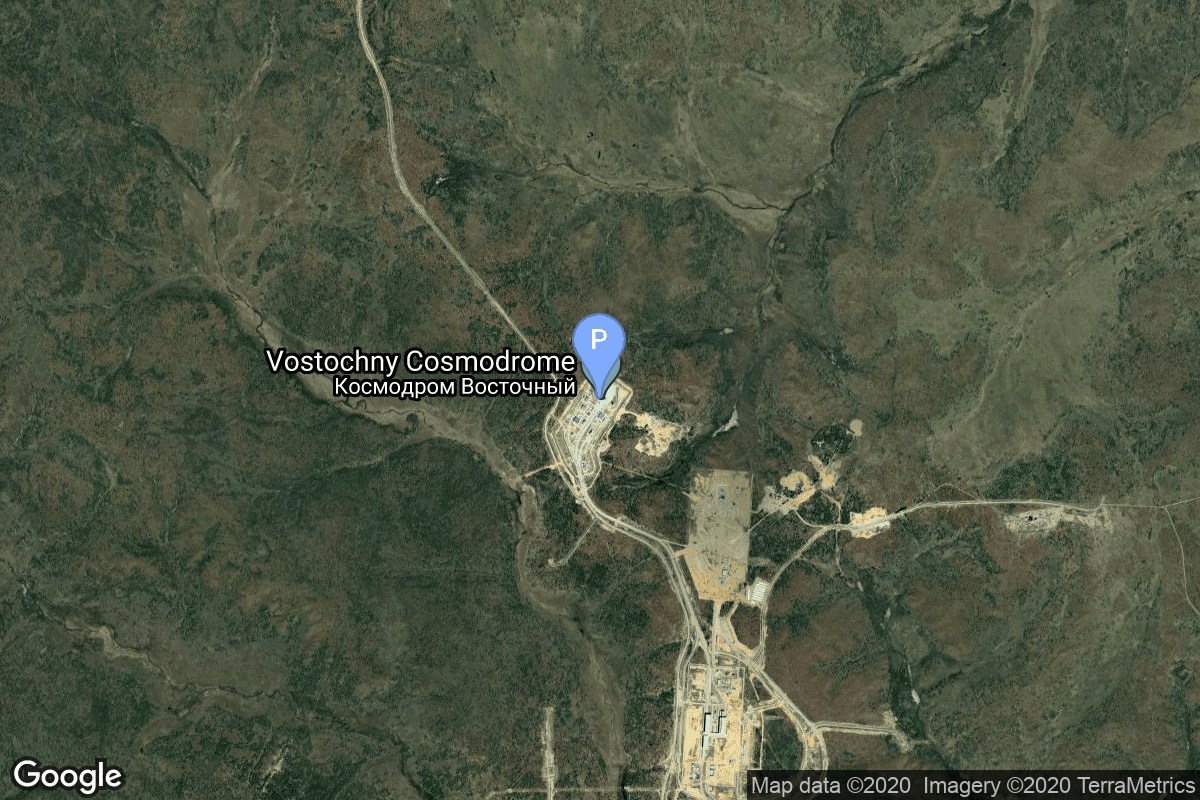
Vostochny Cosmodrome, Siberia, Russian Federation
| Launches | 20 |
|---|---|
| Orbital Launch Attempts | 20 |
| Total Launches | 21 |
The Vostochny Cosmodrome is a Russian spaceport above the 51st parallel north in the Amur Oblast, in the Russian Far East. It is intended to reduce Russia's dependency on the Baikonur Cosmodrome in Kazakhstan. The first launch took place on 28 April 2016 at 02:01 UTC.
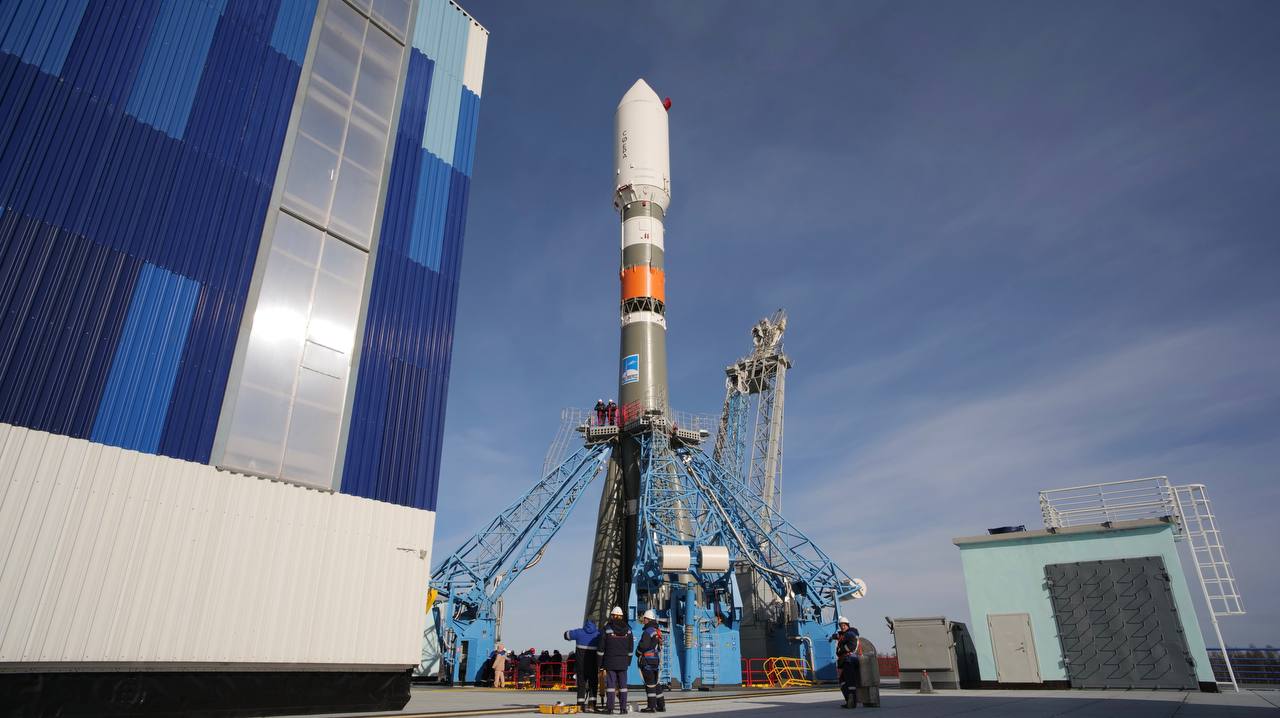
Progress Rocket Space Center Soyuz 2.1b Fregat-M Rocket
Soyuz-2, GRAU index 14A14, is the collective designation for the 21st-century version of the Russian Soyuz rocket. In its basic form, it is a three-stage carrier rocket for placing payloads into low Earth orbit. The first-stage boosters and two core stages feature uprated engines with improved injection systems, compared to the previous versions of the Soyuz. Digital flight control and telemetry systems allow the rocket to be launched from a fixed launch platform, whereas the launch platforms for earlier Soyuz rockets had to be rotated as the rocket could not perform a roll to change its heading in flight.
| Length | 46.3 m |
|---|---|
| Diameter | 10.3 m |
| Stages | 4 |
| Launch Mass | 313.0 T |
| Takeoff Thrust | 4,150.0 kN |
| LEO Capacity | 8,200 kg |
| GTO Capacity | 3,250 kg |
| Launch Cost | $48,500,000 |
| Maiden Flight | 7/26/2008 |
Learn more about the Progress Rocket Space Center Soyuz 2.1b Fregat-M Rocket
About ROSCOSMOS
The Roscosmos State Corporation for Space Activities, commonly known as Roscosmos, is the governmental body responsible for the space science program of the Russian Federation and general aerospace research. Soyuz has many launch locations the Russian sites are Baikonur, Plesetsk and Vostochny however Ariane also purchases the vehicle and launches it from French Guiana.
| Total Launches | 344 |
|---|---|
| Successful | 333 |
| Failed | 11 |
| Pending | 4 |
| Consecutive Success | 68 |

Frequently Asked Questions
When was the ROSCOSMOS Soyuz 2.1b/Fregat-M AIST-2T 01 & 02 launch scheduled?
The ROSCOSMOS Soyuz 2.1b/Fregat-M AIST-2T 01 & 02 launch was scheduled for:
.
Where can I watch the ROSCOSMOS Soyuz 2.1b/Fregat-M AIST-2T 01 & 02 launch video?
You can watch the ROSCOSMOS Soyuz 2.1b/Fregat-M launch video on this page. The official video includes full mission coverage with multiple camera angles, onboard views, and expert commentary covering pre-launch procedures, liftoff, stage separation, and payload deployment.
Where did the ROSCOSMOS Soyuz 2.1b/Fregat-M AIST-2T 01 & 02 mission launch from?
The ROSCOSMOS Soyuz 2.1b/Fregat-M rocket launched from Cosmodrome Site 1S at Vostochny Cosmodrome, Siberia, Russian Federation. The Vostochny Cosmodrome is a Russian spaceport above the 51st parallel north in the Amur Oblast, in the Russian Far East. It is intended to reduce Russia's dependency on the Baikonur Cosmodrome in Kazakhstan. The first launch took place on 28 April 2016 at 02:01 UTC.
What rocket was used for the AIST-2T 01 & 02 mission?
The AIST-2T 01 & 02 mission launched aboard a ROSCOSMOS Soyuz 2.1b/Fregat-M rocket. Soyuz-2, GRAU index 14A14, is the collective designation for the 21st-century version of the Russian Soyuz rocket. In its basic form, it is a three-stage carrier rocket for placing payloads into low Earth orbit. The first-stage boosters and two core stages feature uprated engines with improved injection systems, compared to the previous versions of the Soyuz. Digital flight control and telemetry systems allow the rocket to be launched from a fixed launch platform, whereas the launch platforms for earlier Soyuz rockets had to be rotated as the rocket could not perform a roll to change its heading in flight. Detailed rocket specifications and performance data are available in the rocket details above.
What weather conditions could have delayed the ROSCOSMOS Soyuz 2.1b/Fregat-M AIST-2T 01 & 02 launch?
The ROSCOSMOS Soyuz 2.1b/Fregat-M AIST-2T 01 & 02 launch could have been delayed by various weather conditions including lightning within 10 nautical miles, high winds (especially upper-level winds), thick cloud layers, precipitation, and poor visibility. Weather must be favorable at the launch site, downrange landing zones, and abort landing sites.
How can I get updates if the ROSCOSMOS Soyuz 2.1b/Fregat-M AIST-2T 01 & 02 launch was delayed?
This page was updated in real-time with the latest ROSCOSMOS Soyuz 2.1b/Fregat-M launch status, including any delays or scrubs for the AIST-2T 01 & 02 mission. You can also check our space launch schedule for historical launch information. Our mobile app provides push notifications for instant alerts about launch status changes. Official ROSCOSMOS live streams provided the most immediate range updates during the launch window.
Last Updated
Last Updated:
-
Launch success.
-
Liftoff.
-
Official Webcast by Роскосмос ТВ has started
-
GO for launch.
-
Added tentative launch time.
-
Reverted to NET December 28.
-
Reverted to NET early 2026.
-
NET December 28.
-
NET February 2026.
-
NET December 10.
-
NET December 15.
-
NET November 20.
-
NET October 20.
-
NET late August.
-
NET July 31.
-
NET June 26.
-
Delayed to 17 March 2025.
-
Added launch.