
Russian Space Forces EKS 6 (Tundra 6) (Kosmos 2563) Soyuz 2.1b Fregat
About the Kosmos 2563 (EKS 6/Tundra 6) Mission
| Type | Government/Top Secret |
|---|---|
| Orbit | Elliptical Orbit |
| Launch Cost | $80,000,000 |
The Tundra or EKS (meaning Unified Space System) series of satellites is the next generation of Russian early warning satellites.
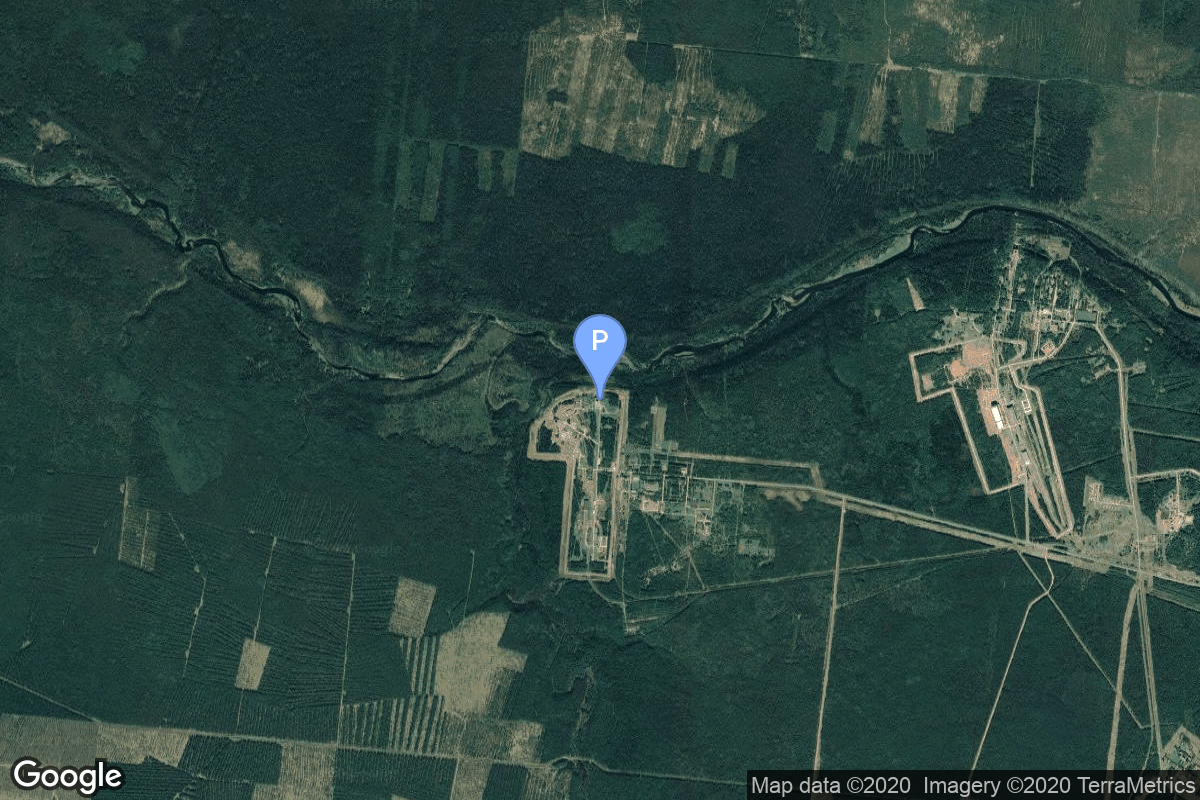
Launch Pad & Location
43/4 (43R)
Plesetsk Cosmodrome, Russian Federation
| Launches | 328 |
|---|---|
| Orbital Launch Attempts | 328 |
| Total Launches | 1685 |
Plesetsk Cosmodrome is a Russian spaceport located in Mirny, Arkhangelsk Oblast, about 800 km north of Moscow and approximately 200 km south of Arkhangelsk. Originally developed as an ICBM site for the R-7 missile, it also served for numerous satellite launches using the R-7 and other rockets. Its high latitude makes it useful only for certain types of launches, especially the Molniya orbits, so for much of the site's history it functioned as a secondary location, with most orbital launches taking place from Baikonur, in the Kazakh SSR. With the end of the Soviet Union, Baikonur became a foreign territory, and Kazakhstan charged $115 million usage fees annually. Consequently, Plesetsk has seen considerably more activity since the 2000s.
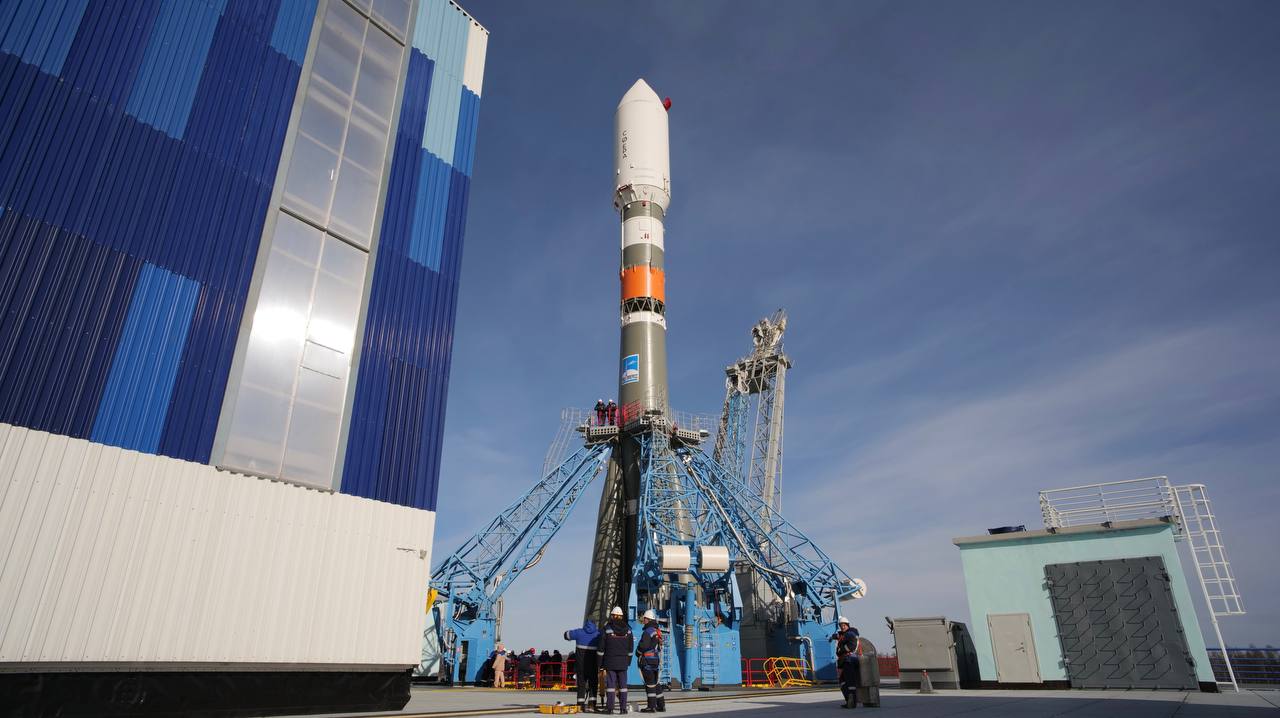
Progress Rocket Space Center Soyuz 2.1b Fregat Rocket
Soyuz-2, GRAU index 14A14, is the collective designation for the 21st-century version of the Russian Soyuz rocket. In its basic form, it is a three-stage carrier rocket for placing payloads into low Earth orbit. The first-stage boosters and two core stages feature uprated engines with improved injection systems, compared to the previous versions of the Soyuz. Digital flight control and telemetry systems allow the rocket to be launched from a fixed launch platform, whereas the launch platforms for earlier Soyuz rockets had to be rotated as the rocket could not perform a roll to change its heading in flight.
The Soyuz 2.1b represents the latest development stage of the proven rocket.
It uses the new RD-0124 engines in the first three stages, coupled with an improved injection system that significantly boosts the performance of the Soyuz.
Furthermore, she wears a new, digital startup control system.
This will allow the Soyuz 2.1b to carry around 1.2 tonnes more payload into low earth orbit compared to its predecessor.
| Length | 46.3 m |
|---|---|
| Diameter | 3.0 m |
| Stages | 3-4 |
| Launch Mass | 312.0 T |
| Takeoff Thrust | 4,150.0 kN |
| LEO Capacity | 8,200 kg |
| GTO Capacity | 3,250 kg |
| SSO Capacity | 4,900 kg |
| Launch Cost | $80,000,000 |
| Maiden Flight | 12/27/2006 |
Learn more about the Progress Rocket Space Center Soyuz 2.1b Fregat Rocket
About Russian Space Forces
The Russian Space Forces are a branch of the Russian Aerospace Forces, that provides aerospace warning, air sovereignty, and protection for Russia. Having been reestablished following August 1, 2015 merger between the Russian Air Force and the Russian Aerospace Defence Forces after a 2011 dissolving of the branch. The Russian Space Forces were originally formed on August 10, 1992 and the creation of the Russian Armed Forces.
| Total Launches | 156 |
|---|---|
| Successful | 148 |
| Failed | 8 |
| Pending | 1 |
| Consecutive Success | 68 |
Frequently Asked Questions
When was the Russian Space Forces Soyuz 2.1b/Fregat Kosmos 2563 (EKS 6/Tundra 6) launch scheduled?
The Russian Space Forces Soyuz 2.1b/Fregat Kosmos 2563 (EKS 6/Tundra 6) launch was scheduled for:
.
Where did the Russian Space Forces Soyuz 2.1b/Fregat Kosmos 2563 (EKS 6/Tundra 6) mission launch from?
The Russian Space Forces Soyuz 2.1b/Fregat rocket launched from 43/4 (43R) at Plesetsk Cosmodrome, Russian Federation. Plesetsk Cosmodrome is a Russian spaceport located in Mirny, Arkhangelsk Oblast, about 800 km north of Moscow and approximately 200 km south of Arkhangelsk. Originally developed as an ICBM site for the R-7 missile, it also served for numerous satellite launches using the R-7 and other rockets. Its high latitude makes it useful only for certain types of launches, especially the Molniya orbits, so for much of the site's history it functioned as a secondary location, with most orbital launches taking place from Baikonur, in the Kazakh SSR. With the end of the Soviet Union, Baikonur became a foreign territory, and Kazakhstan charged $115 million usage fees annually. Consequently, Plesetsk has seen considerably more activity since the 2000s.
What rocket was used for the Kosmos 2563 (EKS 6/Tundra 6) mission?
The Kosmos 2563 (EKS 6/Tundra 6) mission launched aboard a Russian Space Forces Soyuz 2.1b/Fregat rocket. Soyuz-2, GRAU index 14A14, is the collective designation for the 21st-century version of the Russian Soyuz rocket. In its basic form, it is a three-stage carrier rocket for placing payloads into low Earth orbit. The first-stage boosters and two core stages feature uprated engines with improved injection systems, compared to the previous versions of the Soyuz. Digital flight control and telemetry systems allow the rocket to be launched from a fixed launch platform, whereas the launch platforms for earlier Soyuz rockets had to be rotated as the rocket could not perform a roll to change its heading in flight. <br> <br>The Soyuz 2.1b represents the latest development stage of the proven rocket. <br> <br>It uses the new RD-0124 engines in the first three stages, coupled with an improved injection system that significantly boosts the performance of the Soyuz. <br>Furthermore, she wears a new, digital startup control system. <br>This will allow the Soyuz 2.1b to carry around 1.2 tonnes more payload into low earth orbit compared to its predecessor. Detailed rocket specifications and performance data are available in the rocket details above.
What weather conditions could have delayed the Russian Space Forces Soyuz 2.1b/Fregat Kosmos 2563 (EKS 6/Tundra 6) launch?
The Russian Space Forces Soyuz 2.1b/Fregat Kosmos 2563 (EKS 6/Tundra 6) launch could have been delayed by various weather conditions including lightning within 10 nautical miles, high winds (especially upper-level winds), thick cloud layers, precipitation, and poor visibility. Weather must be favorable at the launch site, downrange landing zones, and abort landing sites.
How can I get updates if the Russian Space Forces Soyuz 2.1b/Fregat Kosmos 2563 (EKS 6/Tundra 6) launch was delayed?
This page was updated in real-time with the latest Russian Space Forces Soyuz 2.1b/Fregat launch status, including any delays or scrubs for the Kosmos 2563 (EKS 6/Tundra 6) mission. You can also check our space launch schedule for historical launch information. Our mobile app provides push notifications for instant alerts about launch status changes. Official Russian Space Forces live streams provided the most immediate range updates during the launch window.
Last Updated
Last Updated:
-
Launch success
-
Liftoff confirmed
-
Added launch per NOTAMS and local news reports