
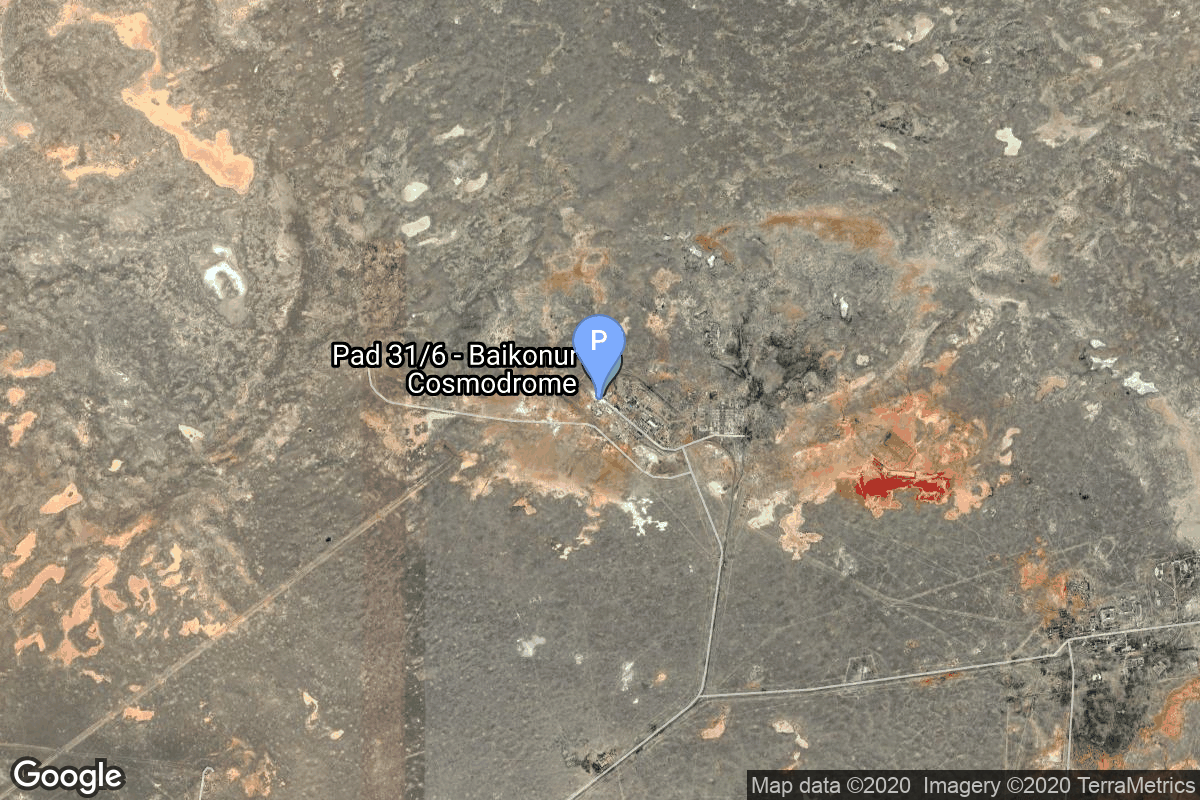
Russian Federal Space Agency (ROSCOSMOS) Soyuz MS-25 Soyuz 2.1a
Rocket Launch Video Streams
Meet the Astronaut Crew
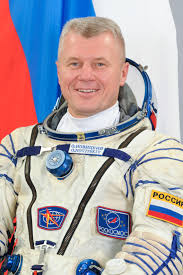
Oleg Novitskiy
| Birthday | 10/12/1971 |
|---|---|
| Role | Commander |
| Nationality | Russia |
| First Flight | 10/23/2012 |
| Last Flight | 03/23/2024 |
Oleg Viktorovich Novitskiy, lieutenant colonel in the Russian Air Force, is a Russian cosmonaut.
Novitskiy w...
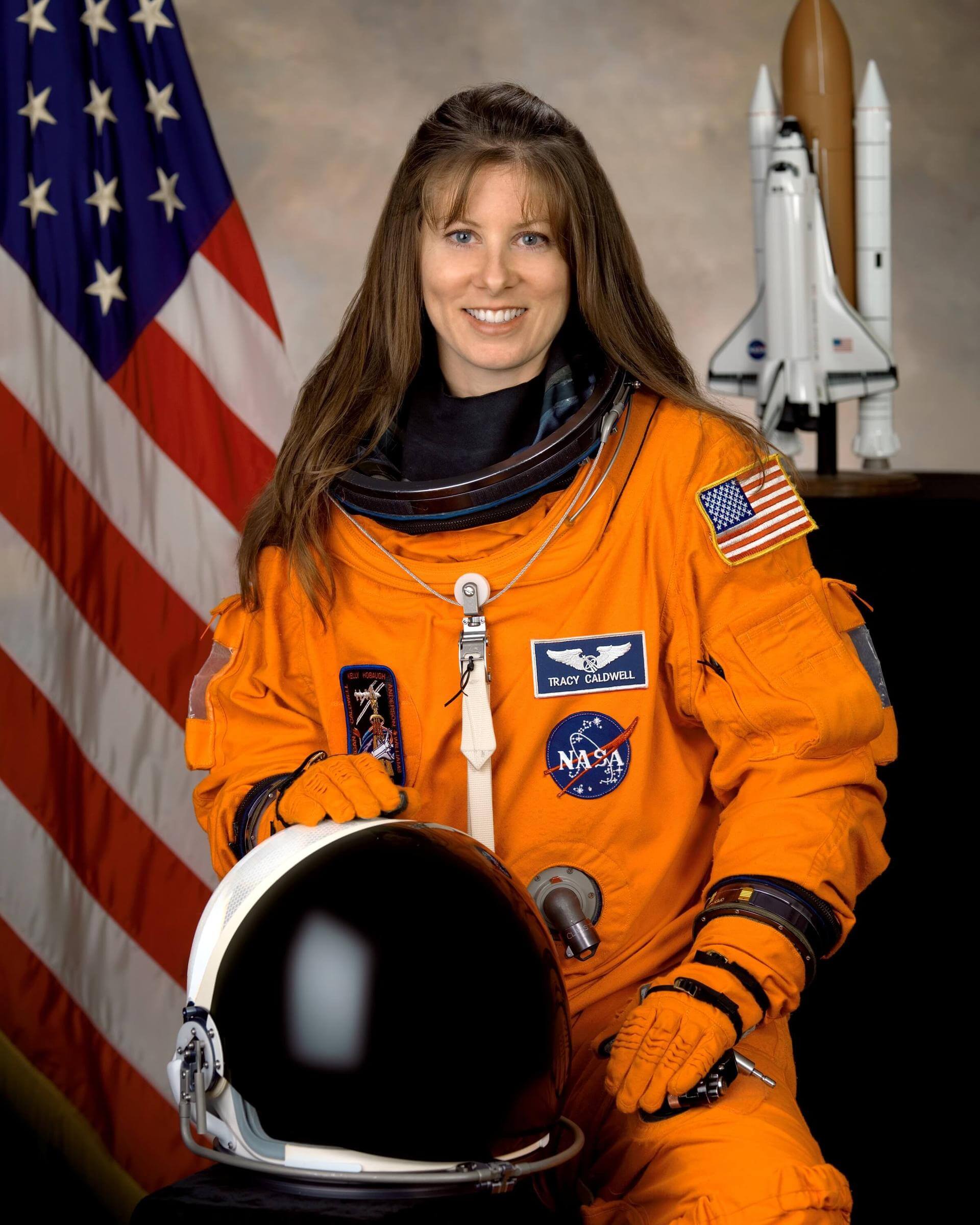
Tracy Caldwell Dyson
| Birthday | 08/14/1969 |
|---|---|
| Role | Flight Engineer |
| Nationality | United States of America |
| First Flight | 08/08/2007 |
| Last Flight | 03/23/2024 |
Tracy Caldwell Dyson is an American chemist and NASA astronaut. Caldwell Dyson was a Mission Specialist on Space Shuttle Ende...

Marina Vasilevskaya
| Role | Spaceflight Participant |
|---|---|
| Nationality | Belarus |
| First Flight | 03/23/2024 |
| Last Flight | 03/23/2024 |
Belarusian flight attendant selected to fly on Soyuz MS-25 and spend approximately 12 days onboard the International Space St...
Rocket Launch Timeline
Track every phase of the rocket launch with our detailed mission timeline. From T-minus countdown events and pre-launch preparations through liftoff, stage separation, and orbital insertion, follow each critical milestone in real-time. Our comprehensive launch sequence timeline includes payload integration, propellant loading, engine ignition, and post-launch telemetry tracking.
| Time | Event |
|---|---|
| T+ 00 : 00 : 00 | Liftoff First upwards movement of the rocket |
| T+ 00 : 01 : 58 | Booster Separation The side boosters are separated from the launcher. |
| T+ 00 : 02 : 35 | Fairing Separation Separation of the payload fairing |
| T+ 00 : 04 : 48 | Stage 2 Separation Separation of the second stage from the first |
| T+ 00 : 08 : 49 | SECO Cut-off of the second engine |
| T+ 00 : 08 : 50 | Soyuz Separation The soyuz spacecraft is separated from the upper stage |
About the Soyuz MS-25 Mission
| Type | Human Exploration |
|---|---|
| Orbit | Low Earth Orbit |
| Launch Cost | $80,000,000 |
Soyuz MS-25 will carry two cosmonauts and one astronaut to the International Space Station aboard the Soyuz spacecraft from the Baikonur Cosmodrome in Kazakhstan.
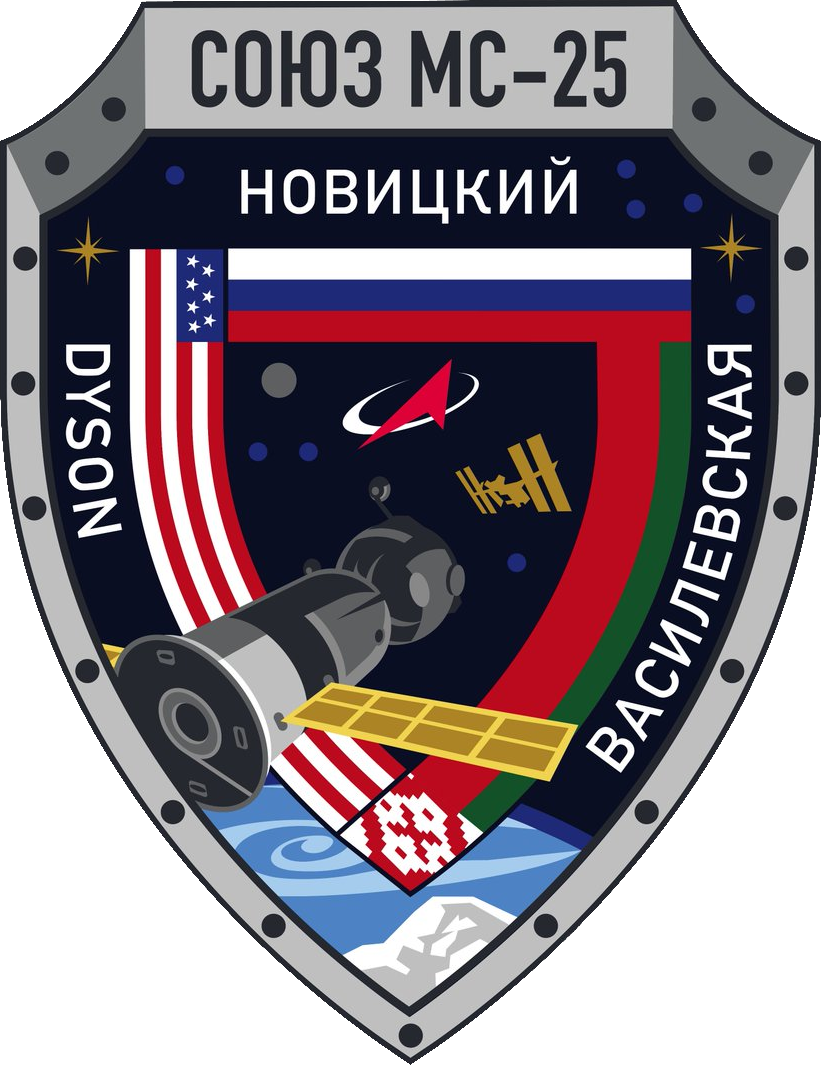
Launch Pad & Location
31/6
Baikonur Cosmodrome, Republic of Kazakhstan
| Launches | 428 |
|---|---|
| Orbital Launch Attempts | 428 |
| Total Launches | 1563 |
The Baikonur Cosmodrome is a spaceport operated by Russia within Kazakhstan. Located in the Kazakh city of Baikonur, it is the largest operational space launch facility in terms of area. All Russian crewed spaceflights are launched from Baikonur.
Progress Rocket Space Center Soyuz 2.1a Rocket
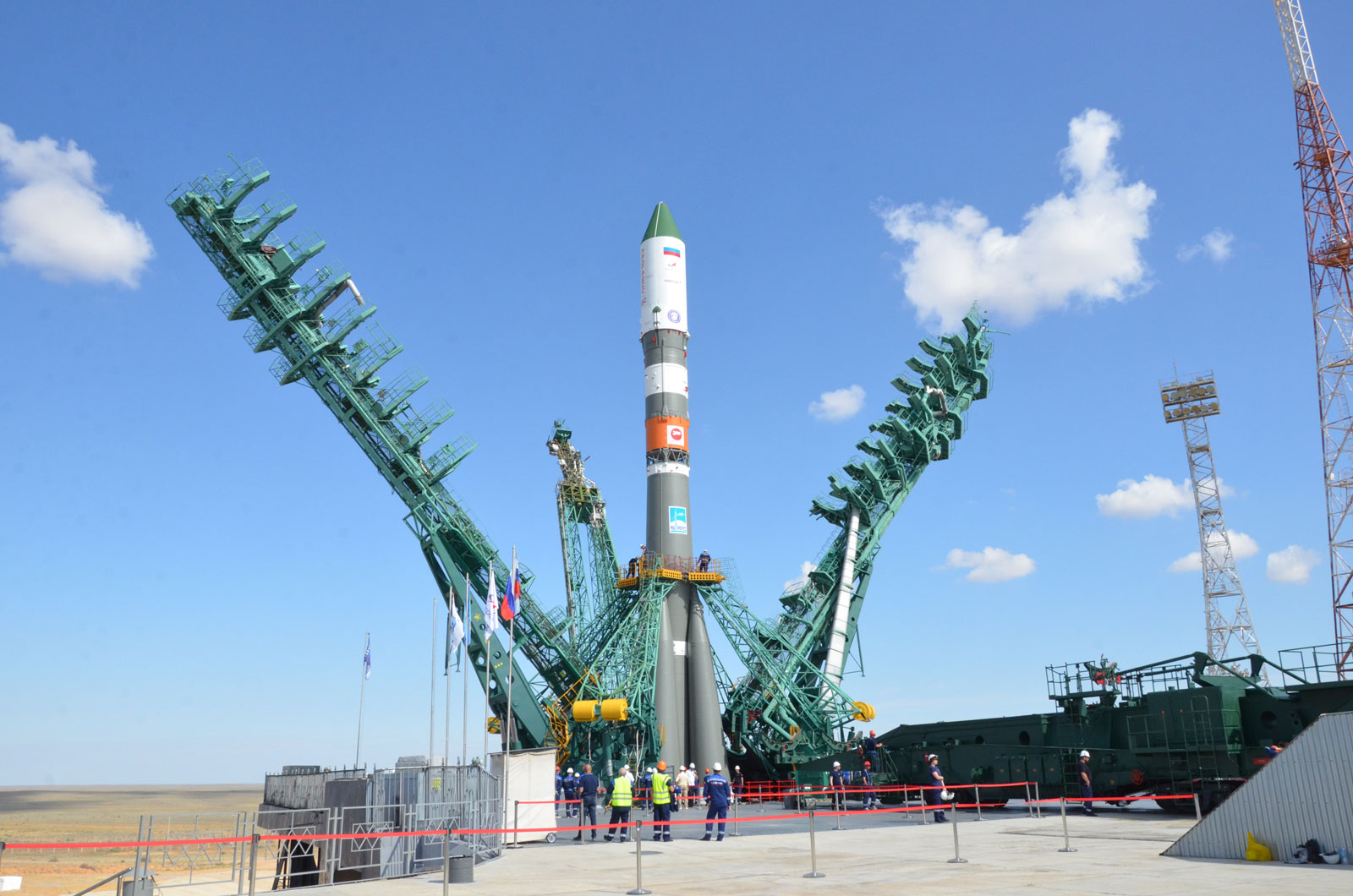
The Soyuz 2.1A converted the flight control system from analog to digital, which allowed launch from fixed platforms. It also allowed big fairings and payloads.
It is currently used for crewed Soyuz and Progress flights to the ISS.
Learn more about the Progress Rocket Space Center Soyuz 2.1a Rocket
About Russian Federal Space Agency (ROSCOSMOS)
The Roscosmos State Corporation for Space Activities, commonly known as Roscosmos, is the governmental body responsible for the space science program of the Russian Federation and general aerospace research. Soyuz has many launch locations the Russian sites are Baikonur, Plesetsk and Vostochny however Ariane also purchases the vehicle and launches it from French Guiana.

Frequently Asked Questions
When was the Russian Federal Space Agency (ROSCOSMOS) Soyuz 2.1a Soyuz MS-25 launch scheduled?
The Russian Federal Space Agency (ROSCOSMOS) Soyuz 2.1a Soyuz MS-25 launch was scheduled for:
.
Where can I watch the Russian Federal Space Agency (ROSCOSMOS) Soyuz 2.1a Soyuz MS-25 launch video?
You can watch the Russian Federal Space Agency (ROSCOSMOS) Soyuz 2.1a launch video on this page. The official video includes full mission coverage with multiple camera angles, onboard views, and expert commentary covering pre-launch procedures, liftoff, stage separation, and payload deployment.
Where did the Russian Federal Space Agency (ROSCOSMOS) Soyuz 2.1a Soyuz MS-25 mission launch from?
The Russian Federal Space Agency (ROSCOSMOS) Soyuz 2.1a rocket launched from 31/6 at Baikonur Cosmodrome, Republic of Kazakhstan. The Baikonur Cosmodrome is a spaceport operated by Russia within Kazakhstan. Located in the Kazakh city of Baikonur, it is the largest operational space launch facility in terms of area. All Russian crewed spaceflights are launched from Baikonur.
What rocket was used for the Soyuz MS-25 mission?
The Soyuz MS-25 mission launched aboard a Russian Federal Space Agency (ROSCOSMOS) Soyuz 2.1a rocket. The Soyuz 2.1A converted the flight control system from analog to digital, which allowed launch from fixed platforms. It also allowed big fairings and payloads. <br>It is currently used for crewed Soyuz and Progress flights to the ISS. Detailed rocket specifications and performance data are available in the rocket details above.
What weather conditions could have delayed the Russian Federal Space Agency (ROSCOSMOS) Soyuz 2.1a Soyuz MS-25 launch?
The Russian Federal Space Agency (ROSCOSMOS) Soyuz 2.1a Soyuz MS-25 launch could have been delayed by various weather conditions including lightning within 10 nautical miles, high winds (especially upper-level winds), thick cloud layers, precipitation, and poor visibility. Weather must be favorable at the launch site, downrange landing zones, and abort landing sites.
How can I get updates if the Russian Federal Space Agency (ROSCOSMOS) Soyuz 2.1a Soyuz MS-25 launch was delayed?
This page was updated in real-time with the latest Russian Federal Space Agency (ROSCOSMOS) Soyuz 2.1a launch status, including any delays or scrubs for the Soyuz MS-25 mission. You can also check our space launch schedule for historical launch information. Our mobile app provides push notifications for instant alerts about launch status changes. Official Russian Federal Space Agency (ROSCOSMOS) live streams provided the most immediate range updates during the launch window.
Last Updated
Last Updated:
-
Soyuz MS-25 was successfully launched towards the International Space Station. Docking scheduled for 15:09 UTC on March 25.
-
Liftoff
-
Official Webcast by Роскосмос ТВ has started
-
Officially confirmed rescheduling to March 23.
-
Added launch time target for March 23.
-
Next opportunity on Saturday morning, pending resolution of any issues with the launch vehicle.
-
Launch aborted at approximately T-20 seconds. Awaiting information about the next opportunity.
-
Official Webcast by NASA has started
-
Tweaked T-0.
-
Launch time confirmed.
-
Tweaked T-0.
-
Refined T-0
-
NET March 21.
-
Adding launch date and approximate time
-
Adding launch in March 2024