
National Aeronautics and Space Administration Apollo 9 Saturn V
Rocket Launch Video Streams
Meet the Astronaut Crew
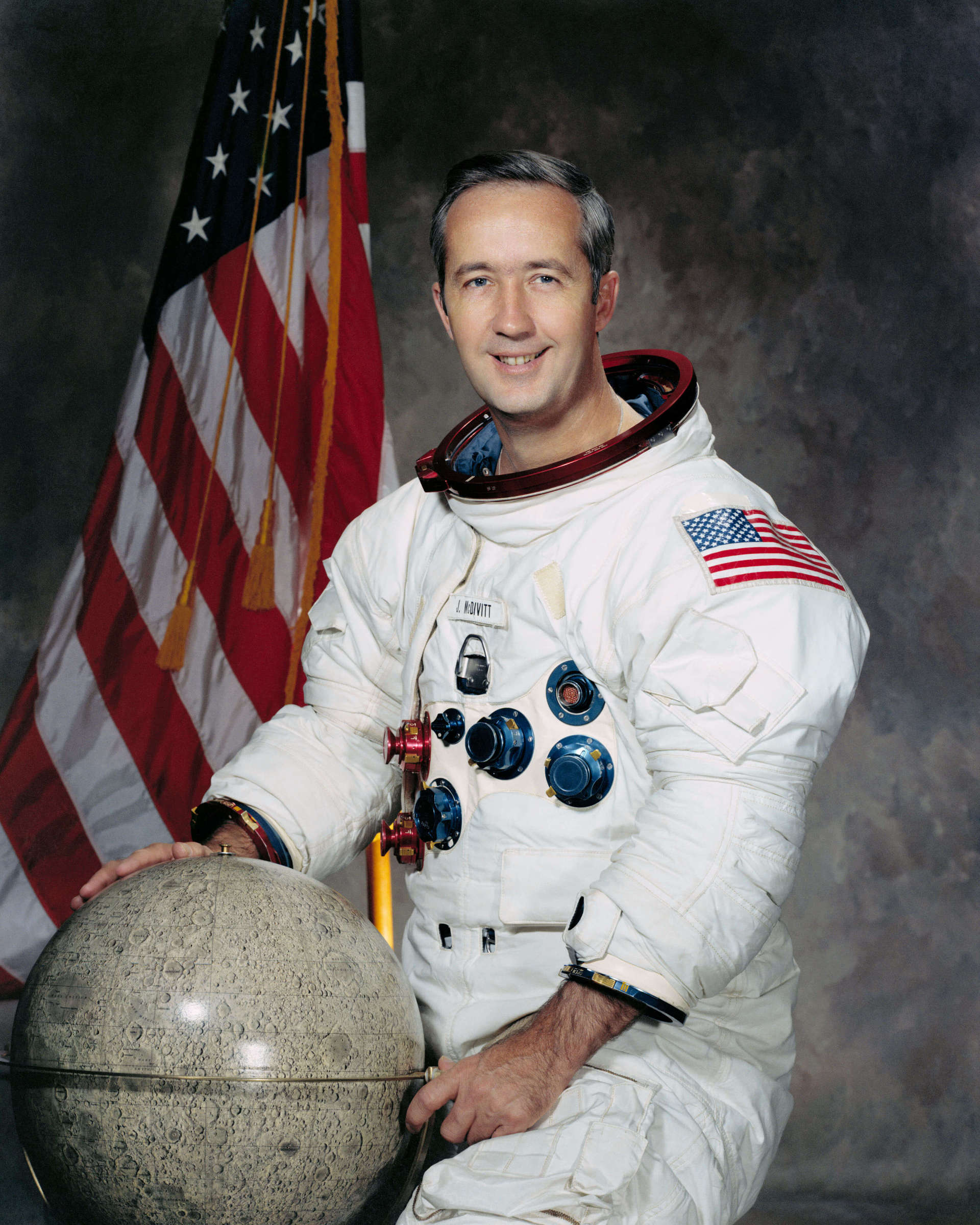
James McDivitt
| Birthday | 06/10/1929 |
|---|---|
| Role | Commander |
| Nationality | United States of America |
| First Flight | 06/03/1965 |
| Last Flight | 03/03/1969 |
James Alton "Jim" McDivitt was an American former test pilot, United States Air Force pilot, aeronautical engineer,...
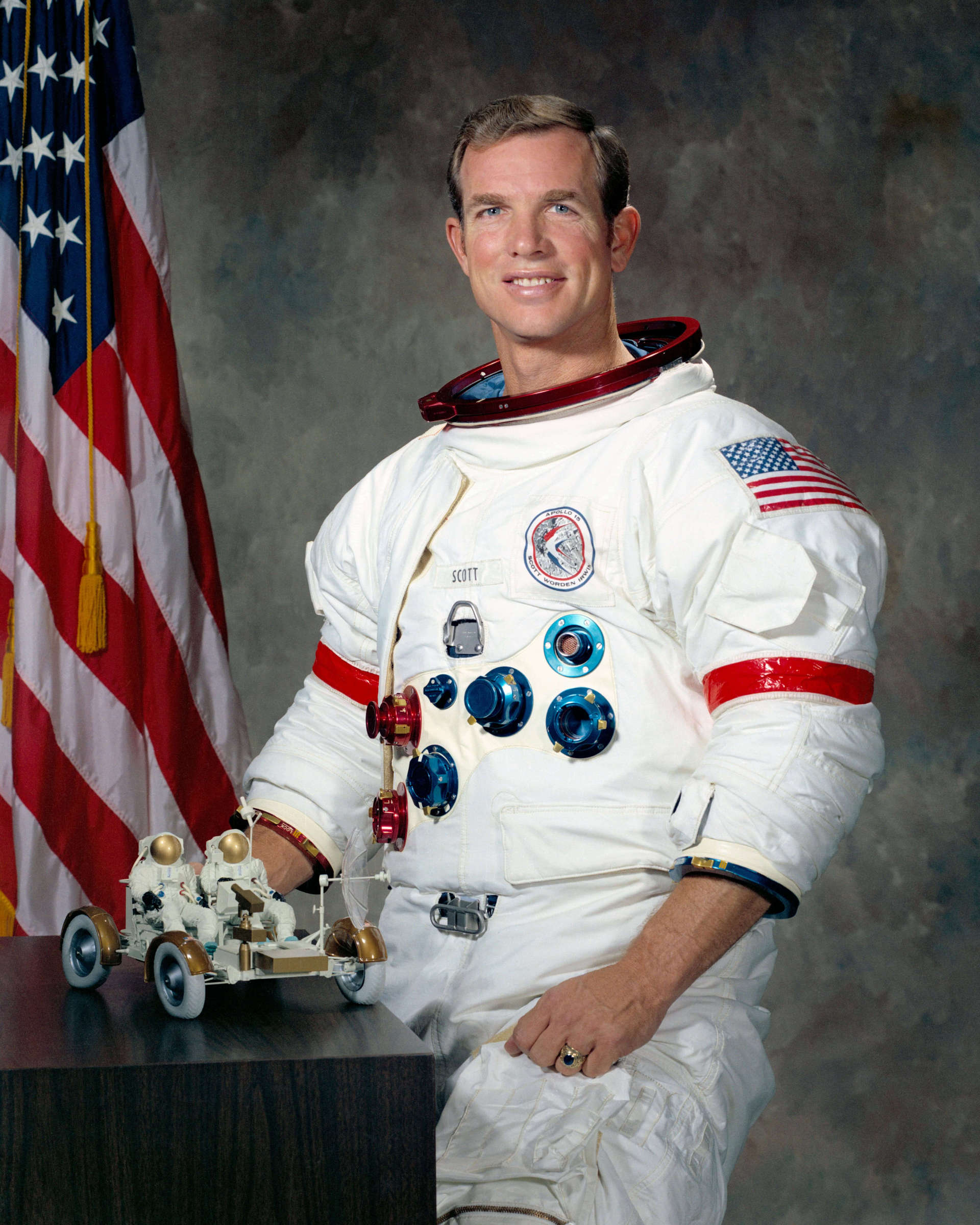
David Scott
| Birthday | 06/06/1932 |
|---|---|
| Role | Command Module Pilot |
| Nationality | United States of America |
| First Flight | 03/16/1966 |
| Last Flight | 08/02/1971 |
David Randolph Scott is an American engineer, former NASA astronaut, retired U.S. Air Force officer and former test pilot. He...
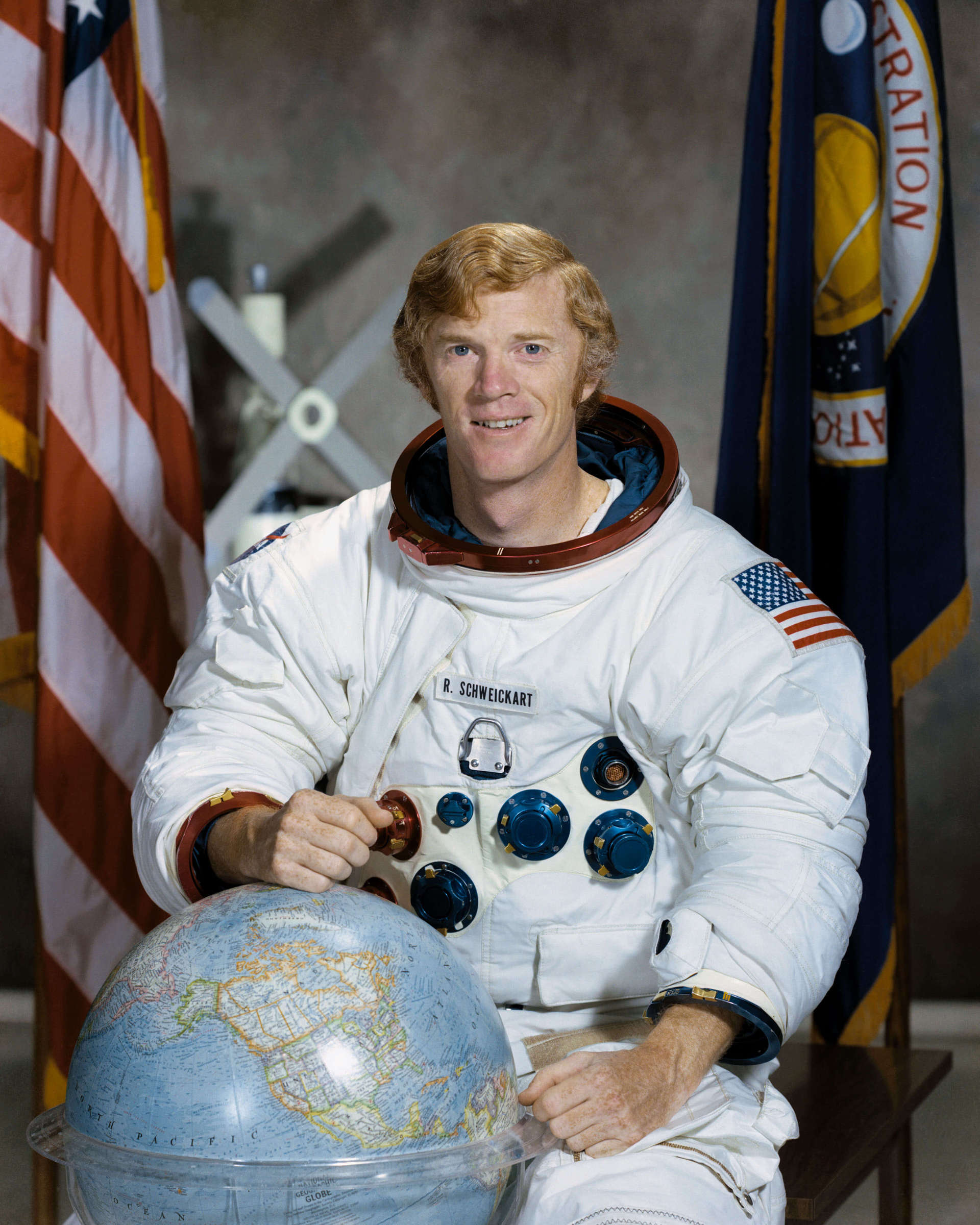
Rusty Schweickart
| Birthday | 10/25/1935 |
|---|---|
| Role | Lunar Module Pilot |
| Nationality | United States of America |
| First Flight | 03/03/1969 |
| Last Flight | 03/03/1969 |
Russell Louis "Rusty" Schweickart is an American aeronautical engineer, and a former NASA astronaut, research scien...
About the Apollo 9 Mission
| Type | Human Exploration |
|---|---|
| Orbit | Low Earth Orbit |
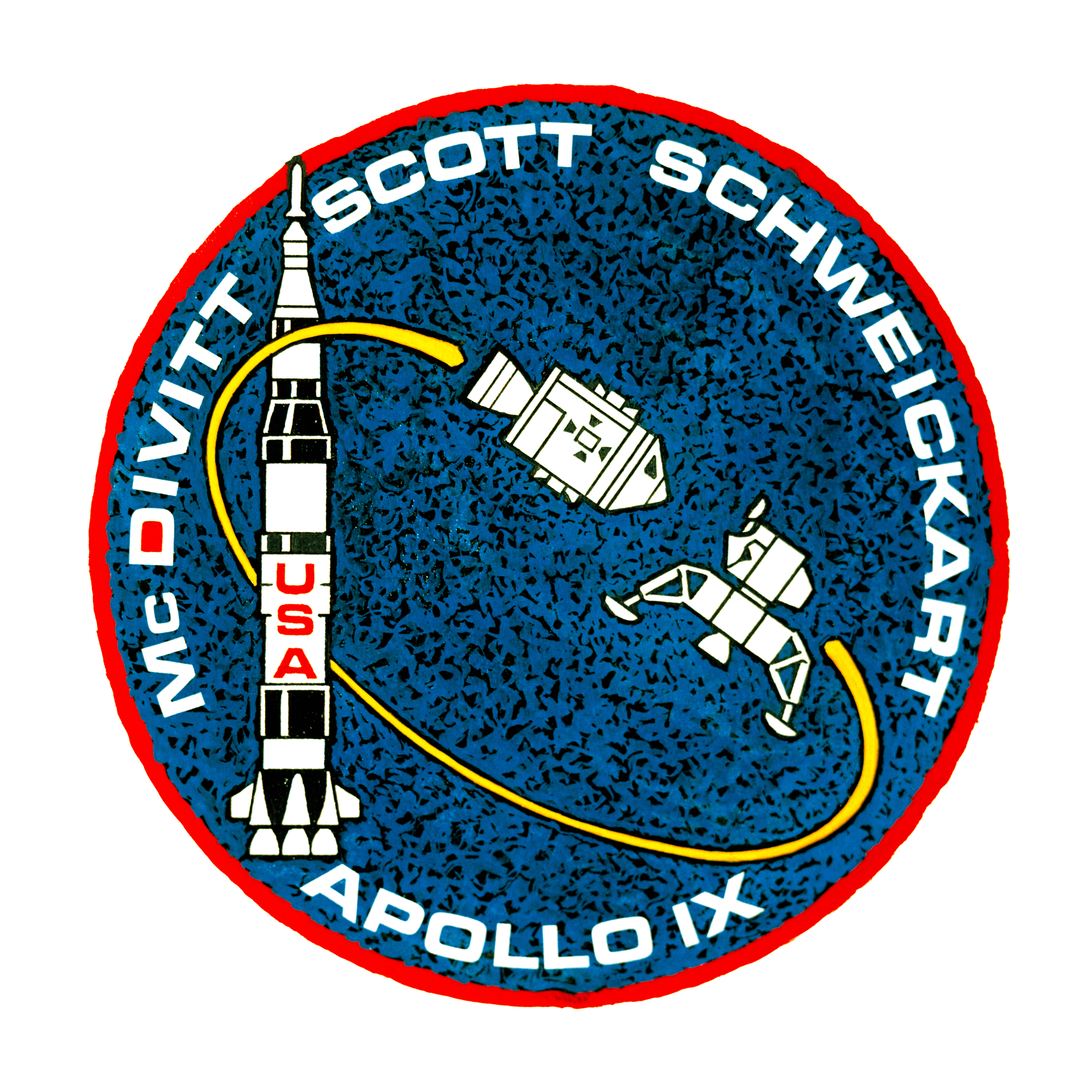
Apollo 9 was commanded by James McDivitt, Command Module Pilot Dave Scott and Lunar Module Pilot Rusty Schweickart. The mission tested the LM engines, backpack life support systems, navigation systems, and docking maneuvers.
Launch Pad & Location
Launch Complex 39A
Kennedy Space Center, FL, USA
| Launches | 222 |
|---|---|
| Orbital Launch Attempts | 221 |
| Total Launches | 281 |
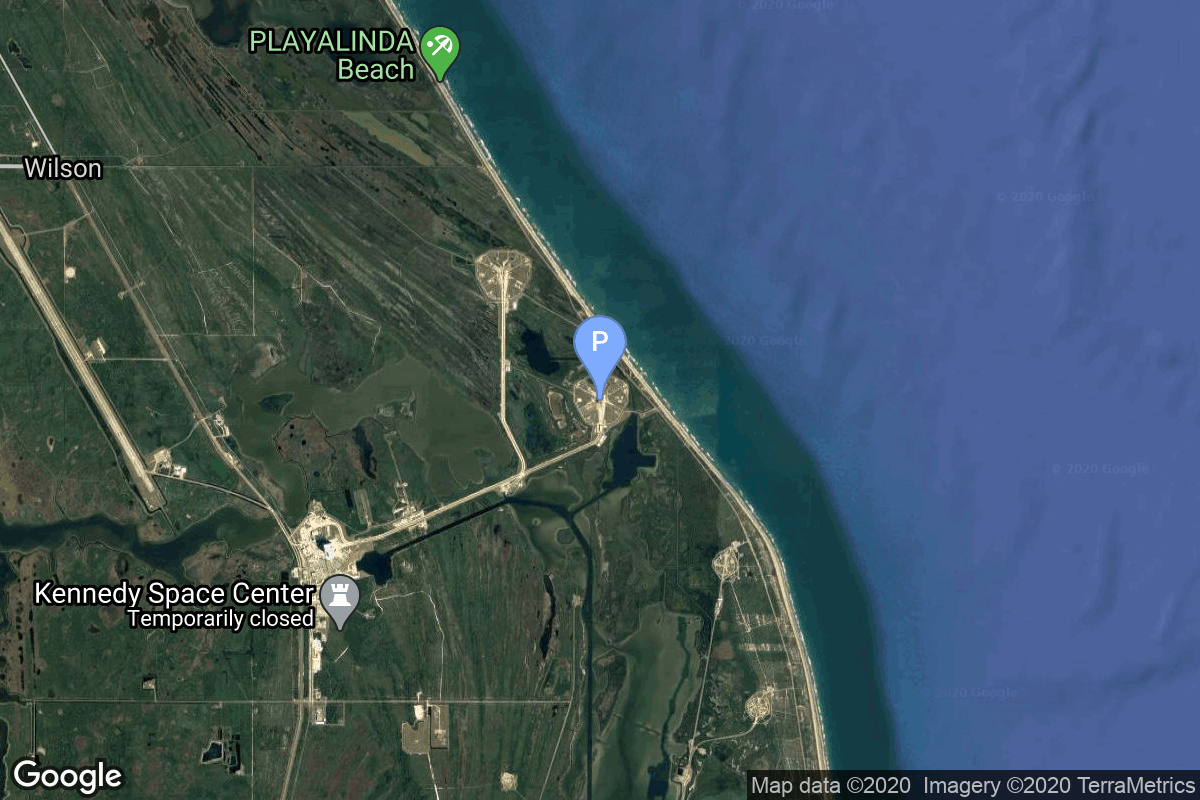
The John F. Kennedy Space Center, located on Merritt Island, Florida, is one of NASA's ten field centers. Since 1968, KSC has been NASA's primary launch center of American spaceflight, research, and technology. Launch operations for the Apollo, Skylab and Space Shuttle programs were carried out from Kennedy Space Center Launch Complex 39 and managed by KSC. Located on the east coast of Florida, KSC is adjacent to Cape Canaveral Space Force Station (CCSFS).
National Aeronautics and Space Administration Saturn V Rocket
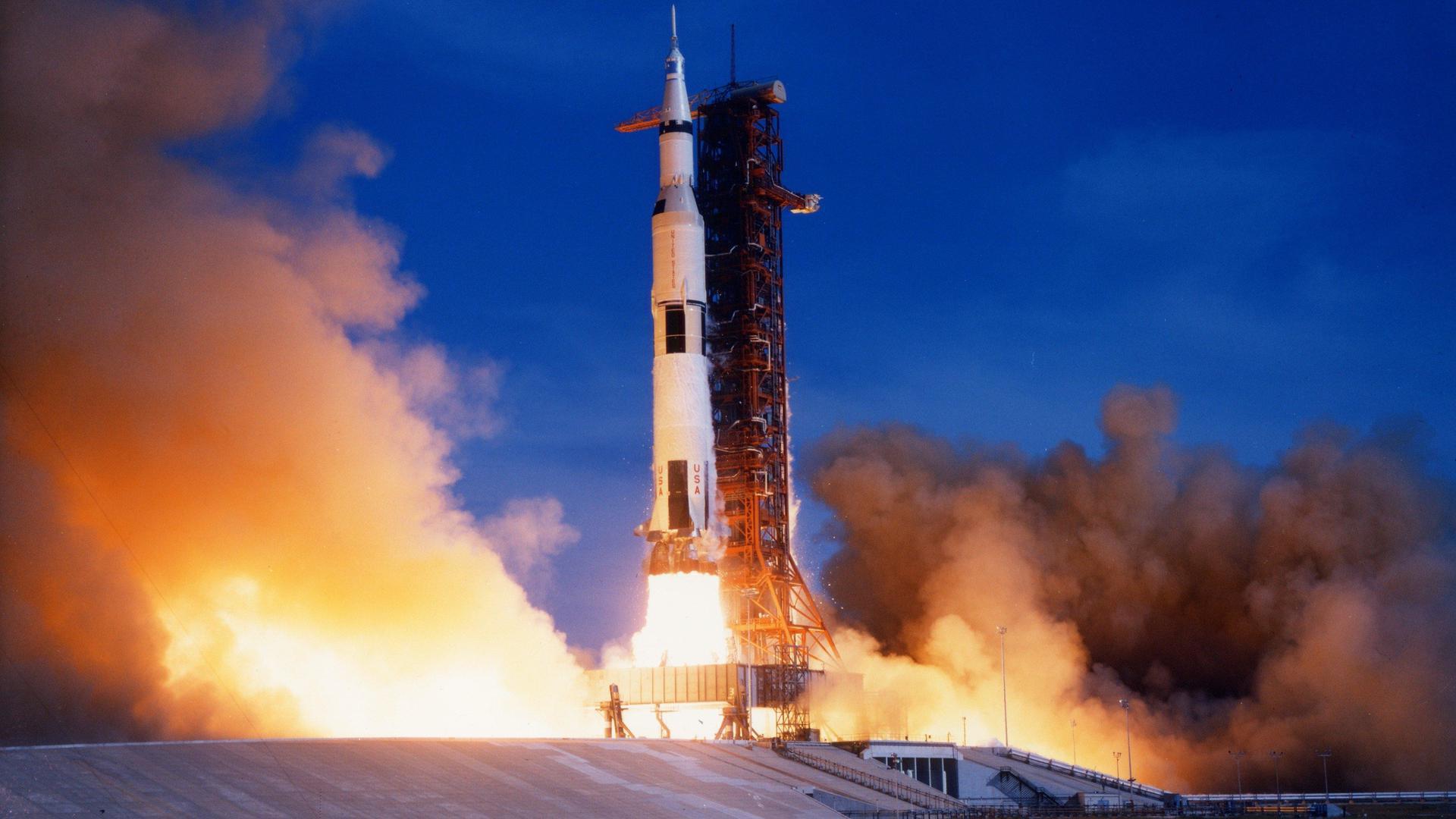
The Saturn V was a human-rated expendable rocket used by NASA between 1967 and 1973. Most notably, the Saturn V took the Apollo program to the Moon. It still remains the world's tallest, heaviest, and most powerful rocket ever brought to operational status and is the only launch vehicle to take humans beyond LEO.
Learn more about the National Aeronautics and Space Administration Saturn V Rocket
About National Aeronautics and Space Administration
The National Aeronautics and Space Administration is an independent agency of the executive branch of the United States federal government responsible for the civilian space program, as well as aeronautics and aerospace research. NASA have many launch facilities but most are inactive. The most commonly used pad will be LC-39B at Kennedy Space Center in Florida.
Learn more about National Aeronautics and Space Administration
Frequently Asked Questions
When was the National Aeronautics and Space Administration Saturn V Apollo 9 launch scheduled?
The National Aeronautics and Space Administration Saturn V Apollo 9 launch was scheduled for:
.
Where can I watch the National Aeronautics and Space Administration Saturn V Apollo 9 launch video?
You can watch the National Aeronautics and Space Administration Saturn V launch video on this page. The official video includes full mission coverage with multiple camera angles, onboard views, and expert commentary covering pre-launch procedures, liftoff, stage separation, and payload deployment.
Where did the National Aeronautics and Space Administration Saturn V Apollo 9 mission launch from?
The National Aeronautics and Space Administration Saturn V rocket launched from Launch Complex 39A at Kennedy Space Center, FL, USA. The John F. Kennedy Space Center, located on Merritt Island, Florida, is one of NASA's ten field centers. Since 1968, KSC has been NASA's primary launch center of American spaceflight, research, and technology. Launch operations for the Apollo, Skylab and Space Shuttle programs were carried out from Kennedy Space Center Launch Complex 39 and managed by KSC. Located on the east coast of Florida, KSC is adjacent to Cape Canaveral Space Force Station (CCSFS).
What rocket was used for the Apollo 9 mission?
The Apollo 9 mission launched aboard a National Aeronautics and Space Administration Saturn V rocket. The Saturn V was a human-rated expendable rocket used by NASA between 1967 and 1973. Most notably, the Saturn V took the Apollo program to the Moon. It still remains the world's tallest, heaviest, and most powerful rocket ever brought to operational status and is the only launch vehicle to take humans beyond LEO. Detailed rocket specifications and performance data are available in the rocket details above.
What weather conditions could have delayed the National Aeronautics and Space Administration Saturn V Apollo 9 launch?
The National Aeronautics and Space Administration Saturn V Apollo 9 launch could have been delayed by various weather conditions including lightning within 10 nautical miles, high winds (especially upper-level winds), thick cloud layers, precipitation, and poor visibility. Weather must be favorable at the launch site, downrange landing zones, and abort landing sites.
How can I get updates if the National Aeronautics and Space Administration Saturn V Apollo 9 launch was delayed?
This page was updated in real-time with the latest National Aeronautics and Space Administration Saturn V launch status, including any delays or scrubs for the Apollo 9 mission. You can also check our space launch schedule for historical launch information. Our mobile app provides push notifications for instant alerts about launch status changes. Official National Aeronautics and Space Administration live streams provided the most immediate range updates during the launch window.
Last Updated
Last Updated: