
Long Wall Maiden Flight RS1
Weather Forecast During Launch
According to weather officials, there's a 70% chance of favorable weather conditions at the time of the launch.
About the Maiden Flight Mission
| Type | Test Flight |
|---|---|
| Orbit | Low Earth Orbit |
| Launch Cost | $12,000,000 |
This is the first launch of RS1 launch vehicle developed and built by ABL Space Systems. This launch carries two satellites for OmniTeq.
RS1 successfully lifted off and flew nominally for 10.85 seconds until RS1's nine E2 engines as well as other systems on the vehicle shut down simultaneously and communications were lost. ABL believes the cause of failure was a fire in the engine bay of the first stage.
Launch Pad & Location
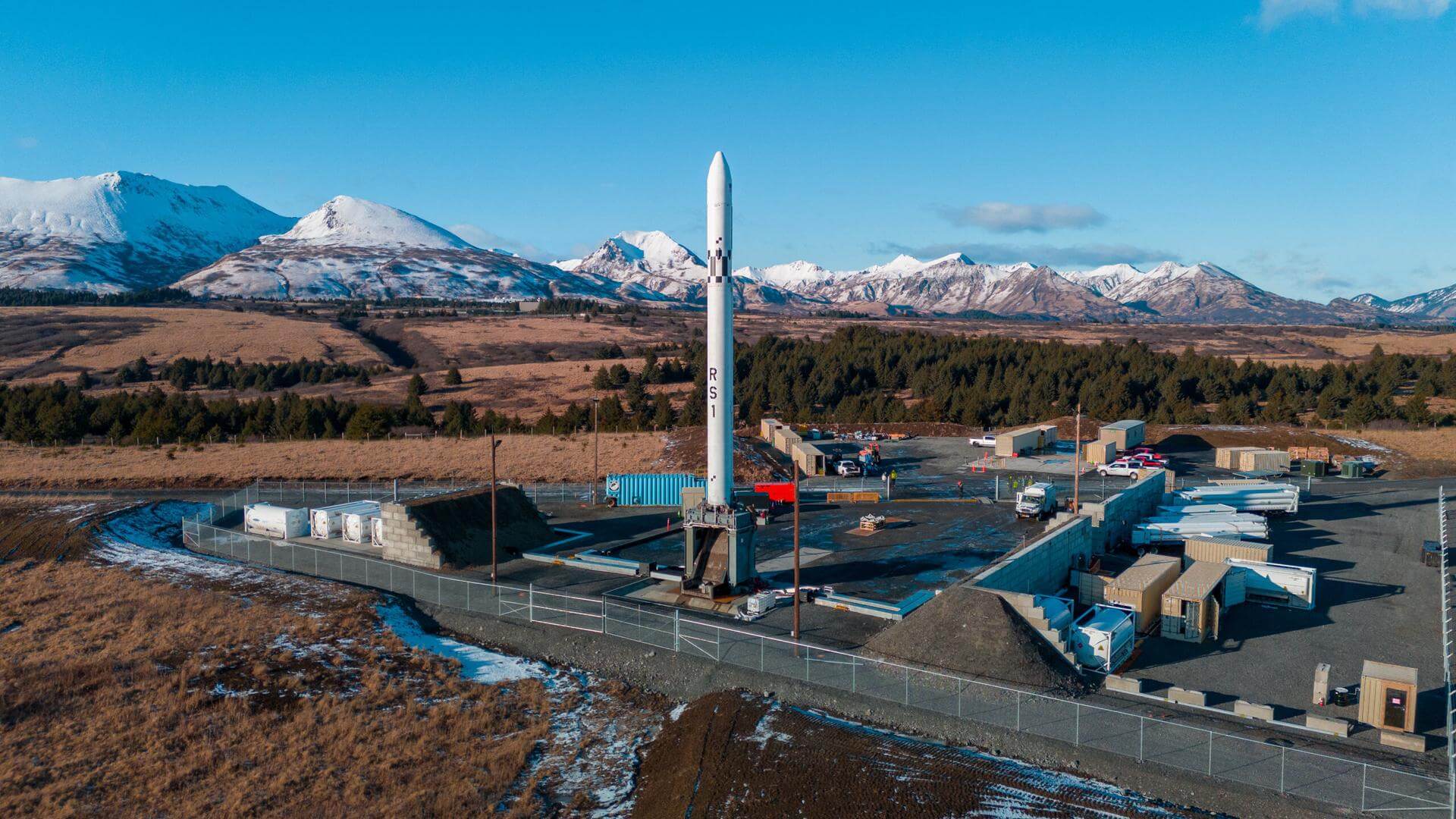
Launch Pad 3C
Pacific Spaceport Complex, Alaska, USA
| Launches | 1 |
|---|---|
| Orbital Launch Attempts | 1 |
| Total Launches | 9 |
The Pacific Spaceport Complex – Alaska (PSCA), formerly known as the Kodiak Launch Complex (KLC), is a dual-use commercial and military spaceport for sub-orbital and orbital launch vehicles. The facility is owned and operated by the Alaska Aerospace Corporation, a corporation owned by the Government of Alaska, and is located on Kodiak Island in Alaska.

Long Wall RS1 Rocket
2 stage launch vehicle developed by ABL Space Systems using their E2 RP-1/LOX rocket engine. Nine engines are used in the first stage and one in the second stage. The RS1 is designed to be deployed and launched from any suitably flat site using a containerized launch system transported by trucks.
| Length | 26.8 m |
|---|---|
| Diameter | 1.8 m |
| Stages | 2 |
| Takeoff Thrust | 485.0 kN |
| LEO Capacity | 1,350 kg |
| GTO Capacity | 400 kg |
| SSO Capacity | 1,000 kg |
| Launch Cost | $12,000,000 |
| Maiden Flight | 1/10/2023 |
About Long Wall
Long Wall, formerly known as ABL Space Systems is an American company based in El Segundo, California. It used to specialize in launch vehicle and launch systems technology manufacturing using CNC and 3D printing, before leaving the commercial space launch market and pivoting to military applications such as missile systems in November 2024.
| Total Launches | 1 |
|---|---|
| Failed | 1 |
Frequently Asked Questions
When was the Long Wall RS1 Maiden Flight launch scheduled?
The Long Wall RS1 Maiden Flight launch was scheduled for:
.
Where did the Long Wall RS1 Maiden Flight mission launch from?
The Long Wall RS1 rocket launched from Launch Pad 3C at Pacific Spaceport Complex, Alaska, USA. The Pacific Spaceport Complex – Alaska (PSCA), formerly known as the Kodiak Launch Complex (KLC), is a dual-use commercial and military spaceport for sub-orbital and orbital launch vehicles. The facility is owned and operated by the Alaska Aerospace Corporation, a corporation owned by the Government of Alaska, and is located on Kodiak Island in Alaska.
What rocket was used for the Maiden Flight mission?
The Maiden Flight mission launched aboard a Long Wall RS1 rocket. 2 stage launch vehicle developed by ABL Space Systems using their E2 RP-1/LOX rocket engine. Nine engines are used in the first stage and one in the second stage. The RS1 is designed to be deployed and launched from any suitably flat site using a containerized launch system transported by trucks. Detailed rocket specifications and performance data are available in the rocket details above.
What weather conditions could have delayed the Long Wall RS1 Maiden Flight launch?
The Long Wall RS1 Maiden Flight launch could have been delayed by various weather conditions including lightning within 10 nautical miles, high winds (especially upper-level winds), thick cloud layers, precipitation, and poor visibility. Weather must be favorable at the launch site, downrange landing zones, and abort landing sites.
How can I get updates if the Long Wall RS1 Maiden Flight launch was delayed?
This page was updated in real-time with the latest Long Wall RS1 launch status, including any delays or scrubs for the Maiden Flight mission. You can also check our space launch schedule for historical launch information. Our mobile app provides push notifications for instant alerts about launch status changes. Official Long Wall live streams provided the most immediate range updates during the launch window.
Last Updated
Last Updated:
-
Launch failure: "After liftoff, RS1 experienced an anomaly and shut down prematurely."
-
Updating T-0
-
Updating T-0 and weather
-
Delayed by a day due to high winds
-
Go for launch.
-
Delayed to NET January 9th
-
NET December 14
-
NET December 13
-
NET December 12
-
NET December 11 LT
-
NET December 10 LT
-
Launch scrubbed at T-6 minutes.
-
New T-0
-
Updating T-0
-
Upper level winds acceptable for an attempt today between 22:00 UTC (December 8) and 01:30 UTC (December 9).
-
TBD due to weather
-
Setting GO
-
Abort at T-1.75s. Next window opens on December 7th.
-
Updating T-0
-
Updating T-0, weather 60% GO
-
Updating for next target window and setting GO
-
NET November 20
-
NET November 19
-
Abort at ignition
-
Delayed 55 minutes
-
NET November 17
-
NET late November 16 UTC.
-
Scrub during propellant fill
-
Updating T-0
-
Updating window and setting GO
-
Revert back to NET November 14 per NOTAMs
-
NET November 15
-
NET November 14
-
Previous air/marine space closure notices for NET October 10 removed pending FAA launch license
-
NET October 10 per air and marine space closure notices changes
-
NET September 26
-
NET September 19
-
NET September 12
-
NET September 10
-
NET September 8
-
Moved launch date and time per new airspace closure notices.
-
NET August 29 per TFR FDC 2/6752
-
NET September
-
Delayed by three months due to an upper stage test incident