
Russian Space Forces RS-15 Radio-ROSTO Rokot / Briz-K
About the RS-15 Radio-ROSTO Mission
| Type | Communications |
|---|---|
| Orbit | Low Earth Orbit |
| Launch Cost | $41,800,000 |
Radio-ROSTO, also known as RS 15, was a small amateur radio satellite launched on the maiden orbital flight of the Rokot-K booster.
Launch Pad & Location
175/58
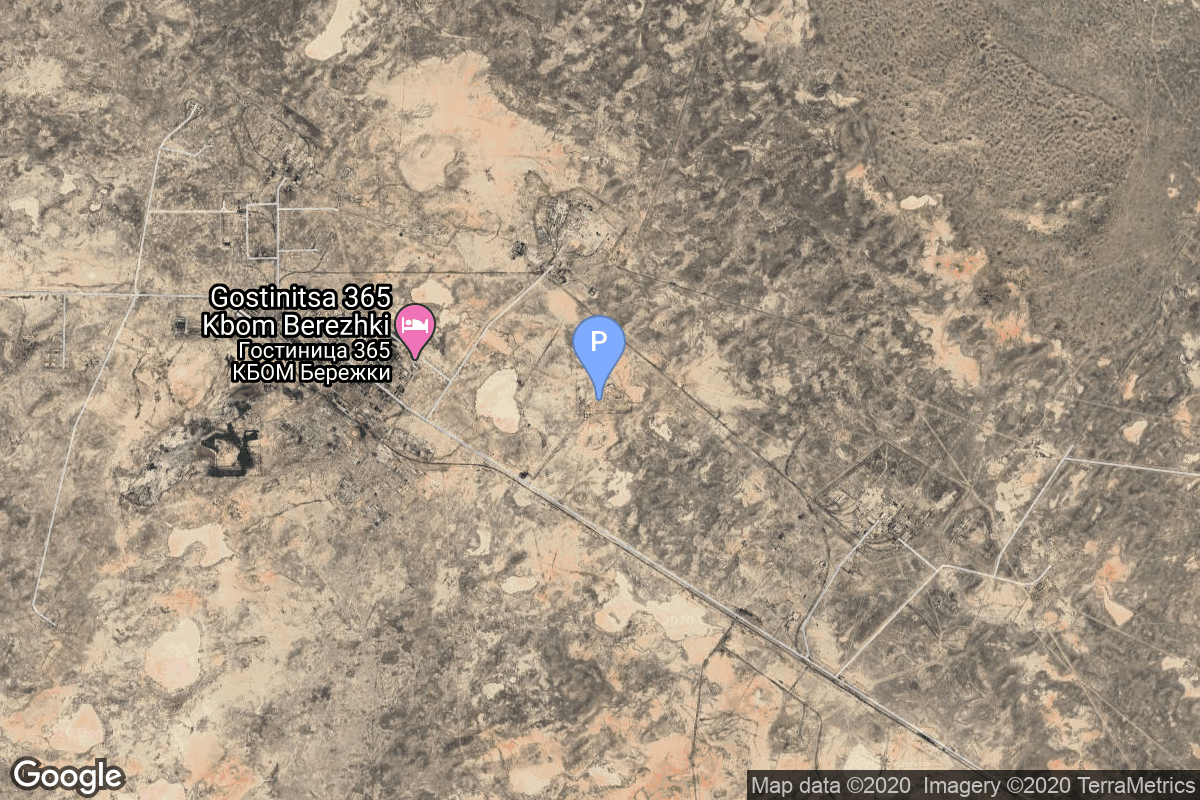
Baikonur Cosmodrome, Republic of Kazakhstan
| Launches | 1 |
|---|---|
| Orbital Launch Attempts | 1 |
| Total Launches | 1563 |
The Baikonur Cosmodrome is a spaceport operated by Russia within Kazakhstan. Located in the Kazakh city of Baikonur, it is the largest operational space launch facility in terms of area. All Russian crewed spaceflights are launched from Baikonur.
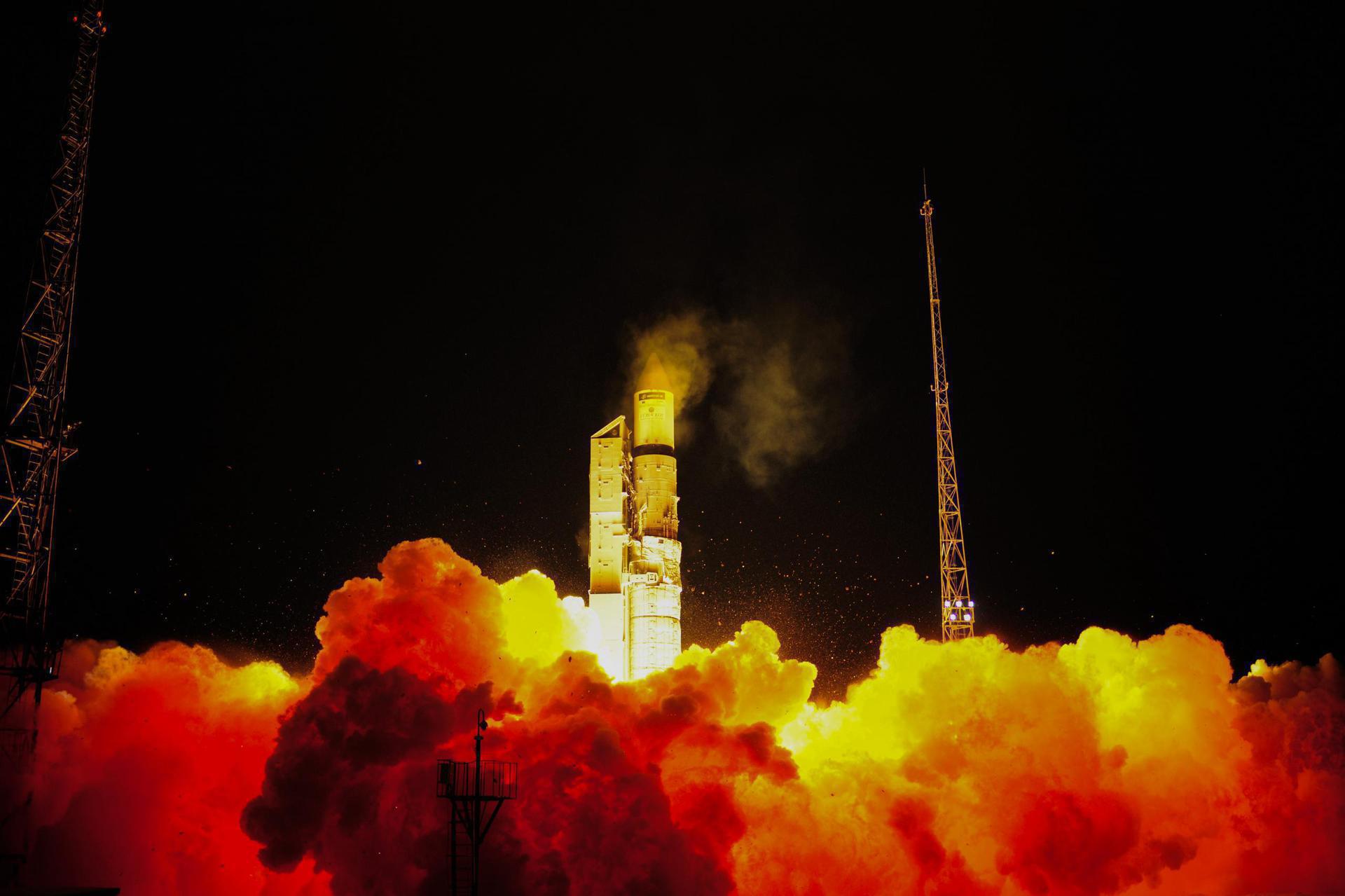
Khrunichev State Research and Production Space Center Rokot/Briz-K Rocket
Rokot also transliterated Rockot, is a Russian space launch vehicle that can launch a payload of 1,950 kilograms into a 200 kilometre Earth orbit with 63° inclination. It is a derivative of the UR-100N (SS-19 Stiletto) intercontinental ballistic missile (ICBM), supplied and operated by Eurockot Launch Services.
Learn more about the Khrunichev State Research and Production Space Center Rokot/Briz-K Rocket
About Russian Space Forces
The Russian Space Forces are a branch of the Russian Aerospace Forces, that provides aerospace warning, air sovereignty, and protection for Russia. Having been reestablished following August 1, 2015 merger between the Russian Air Force and the Russian Aerospace Defence Forces after a 2011 dissolving of the branch. The Russian Space Forces were originally formed on August 10, 1992 and the creation of the Russian Armed Forces.
Frequently Asked Questions
When was the Russian Space Forces Rokot/Briz-K RS-15 Radio-ROSTO launch scheduled?
The Russian Space Forces Rokot/Briz-K RS-15 Radio-ROSTO launch was scheduled for:
.
Where did the Russian Space Forces Rokot/Briz-K RS-15 Radio-ROSTO mission launch from?
The Russian Space Forces Rokot/Briz-K rocket launched from 175/58 at Baikonur Cosmodrome, Republic of Kazakhstan. The Baikonur Cosmodrome is a spaceport operated by Russia within Kazakhstan. Located in the Kazakh city of Baikonur, it is the largest operational space launch facility in terms of area. All Russian crewed spaceflights are launched from Baikonur.
What rocket was used for the RS-15 Radio-ROSTO mission?
The RS-15 Radio-ROSTO mission launched aboard a Russian Space Forces Rokot/Briz-K rocket. Rokot also transliterated Rockot, is a Russian space launch vehicle that can launch a payload of 1,950 kilograms into a 200 kilometre Earth orbit with 63° inclination. It is a derivative of the UR-100N (SS-19 Stiletto) intercontinental ballistic missile (ICBM), supplied and operated by Eurockot Launch Services. Detailed rocket specifications and performance data are available in the rocket details above.
What weather conditions could have delayed the Russian Space Forces Rokot/Briz-K RS-15 Radio-ROSTO launch?
The Russian Space Forces Rokot/Briz-K RS-15 Radio-ROSTO launch could have been delayed by various weather conditions including lightning within 10 nautical miles, high winds (especially upper-level winds), thick cloud layers, precipitation, and poor visibility. Weather must be favorable at the launch site, downrange landing zones, and abort landing sites.
How can I get updates if the Russian Space Forces Rokot/Briz-K RS-15 Radio-ROSTO launch was delayed?
This page was updated in real-time with the latest Russian Space Forces Rokot/Briz-K launch status, including any delays or scrubs for the RS-15 Radio-ROSTO mission. You can also check our space launch schedule for historical launch information. Our mobile app provides push notifications for instant alerts about launch status changes. Official Russian Space Forces live streams provided the most immediate range updates during the launch window.
Last Updated
Last Updated: