
Indian Space Research Organization IRNSS-1H PSLV XL
Rocket Launch Video Stream
About the IRNSS-1H Mission
| Type | Navigation |
|---|---|
| Orbit | Geosynchronous Transfer Orbit |
This is a replacement satellite for the IRNSS-1A of the Indian Regional Navigation Satellite System. The constellation will provide India with an alternative to GPS and will be used for military and civilian use. Located at a geosynchronous orbit the system will be operated by the Indian government.
Payload fairing did not separate.
Launch Pad & Location
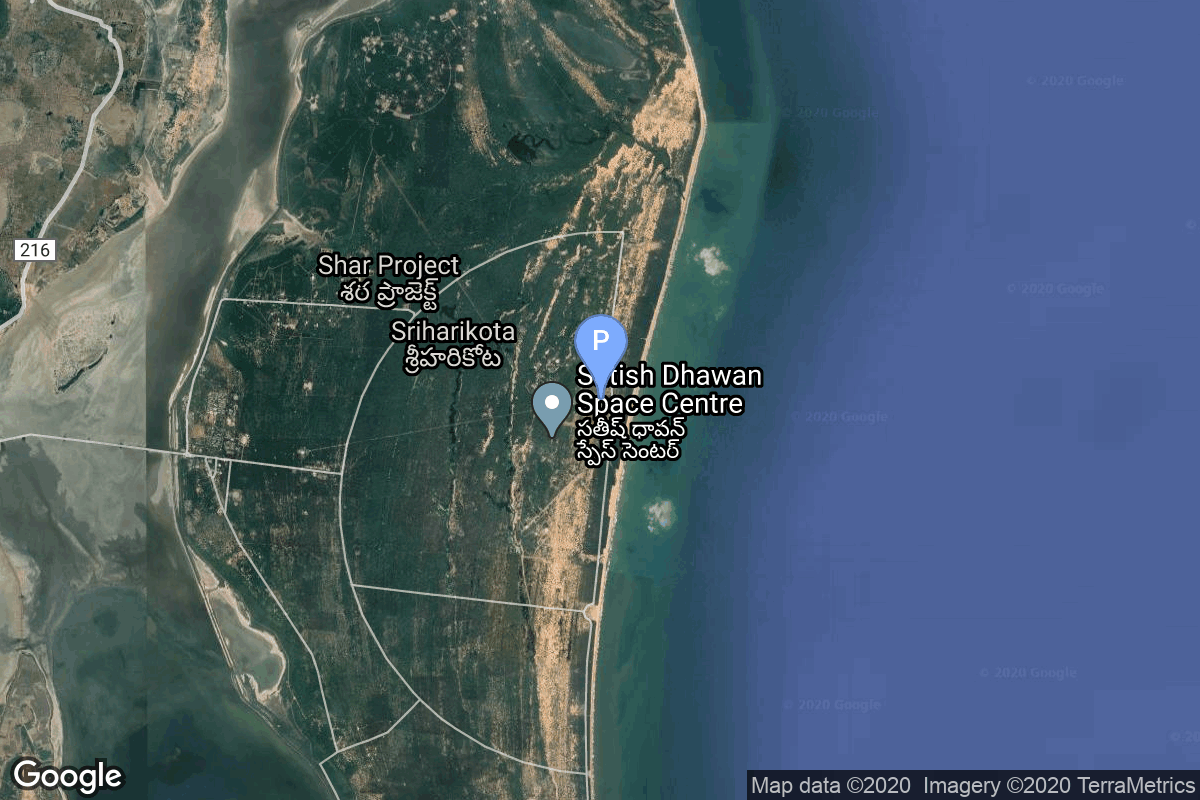
Satish Dhawan Space Centre First Launch Pad
Satish Dhawan Space Centre, India
| Launches | 63 |
|---|---|
| Orbital Launch Attempts | 62 |
| Total Launches | 103 |
Satish Dhawan Space Centre – SDSC (formerly Sriharikota Range – SHAR),[1] is the primary spaceport of the Indian Space Research Organisation (ISRO), located in Sriharikota, Andhra Pradesh.
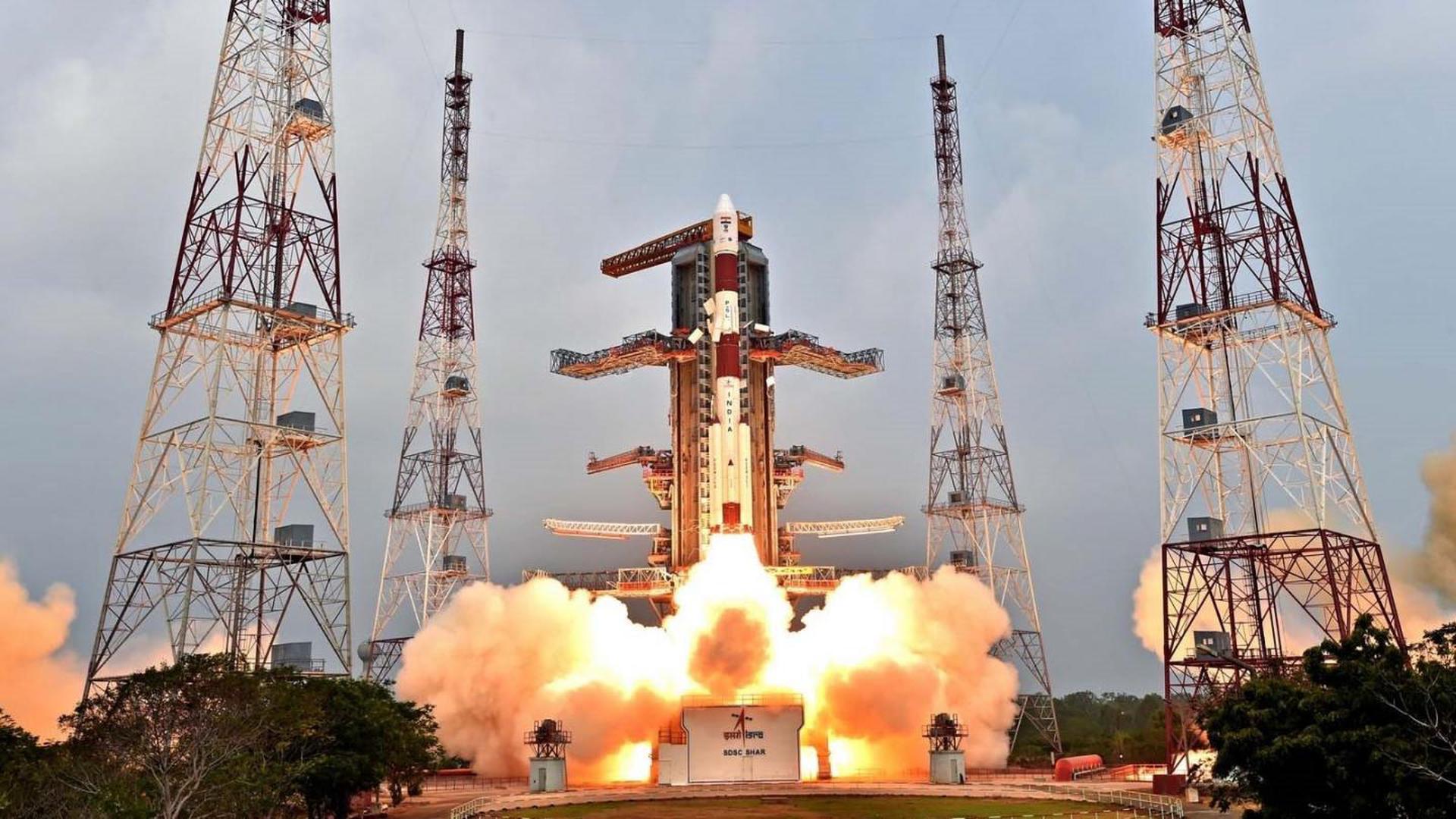
Indian Space Research Organization PSLV XL Rocket
PSLV-XL is the upgraded version of Polar Satellite Launch Vehicle in its standard configuration boosted by more powerful, stretched strap-on boosters with 12 tonne propellant load. Weighing 320t at lift-off, the vehicle uses larger strap-on motors (PSOM-XL or S12) to achieve higher payload capability. On 29 December 2005, ISRO successfully tested the improved version of strap-on booster for the PSLV. The first use of PSLV-XL was the launch of Chandrayaan-1 by PSLV C11. The payload capability for this variant is 1,800 kg to SSO.
Learn more about the Indian Space Research Organization PSLV XL Rocket
About Indian Space Research Organization
The Indian Space Research Organisation (ISRO) is the space agency of the Government of India headquartered in the city of Bangalore. Its vision is to "harness space technology for national development while pursuing space science research and planetary exploration."
Frequently Asked Questions
When was the Indian Space Research Organization PSLV-XL IRNSS-1H launch scheduled?
The Indian Space Research Organization PSLV-XL IRNSS-1H launch was scheduled for:
.
Where can I watch the Indian Space Research Organization PSLV-XL IRNSS-1H launch video?
You can watch the Indian Space Research Organization PSLV-XL launch video on this page. The official video includes full mission coverage with multiple camera angles, onboard views, and expert commentary covering pre-launch procedures, liftoff, stage separation, and payload deployment.
Where did the Indian Space Research Organization PSLV-XL IRNSS-1H mission launch from?
The Indian Space Research Organization PSLV-XL rocket launched from Satish Dhawan Space Centre First Launch Pad at Satish Dhawan Space Centre, India. Satish Dhawan Space Centre – SDSC (formerly Sriharikota Range – SHAR),[1] is the primary spaceport of the Indian Space Research Organisation (ISRO), located in Sriharikota, Andhra Pradesh.
What rocket was used for the IRNSS-1H mission?
The IRNSS-1H mission launched aboard a Indian Space Research Organization PSLV-XL rocket. PSLV-XL is the upgraded version of Polar Satellite Launch Vehicle in its standard configuration boosted by more powerful, stretched strap-on boosters with 12 tonne propellant load. Weighing 320t at lift-off, the vehicle uses larger strap-on motors (PSOM-XL or S12) to achieve higher payload capability. On 29 December 2005, ISRO successfully tested the improved version of strap-on booster for the PSLV. The first use of PSLV-XL was the launch of Chandrayaan-1 by PSLV C11. The payload capability for this variant is 1,800 kg to SSO. Detailed rocket specifications and performance data are available in the rocket details above.
What weather conditions could have delayed the Indian Space Research Organization PSLV-XL IRNSS-1H launch?
The Indian Space Research Organization PSLV-XL IRNSS-1H launch could have been delayed by various weather conditions including lightning within 10 nautical miles, high winds (especially upper-level winds), thick cloud layers, precipitation, and poor visibility. Weather must be favorable at the launch site, downrange landing zones, and abort landing sites.
How can I get updates if the Indian Space Research Organization PSLV-XL IRNSS-1H launch was delayed?
This page was updated in real-time with the latest Indian Space Research Organization PSLV-XL launch status, including any delays or scrubs for the IRNSS-1H mission. You can also check our space launch schedule for historical launch information. Our mobile app provides push notifications for instant alerts about launch status changes. Official Indian Space Research Organization live streams provided the most immediate range updates during the launch window.
Last Updated
Last Updated: