
Khrunichev State Research and Production Space Center MLM Nauka Proton-M
Rocket Launch Video Streams
About the MLM Nauka Mission
| Type | Human Exploration |
|---|---|
| Orbit | Low Earth Orbit |
| Launch Cost | $65,000,000 |
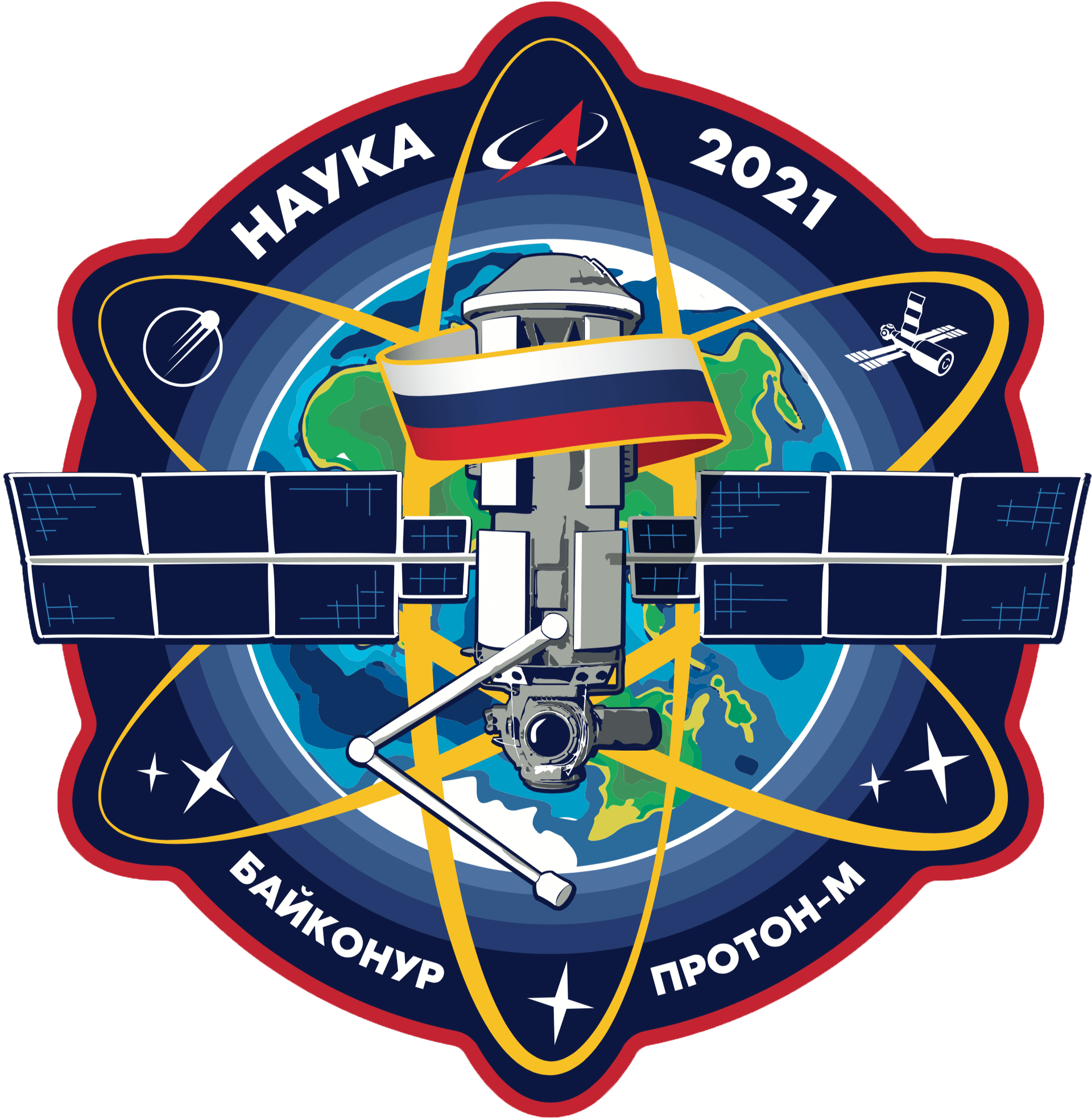
Nauka (which means "Science" in Russian), also known as Multipurpose Laboratory Module (MLM), is a new module of the russian segment of the ISS. It will dock at Zvezda's nadir port, replacing the Pirs module occupying it since September 2001. The Nauka module is designed to be used for experiments, docking and cargo as well as serve as a crew work and rest area. It is equipped with full guidance and navigation control including engines and an attitude control system that can be used as a backup by the ISS. The Nauka module also brings the European Robotic Arm, for which a spare elbow joint was already launched in 2010, to the orbital laboratory.
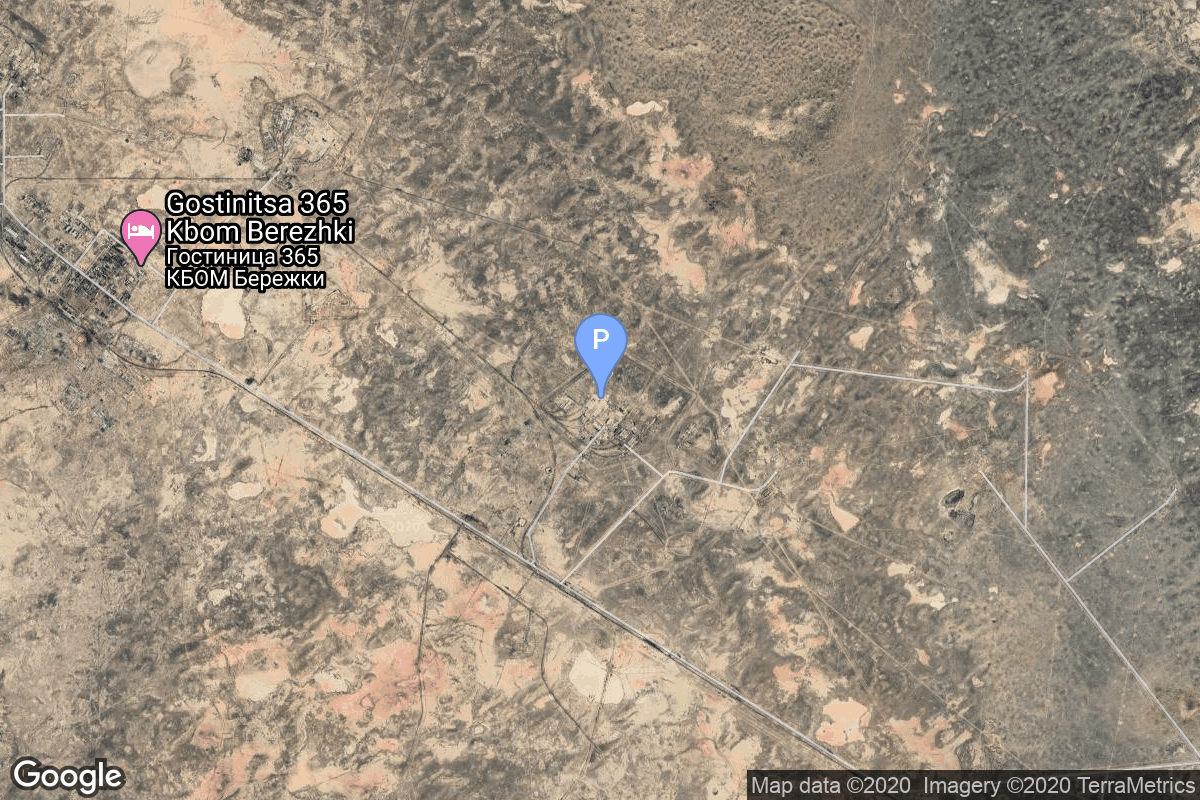
Launch Pad & Location
200/39 (200L)
Baikonur Cosmodrome, Republic of Kazakhstan
| Launches | 167 |
|---|---|
| Orbital Launch Attempts | 167 |
| Total Launches | 1563 |
The Baikonur Cosmodrome is a spaceport operated by Russia within Kazakhstan. Located in the Kazakh city of Baikonur, it is the largest operational space launch facility in terms of area. All Russian crewed spaceflights are launched from Baikonur.
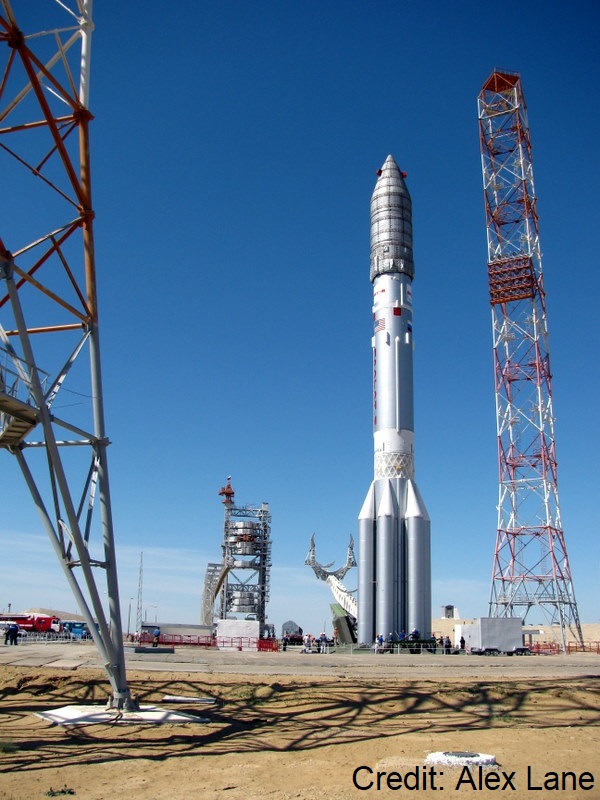
Khrunichev State Research and Production Space Center Proton-M Rocket
Proton-M is a three stage Russian heavy lift launch vehicle derived from the Soviet Proton launch vehicle.
Image Credit: Alex Lane
| Length | 58.2 m |
|---|---|
| Diameter | 7.4 m |
| Stages | 3 |
| Launch Mass | 705.0 T |
| Takeoff Thrust | 10,532.0 kN |
| LEO Capacity | 23,000 kg |
| GTO Capacity | 6,920 kg |
| GEO Capacity | 3,250 kg |
| Launch Cost | $65,000,000 |
| Maiden Flight | 4/7/2001 |
Learn more about the Khrunichev State Research and Production Space Center Proton-M Rocket
About Khrunichev State Research and Production Space Center
Khrunichev State Research and Production Space Center is a Moscow-based producer of spacecraft and space-launch systems, including the Proton and Rokot rockets and is currently developing the Angara rocket family. The Proton launch vehicle launches from Baikonur and Rokot launches from Baikonur and Plesetsk. Angara will launch from Plesetsk and Vostochny.
| Total Launches | 193 |
|---|---|
| Successful | 178 |
| Failed | 15 |
| Consecutive Success | 4 |
Learn more about Khrunichev State Research and Production Space Center

Frequently Asked Questions
When was the Khrunichev State Research and Production Space Center Proton-M MLM Nauka launch scheduled?
The Khrunichev State Research and Production Space Center Proton-M MLM Nauka launch was scheduled for:
.
Where can I watch the Khrunichev State Research and Production Space Center Proton-M MLM Nauka launch video?
You can watch the Khrunichev State Research and Production Space Center Proton-M launch video on this page. The official video includes full mission coverage with multiple camera angles, onboard views, and expert commentary covering pre-launch procedures, liftoff, stage separation, and payload deployment.
Where did the Khrunichev State Research and Production Space Center Proton-M MLM Nauka mission launch from?
The Khrunichev State Research and Production Space Center Proton-M rocket launched from 200/39 (200L) at Baikonur Cosmodrome, Republic of Kazakhstan. The Baikonur Cosmodrome is a spaceport operated by Russia within Kazakhstan. Located in the Kazakh city of Baikonur, it is the largest operational space launch facility in terms of area. All Russian crewed spaceflights are launched from Baikonur.
What rocket was used for the MLM Nauka mission?
The MLM Nauka mission launched aboard a Khrunichev State Research and Production Space Center Proton-M rocket. Proton-M is a three stage Russian heavy lift launch vehicle derived from the Soviet Proton launch vehicle. <br> <br>Image Credit: Alex Lane Detailed rocket specifications and performance data are available in the rocket details above.
What weather conditions could have delayed the Khrunichev State Research and Production Space Center Proton-M MLM Nauka launch?
The Khrunichev State Research and Production Space Center Proton-M MLM Nauka launch could have been delayed by various weather conditions including lightning within 10 nautical miles, high winds (especially upper-level winds), thick cloud layers, precipitation, and poor visibility. Weather must be favorable at the launch site, downrange landing zones, and abort landing sites.
How can I get updates if the Khrunichev State Research and Production Space Center Proton-M MLM Nauka launch was delayed?
This page was updated in real-time with the latest Khrunichev State Research and Production Space Center Proton-M launch status, including any delays or scrubs for the MLM Nauka mission. You can also check our space launch schedule for historical launch information. Our mobile app provides push notifications for instant alerts about launch status changes. Official Khrunichev State Research and Production Space Center live streams provided the most immediate range updates during the launch window.
Last Updated
Last Updated:
-
Module is healthy and in planned orbit.
-
Corrected the T-0
-
New date confirmed by Roscosmos
-
Launch postponed to NET July 21 due to thermal blankets missing from MLM Nauka's star trackers.
-
The MLM Nauka module has successfully completed its testing phase. Launch currently targeted for July 15.