
Northrop Grumman Odyssey (TacRL-2) Pegasus XL
About the Odyssey (TacRL-2) Mission
| Type | Government/Top Secret |
|---|---|
| Orbit | Sun-Synchronous Orbit |
| Launch Cost | $40,000,000 |
Payload for the US Space Force’s Tactically Responsive Launch program. It is a space domain awareness satellite that was procured under the Space Force's responsive launch program. The spacecraft was built in under a year and the launch provider was given three weeks of notice for the launch.
Launch Pad & Location
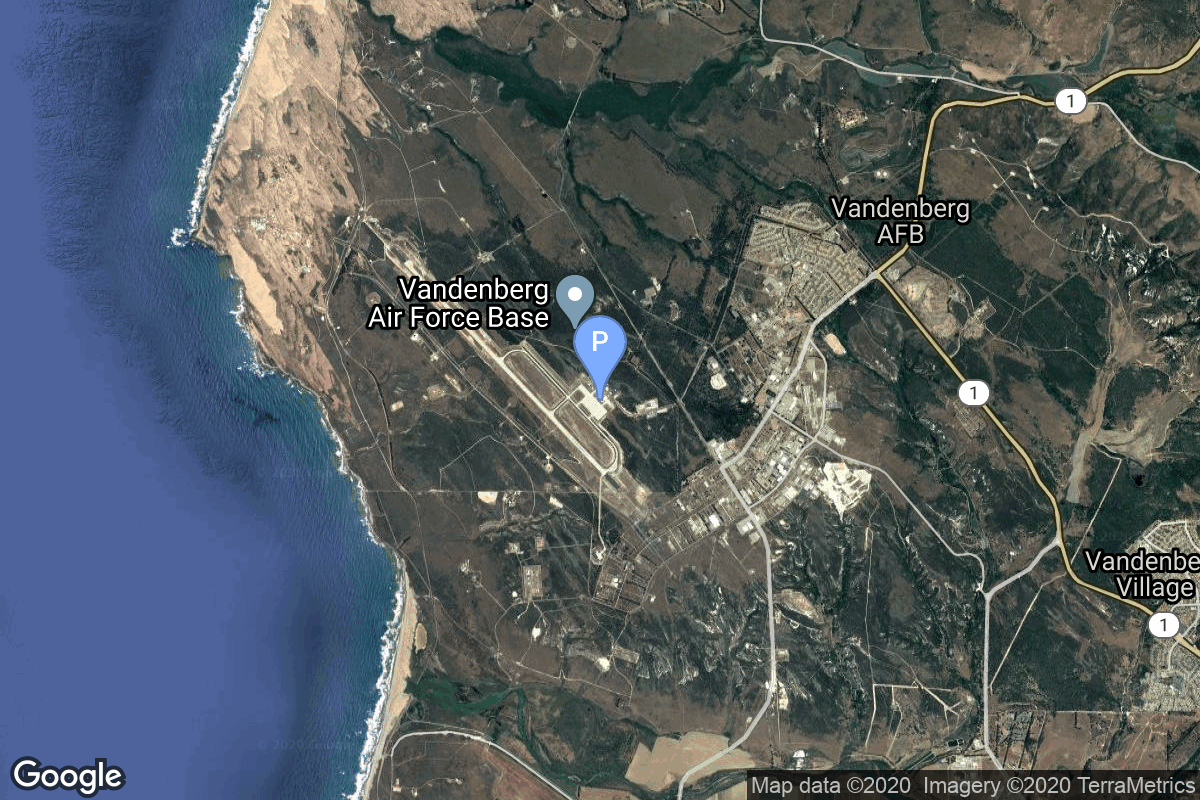
Vandenberg Space Force Base
Air launch to orbit
| Launches | 22 |
|---|---|
| Orbital Launch Attempts | 22 |
| Total Launches | 52 |
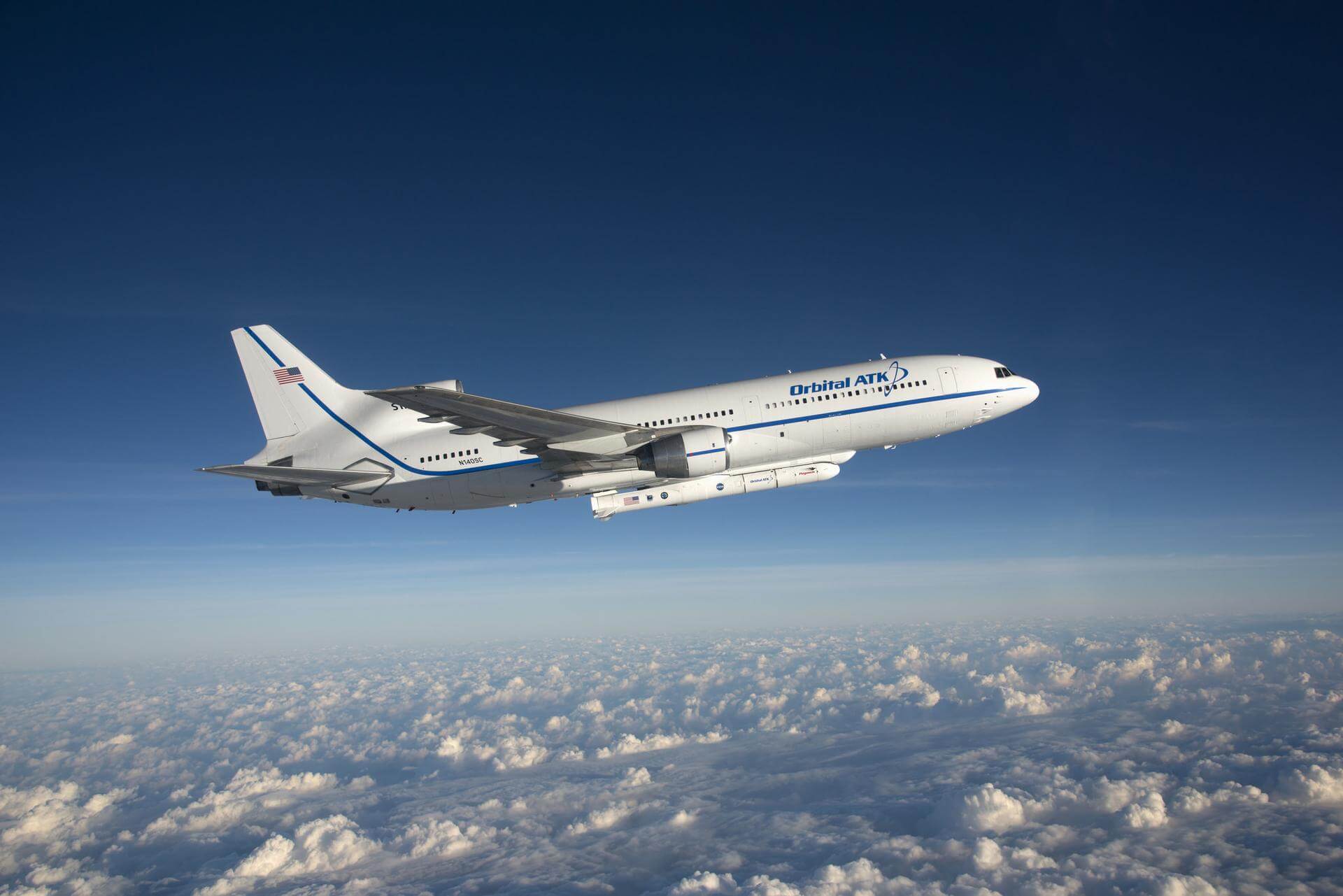
Orbital Sciences Corporation Pegasus XL Rocket
The Pegasus is an air-launched rocket developed by Orbital Sciences Corporation (now part of Northrop Grumman Innovation Systems). Capable of carrying small payloads of up to 443 kilograms (977 lb) into low Earth orbit, the vehicle consists of three solid propellant stages and an optional monopropellant fourth stage. Pegasus is released from its carrier aircraft at approximately 40,000 ft (12,000 m), and its first stage has a wing and a tail to provide lift and attitude control while in the atmosphere.
| Length | 17.6 m |
|---|---|
| Diameter | 1.3 m |
| Stages | 3 |
| Launch Mass | 23.0 T |
| Takeoff Thrust | 580.0 kN |
| Apogee | 4,000.0 km |
| LEO Capacity | 443 kg |
| Launch Cost | $40,000,000 |
| Maiden Flight | 6/27/1994 |
Learn more about the Orbital Sciences Corporation Pegasus XL Rocket
About Northrop Grumman
Northrup Grumman Space Systems designs, builds and delivers space, defence and aviation-related systems to customers around the world. They aquired Orbital ATK in 2018 along with its launchers and ongoing missions.
| Total Launches | 17 |
|---|---|
| Successful | 17 |
| Pending | 1 |
| Consecutive Success | 17 |
Frequently Asked Questions
When was the Northrop Grumman Pegasus XL Odyssey (TacRL-2) launch scheduled?
The Northrop Grumman Pegasus XL Odyssey (TacRL-2) launch was scheduled for:
.
Where did the Northrop Grumman Pegasus XL Odyssey (TacRL-2) mission launch from?
The Northrop Grumman Pegasus XL rocket launched from Vandenberg Space Force Base at Air launch to orbit.
What rocket was used for the Odyssey (TacRL-2) mission?
The Odyssey (TacRL-2) mission launched aboard a Northrop Grumman Pegasus XL rocket. The Pegasus is an air-launched rocket developed by Orbital Sciences Corporation (now part of Northrop Grumman Innovation Systems). Capable of carrying small payloads of up to 443 kilograms (977 lb) into low Earth orbit, the vehicle consists of three solid propellant stages and an optional monopropellant fourth stage. Pegasus is released from its carrier aircraft at approximately 40,000 ft (12,000 m), and its first stage has a wing and a tail to provide lift and attitude control while in the atmosphere. Detailed rocket specifications and performance data are available in the rocket details above.
What weather conditions could have delayed the Northrop Grumman Pegasus XL Odyssey (TacRL-2) launch?
The Northrop Grumman Pegasus XL Odyssey (TacRL-2) launch could have been delayed by various weather conditions including lightning within 10 nautical miles, high winds (especially upper-level winds), thick cloud layers, precipitation, and poor visibility. Weather must be favorable at the launch site, downrange landing zones, and abort landing sites.
How can I get updates if the Northrop Grumman Pegasus XL Odyssey (TacRL-2) launch was delayed?
This page was updated in real-time with the latest Northrop Grumman Pegasus XL launch status, including any delays or scrubs for the Odyssey (TacRL-2) mission. You can also check our space launch schedule for historical launch information. Our mobile app provides push notifications for instant alerts about launch status changes. Official Northrop Grumman live streams provided the most immediate range updates during the launch window.
Last Updated
Last Updated:
-
Launch success.
-
Launched
-
Updating T-0 and setting GO
-
NET June 13 based on navigational warnings
-
Adding launch TBD June