
Blue Origin NS-23 New Shepard
Rocket Launch Video Stream
About the NS-23 Mission
| Type | Suborbital |
|---|---|
| Orbit | Suborbital |
Twenty-third flight of New Shepard carrying 36 science and research payloads along with tens of thousands of postcards from Club For Future.
Launch escape system activated at T+1:05 following apparent BE-3 booster engine shutdown; capsule landed nominally
Launch Pad & Location
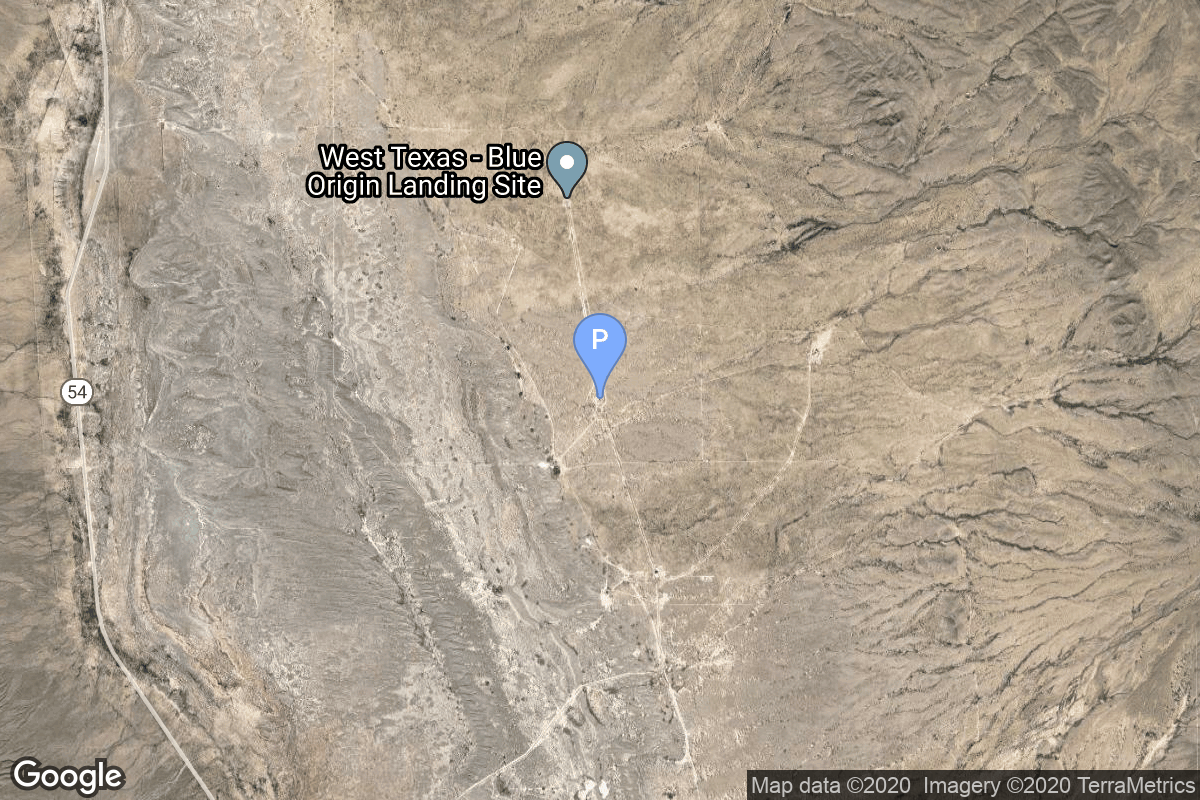
West Texas Suborbital Launch Site/ Corn Ranch
Corn Ranch, Van Horn, TX, USA
| Launches | 38 |
|---|---|
| Total Launches | 38 |
Corn Ranch, commonly referred to as Launch Site One (LSO), is a spaceport owned and operated by Blue Origin which is located approximately 30 miles north of the town of Van Horn, Texas, United States.
Blue Origin New Shepard Rocket
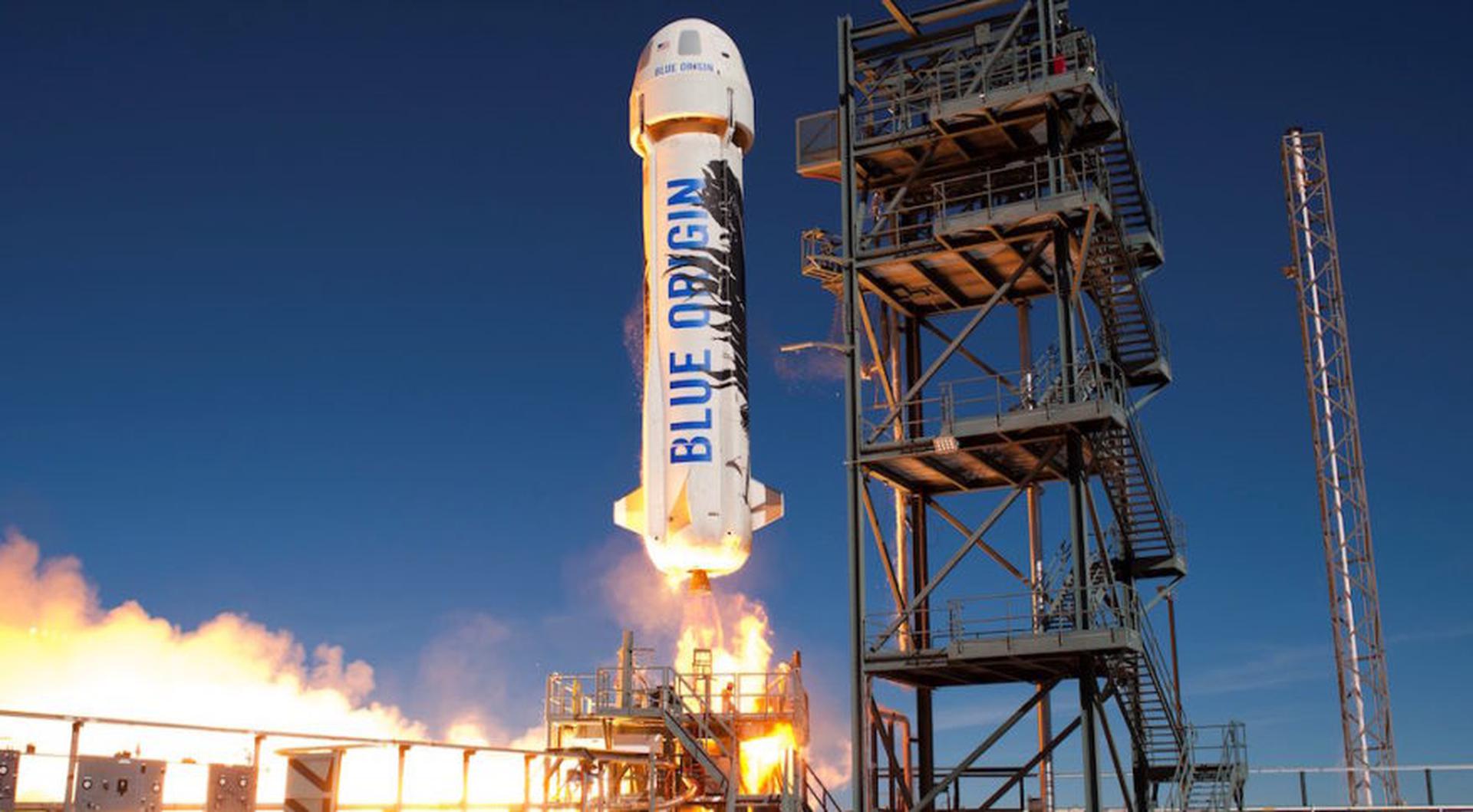
The New Shepard reusable launch system is a vertical-takeoff, vertical-landing (VTVL), suborbital manned rocket that is being developed by Blue Origin as a commercial system for suborbital space tourism.
| Length | 15.0 m |
|---|---|
| Diameter | 3.7 m |
| Stages | 1 |
| Launch Mass | 75.0 T |
| Takeoff Thrust | 490.0 kN |
| Apogee | 100.0 km |
| Maiden Flight | 4/29/2015 |
Booster Landing & Recovery
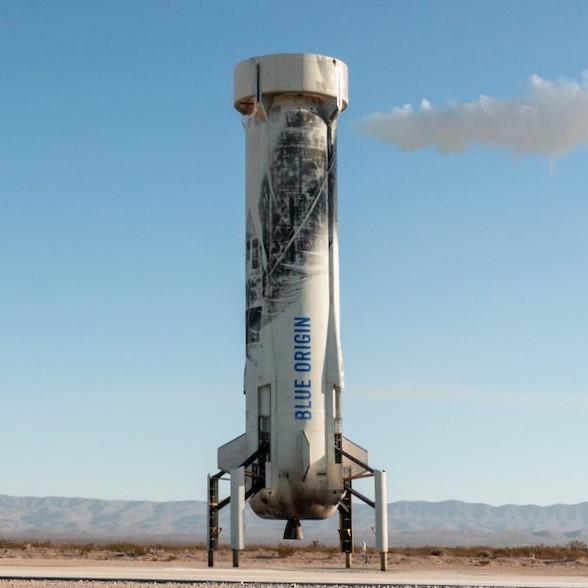
Core NS-3
| Serial Number | NS-3 |
|---|---|
| Last Flight | 09/12/2022 |
| Successful Landings | 8 |
New Shepard vehicle #3 was the third flight vehicle of the New Shepard suborbital rocket. It suffered an anomaly during its ninth flight. NS3 suffered an anomaly during its ninth flight.
Corn Ranch Landing Pad, West Texas - CR
New Shepard landing site.
Return to Launch Site - RTLS
A return to launch site usually means that after stage separation the booster flips and does a burn back towards the launch site, landing near where it initially launched from.
A sonic boom may occur during booster recovery as the first stage returns to the landing zone. This atmospheric phenomenon creates a loud sound as the rocket breaks the sound barrier during its descent.
Understand rocket booster landing sonic booms (opens in a new tab)
About Blue Origin
Blue Origin is an American privately funded aerospace manufacturer and spaceflight services company set up by Amazon.com founder Jeff Bezos with its headquarters in Kent, Washington. The company is developing technologies to enable private human access to space with the goal to dramatically lower costs and increase reliability. Blue Origin currently launches its New Shepard sub-orbital vehicle from its West Texas launch site, they are currently constructing a launch pad for their orbital vehicle New Glenn at Cape Canaveral LC-36.
| Total Launches | 41 |
|---|---|
| Successful | 39 |
| Failed | 2 |
| Pending | 4 |

Frequently Asked Questions
When was the Blue Origin New Shepard NS-23 launch scheduled?
The Blue Origin New Shepard NS-23 launch was scheduled for:
.
Where can I watch the Blue Origin New Shepard NS-23 launch video?
You can watch the Blue Origin New Shepard launch video on this page. The official video includes full mission coverage with multiple camera angles, onboard views, and expert commentary covering pre-launch procedures, liftoff, stage separation, and payload deployment.
Where did the Blue Origin New Shepard NS-23 mission launch from?
The Blue Origin New Shepard rocket launched from West Texas Suborbital Launch Site/ Corn Ranch at Corn Ranch, Van Horn, TX, USA. Corn Ranch, commonly referred to as Launch Site One (LSO), is a spaceport owned and operated by Blue Origin which is located approximately 30 miles north of the town of Van Horn, Texas, United States.
What rocket was used for the NS-23 mission?
The NS-23 mission launched aboard a Blue Origin New Shepard rocket. The New Shepard reusable launch system is a vertical-takeoff, vertical-landing (VTVL), suborbital manned rocket that is being developed by Blue Origin as a commercial system for suborbital space tourism. Detailed rocket specifications and performance data are available in the rocket details above.
Did the Blue Origin New Shepard booster for NS-23 attempt a landing?
Yes, the New Shepard first stage booster attempted a Return to Launch Site at a designated landing zone. Booster recovery allows Blue Origin to reuse rocket components, significantly reducing launch costs. Learn more about the landing details.
What weather conditions could have delayed the Blue Origin New Shepard NS-23 launch?
The Blue Origin New Shepard NS-23 launch could have been delayed by various weather conditions including lightning within 10 nautical miles, high winds (especially upper-level winds), thick cloud layers, precipitation, and poor visibility. Weather must be favorable at the launch site, downrange landing zones, and abort landing sites.
How can I get updates if the Blue Origin New Shepard NS-23 launch was delayed?
This page was updated in real-time with the latest Blue Origin New Shepard launch status, including any delays or scrubs for the NS-23 mission. You can also check our space launch schedule for historical launch information. Our mobile app provides push notifications for instant alerts about launch status changes. Official Blue Origin live streams provided the most immediate range updates during the launch window.
Last Updated
Last Updated:
-
Launch abort at T+1:05
-
Liftoff
-
Webcast live
-
Adding new launch window and setting GO
-
No launch on September 3rd.
-
Scrubbed again due to weather
-
Update start of window
-
Delayed by 24 hours
-
Updating NET
-
Scrub due to weather
-
Adding launch window
-
Adding launch NET August 31