
Interstellar Technologies Flight 7 MOMO v1
Rocket Launch Video Streams
About the Flight 7 Mission
| Type | Suborbital |
|---|---|
| Orbit | Suborbital |
Sixth flight of Interstellar Technologies MOMO rocket. First flight using the MOMO v1 design bringing various improvements over MOMO v0.
It reached an apogee altitude of 99 km.
Launch Pad & Location
Launch Complex 0
Hokkaido Spaceport, Japan
| Launches | 7 |
|---|---|
| Total Launches | 7 |
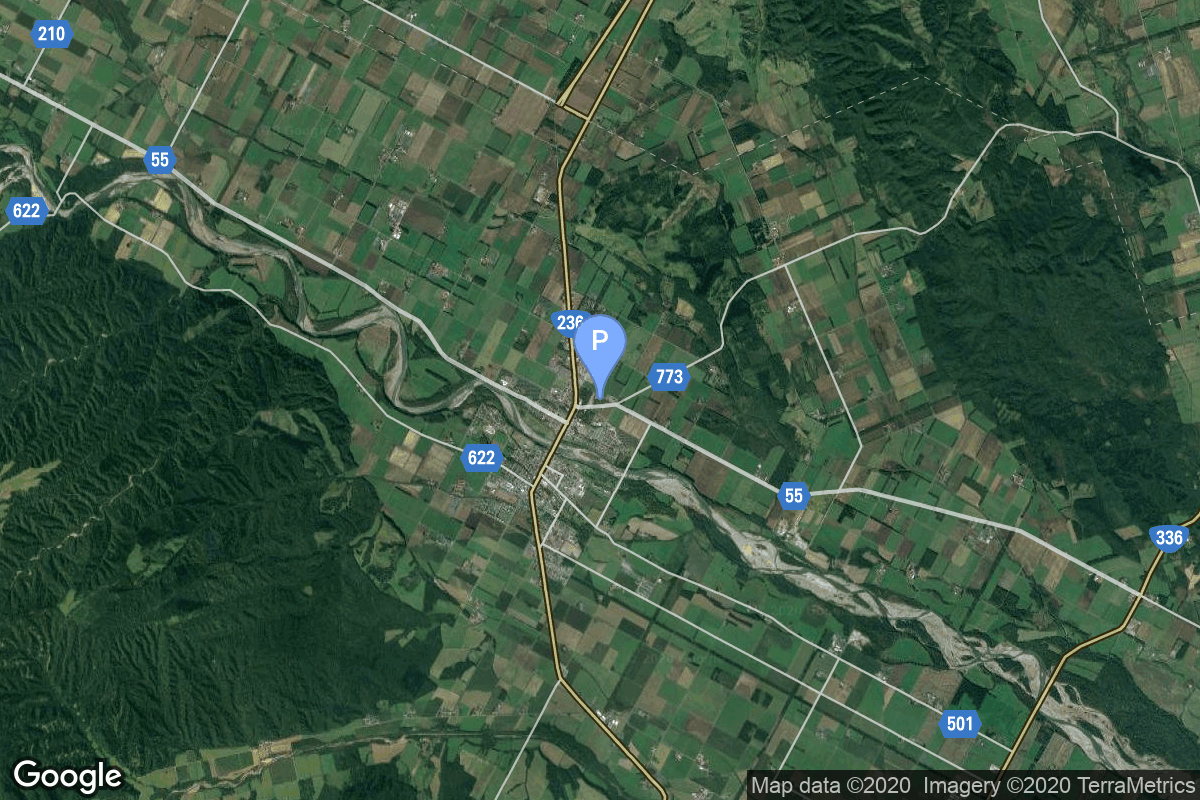
Rocket launch pad of Interstellar Technologies, located next to the Taiki Aerospace Research Field.
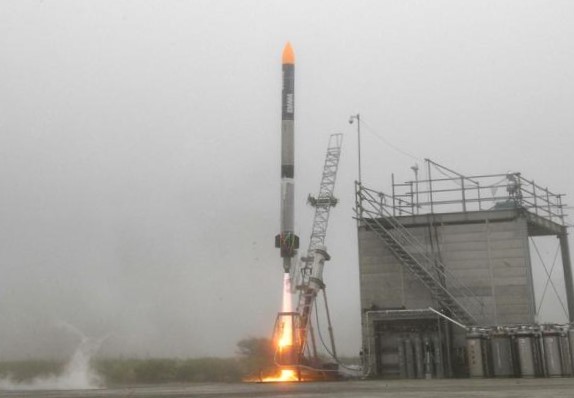
Interstellar Technologies MOMO v1 Rocket
Momo is a Japanese sounding rocket capable of delivering 20 kg to a height of 100 km. It is privately developed by Interstellar Technologies Inc. (IST).
The v1 upgrade includes a higher thrust engine with a silica fiber reinforced plastic nozzle, as well as increased mass and length.
| Length | 10.1 m |
|---|---|
| Diameter | 0.5 m |
| Stages | 1 |
| Launch Mass | 1.0 T |
| Takeoff Thrust | 14.0 kN |
| Apogee | 100.0 km |
| Maiden Flight | 7/3/2021 |
Learn more about the Interstellar Technologies MOMO v1 Rocket
About Interstellar Technologies
Interstellar Technologies, Inc. (Japanese: インターステラテクノロジズ(株) Hepburn: Intāsutera Tekunorojizu (kabu)) is a Japanese NewSpace company. It is a rocket spacelaunch company developing the MOMO launcher. Its stated goal is to reduce the cost of access to space. In 2017, it became the first Japanese company to launch a privately developed space rocket, though the launch was unsuccessful. The company plans to complete a rocket by 2020 that would be capable of launching small satellites into orbit.
| Total Launches | 7 |
|---|---|
| Successful | 3 |
| Failed | 4 |
| Pending | 1 |
| Consecutive Success | 2 |

Frequently Asked Questions
When was the Interstellar Technologies MOMO v1 Flight 7 launch scheduled?
The Interstellar Technologies MOMO v1 Flight 7 launch was scheduled for:
.
Where can I watch the Interstellar Technologies MOMO v1 Flight 7 launch video?
You can watch the Interstellar Technologies MOMO v1 launch video on this page. The official video includes full mission coverage with multiple camera angles, onboard views, and expert commentary covering pre-launch procedures, liftoff, stage separation, and payload deployment.
Where did the Interstellar Technologies MOMO v1 Flight 7 mission launch from?
The Interstellar Technologies MOMO v1 rocket launched from Launch Complex 0 at Hokkaido Spaceport, Japan. Rocket launch pad of Interstellar Technologies, located next to the Taiki Aerospace Research Field.
What rocket was used for the Flight 7 mission?
The Flight 7 mission launched aboard a Interstellar Technologies MOMO v1 rocket. Momo is a Japanese sounding rocket capable of delivering 20 kg to a height of 100 km. It is privately developed by Interstellar Technologies Inc. (IST). <br> <br>The v1 upgrade includes a higher thrust engine with a silica fiber reinforced plastic nozzle, as well as increased mass and length. Detailed rocket specifications and performance data are available in the rocket details above.
What weather conditions could have delayed the Interstellar Technologies MOMO v1 Flight 7 launch?
The Interstellar Technologies MOMO v1 Flight 7 launch could have been delayed by various weather conditions including lightning within 10 nautical miles, high winds (especially upper-level winds), thick cloud layers, precipitation, and poor visibility. Weather must be favorable at the launch site, downrange landing zones, and abort landing sites.
How can I get updates if the Interstellar Technologies MOMO v1 Flight 7 launch was delayed?
This page was updated in real-time with the latest Interstellar Technologies MOMO v1 launch status, including any delays or scrubs for the Flight 7 mission. You can also check our space launch schedule for historical launch information. Our mobile app provides push notifications for instant alerts about launch status changes. Official Interstellar Technologies live streams provided the most immediate range updates during the launch window.
Last Updated
Last Updated:
-
Successful launch. MOMO reached an apogee of 99 km.
-
Liftoff
-
Now targeting 8:45 UTC.
-
Now targeting 8:40 UTC.
-
Now targeting between 08:20 and 08:50 UTC.
-
Launch now targeted between 7:45 and 8:50 UTC.
-
Teams have left the pad. Launch targeted during the 07:05-08:50 UTC window.
-
Targeting second window
-
Launch scheduled July 3 between 0210 and 0320, 0705 and 0850, 2015 and 2250 UTC per NOTAM P2439/21.