
Orbital Sciences Corporation COSMIC 1-6 Minotaur I
About the COSMIC 1-6 Mission
| Type | Earth Science |
|---|---|
| Orbit | Low Earth Orbit |
In early 2001, the National Space Program Office (NSPO) of Taiwan, Republic of China, selected Orbital for a $56 million contract for the ROCSAT-3/COSMIC (Republic of China Satellite / Constellation Observing System for Meteorology, Ionosphere and Climate) program. ROCSAT was renamed FORMOSAT in December 2004. The FORMOSAT-3/COSMIC program is an international collaboration between Taiwan and the United States that will use a constellation of six remote sensing microsatellites to collect atmospheric data for weather prediction and for ionosphere, climate and gravity research. Data from the satellites will be made freely available to the international scientific community in near real-time.
Launch Pad & Location
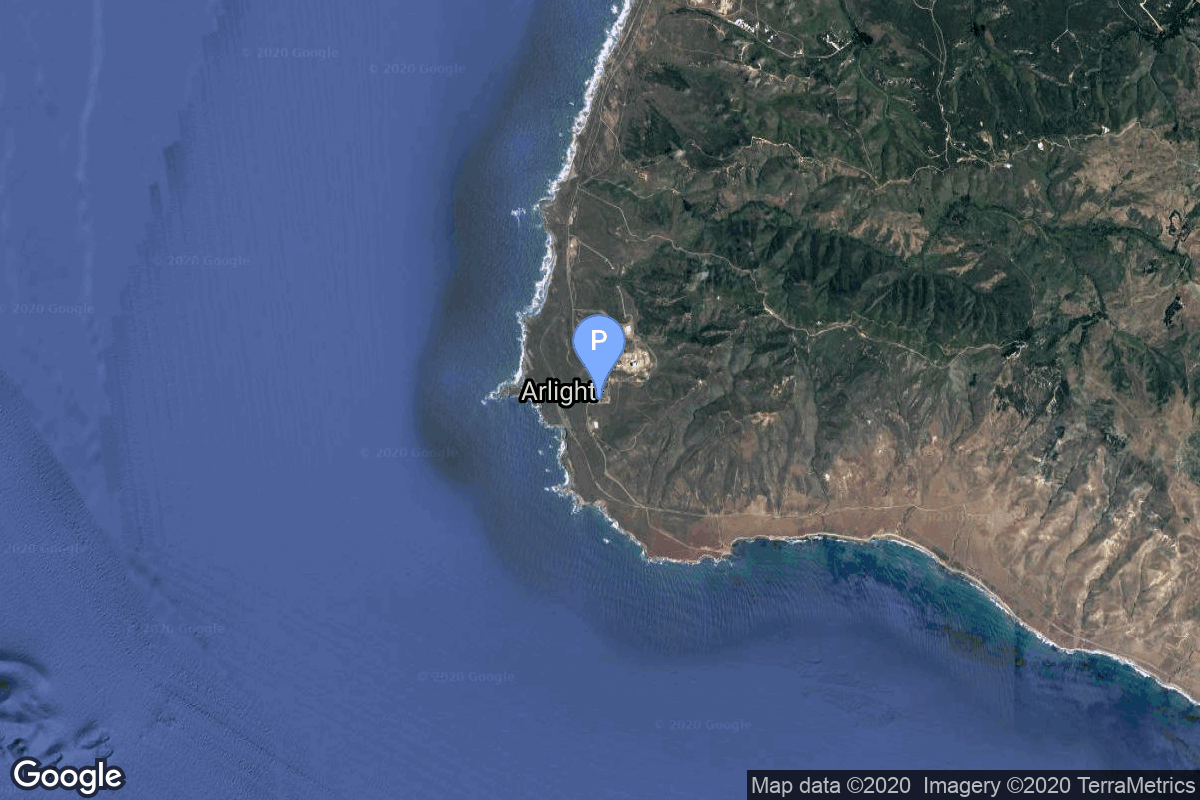
Space Launch Complex 8
Vandenberg SFB, CA, USA
| Launches | 10 |
|---|---|
| Orbital Launch Attempts | 10 |
| Total Launches | 887 |
Vandenberg Space Force Base is a United States Space Force Base in Santa Barbara County, California. Established in 1941, Vandenberg Space Force Base is a space launch base, launching spacecraft from the Western Range, and also performs missile testing. The United States Space Force's Space Launch Delta 30 serves as the host delta for the base, equivalent to an Air Force air base wing. In addition to its military space launch mission, Vandenberg Space Force Base also hosts space launches for civil and commercial space entities, such as NASA and SpaceX.
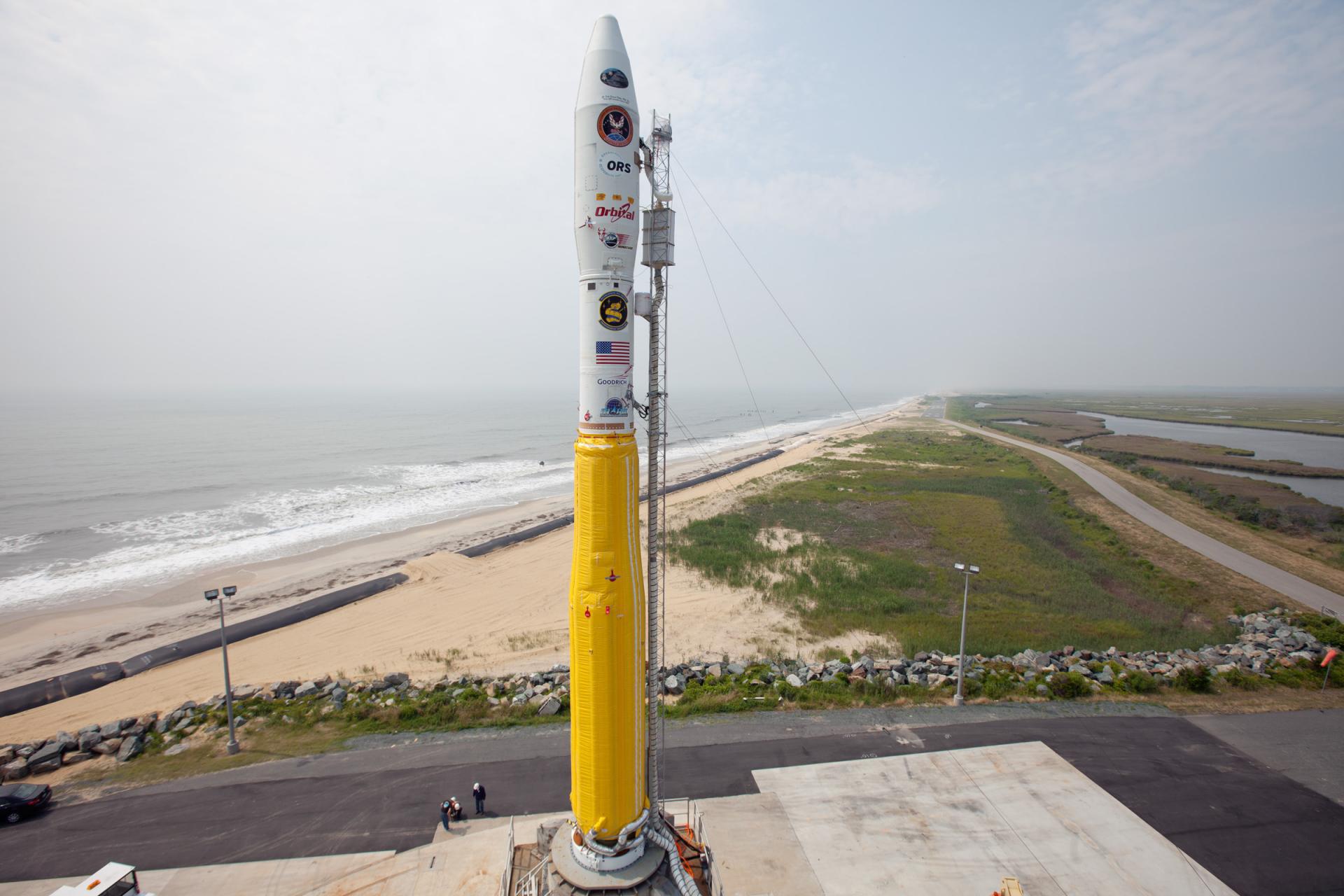
Orbital Sciences Corporation Minotaur I Rocket
The Minotaur I launch system is derived from converted Minuteman II ICBMs and is used to launch small satellites for the US Government. The first and second stages, taken directly from decommissioned Minuteman missiles, are mated to the Orion third and fourth stages taken from the Pegasus XL air-launched rocket family. An optional hydrazine-powered fifth stage called HAPS can be used.The Minotaur I launch system is derived from converted Minuteman II ICBMs and is used to launch small satellites for the US Government. An optional hydrazine-powered fifth stage called HAPS can be used.
Learn more about the Orbital Sciences Corporation Minotaur I Rocket
About Orbital Sciences Corporation

Frequently Asked Questions
When was the Orbital Sciences Corporation Minotaur I COSMIC 1-6 launch scheduled?
The Orbital Sciences Corporation Minotaur I COSMIC 1-6 launch was scheduled for:
.
Where did the Orbital Sciences Corporation Minotaur I COSMIC 1-6 mission launch from?
The Orbital Sciences Corporation Minotaur I rocket launched from Space Launch Complex 8 at Vandenberg SFB, CA, USA. Vandenberg Space Force Base is a United States Space Force Base in Santa Barbara County, California. Established in 1941, Vandenberg Space Force Base is a space launch base, launching spacecraft from the Western Range, and also performs missile testing. The United States Space Force's Space Launch Delta 30 serves as the host delta for the base, equivalent to an Air Force air base wing. In addition to its military space launch mission, Vandenberg Space Force Base also hosts space launches for civil and commercial space entities, such as NASA and SpaceX.
What rocket was used for the COSMIC 1-6 mission?
The COSMIC 1-6 mission launched aboard a Orbital Sciences Corporation Minotaur I rocket. The Minotaur I launch system is derived from converted Minuteman II ICBMs and is used to launch small satellites for the US Government. The first and second stages, taken directly from decommissioned Minuteman missiles, are mated to the Orion third and fourth stages taken from the Pegasus XL air-launched rocket family. An optional hydrazine-powered fifth stage called HAPS can be used.The Minotaur I launch system is derived from converted Minuteman II ICBMs and is used to launch small satellites for the US Government. An optional hydrazine-powered fifth stage called HAPS can be used. Detailed rocket specifications and performance data are available in the rocket details above.
What weather conditions could have delayed the Orbital Sciences Corporation Minotaur I COSMIC 1-6 launch?
The Orbital Sciences Corporation Minotaur I COSMIC 1-6 launch could have been delayed by various weather conditions including lightning within 10 nautical miles, high winds (especially upper-level winds), thick cloud layers, precipitation, and poor visibility. Weather must be favorable at the launch site, downrange landing zones, and abort landing sites.
How can I get updates if the Orbital Sciences Corporation Minotaur I COSMIC 1-6 launch was delayed?
This page was updated in real-time with the latest Orbital Sciences Corporation Minotaur I launch status, including any delays or scrubs for the COSMIC 1-6 mission. You can also check our space launch schedule for historical launch information. Our mobile app provides push notifications for instant alerts about launch status changes. Official Orbital Sciences Corporation live streams provided the most immediate range updates during the launch window.
Last Updated
Last Updated: