
CASC Shenzhou-10 Long March 2F/G
Rocket Launch Video Stream
Meet the Astronaut Crew

Nie Haisheng
| Birthday | 10/13/1964 |
|---|---|
| Role | Commander |
| Nationality | China |
| First Flight | 10/12/2005 |
| Last Flight | 06/17/2021 |
Nie Haisheng is a Chinese military pilot and CNSA astronaut. In 1998, he was selected for the Chinese spaceflight program and was one of three...

Zhang Xiaoguang
| Birthday | 05/01/1966 |
|---|---|
| Role | Flight Engineer |
| Nationality | China |
| First Flight | 06/11/2013 |
| Last Flight | 06/11/2013 |
Zhang Xiaoguang is a Chinese pilot selected as part of the Shenzhou program. He was born in May 1966 in Jinzhou, to a family of...

Wang Yaping
| Birthday | 01/27/1980 |
|---|---|
| Role | Flight Engineer |
| Nationality | China |
| First Flight | 06/11/2013 |
| Last Flight | 10/15/2021 |
Colonel Wang Yaping is a Chinese military pilot and astronaut. Wang was the second female astronaut to be named by the CNSA, and the second...
About the Shenzhou-10 Mission
| Type | Human Exploration |
|---|---|
| Orbit | Low Earth Orbit |
This isthe fifth crewed mission for China's Shenzhou program which lasted 15 days. Shenzhou-10 began its mission by bringing Nie Haisheng, Zhang Xiaoguang and Wang Yaping to the Tiangong-1 space station. During their 12-day stay at the station astronauts conducted space medicine and technological experiments, and Wang Yaping gave a lecture for over 60 million Chinese students. On 23 June undocked from the station and performed manual re-docking procedure, which was one of the objectives of the mission. On 25 June Shenzhou-10 undocked from the station and landed safely on the morning of the next day.

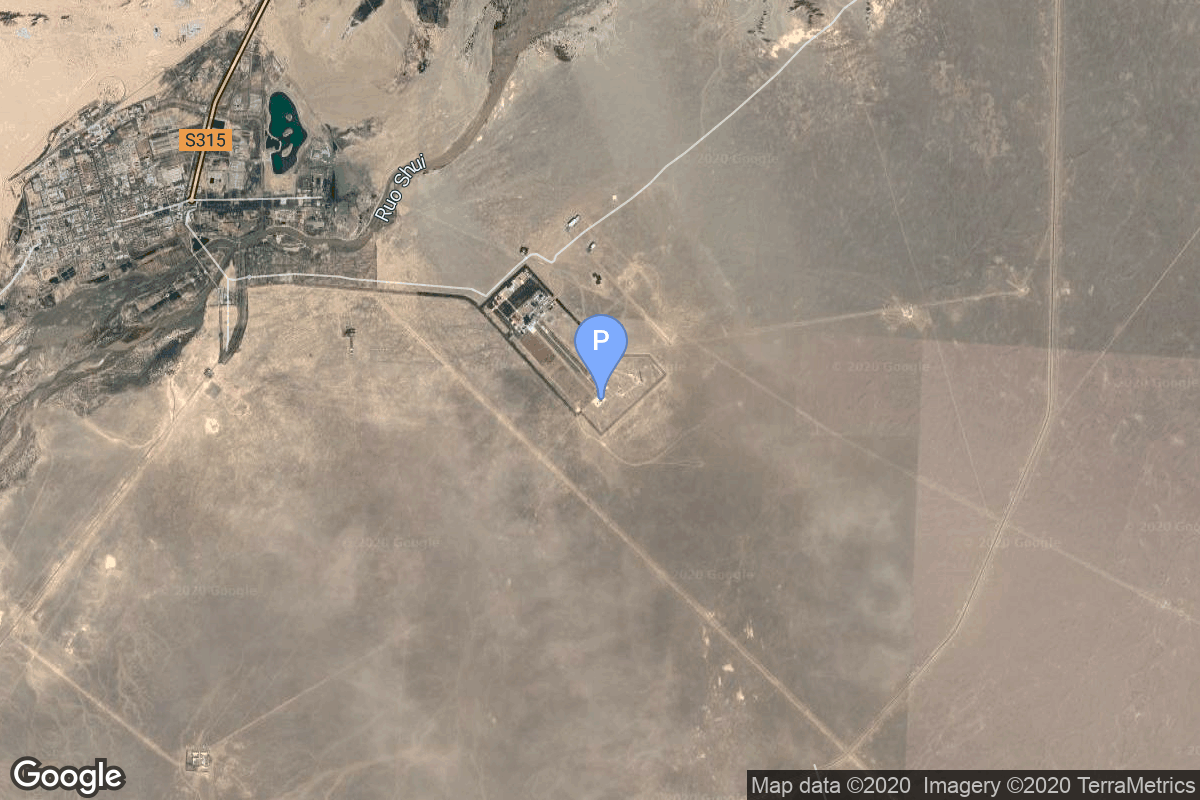
Launch Pad & Location
Launch Area 91 (SLS-1 / 921)
Jiuquan Satellite Launch Center, People's Republic of China
| Launches | 29 |
|---|---|
| Orbital Launch Attempts | 29 |
| Total Launches | 298 |
Jiuquan Satellite Launch Center is a Chinese spaceport located between the Ejin, Alxa, Inner Mongolia and Hangtian Town, Jinta County, Jiuquan, Gansu Province. It is part of the Dongfeng Aerospace City (Base 10).
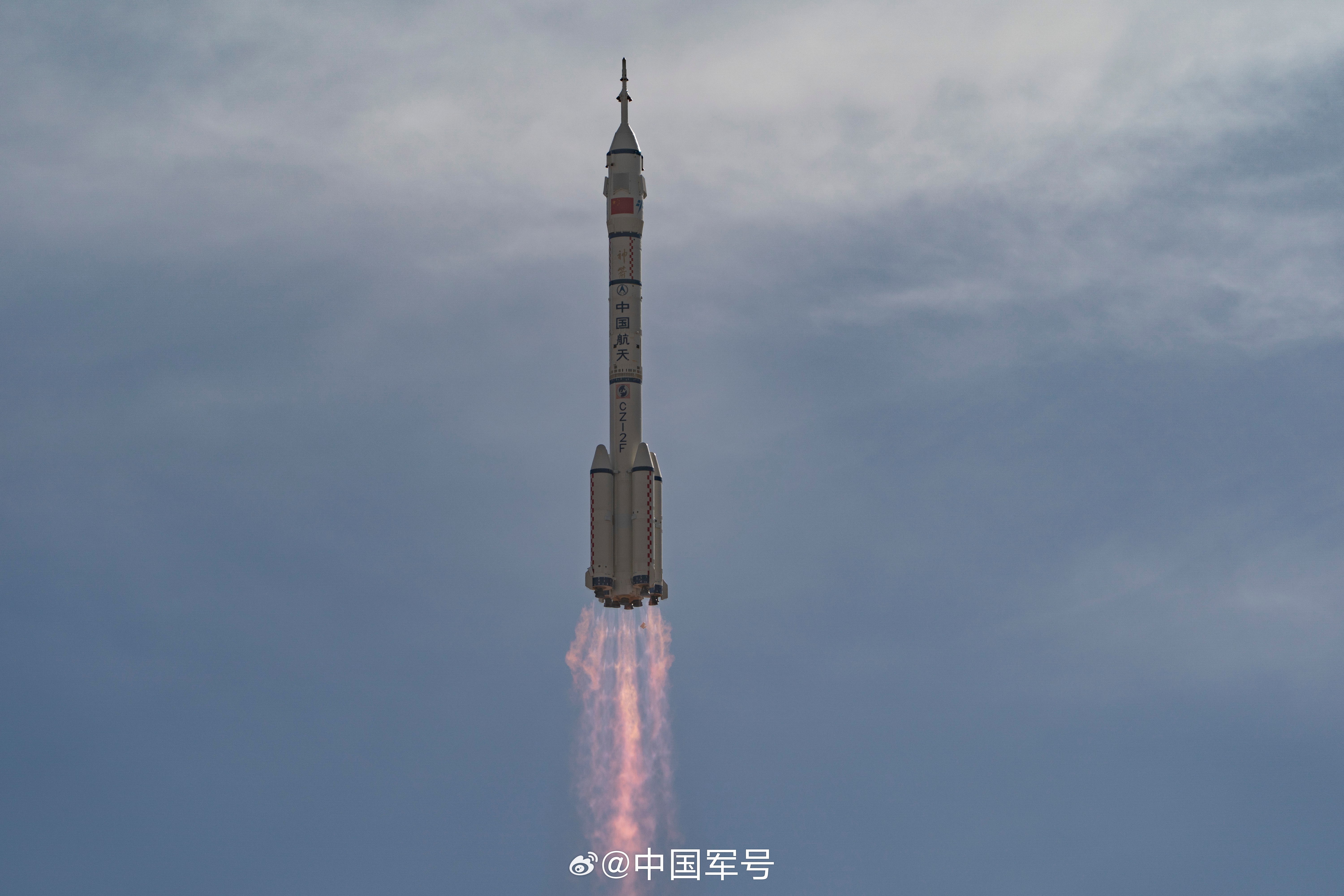
CASC Long March 2F/G Rocket
The Long March 2F is a Chinese orbital carrier rocket, part of the Long March 2 rocket family. Designed to launch the crewed Shenzhou spacecraft, the Long March 2F is a human-rated two-stage version of the Long March 2E rocket, which in turn was based on the Long March 2C launch vehicle. It is launched from complex SLS at the Jiuquan Satellite Launch Center.
The Long March 2F/G version includes longer boosters for increased lift capability, among other improvements.
| Length | 62.0 m |
|---|---|
| Diameter | 3.4 m |
| Stages | 2 |
| Launch Mass | 464.0 T |
| LEO Capacity | 8,399 kg |
| Maiden Flight | 10/31/2011 |
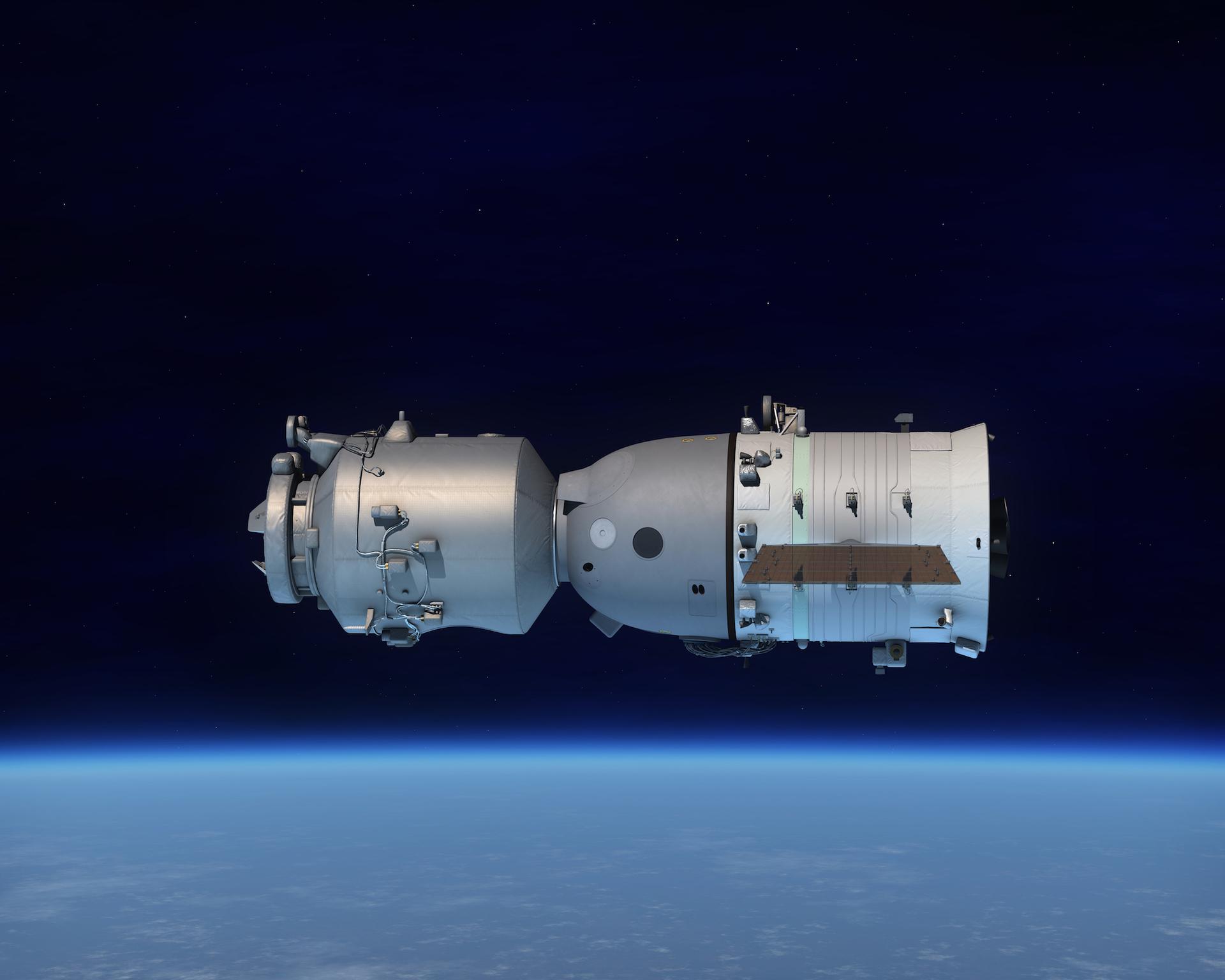
Mission Spacecraft
Shenzhou 10
Shenzhou 10 (10) was the spacecraft used for this mission. It is a China National Space Administration Capsule designed for Chinese crewed spaceflight program. and traveled to Tiangong-1.
The Shenzhou spacecraft docked with the Tiangong-1 trial space laboratory module on 13 June, and the astronauts performed physical, technological, and scientific experiments while on board. Shenzhou 10 was the final mission to Tiangong 1 in this portion of the Tiangong program. The Shenzhou spacecraft resembles the Soyuz, although it is longer, with a larger habitable volume. It features a powered service module like the Soyuz, and prior to Shenzhou 8 its orbital module was capable of autonomous flight.
The aft service module contains life support and other equipment required for the functioning of Shenzhou. 200 day design life.
| Type | Capsule |
|---|---|
| Agency | China National Space Administration |
| Serial Number | 10 |
| Status | Single Use |
| Destination | Tiangong-1 |
| Maiden Flight | 11/19/1999 |
| Mission End | 6/26/2013 |
| Flights | 1 |
| Crew Capacity | 3 |
| Human Rated | Yes |
| Height | 9.3 m |
| Diameter | 2.8 m |
About CASC
The China Aerospace Science and Technology Corporation (CASC) is the main contractor for the Chinese space program. It is state-owned and has a number of subordinate entities which design, develop and manufacture a range of spacecraft, launch vehicles, strategic and tactical missile systems, and ground equipment. It was officially established in July 1999 as part of a Chinese government reform drive, having previously been one part of the former China Aerospace Corporation. Various incarnations of the program date back to 1956.
| Total Launches | 617 |
|---|---|
| Successful | 601 |
| Failed | 16 |
| Pending | 8 |
| Consecutive Success | 8 |
Frequently Asked Questions
When was the CASC Long March 2F/G Shenzhou-10 launch scheduled?
The CASC Long March 2F/G Shenzhou-10 launch was scheduled for:
.
Where can I watch the CASC Long March 2F/G Shenzhou-10 launch video?
You can watch the CASC Long March 2F/G launch video on this page. The official video includes full mission coverage with multiple camera angles, onboard views, and expert commentary covering pre-launch procedures, liftoff, stage separation, and payload deployment.
Where did the CASC Long March 2F/G Shenzhou-10 mission launch from?
The CASC Long March 2F/G rocket launched from Launch Area 91 (SLS-1 / 921) at Jiuquan Satellite Launch Center, People's Republic of China. Jiuquan Satellite Launch Center is a Chinese spaceport located between the Ejin, Alxa, Inner Mongolia and Hangtian Town, Jinta County, Jiuquan, Gansu Province. It is part of the Dongfeng Aerospace City (Base 10).
What rocket was used for the Shenzhou-10 mission?
The Shenzhou-10 mission launched aboard a CASC Long March 2F/G rocket. The Long March 2F is a Chinese orbital carrier rocket, part of the Long March 2 rocket family. Designed to launch the crewed Shenzhou spacecraft, the Long March 2F is a human-rated two-stage version of the Long March 2E rocket, which in turn was based on the Long March 2C launch vehicle. It is launched from complex SLS at the Jiuquan Satellite Launch Center. The Long March 2F/G version includes longer boosters for increased lift capability, among other improvements. Detailed rocket specifications and performance data are available in the rocket details above.
What weather conditions could have delayed the CASC Long March 2F/G Shenzhou-10 launch?
The CASC Long March 2F/G Shenzhou-10 launch could have been delayed by various weather conditions including lightning within 10 nautical miles, high winds (especially upper-level winds), thick cloud layers, precipitation, and poor visibility. Weather must be favorable at the launch site, downrange landing zones, and abort landing sites.
How can I get updates if the CASC Long March 2F/G Shenzhou-10 launch was delayed?
This page was updated in real-time with the latest CASC Long March 2F/G launch status, including any delays or scrubs for the Shenzhou-10 mission. You can also check our space launch schedule for historical launch information. Our mobile app provides push notifications for instant alerts about launch status changes. Official CASC live streams provided the most immediate range updates during the launch window.
Last Updated
Last Updated: