
China Aerospace Science and Technology Corporation SatNet LEO Group 22 Long March 12
Weather Forecast During Launch
The forecast calls for a temperature of 84°F, overcast clouds, 100% cloud cover and a wind speed of 14mph.
About the SatNet LEO Group 22 Mission
| Type | Communications |
|---|---|
| Orbit | Low Earth Orbit |
A batch of 9 Low Earth Orbit communication satellites for the Chinese state owned SatNet constellation operated by the China Satellite Network Group.
The constellation will eventually consists of 13000 satellites.
Launch Pad & Location
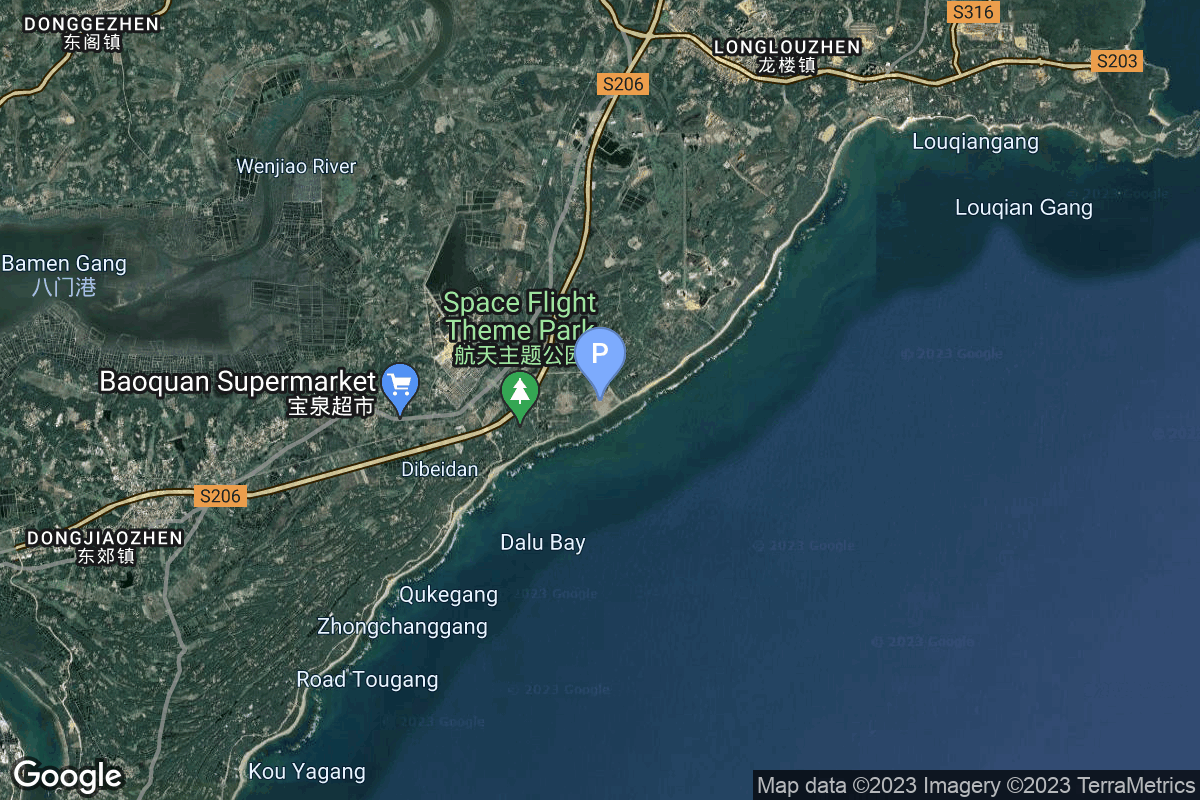
Commercial LC-2
Wenchang Space Launch Site, People's Republic of China
| Launches | 6 |
|---|---|
| Orbital Launch Attempts | 6 |
| Total Launches | 67 |
The Wenchang Space Launch Site is a rocket launch site located in Wenchang on the island of Hainan, in China.
Formally a suborbital test center, it currently serves as China's southernmost spaceport. The site was selected for its low latitude, 19u00b0 north of the equator, allowing for larger payloads to be launched. It is capable of launching the Long March 5, the heaviest Chinese rocket. Unlike launch facilities on the mainland, Wenchang uses its seaport for deliveries.
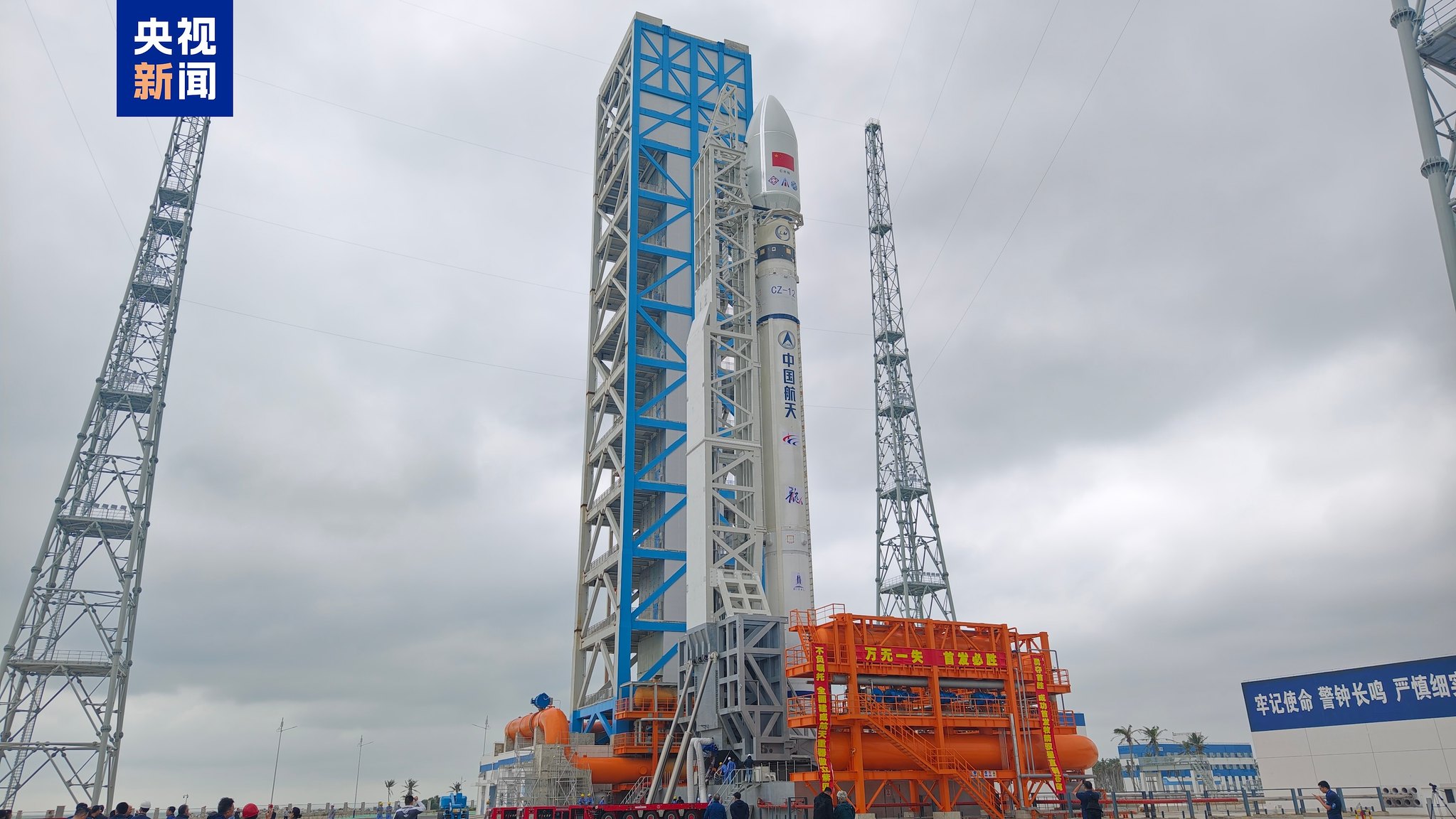
China Aerospace Science and Technology Corporation Long March 12 Rocket
The Long March 12 carrier rocket is a Chinese medium-lift launch vehicle currently under development by the Shanghai Academy of Spaceflight Technology, using kerosene and liquid oxygen as propellant. It will be capable of placing at least 10 tonnes of payload in low Earth orbit and at least 6 tonnes in a 700 km Sun-synchronous orbit.
| Length | 62.0 m |
|---|---|
| Diameter | 3.8 m |
| Launch Mass | 428.0 T |
| Takeoff Thrust | 5,000.0 kN |
| LEO Capacity | 12,000 kg |
| SSO Capacity | 6,000 kg |
| Maiden Flight | 11/30/2024 |
Learn more about the China Aerospace Science and Technology Corporation Long March 12 Rocket
About China Aerospace Science and Technology Corporation
The China Aerospace Science and Technology Corporation (CASC) is the main contractor for the Chinese space program. It is state-owned and has a number of subordinate entities which design, develop and manufacture a range of spacecraft, launch vehicles, strategic and tactical missile systems, and ground equipment. It was officially established in July 1999 as part of a Chinese government reform drive, having previously been one part of the former China Aerospace Corporation. Various incarnations of the program date back to 1956.
| Total Launches | 603 |
|---|---|
| Successful | 588 |
| Failed | 15 |
| Pending | 7 |
| Consecutive Success | 29 |
Learn more about China Aerospace Science and Technology Corporation

Frequently Asked Questions
When was the China Aerospace Science and Technology Corporation Long March 12 SatNet LEO Group 22 launch scheduled?
The China Aerospace Science and Technology Corporation Long March 12 SatNet LEO Group 22 launch was scheduled for:
.
Where did the China Aerospace Science and Technology Corporation Long March 12 SatNet LEO Group 22 mission launch from?
The China Aerospace Science and Technology Corporation Long March 12 rocket launched from Commercial LC-2 at Wenchang Space Launch Site, People's Republic of China. The Wenchang Space Launch Site is a rocket launch site located in Wenchang on the island of Hainan, in China. <br> <br>Formally a suborbital test center, it currently serves as China's southernmost spaceport. The site was selected for its low latitude, 19u00b0 north of the equator, allowing for larger payloads to be launched. It is capable of launching the Long March 5, the heaviest Chinese rocket. Unlike launch facilities on the mainland, Wenchang uses its seaport for deliveries.
What rocket was used for the SatNet LEO Group 22 mission?
The SatNet LEO Group 22 mission launched aboard a China Aerospace Science and Technology Corporation Long March 12 rocket. The Long March 12 carrier rocket is a Chinese medium-lift launch vehicle currently under development by the Shanghai Academy of Spaceflight Technology, using kerosene and liquid oxygen as propellant. It will be capable of placing at least 10 tonnes of payload in low Earth orbit and at least 6 tonnes in a 700 km Sun-synchronous orbit. Detailed rocket specifications and performance data are available in the rocket details above.
What weather conditions could have delayed the China Aerospace Science and Technology Corporation Long March 12 SatNet LEO Group 22 launch?
The China Aerospace Science and Technology Corporation Long March 12 SatNet LEO Group 22 launch could have been delayed by various weather conditions including lightning within 10 nautical miles, high winds (especially upper-level winds), thick cloud layers, precipitation, and poor visibility. Weather must be favorable at the launch site, downrange landing zones, and abort landing sites.
How can I get updates if the China Aerospace Science and Technology Corporation Long March 12 SatNet LEO Group 22 launch was delayed?
This page was updated in real-time with the latest China Aerospace Science and Technology Corporation Long March 12 launch status, including any delays or scrubs for the SatNet LEO Group 22 mission. You can also check our space launch schedule for historical launch information. Our mobile app provides push notifications for instant alerts about launch status changes. Official China Aerospace Science and Technology Corporation live streams provided the most immediate range updates during the launch window.
Last Updated
Last Updated:
-
Launch success.
-
Liftoff.
-
Refined launch window per new NOTAMs.
-
Reverted to NET June TBD with cancellation of NOTAMs.
-
Added launch per NOTAMs; Payload and launch vehicle identities uncertain.