
Virgin Orbit Start Me Up LauncherOne
About the Start Me Up Mission
| Type | Earth Science |
|---|---|
| Orbit | Low Earth Orbit |
| Launch Cost | $12,000,000 |
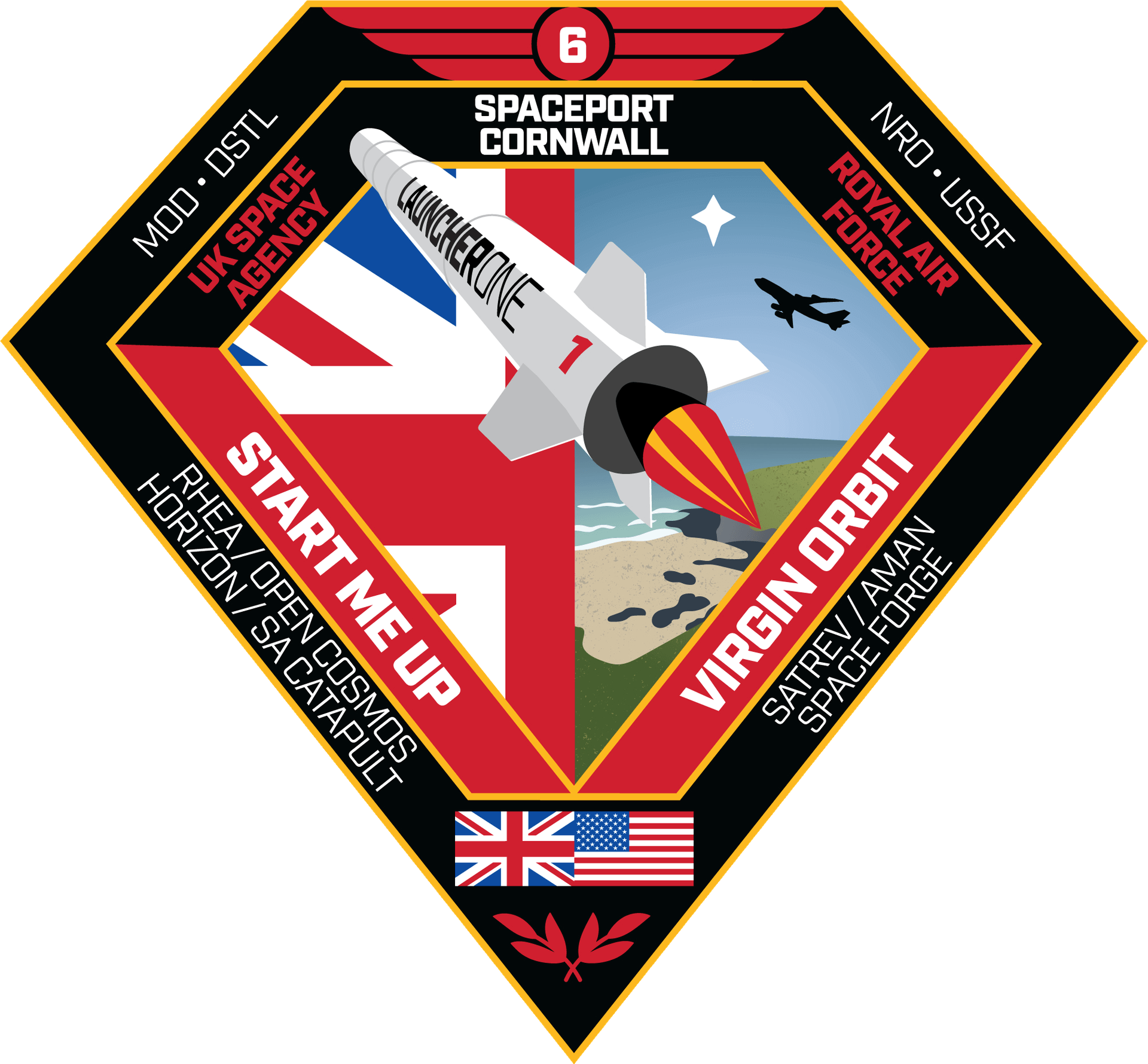
7 payloads for government and private customers. This mission is the first launch from the United Kingdom.
2nd stage engine failure at ~17000 km/h after 2nd stage fuel filter within the fuel feedline was dislodged from its normal position, causing lower than usual fuel flow and subsequent rise in engine combustion chamber temperature.
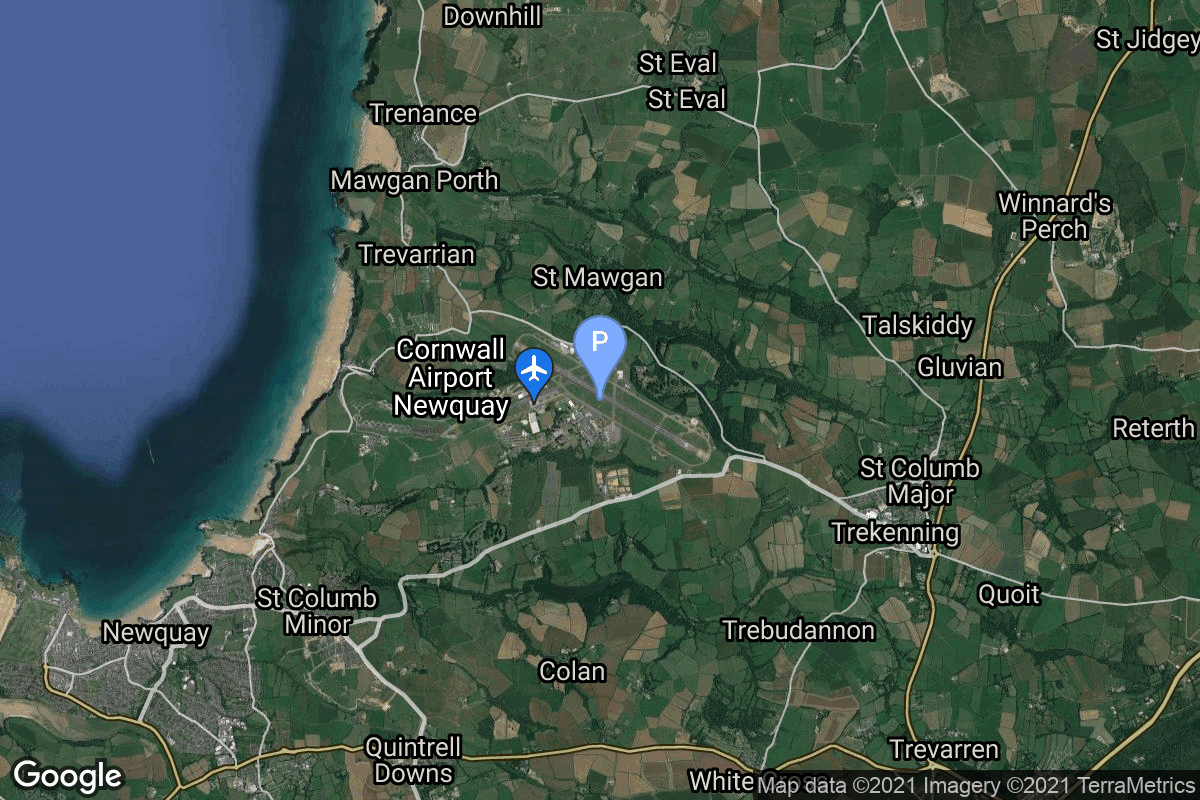
Launch Pad & Location
Spaceport Cornwall
Air launch to orbit
| Launches | 1 |
|---|---|
| Orbital Launch Attempts | 1 |
| Total Launches | 52 |
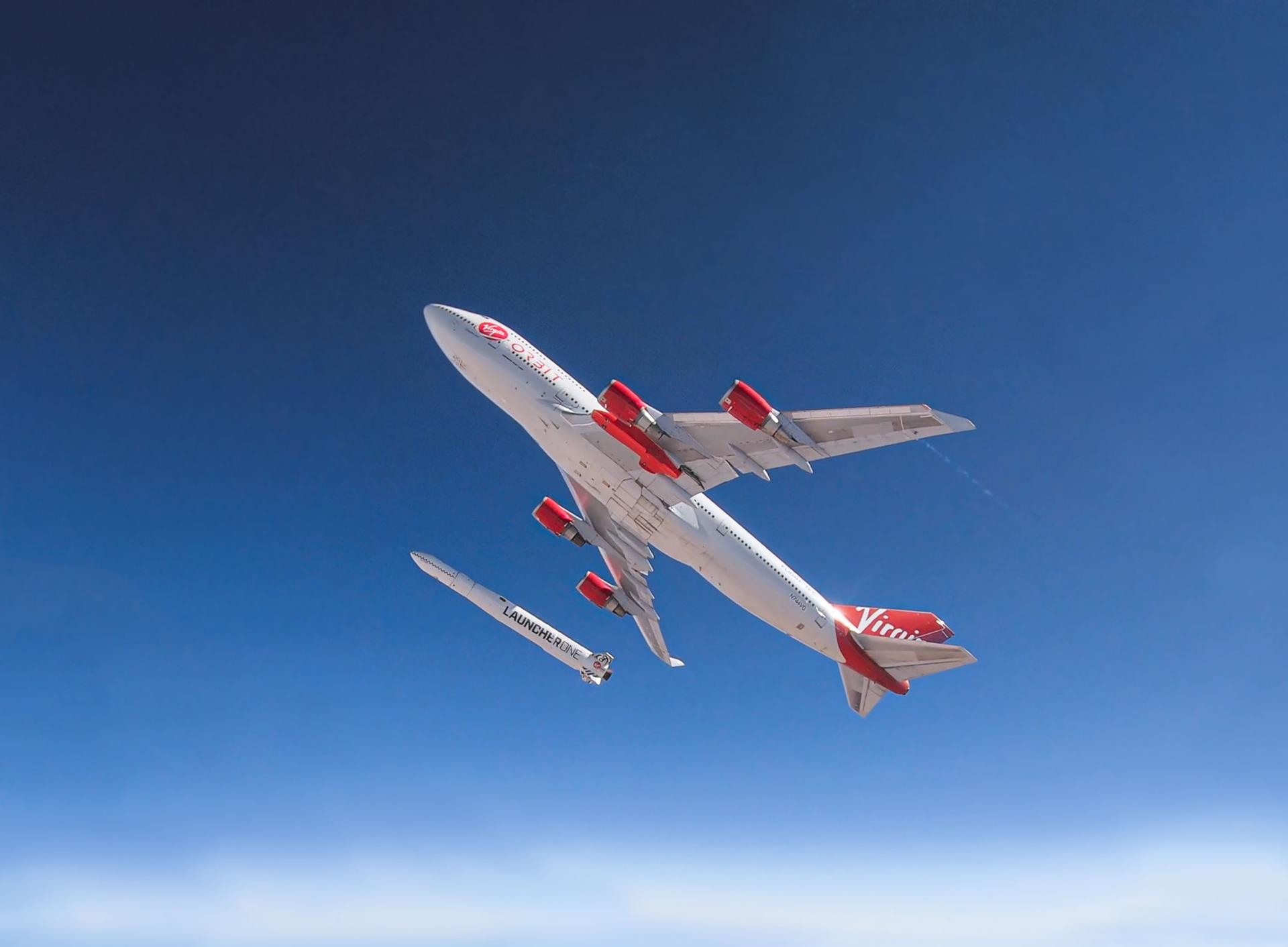
Virgin Orbit LauncherOne Rocket
LauncherOne is a two stage orbital launch vehicle developed by Virgin Orbit since 2007. It is an air launch to orbit rocket, designed to launch "smallsat" payloads of 300 kilograms (660 lb) into a Sun-synchronous orbit, following air launch from a carrier aircraft at high altitude.
| Length | 16.0 m |
|---|---|
| Diameter | 1.6 m |
| Stages | 2 |
| Launch Mass | 30.0 T |
| Takeoff Thrust | 327.0 kN |
| LEO Capacity | 500 kg |
| SSO Capacity | 300 kg |
| Launch Cost | $12,000,000 |
| Maiden Flight | 5/25/2020 |
About Virgin Orbit
Virgin Orbit is a company within the Virgin Group which plans to provide launch services for small satellites. The company was formed in 2017 to develop the air-launched LauncherOne rocket, launched from Cosmic Girl, which had previously been a project of Virgin Galactic. Based in Long Beach, California, Virgin Orbit has more than 300 employees led by president Dan Hart, a former vice president of government satellite systems at Boeing.
Virgin Orbit focuses on small satellite launch, which is one of three capabilities being focused on by Virgin Galactic. These capabilities are: human spaceflight operations, small satellite launch, and advanced aerospace design, manufacturing, and test
| Total Launches | 6 |
|---|---|
| Successful | 4 |
| Failed | 2 |
Frequently Asked Questions
When was the Virgin Orbit LauncherOne Start Me Up launch scheduled?
The Virgin Orbit LauncherOne Start Me Up launch was scheduled for:
.
Where did the Virgin Orbit LauncherOne Start Me Up mission launch from?
The Virgin Orbit LauncherOne rocket launched from Spaceport Cornwall at Air launch to orbit.
What rocket was used for the Start Me Up mission?
The Start Me Up mission launched aboard a Virgin Orbit LauncherOne rocket. LauncherOne is a two stage orbital launch vehicle developed by Virgin Orbit since 2007. It is an air launch to orbit rocket, designed to launch "smallsat" payloads of 300 kilograms (660 lb) into a Sun-synchronous orbit, following air launch from a carrier aircraft at high altitude. Detailed rocket specifications and performance data are available in the rocket details above.
What weather conditions could have delayed the Virgin Orbit LauncherOne Start Me Up launch?
The Virgin Orbit LauncherOne Start Me Up launch could have been delayed by various weather conditions including lightning within 10 nautical miles, high winds (especially upper-level winds), thick cloud layers, precipitation, and poor visibility. Weather must be favorable at the launch site, downrange landing zones, and abort landing sites.
How can I get updates if the Virgin Orbit LauncherOne Start Me Up launch was delayed?
This page was updated in real-time with the latest Virgin Orbit LauncherOne launch status, including any delays or scrubs for the Start Me Up mission. You can also check our space launch schedule for historical launch information. Our mobile app provides push notifications for instant alerts about launch status changes. Official Virgin Orbit live streams provided the most immediate range updates during the launch window.
Last Updated
Last Updated:
-
Launch failed.
-
Drop and ignition confirmed
-
Updated T-0 post-take off
-
Coverage live
-
Updated NET rocket dropping & ignition time.
-
Go for launch.
-
Targeting January 9
-
NET January 2023
-
NET Late December
-
NET December 14
-
NET November
-
NET October 29
-
Launch unlikely to occur in September 2022 with mission rehearsal and launch license still pending as of September 13
-
NET September
-
Targeting August
-
Adding launch