
Army Ballistic Missile Agency Explorer 5 Juno-I
About the Explorer 5 Mission
| Type | Earth Science |
|---|---|
| Orbit | Medium Earth Orbit |
Explorer 5 was a US satellite designed to study the van allen radiation belts, however, the launch failed after the first stage collided with the second stage.
Launch Pad & Location
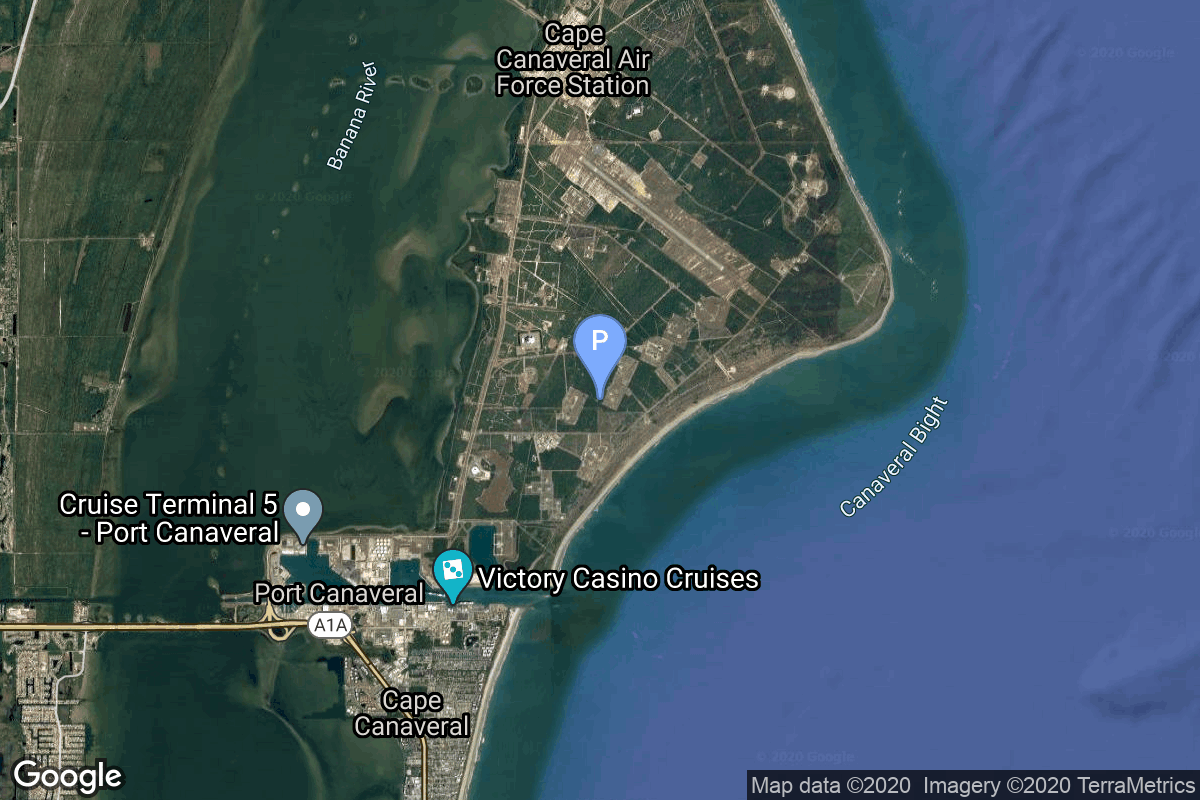
Launch Complex 5
Cape Canaveral SFS, FL, USA
| Launches | 13 |
|---|---|
| Orbital Launch Attempts | 7 |
| Total Launches | 1111 |
Cape Canaveral Space Force Station (CCSFS) is an installation of the United States Space Force's Space Launch Delta 45, located on Cape Canaveral in Brevard County, Florida.
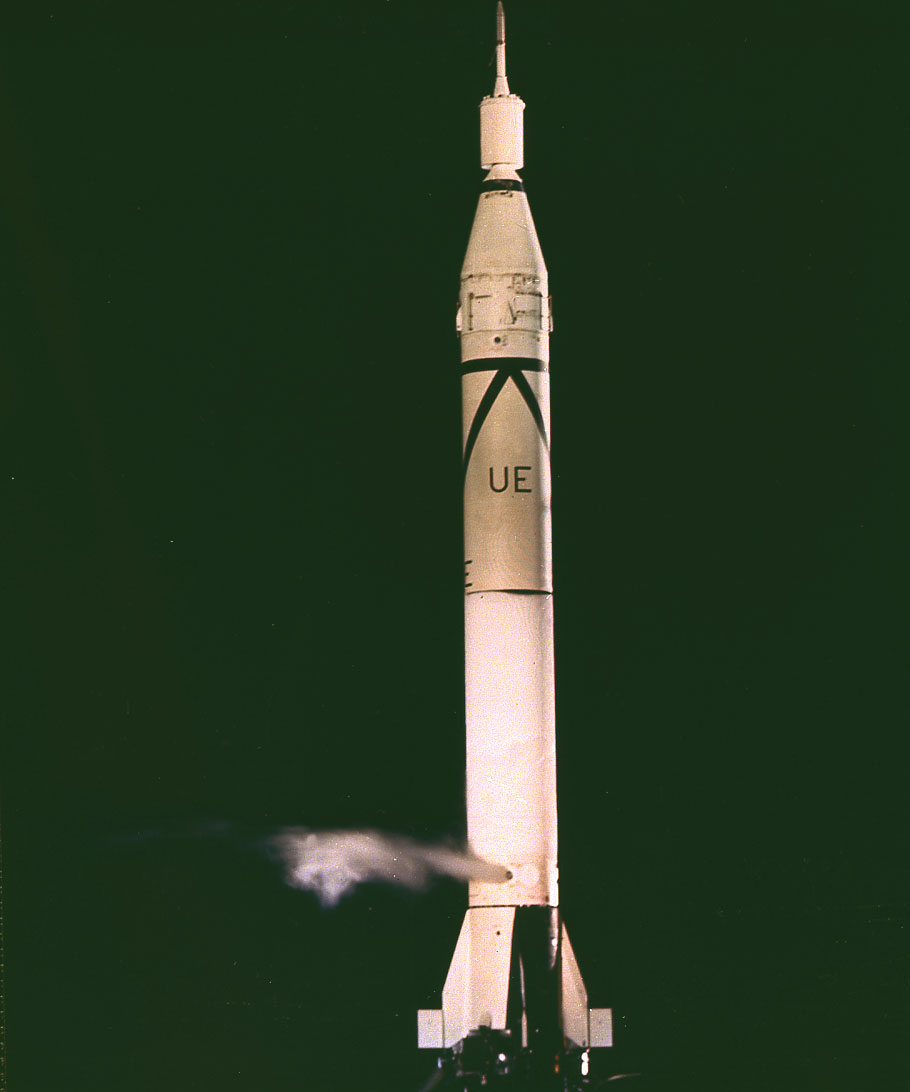
Chrysler Juno-I Rocket
The Juno I was a four-stage American booster rocket which launched America's first satellite, Explorer 1 in 1958. A member of thr redstone family, it was derived from the Jupiter-C sounding rocket.
| Length | 21.2 m |
|---|---|
| Diameter | 1.8 m |
| Stages | 4 |
| Launch Mass | 29.0 T |
| Takeoff Thrust | 416.0 kN |
| LEO Capacity | 11 kg |
| Maiden Flight | 1/31/1958 |
About Army Ballistic Missile Agency
The Army Ballistic Missile Agency was formed to develop the U.S. Army's first large ballistic missile. The agency was established at Redstone Arsenal on 1 February 1956, and commanded by Major General John B. Medaris with Wernher von Braun as technical director.
| Total Launches | 12 |
|---|---|
| Successful | 5 |
| Failed | 7 |
Frequently Asked Questions
When was the Army Ballistic Missile Agency Juno-I Explorer 5 launch scheduled?
The Army Ballistic Missile Agency Juno-I Explorer 5 launch was scheduled for:
.
Where did the Army Ballistic Missile Agency Juno-I Explorer 5 mission launch from?
The Army Ballistic Missile Agency Juno-I rocket launched from Launch Complex 5 at Cape Canaveral SFS, FL, USA. Cape Canaveral Space Force Station (CCSFS) is an installation of the United States Space Force's Space Launch Delta 45, located on Cape Canaveral in Brevard County, Florida.
What rocket was used for the Explorer 5 mission?
The Explorer 5 mission launched aboard a Army Ballistic Missile Agency Juno-I rocket. The Juno I was a four-stage American booster rocket which launched America's first satellite, Explorer 1 in 1958. A member of thr redstone family, it was derived from the Jupiter-C sounding rocket. Detailed rocket specifications and performance data are available in the rocket details above.
What weather conditions could have delayed the Army Ballistic Missile Agency Juno-I Explorer 5 launch?
The Army Ballistic Missile Agency Juno-I Explorer 5 launch could have been delayed by various weather conditions including lightning within 10 nautical miles, high winds (especially upper-level winds), thick cloud layers, precipitation, and poor visibility. Weather must be favorable at the launch site, downrange landing zones, and abort landing sites.
How can I get updates if the Army Ballistic Missile Agency Juno-I Explorer 5 launch was delayed?
This page was updated in real-time with the latest Army Ballistic Missile Agency Juno-I launch status, including any delays or scrubs for the Explorer 5 mission. You can also check our space launch schedule for historical launch information. Our mobile app provides push notifications for instant alerts about launch status changes. Official Army Ballistic Missile Agency live streams provided the most immediate range updates during the launch window.
Last Updated
Last Updated: