
Mitsubishi Heavy Industries Kounotori 2 (HTV-2) H-IIB 304
Rocket Launch Video Stream
About the Kounotori 2 (HTV-2) Mission
| Type | Resupply |
|---|---|
| Orbit | Low Earth Orbit |
| Launch Cost | $112,500,000 |
Uncrewed cargo resupply mission to International Space Station.
Launch Pad & Location
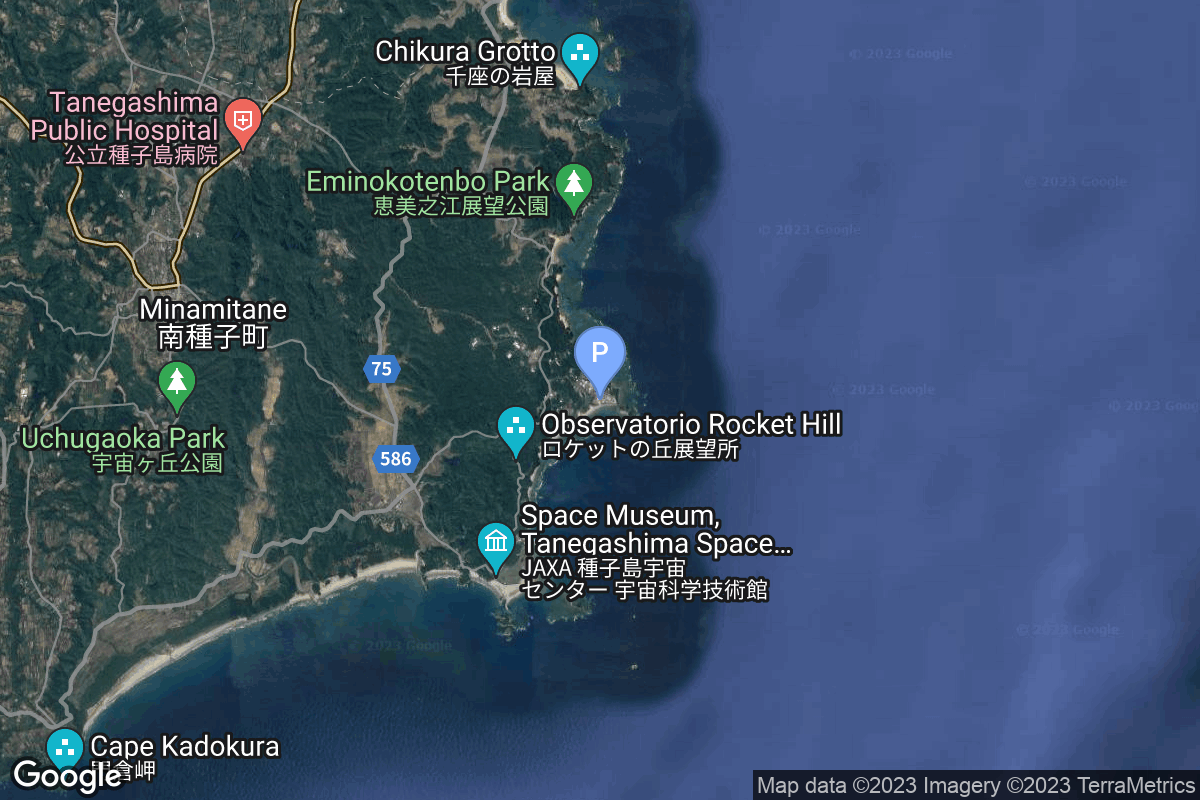
Yoshinobu Launch Complex LP-2
Tanegashima Space Center, Japan
| Launches | 18 |
|---|---|
| Orbital Launch Attempts | 18 |
| Total Launches | 99 |
The Tanegashima Space Center is the largest rocket-launch complex in Japan. It is located on the southeastern tip of Tanegashima, an island located south of Kyushu, an island and region and Japan. It was established in 1969 when the National Space Development Agency of Japan (NASDA) was formed, and is now run by JAXA. The activities that take place at TNSC include assembly, testing, launching, and tracking satellites, as well as rocket engine firing tests.
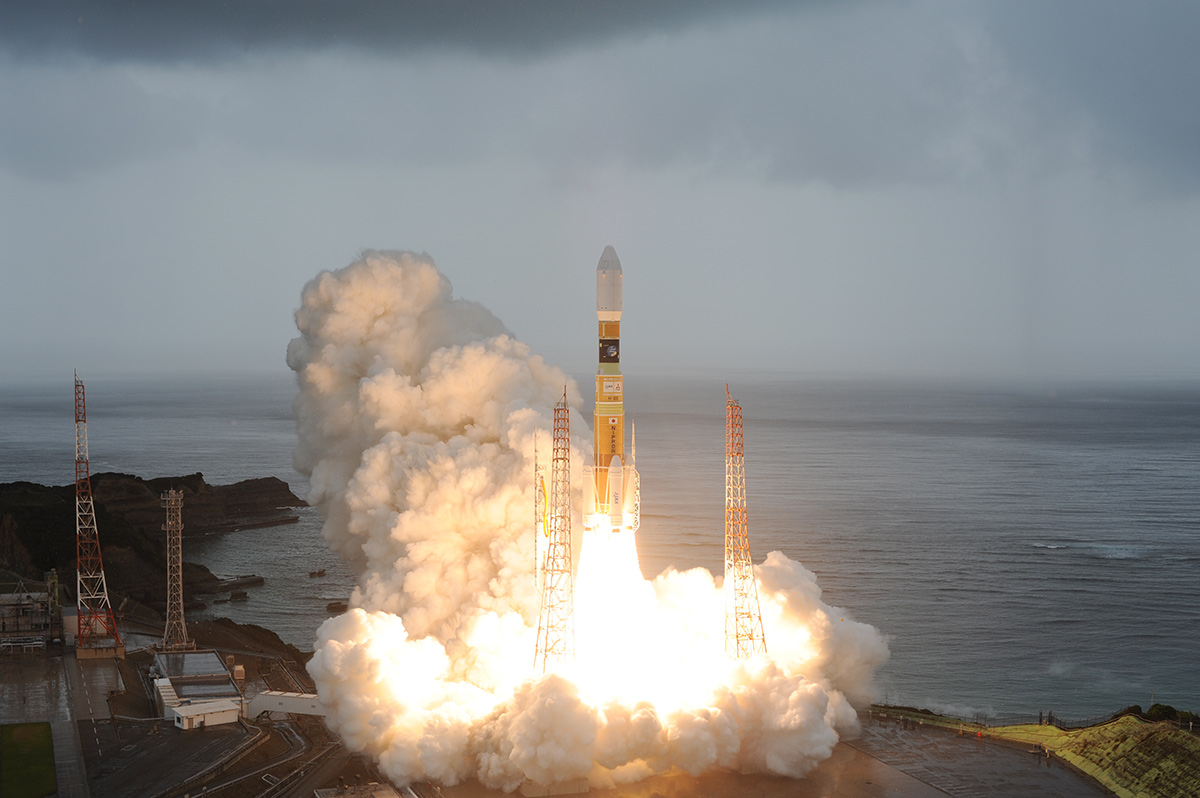
Mitsubishi Heavy Industries H-IIB 304 Rocket
H-IIB (H2B) is an expendable launch system used to launch H-II Transfer Vehicles (HTV, or Kounotori) towards the International Space Station. H-IIB rockets are liquid-fuelled with solid-fuel strap-on boosters and are launched from the Tanegashima Space Center in Japan. Mitsubishi and JAXA have been primarily responsible for design, manufacture, and operation of H-IIB.
| Length | 56.6 m |
|---|---|
| Diameter | 5.2 m |
| Stages | 2 |
| Launch Mass | 551.0 T |
| Takeoff Thrust | 9,000.0 kN |
| LEO Capacity | 16,500 kg |
| GTO Capacity | 8,000 kg |
| Launch Cost | $112,500,000 |
| Maiden Flight | 9/10/2009 |
Learn more about the Mitsubishi Heavy Industries H-IIB 304 Rocket
Mission Spacecraft
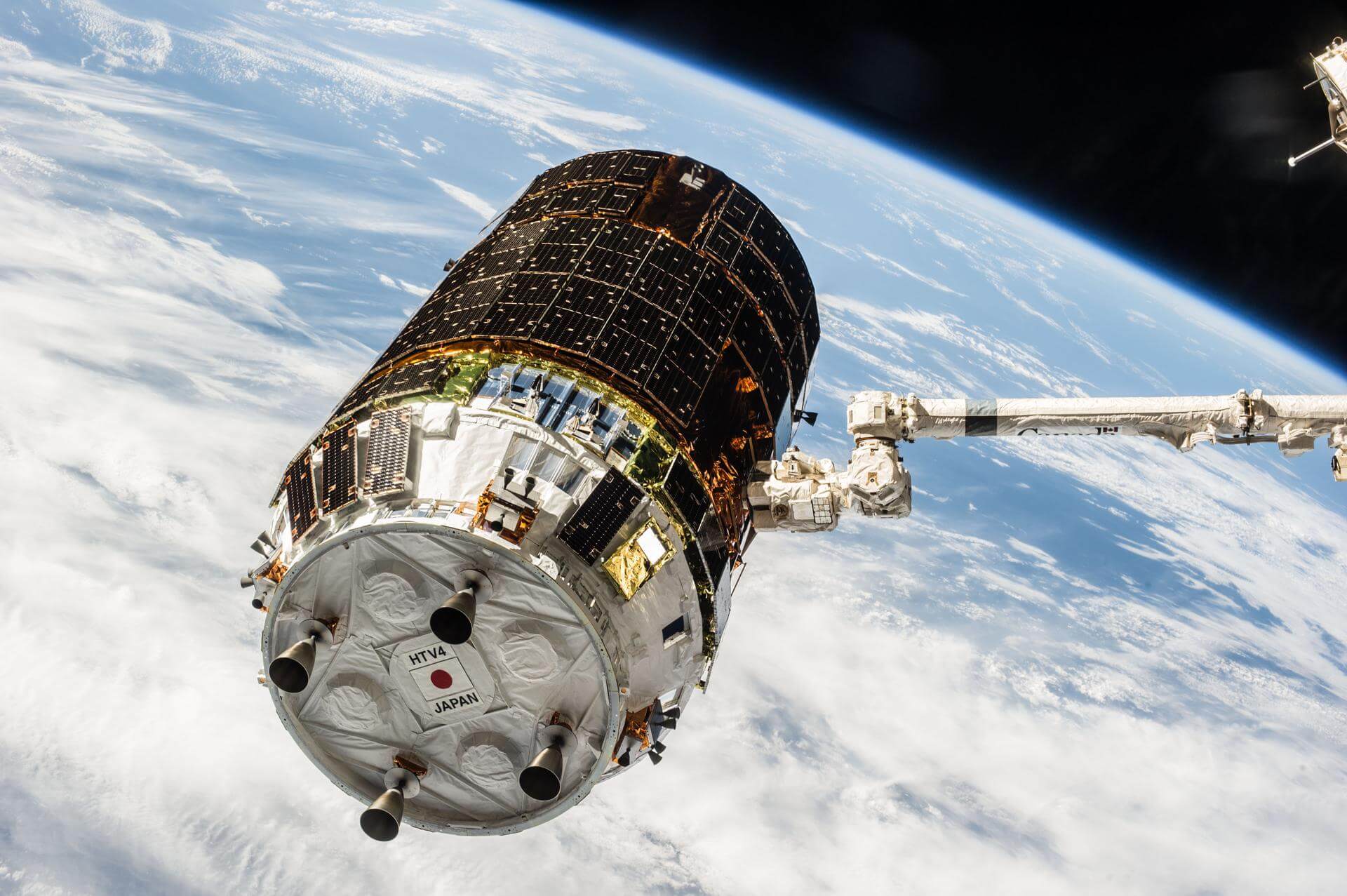
Kounotori 2
Kounotori 2 (HTV-2) was the spacecraft used for this mission. It is a Japan Aerospace Exploration Agency Cargo Resupply designed for Cargo Earth Orbit Logistics and traveled to International Space Station.
Kounotori 2 , also known as HTV-2, was launched in January 2011 and was the second Japanese H-II Transfer Vehicle to resupply the International Space Station (ISS). It was launched by the H-IIB Launch Vehicle No. 2 (H-IIB F2) manufactured by MHI and JAXA. After the supplies were unloaded, Kounotori 2 was loaded with waste material from ISS, including used experiment equipment and used clothes. Kounotori 2 was then unberthed and separated from the ISS and burned up upon reentering the atmosphere on 30 March 2011. The HTV is about 9.8 metres (32 ft) long (including maneuvering thrusters at one end) and 4.4 metres (14 ft) in diameter. Total mass when empty is 10.5 tonnes (11.6 short tons), with a maximum total payload of 6,000 kilograms (13,000 lb; 6.0 t; 6.6 short tons), for a maximum launch weight of 16.5 tonnes (18.2 short tons). The HTV is comparable in function to the Russian Progress, European ATV, commercial Dragon, and commercial Cygnus spacecraft, all of which bring supplies to the ISS. Like the ATV, the HTV carries more than twice the payload of the Progress, but is launched less than half as often. Unlike Progress capsules and ATVs, which use the docking ports automatically, HTVs and American commercial spacecraft approach the ISS in stages, and once they reach their closest parking orbit to the ISS, crew grapple them using the robotic arm Canadarm2 and berth them to an open berthing port on the Harmony module. Solo flight about 100 hours, stand-by more than a week, docked with the ISS about 30 days.
| Type | Cargo Resupply |
|---|---|
| Agency | Japan Aerospace Exploration Agency |
| Serial Number | HTV-2 |
| Status | Single Use |
| Destination | International Space Station |
| Maiden Flight | 9/10/2009 |
| Mission End | 3/30/2011 |
| Flights | 1 |
| Human Rated | No |
| Height | 9.8 m |
| Diameter | 4.4 m |
| Payload Capacity | 6,000 kg |
About Mitsubishi Heavy Industries
Mitsubishi Heavy Industries, Ltd. is a Japanese multinational engineering, electrical equipment and electronics company headquartered in Tokyo, Japan. MHI is one of the core companies of the Mitsubishi Group.
MHI's products include aerospace components, air conditioners, aircraft, automotive components, forklift trucks, hydraulic equipment, machine tools, missiles, power generation equipment, printing machines, ships and space launch vehicles. Through its defense-related activities, it is the world's 23rd-largest defense contractor measured by 2011 defense revenues and the largest based in Japan.
| Total Launches | 58 |
|---|---|
| Successful | 56 |
| Failed | 2 |
| Pending | 13 |
| Consecutive Success | 2 |

Frequently Asked Questions
When was the Mitsubishi Heavy Industries H-IIB Kounotori 2 (HTV-2) launch scheduled?
The Mitsubishi Heavy Industries H-IIB Kounotori 2 (HTV-2) launch was scheduled for:
.
Where can I watch the Mitsubishi Heavy Industries H-IIB Kounotori 2 (HTV-2) launch video?
You can watch the Mitsubishi Heavy Industries H-IIB launch video on this page. The official video includes full mission coverage with multiple camera angles, onboard views, and expert commentary covering pre-launch procedures, liftoff, stage separation, and payload deployment.
Where did the Mitsubishi Heavy Industries H-IIB Kounotori 2 (HTV-2) mission launch from?
The Mitsubishi Heavy Industries H-IIB rocket launched from Yoshinobu Launch Complex LP-2 at Tanegashima Space Center, Japan. The Tanegashima Space Center is the largest rocket-launch complex in Japan. It is located on the southeastern tip of Tanegashima, an island located south of Kyushu, an island and region and Japan. It was established in 1969 when the National Space Development Agency of Japan (NASDA) was formed, and is now run by JAXA. The activities that take place at TNSC include assembly, testing, launching, and tracking satellites, as well as rocket engine firing tests.
What rocket was used for the Kounotori 2 (HTV-2) mission?
The Kounotori 2 (HTV-2) mission launched aboard a Mitsubishi Heavy Industries H-IIB rocket. H-IIB (H2B) is an expendable launch system used to launch H-II Transfer Vehicles (HTV, or Kounotori) towards the International Space Station. H-IIB rockets are liquid-fuelled with solid-fuel strap-on boosters and are launched from the Tanegashima Space Center in Japan. Mitsubishi and JAXA have been primarily responsible for design, manufacture, and operation of H-IIB. Detailed rocket specifications and performance data are available in the rocket details above.
What weather conditions could have delayed the Mitsubishi Heavy Industries H-IIB Kounotori 2 (HTV-2) launch?
The Mitsubishi Heavy Industries H-IIB Kounotori 2 (HTV-2) launch could have been delayed by various weather conditions including lightning within 10 nautical miles, high winds (especially upper-level winds), thick cloud layers, precipitation, and poor visibility. Weather must be favorable at the launch site, downrange landing zones, and abort landing sites.
How can I get updates if the Mitsubishi Heavy Industries H-IIB Kounotori 2 (HTV-2) launch was delayed?
This page was updated in real-time with the latest Mitsubishi Heavy Industries H-IIB launch status, including any delays or scrubs for the Kounotori 2 (HTV-2) mission. You can also check our space launch schedule for historical launch information. Our mobile app provides push notifications for instant alerts about launch status changes. Official Mitsubishi Heavy Industries live streams provided the most immediate range updates during the launch window.
Last Updated
Last Updated: