
Mitsubishi Heavy Industries Hayabusa-2 H-IIA 202
Rocket Launch Video Stream
About the Hayabusa-2 Mission
| Type | Robotic Exploration |
|---|---|
| Orbit | Heliocentric N/A |
| Launch Cost | $90,000,000 |
Hayabusa2 (Japanese: はやぶさ2, "Peregrine falcon 2") is an asteroid sample-return mission operated by the Japanese space agency, JAXA. It follows on from the Hayabusa mission which returned asteroid samples in June 2010.
Hayabusa2 carries multiple science payloads for remote sensing, sampling, and four small rovers that investigated the asteroid surface to inform the environmental and geological context of the samples collected.
Launch Pad & Location
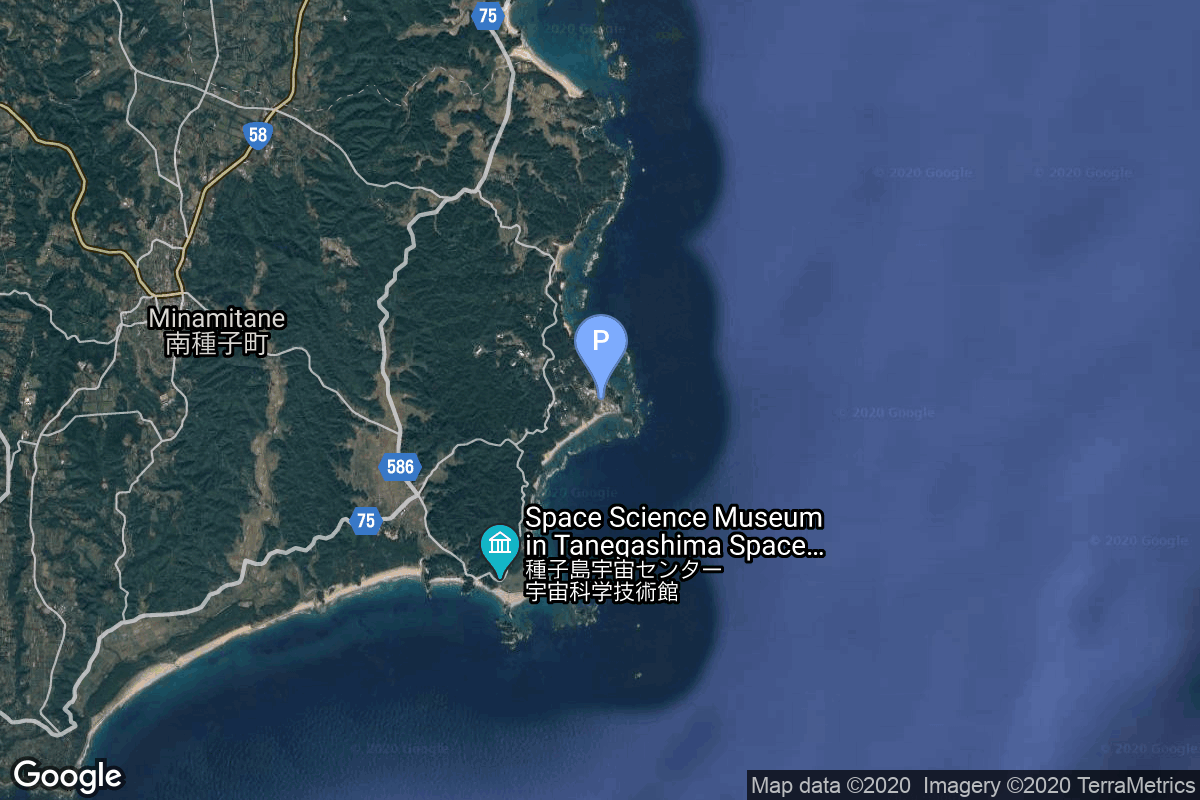
Yoshinobu Launch Complex LP-1
Tanegashima Space Center, Japan
| Launches | 57 |
|---|---|
| Orbital Launch Attempts | 57 |
| Total Launches | 97 |
The Tanegashima Space Center is the largest rocket-launch complex in Japan. It is located on the southeastern tip of Tanegashima, an island located south of Kyushu, an island and region and Japan. It was established in 1969 when the National Space Development Agency of Japan (NASDA) was formed, and is now run by JAXA. The activities that take place at TNSC include assembly, testing, launching, and tracking satellites, as well as rocket engine firing tests.
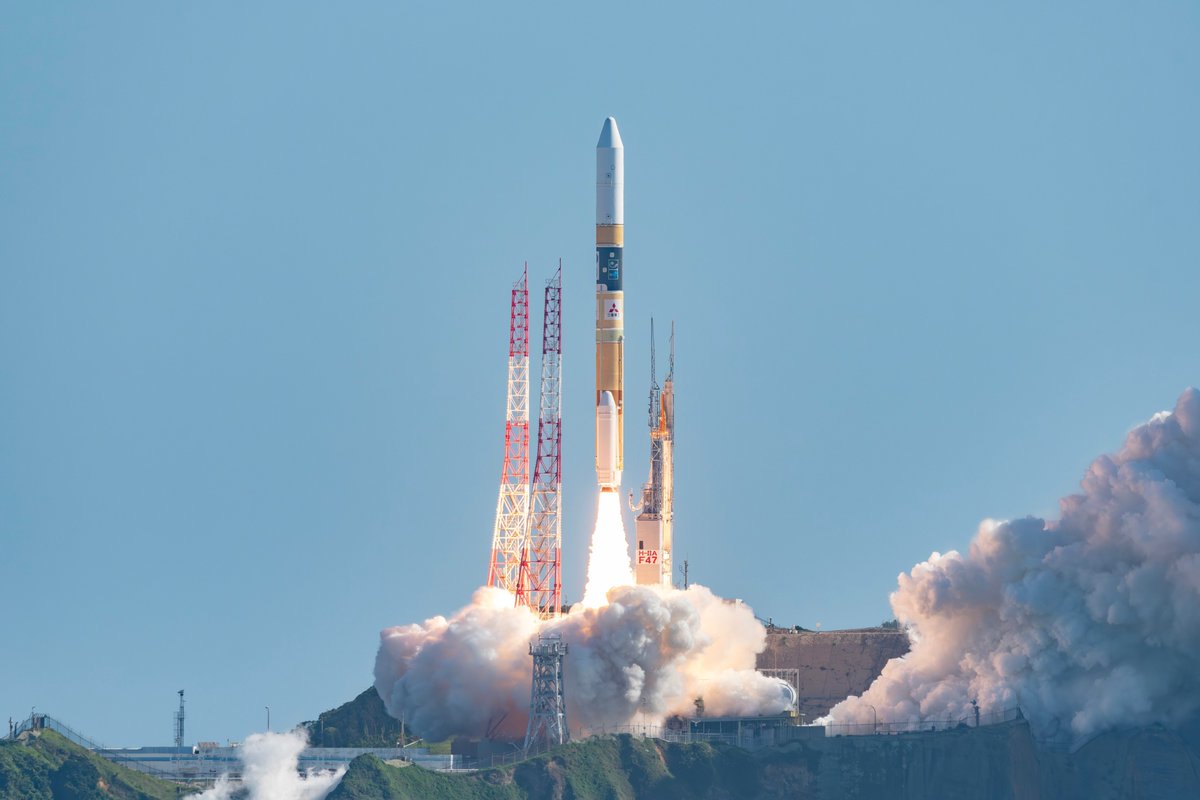
Mitsubishi Heavy Industries H-IIA 202 Rocket
H-IIA (H2A) is an active expendable launch system operated by Mitsubishi Heavy Industries (MHI) for the Japan Aerospace Exploration Agency. The liquid-fueled H-IIA rockets have been used to launch satellites into geostationary orbit, to launch a lunar orbiting spacecraft, and to launch Akatsuki, which studied the planet Venus. Launches occur at the Tanegashima Space Center.
Learn more about the Mitsubishi Heavy Industries H-IIA 202 Rocket
About Mitsubishi Heavy Industries
Mitsubishi Heavy Industries, Ltd. is a Japanese multinational engineering, electrical equipment and electronics company headquartered in Tokyo, Japan. MHI is one of the core companies of the Mitsubishi Group.
MHI's products include aerospace components, air conditioners, aircraft, automotive components, forklift trucks, hydraulic equipment, machine tools, missiles, power generation equipment, printing machines, ships and space launch vehicles. Through its defense-related activities, it is the world's 23rd-largest defense contractor measured by 2011 defense revenues and the largest based in Japan.

Frequently Asked Questions
When was the Mitsubishi Heavy Industries H-IIA Hayabusa-2 launch scheduled?
The Mitsubishi Heavy Industries H-IIA Hayabusa-2 launch was scheduled for:
.
Where can I watch the Mitsubishi Heavy Industries H-IIA Hayabusa-2 launch video?
You can watch the Mitsubishi Heavy Industries H-IIA launch video on this page. The official video includes full mission coverage with multiple camera angles, onboard views, and expert commentary covering pre-launch procedures, liftoff, stage separation, and payload deployment.
Where did the Mitsubishi Heavy Industries H-IIA Hayabusa-2 mission launch from?
The Mitsubishi Heavy Industries H-IIA rocket launched from Yoshinobu Launch Complex LP-1 at Tanegashima Space Center, Japan. The Tanegashima Space Center is the largest rocket-launch complex in Japan. It is located on the southeastern tip of Tanegashima, an island located south of Kyushu, an island and region and Japan. It was established in 1969 when the National Space Development Agency of Japan (NASDA) was formed, and is now run by JAXA. The activities that take place at TNSC include assembly, testing, launching, and tracking satellites, as well as rocket engine firing tests.
What rocket was used for the Hayabusa-2 mission?
The Hayabusa-2 mission launched aboard a Mitsubishi Heavy Industries H-IIA rocket. H-IIA (H2A) is an active expendable launch system operated by Mitsubishi Heavy Industries (MHI) for the Japan Aerospace Exploration Agency. The liquid-fueled H-IIA rockets have been used to launch satellites into geostationary orbit, to launch a lunar orbiting spacecraft, and to launch Akatsuki, which studied the planet Venus. Launches occur at the Tanegashima Space Center. Detailed rocket specifications and performance data are available in the rocket details above.
What weather conditions could have delayed the Mitsubishi Heavy Industries H-IIA Hayabusa-2 launch?
The Mitsubishi Heavy Industries H-IIA Hayabusa-2 launch could have been delayed by various weather conditions including lightning within 10 nautical miles, high winds (especially upper-level winds), thick cloud layers, precipitation, and poor visibility. Weather must be favorable at the launch site, downrange landing zones, and abort landing sites.
How can I get updates if the Mitsubishi Heavy Industries H-IIA Hayabusa-2 launch was delayed?
This page was updated in real-time with the latest Mitsubishi Heavy Industries H-IIA launch status, including any delays or scrubs for the Hayabusa-2 mission. You can also check our space launch schedule for historical launch information. Our mobile app provides push notifications for instant alerts about launch status changes. Official Mitsubishi Heavy Industries live streams provided the most immediate range updates during the launch window.
Last Updated
Last Updated: