
SpaceX Dragon Spacecraft Qualification Unit (DSQU) Falcon 9 v1.0
Rocket Launch Video Stream
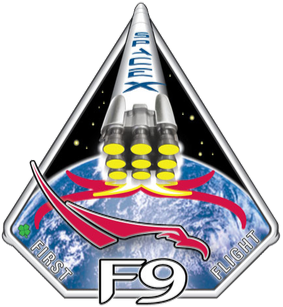
About the Dragon Spacecraft Qualification Unit (DSQU) Mission
| Type | Test Flight |
|---|---|
| Orbit | Low Earth Orbit |
| Launch Cost | $59,000,000 |
The Dragon Spacecraft Qualification Unit was a boilerplate version of the Dragon spacecraft. After using it for ground tests to rate Dragon's shape and mass in various tests, SpaceX launched it into low Earth orbit on the maiden flight of the Falcon 9 rocket. SpaceX used the launch to evaluate the aerodynamic conditions on the spacecraft and performance of the carrier rocket in a real-world launch scenario, ahead of Dragon flights for NASA under the Commercial Orbital Transportation Services program.
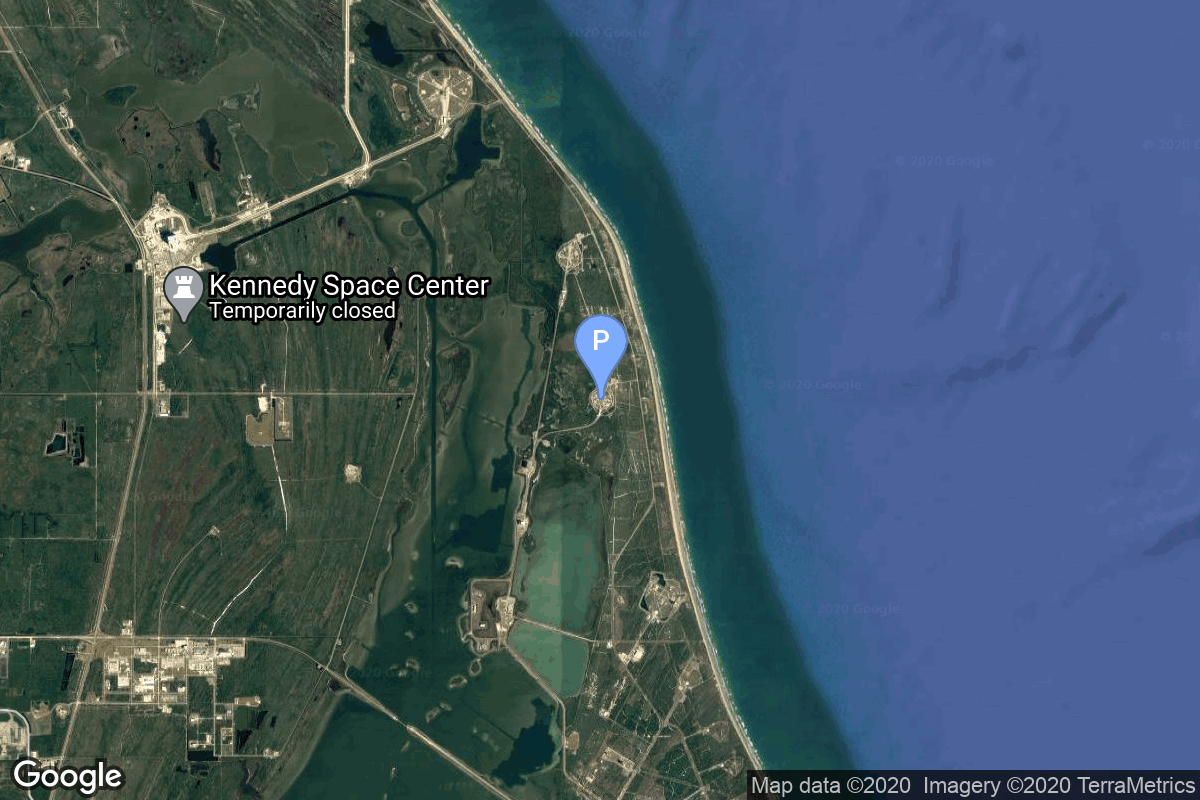
Launch Pad & Location
Space Launch Complex 40
Cape Canaveral SFS, FL, USA
| Launches | 384 |
|---|---|
| Orbital Launch Attempts | 384 |
| Total Launches | 1111 |
Cape Canaveral Space Force Station (CCSFS) is an installation of the United States Space Force's Space Launch Delta 45, located on Cape Canaveral in Brevard County, Florida.
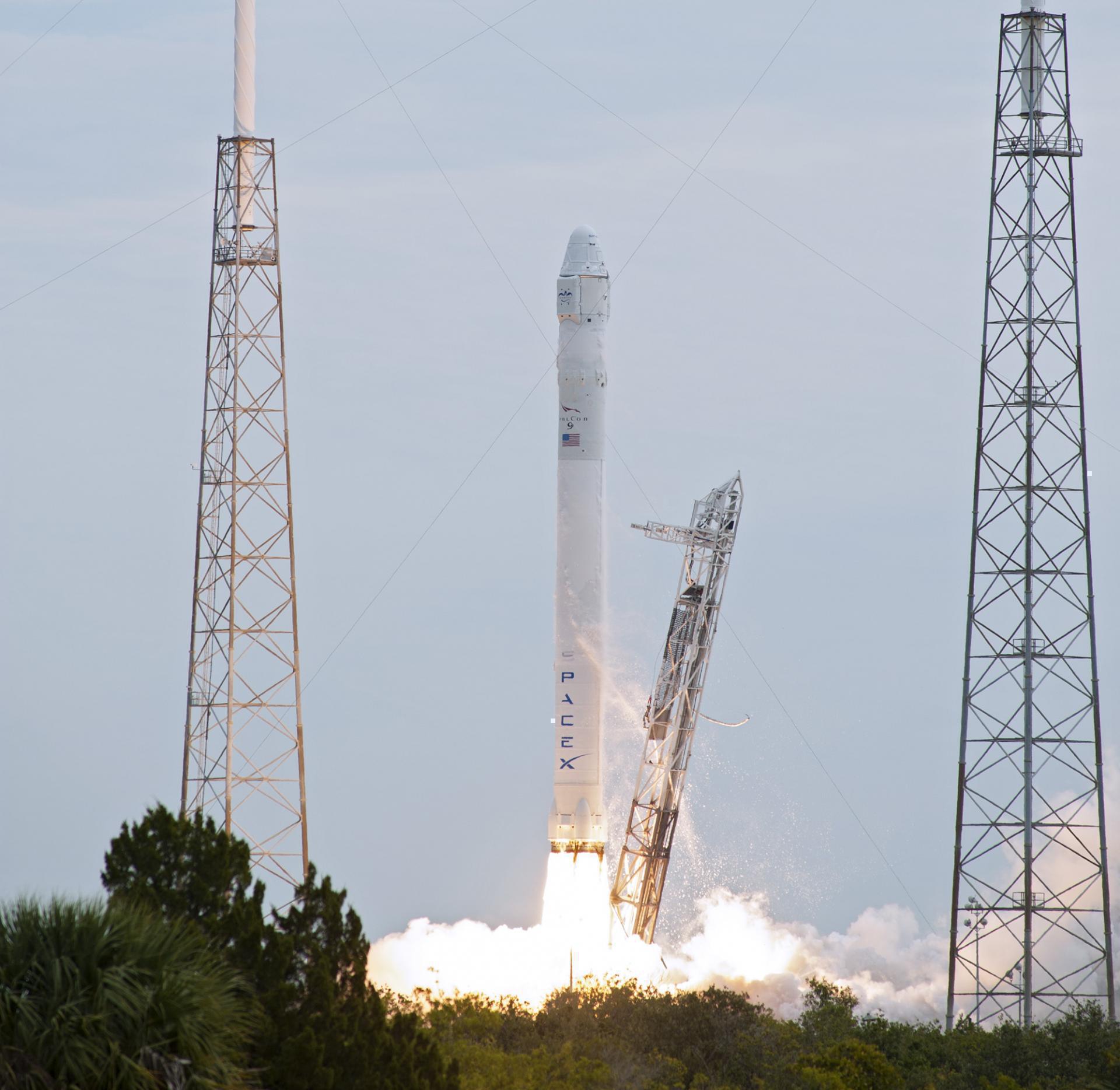
SpaceX Falcon 9 v1.0 Rocket
The Falcon 9 v1.0 first stage was used on the first five Falcon 9 launches, and powered by nine SpaceX Merlin 1C rocket engines arranged in a 3x3 pattern.
| Length | 47.8 m |
|---|---|
| Diameter | 3.7 m |
| Stages | 2 |
| Launch Mass | 318.0 T |
| Takeoff Thrust | 3,807.0 kN |
| Apogee | 200.0 km |
| LEO Capacity | 9,300 kg |
| GTO Capacity | 3,400 kg |
| Launch Cost | $59,000,000 |
| Maiden Flight | 6/4/2010 |
Booster Landing & Recovery
Core B0003
| Serial Number | B0003 |
|---|---|
| Last Flight | 06/04/2010 |
Stage Expended No parachutes were observed during descent. Apparently the Falcon 9 first stage hit the water rather hard.Observation airfcraft confirmed the debris field.
Atlantic Ocean - ATL
Atlantic Ocean
Parachute Landing - PCL
Unpowered landing using parachute(s).
Track the booster recovery and droneship return to port (opens in a new tab)
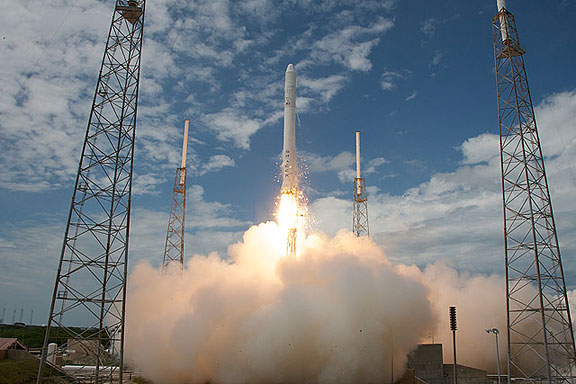
About SpaceX
Space Exploration Technologies Corp., known as SpaceX, is an American aerospace manufacturer and space transport services company headquartered in Hawthorne, California. It was founded in 2002 by entrepreneur Elon Musk with the goal of reducing space transportation costs and enabling the colonization of Mars. SpaceX operates from many pads, on the East Coast of the US they operate from SLC-40 at Cape Canaveral Space Force Station and historic LC-39A at Kennedy Space Center. They also operate from SLC-4E at Vandenberg Space Force Base, California, usually for polar launches. Another launch site is being developed at Boca Chica, Texas.
| Total Launches | 684 |
|---|---|
| Successful | 669 |
| Failed | 15 |
| Pending | 125 |
| Consecutive Success | 169 |

Frequently Asked Questions
When was the SpaceX Falcon 9 Dragon Spacecraft Qualification Unit (DSQU) launch scheduled?
The SpaceX Falcon 9 Dragon Spacecraft Qualification Unit (DSQU) launch was scheduled for:
.
Where can I watch the SpaceX Falcon 9 Dragon Spacecraft Qualification Unit (DSQU) launch video?
You can watch the SpaceX Falcon 9 launch video on this page. The official video includes full mission coverage with multiple camera angles, onboard views, and expert commentary covering pre-launch procedures, liftoff, stage separation, and payload deployment.
Where did the SpaceX Falcon 9 Dragon Spacecraft Qualification Unit (DSQU) mission launch from?
The SpaceX Falcon 9 rocket launched from Space Launch Complex 40 at Cape Canaveral SFS, FL, USA. Cape Canaveral Space Force Station (CCSFS) is an installation of the United States Space Force's Space Launch Delta 45, located on Cape Canaveral in Brevard County, Florida.
What rocket was used for the Dragon Spacecraft Qualification Unit (DSQU) mission?
The Dragon Spacecraft Qualification Unit (DSQU) mission launched aboard a SpaceX Falcon 9 rocket. The Falcon 9 v1.0 first stage was used on the first five Falcon 9 launches, and powered by nine SpaceX Merlin 1C rocket engines arranged in a 3x3 pattern. Detailed rocket specifications and performance data are available in the rocket details above.
Did the SpaceX Falcon 9 booster for Dragon Spacecraft Qualification Unit (DSQU) attempt a landing?
Yes, the Falcon 9 first stage booster attempted a Parachute Landing at a designated landing zone. Booster recovery allows SpaceX to reuse rocket components, significantly reducing launch costs. Learn more about the landing details.
What weather conditions could have delayed the SpaceX Falcon 9 Dragon Spacecraft Qualification Unit (DSQU) launch?
The SpaceX Falcon 9 Dragon Spacecraft Qualification Unit (DSQU) launch could have been delayed by various weather conditions including lightning within 10 nautical miles, high winds (especially upper-level winds), thick cloud layers, precipitation, and poor visibility. Weather must be favorable at the launch site, downrange landing zones, and abort landing sites.
How can I get updates if the SpaceX Falcon 9 Dragon Spacecraft Qualification Unit (DSQU) launch was delayed?
This page was updated in real-time with the latest SpaceX Falcon 9 launch status, including any delays or scrubs for the Dragon Spacecraft Qualification Unit (DSQU) mission. You can also check our space launch schedule for historical launch information. Our mobile app provides push notifications for instant alerts about launch status changes. Official SpaceX live streams provided the most immediate range updates during the launch window.
Last Updated
Last Updated: