
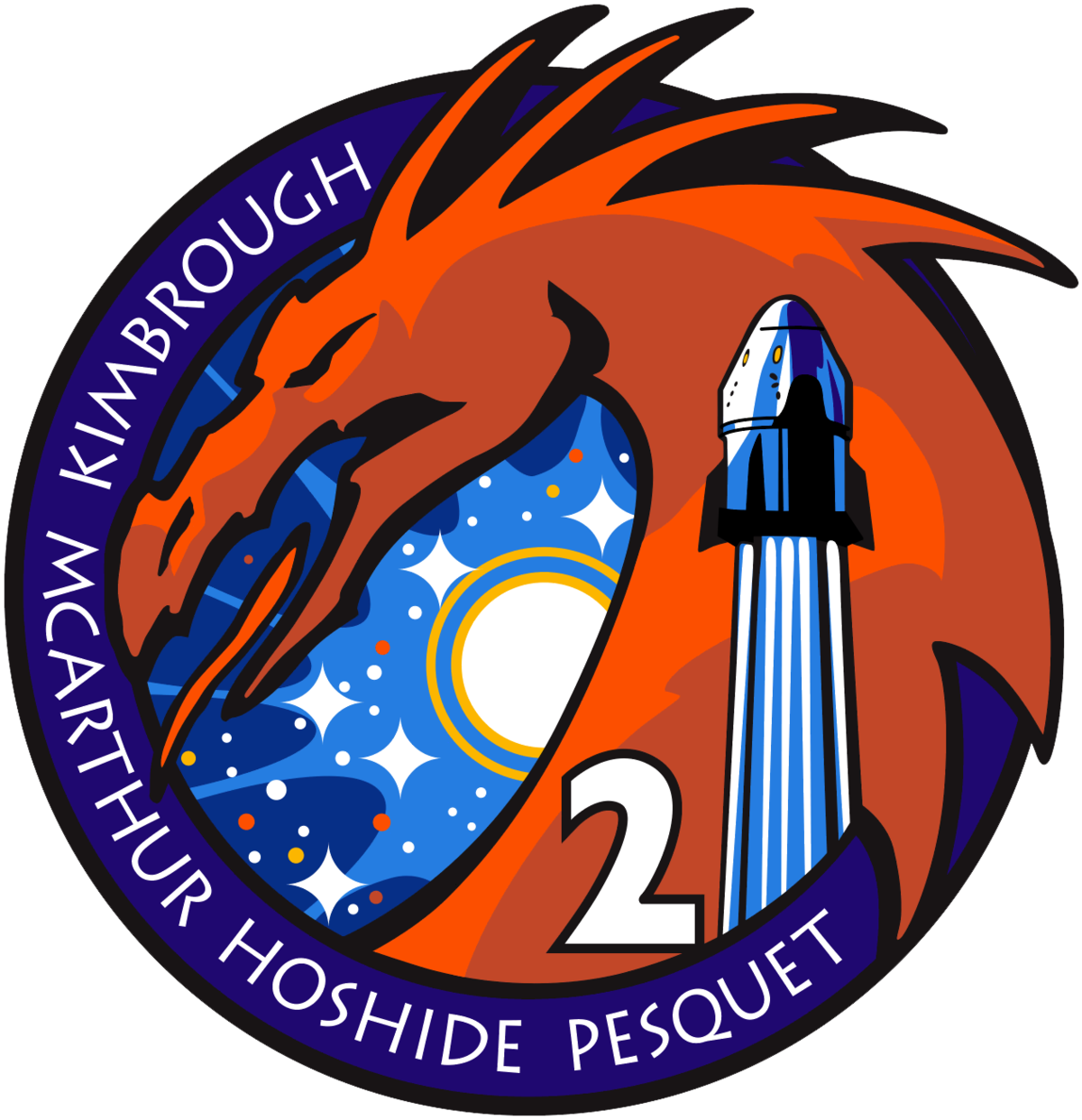
SpaceX Crew-2 Falcon 9 Block 5
Rocket Launch Video Streams
Weather Forecast During Launch
According to weather officials, there's a 95% chance of favorable weather conditions at the time of the launch.
Meet the Astronaut Crew
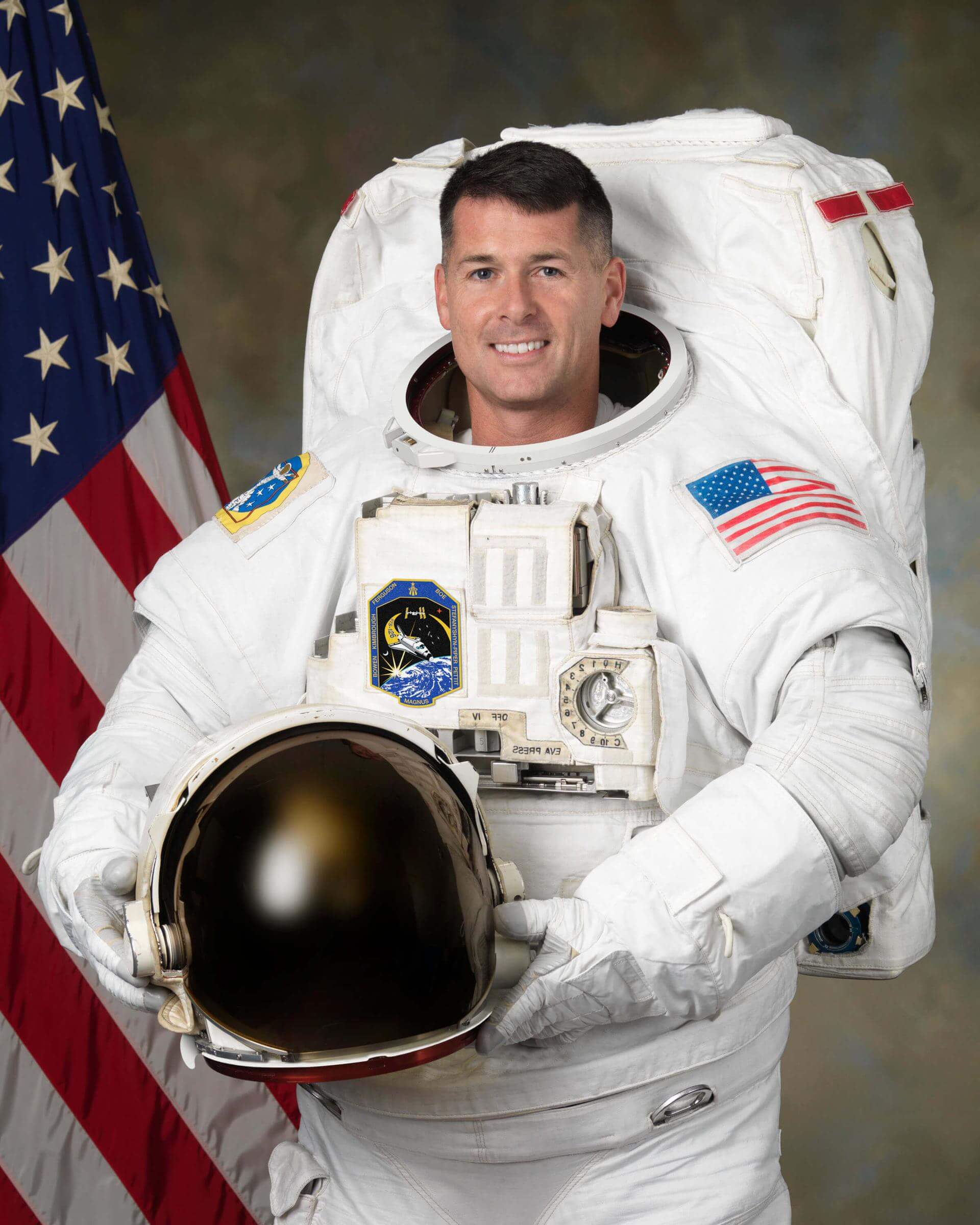
Robert S. Kimbrough
- Birthday: 06/04/1967
- Role: Spacecraft Commander
- Nationality: United States of America
- First Flight: 11/15/2008
- Last Flight: 04/23/2021
Robert Shane Kimbrough is a retired United States Army officer, and a NASA astronaut. He was part of the first group of candi...
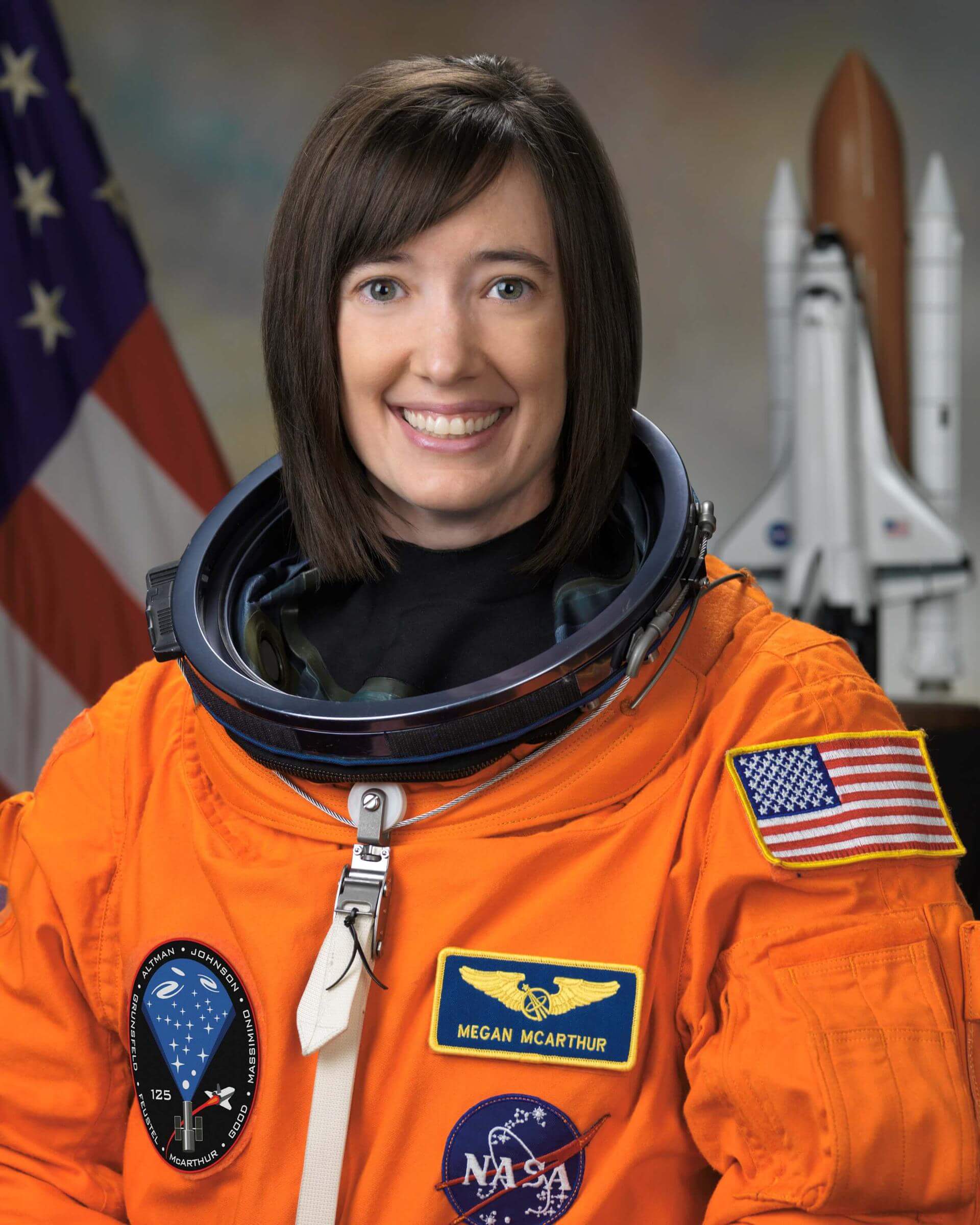
K. Megan McArthur
- Birthday: 08/30/1971
- Role: Pilot
- Nationality: United States of America
- First Flight: 05/11/2009
- Last Flight: 04/23/2021
Katherine Megan McArthur is an American oceanographer and a National Aeronautics and Space Administration (NASA) astronaut. S...
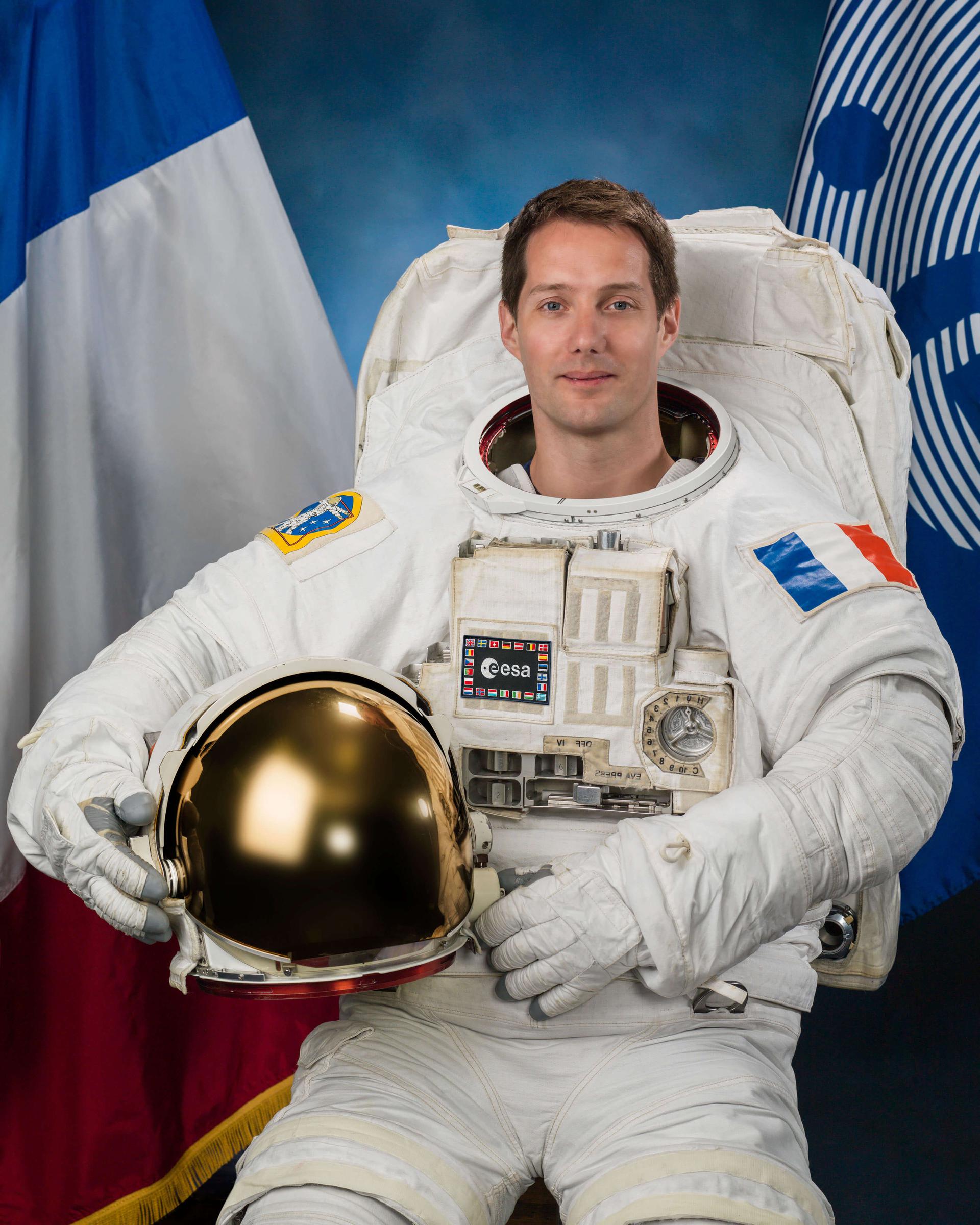
Thomas Pesquet
- Birthday: 02/27/1978
- Role: Mission Specialist
- Nationality: France
- First Flight: 11/17/2016
- Last Flight: 04/23/2021
Thomas Gautier Pesquet is a French aerospace engineer, pilot, and European Space Agency astronaut. Pesquet was selected by ES...
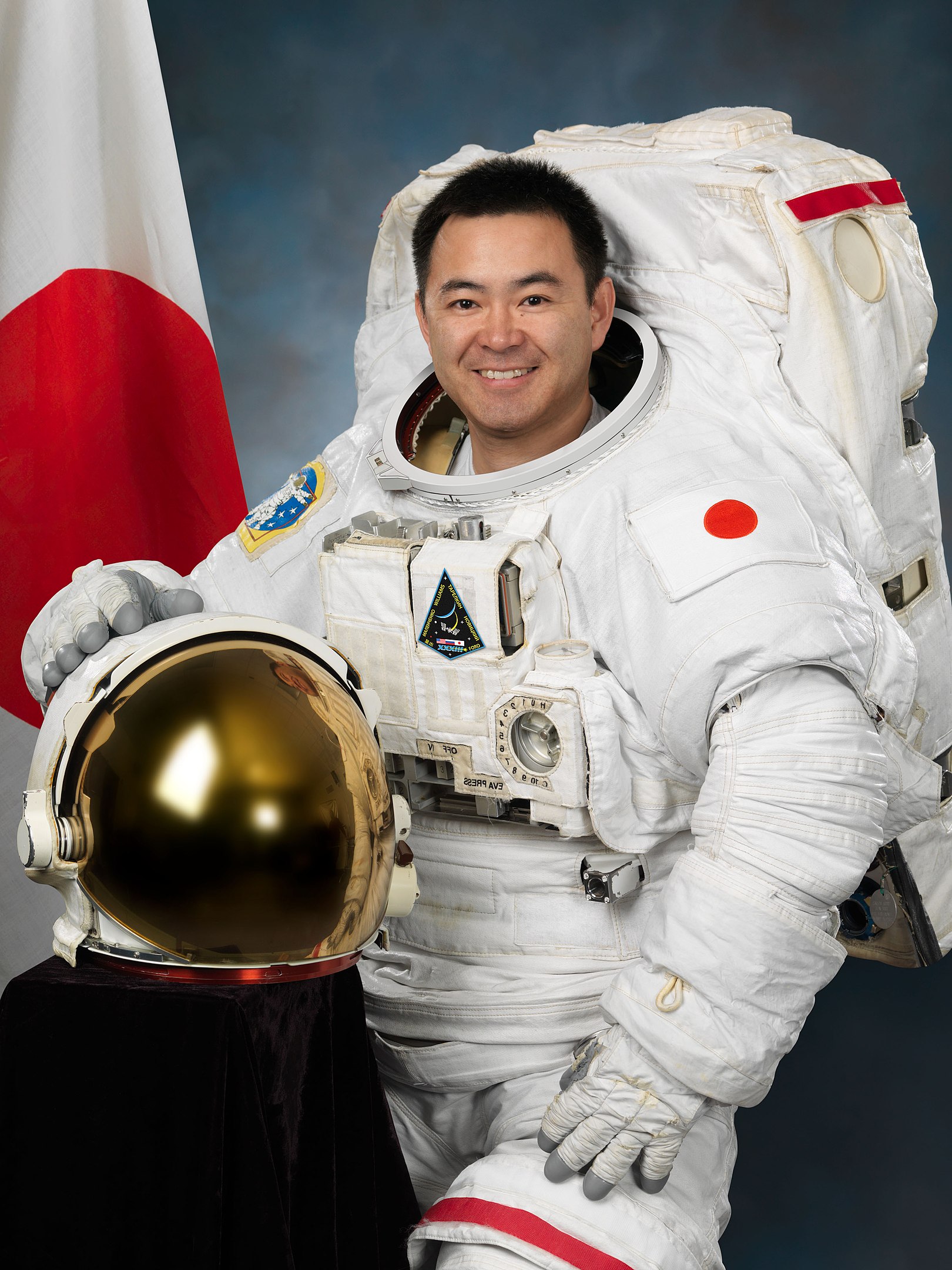
Akihiko Hoshide
- Birthday: 12/28/1968
- Role: Mission Specialist
- Nationality: Japan
- First Flight: 05/31/2008
- Last Flight: 04/23/2021
Akihiko Hoshide is a Japanese engineer and JAXA astronaut. On August 30, 2012, Hoshide became the third Japanese astronaut to...
About the Crew-2 Mission
- Type: Human Exploration
- Orbit: Low Earth Orbit
- Launch Cost: $52,000,000
SpaceX Crew-2 is the second crewed operational flight of a Crew Dragon spacecraft to the International Space Station as part of NASA's Commercial Crew Program. It used the same Falcon 9 first stage as the Crew-1 mission and the same Crew Dragon capsule as the Demo-2 mission (Endeavour).
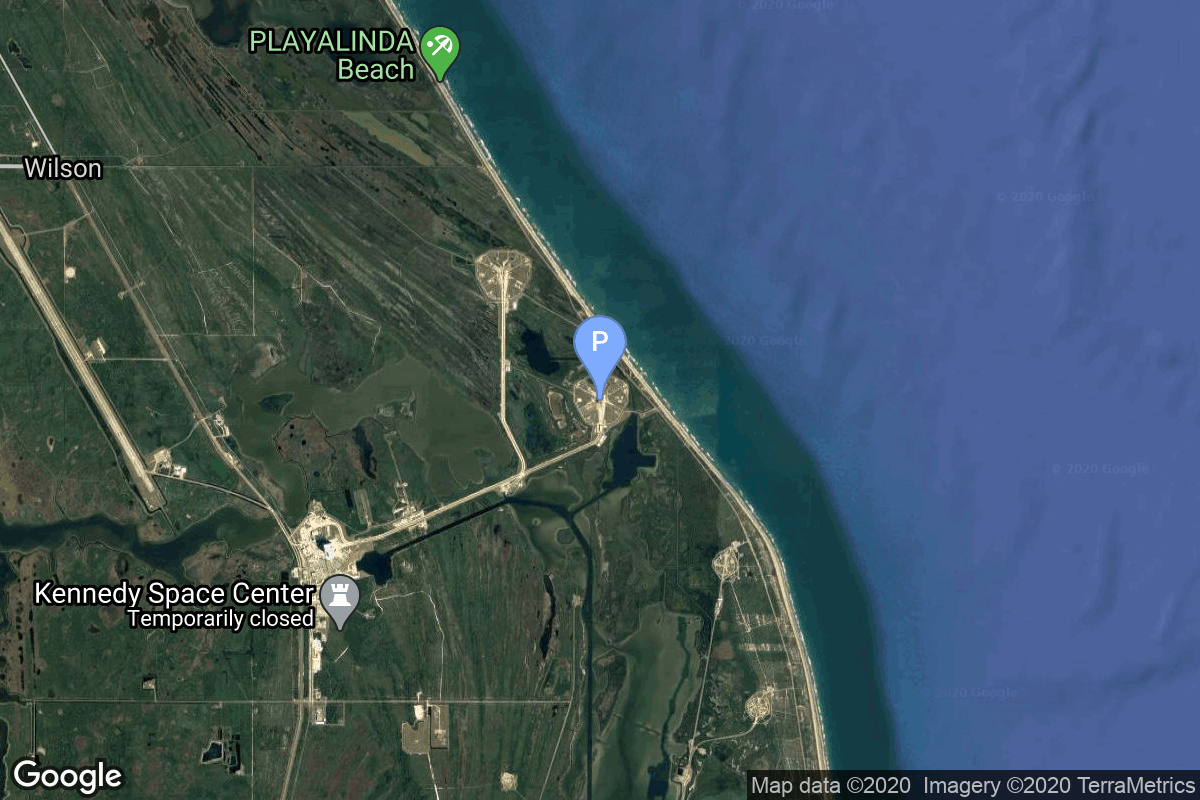
Launch Pad & Location
Launch Complex 39A
Kennedy Space Center, FL, USA
The Launch Complex 39A launch pad has hosted 222 rocket launches, including 221 orbital launch attempts. The Kennedy Space Center, FL, USA launch site has been the location for 281 total rocket launches.
The John F. Kennedy Space Center, located on Merritt Island, Florida, is one of NASA's ten field centers. Since 1968, KSC has been NASA's primary launch center of American spaceflight, research, and technology. Launch operations for the Apollo, Skylab and Space Shuttle programs were carried out from Kennedy Space Center Launch Complex 39 and managed by KSC. Located on the east coast of Florida, KSC is adjacent to Cape Canaveral Space Force Station (CCSFS).
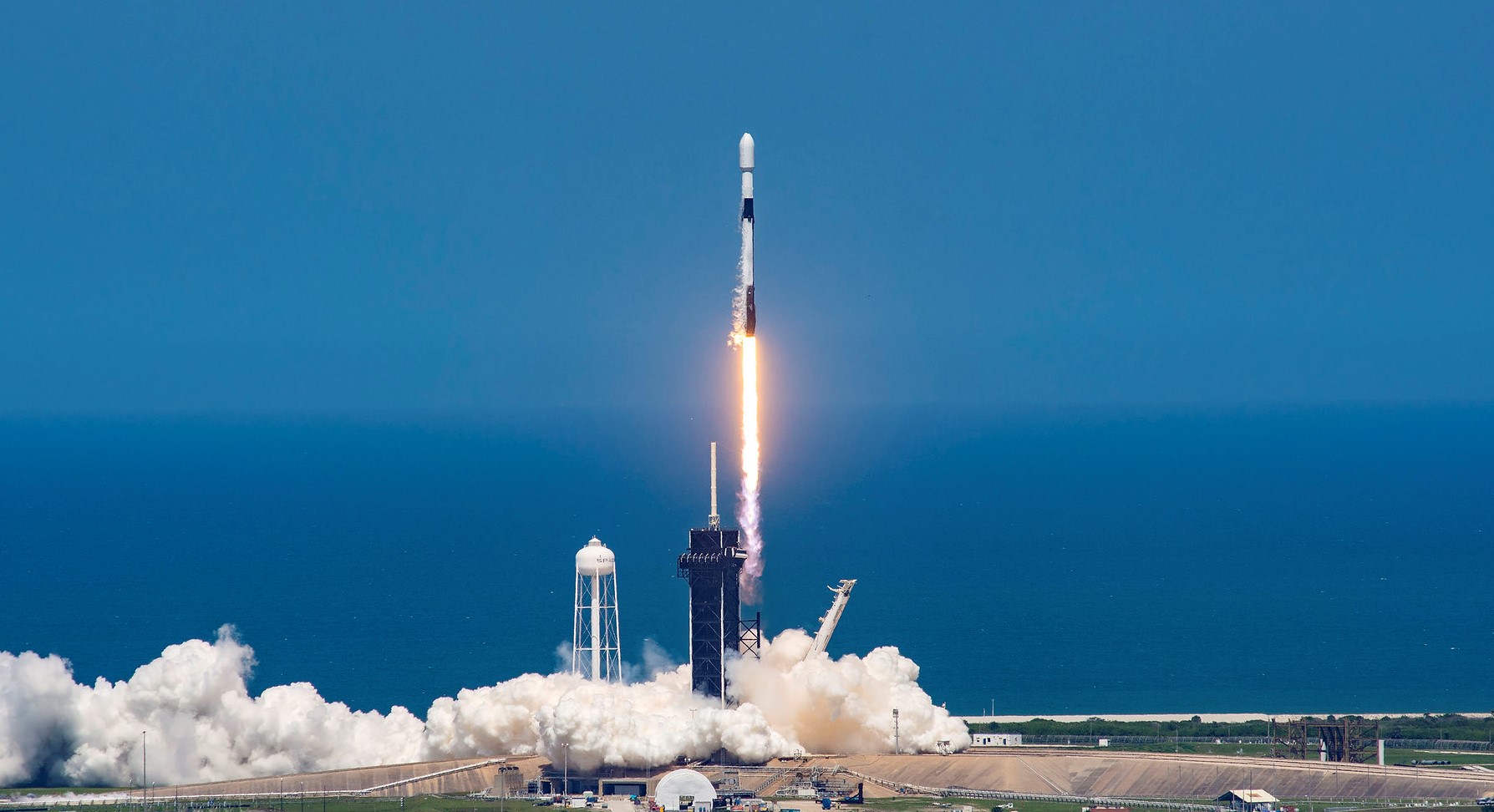
SpaceX Falcon 9 Block 5 Rocket
Falcon 9 is a two-stage rocket designed and manufactured by SpaceX for the reliable and safe transport of satellites and the Dragon spacecraft into orbit. The Block 5 variant is the fifth major interval aimed at improving upon the ability for rapid reusability.
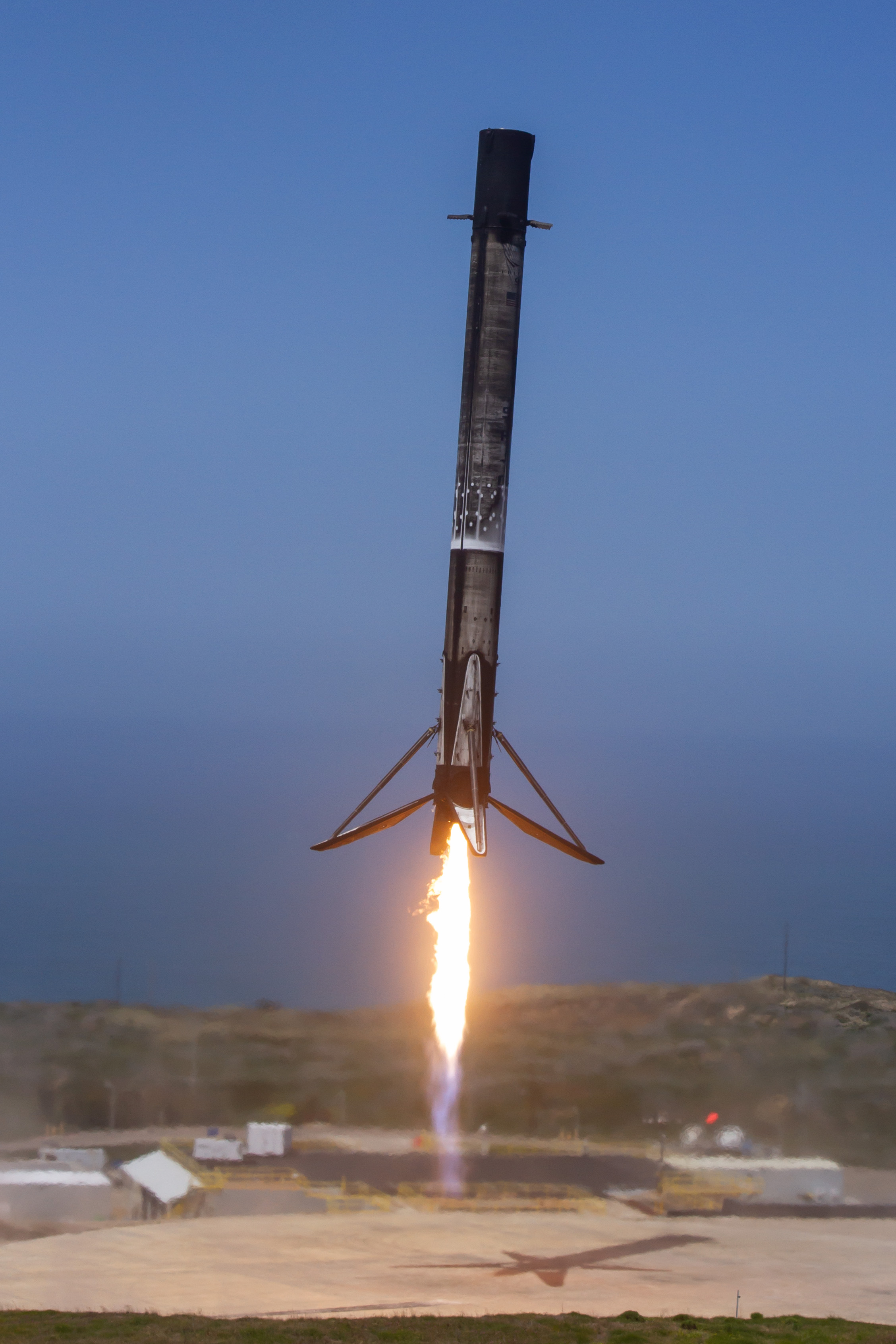
Booster Landing & Recovery
Core B1061
B1061 has successfully landed on ASDS OCISLY after its second flight. Reusable booster B1061 last flew on 10/07/2024 and has completed 22 successful launch and landing missions. Booster which launched Crew-1, Crew-2 and IXPE. Expended for the launch of Hera.
Of Course I Still Love You - OCISLY
The second ASDS barge, Of Course I Still Love You (OCISLY) services launches in the Pacific Ocean and was the site of the first landing of a SpaceX Falcon 9 first stage during CRS-8, the launch of a Dragon spacecraft to the International Space Station.
Autonomous Spaceport Drone Ship - ASDS
An autonomous spaceport drone ship (ASDS) is an ocean-going vessel derived from a deck barge, outfitted with station-keeping engines and a large landing platform. Construction of such ships was commissioned by aerospace company SpaceX to allow for recovery of rocket first-stages at sea for high-velocity missions which do not carry enough fuel to return to the launch site after lofting spacecraft onto an orbital trajectory.
About SpaceX
Space Exploration Technologies Corp., known as SpaceX, is an American aerospace manufacturer and space transport services company headquartered in Hawthorne, California. It was founded in 2002 by entrepreneur Elon Musk with the goal of reducing space transportation costs and enabling the colonization of Mars. SpaceX operates from many pads, on the East Coast of the US they operate from SLC-40 at Cape Canaveral Space Force Station and historic LC-39A at Kennedy Space Center. They also operate from SLC-4E at Vandenberg Space Force Base, California, usually for polar launches. Another launch site is being developed at Boca Chica, Texas.

Frequently Asked Questions
When was the SpaceX Falcon 9 Crew-2 launch scheduled?
The SpaceX Falcon 9 Crew-2 launch was scheduled for:
.
Where can I watch the SpaceX Falcon 9 Crew-2 launch video?
You can watch the SpaceX Falcon 9 launch video on this page. The official video includes full mission coverage with multiple camera angles, onboard views, and expert commentary covering pre-launch procedures, liftoff, stage separation, and payload deployment.
Where did the SpaceX Falcon 9 Crew-2 mission launch from?
The SpaceX Falcon 9 rocket launched from Launch Complex 39A at Kennedy Space Center, FL, USA. The John F. Kennedy Space Center, located on Merritt Island, Florida, is one of NASA's ten field centers. Since 1968, KSC has been NASA's primary launch center of American spaceflight, research, and technology. Launch operations for the Apollo, Skylab and Space Shuttle programs were carried out from Kennedy Space Center Launch Complex 39 and managed by KSC. Located on the east coast of Florida, KSC is adjacent to Cape Canaveral Space Force Station (CCSFS).
What rocket was used for the Crew-2 mission?
The Crew-2 mission launched aboard a SpaceX Falcon 9 rocket. Falcon 9 is a two-stage rocket designed and manufactured by SpaceX for the reliable and safe transport of satellites and the Dragon spacecraft into orbit. The Block 5 variant is the fifth major interval aimed at improving upon the ability for rapid reusability. Detailed rocket specifications and performance data are available in the rocket details above.
Did the SpaceX Falcon 9 booster for Crew-2 attempt a landing?
Yes, the Falcon 9 first stage booster attempted a Autonomous Spaceport Drone Ship at a designated landing zone. Booster recovery allows SpaceX to reuse rocket components, significantly reducing launch costs. Learn more about the landing details.
What weather conditions could have delayed the SpaceX Falcon 9 Crew-2 launch?
The SpaceX Falcon 9 Crew-2 launch could have been delayed by various weather conditions including lightning within 10 nautical miles, high winds (especially upper-level winds), thick cloud layers, precipitation, and poor visibility. Weather must be favorable at the launch site, downrange landing zones, and abort landing sites.
How can I get updates if the SpaceX Falcon 9 Crew-2 launch was delayed?
This page was updated in real-time with the latest SpaceX Falcon 9 launch status, including any delays or scrubs for the Crew-2 mission. You can also check our space launch schedule for historical launch information. Our mobile app provides push notifications for instant alerts about launch status changes. Official SpaceX live streams provided the most immediate range updates during the launch window.