Bridging The Swarm (NeonSat-1A)
Electron
Rocket Lab
Rocket Launch Videos
Weather Forecast During Launch
According to weather officials, there's a 100% chance of favorable weather conditions at the time of the launch.
Rocket Launch Timeline
Enhance your rocket launch experience with a detailed timeline! From pre-launch preparations to post-launch milestones, a well-structured schedule ensures every step—payload prep, safety checks, and liftoff—runs smoothly. Stay informed and follow the action with precision.
| T- 00 : 02 : 00 | Startup The onboard computer takes control over the countdown and runs last checks |
| T- 00 : 00 : 02 | Ignition Start of the engine ignition sequence |
| T+ 00 : 00 : 00 | Liftoff First upwards movement of the rocket |
| T+ 00 : 00 : 56 | Supersonic Vehicle is supersonic |
| T+ 00 : 01 : 07 | Max-Q Maximum dynamic pressure |
| T+ 00 : 02 : 37 | MECO Cut-off of the main engine |
| T+ 00 : 02 : 40 | Stage 2 Separation Separation of the second stage from the first |
| T+ 00 : 02 : 43 | SES Start of the second engine |
| T+ 00 : 03 : 41 | Fairing Separation Separation of the payload fairing |
| T+ 00 : 06 : 35 | Battery Hotswap Electron Second stages switches to a new set of batteries and jettisons the depleted ones. |
| T+ 00 : 09 : 07 | SECO Cut-off of the second engine |
| T+ 00 : 09 : 11 | Kick Stage Separation Separation of the kick stage from the previous stage |
| T+ 00 : 51 : 13 | Kick Stage Ignition Start of the kick stage engine |
| T+ 00 : 53 : 08 | Kick Stage Cut-off Cut-off of the kick stage engine |
| T+ 00 : 53 : 58 | Payload Separation Final deployment of the payload from the rocket |
Mission
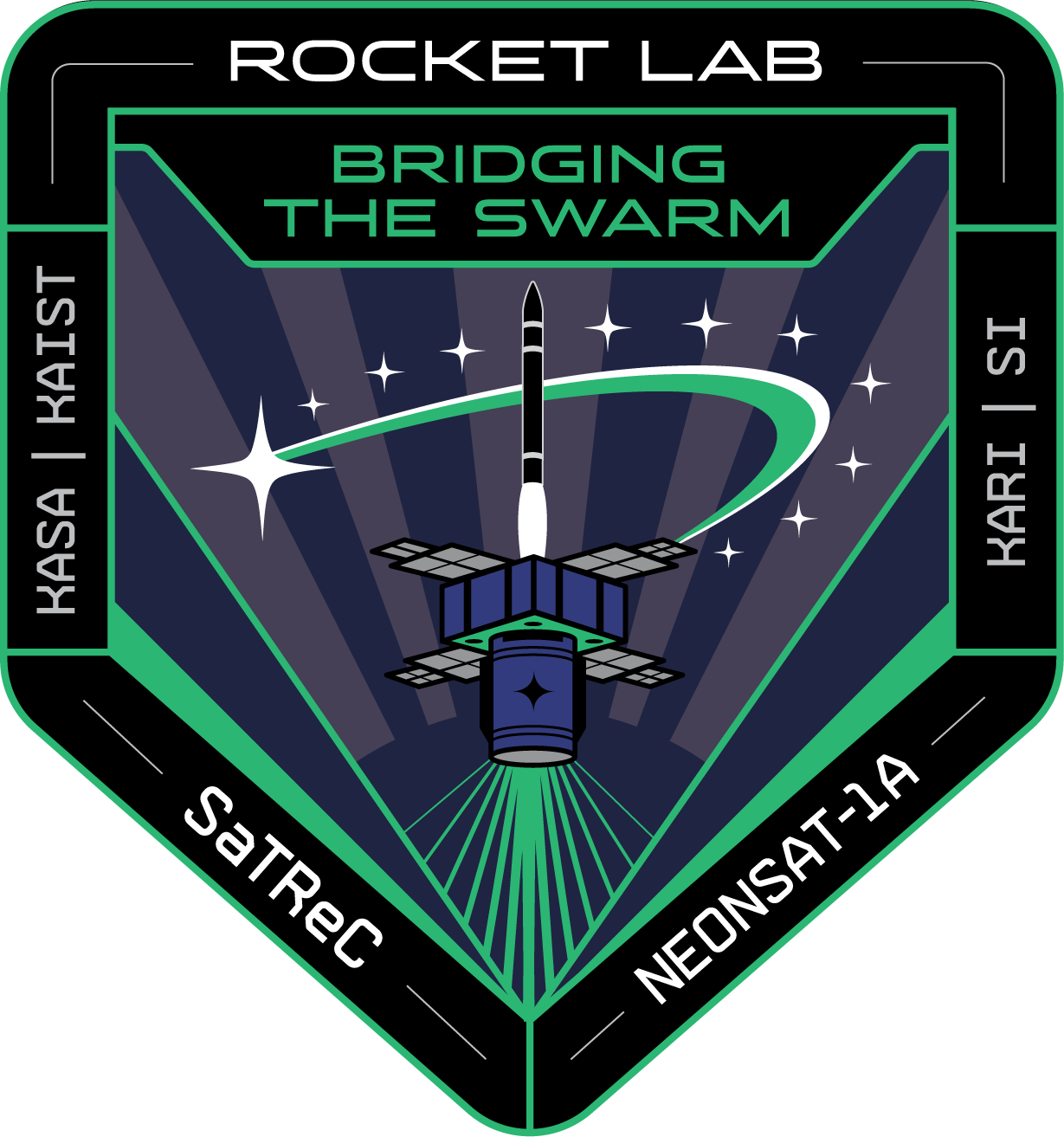
Bridging The Swarm (NeonSat-1A)
- Type: Earth Science
- Orbit: Sun-Synchronous Orbit
- Launch Cost: $6,000,000
The NeonSat-1A, carrying a high-resolution optical camera, is designed to test the constellation capabilities of the South Korean government's Earth observation micro-satellite constellation NeonSat (New-space Earth Observation Satellite), in particular technology improvements identified from operations of NeonSat-1 after its launch in April 2024. These technologies will in turn be incorporated into the next 10 NeonSat under construction, as well as providing more site re-visiting capabilities along with NeonSat-1.
The NeonSat constellation is the first satellite system developed by the government using a mass-production approach for precise monitoring of the Korean Peninsula, lead by the Satellite Technology Research Center (SaTReC) at the Korea Advanced Institute of Science and Technology (KAIST), Korea’s leading university dedicated to science and technology. Designed to capture near-real time natural disaster monitoring for the Korean peninsula, KAIST’s NEONSAT constellation is a collaboration across multiple Korean academic, industry, and research institutions, including SaTReC, which is leading the program’s system design and engineering.
The NEONSAT program is funded by the Korean government’s Ministry of Science and ICT (MSIT).
Location
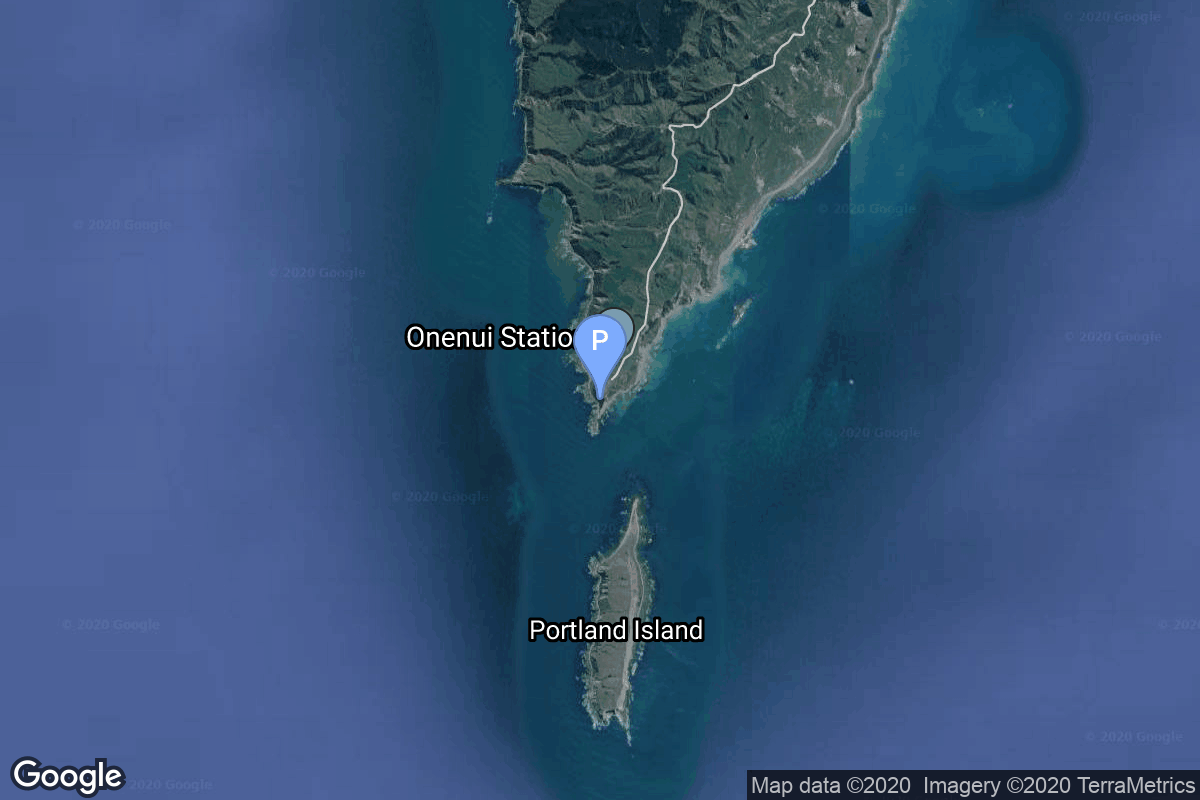
Rocket Lab Launch Complex 1A
Rocket Lab Launch Complex 1, Mahia Peninsula, New Zealand
Rocket Lab Launch Complex 1A has witnessed the launch of 38 rockets, including 38 orbital launch attempts. While Rocket Lab Launch Complex 1, Mahia Peninsula, New Zealand, has been the site for 72 rocket launches.
Rocket Lab Launch Complex 1 is a commercial spaceport located close to Ahuriri Point at the southern tip of Māhia Peninsula, on the east coast of New Zealand's North Island. It is owned and operated by private spaceflight company Rocket Lab and supports launches of the company's Electron rocket for small satellites. With the launch of Electron on 25 May 2017, it became the first private spaceport to host an orbital launch attempt, and the first site in New Zealand to host an orbital launch attempt. With the Electron launch of 21 January 2018, it became the first private spaceport to host a successful orbital launch.
Rocket
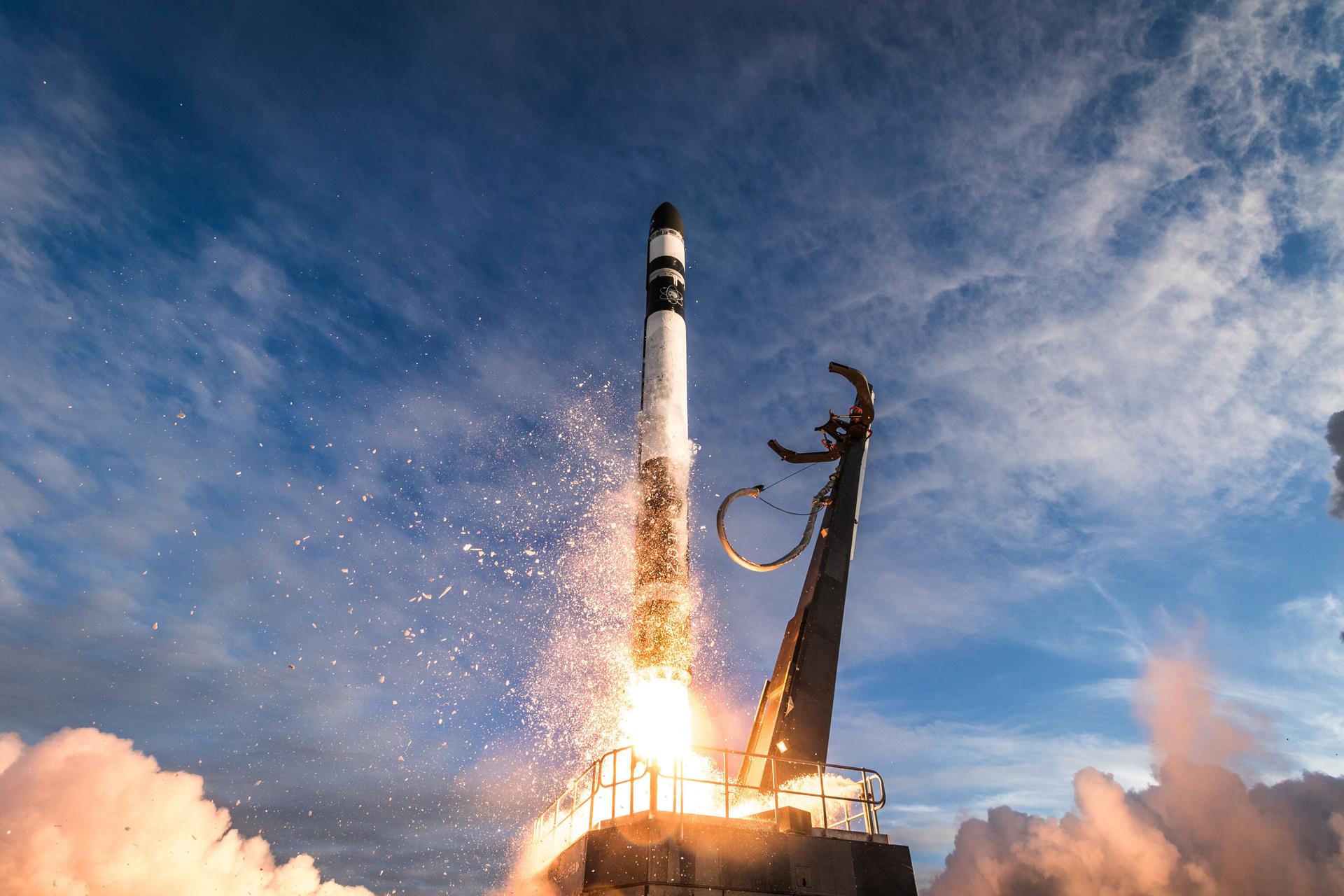
Rocket Lab Electron
Electron is a two-stage orbital expendable launch vehicle (with an optional third stage) developed by the American aerospace company Rocket Lab. Electron is a small-lift launch vehicle designed to launch small satellites and cubesats to sun-synchronous orbit and low earth orbit. The Electron is the first orbital class rocket to use electric-pump-fed engines, powered by the 9 Rutherford engines on the first stage. It is also used as a suborbital testbed (called HASTE) for hypersonics research.
Agency
Rocket Lab
Rocket Lab is an American aerospace manufacturer with a wholly owned New Zealand subsidiary. The company develops lightweight, cost-effective commercial rocket launch services. The Electron Program was founded on the premise that small payloads such as CubeSats require dedicated small launch vehicles and flexibility not currently offered by traditional rocket systems. Its rocket, the Electron, is a light-weight rocket and is now operating commercially. The company is also producing a variety of spacecrafts and spacecrafts components.