
ULA EFT-1 Delta IV Heavy
Rocket Launch Video Stream
About the EFT-1 Mission
| Type | Test Flight |
|---|---|
| Orbit | Low Earth Orbit |
| Launch Cost | $350,000,000 |
Exploration Flight Test-1 was the first test flight of the Orion Multi-Purpose Crew Vehicle. The spacecraft was flown on a Delta IV Heavy to orbit, intending to test systems in preparation for future flights.

Launch Pad & Location
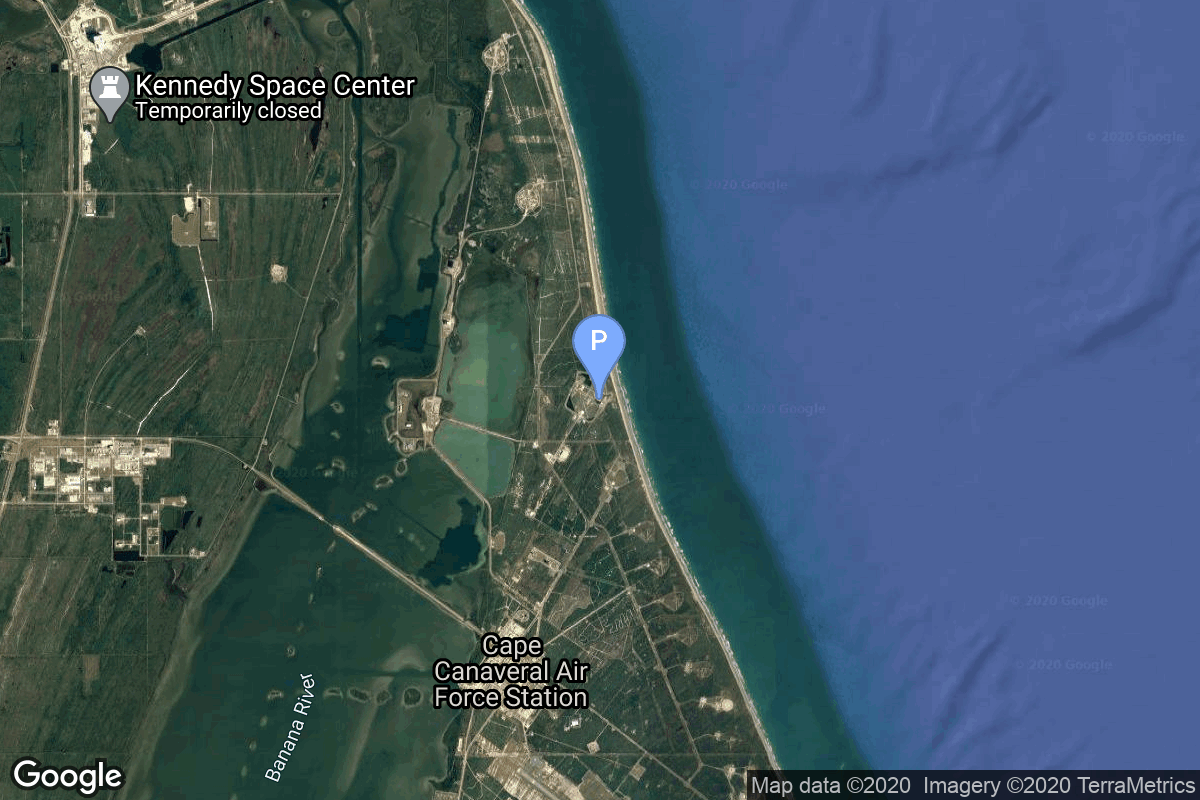
Space Launch Complex 37B
Cape Canaveral SFS, FL, USA
| Launches | 40 |
|---|---|
| Orbital Launch Attempts | 40 |
| Total Launches | 1130 |
Cape Canaveral Space Force Station (CCSFS) is an installation of the United States Space Force's Space Launch Delta 45, located on Cape Canaveral in Brevard County, Florida.
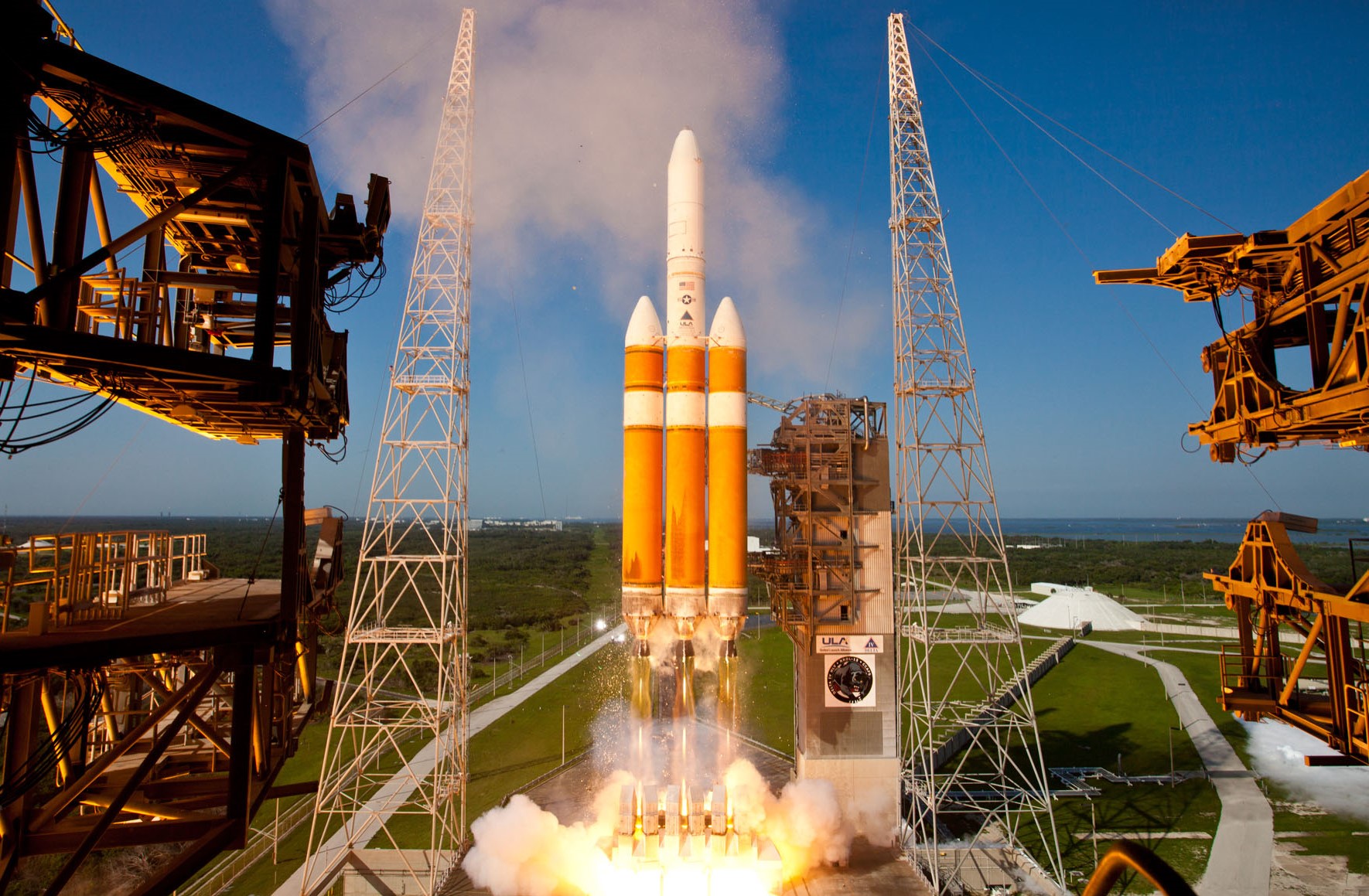
ULA Delta IV Heavy Rocket
The Delta IV Heavy (Delta 9250H) is an expendable heavy-lift launch vehicle, the largest type of the Delta IV family, and is the world's second highest-capacity rocket in operation. It is manufactured by United Launch Alliance and was first launched in 2004.
| Length | 72.0 m |
|---|---|
| Diameter | 5.0 m |
| Stages | 2 |
| Launch Mass | 733.0 T |
| Takeoff Thrust | 8,674.0 kN |
| Apogee | 40,000.0 km |
| LEO Capacity | 28,370 kg |
| GTO Capacity | 14,210 kg |
| GEO Capacity | 14,500 kg |
| Launch Cost | $350,000,000 |
| Maiden Flight | 12/21/2004 |
Mission Spacecraft
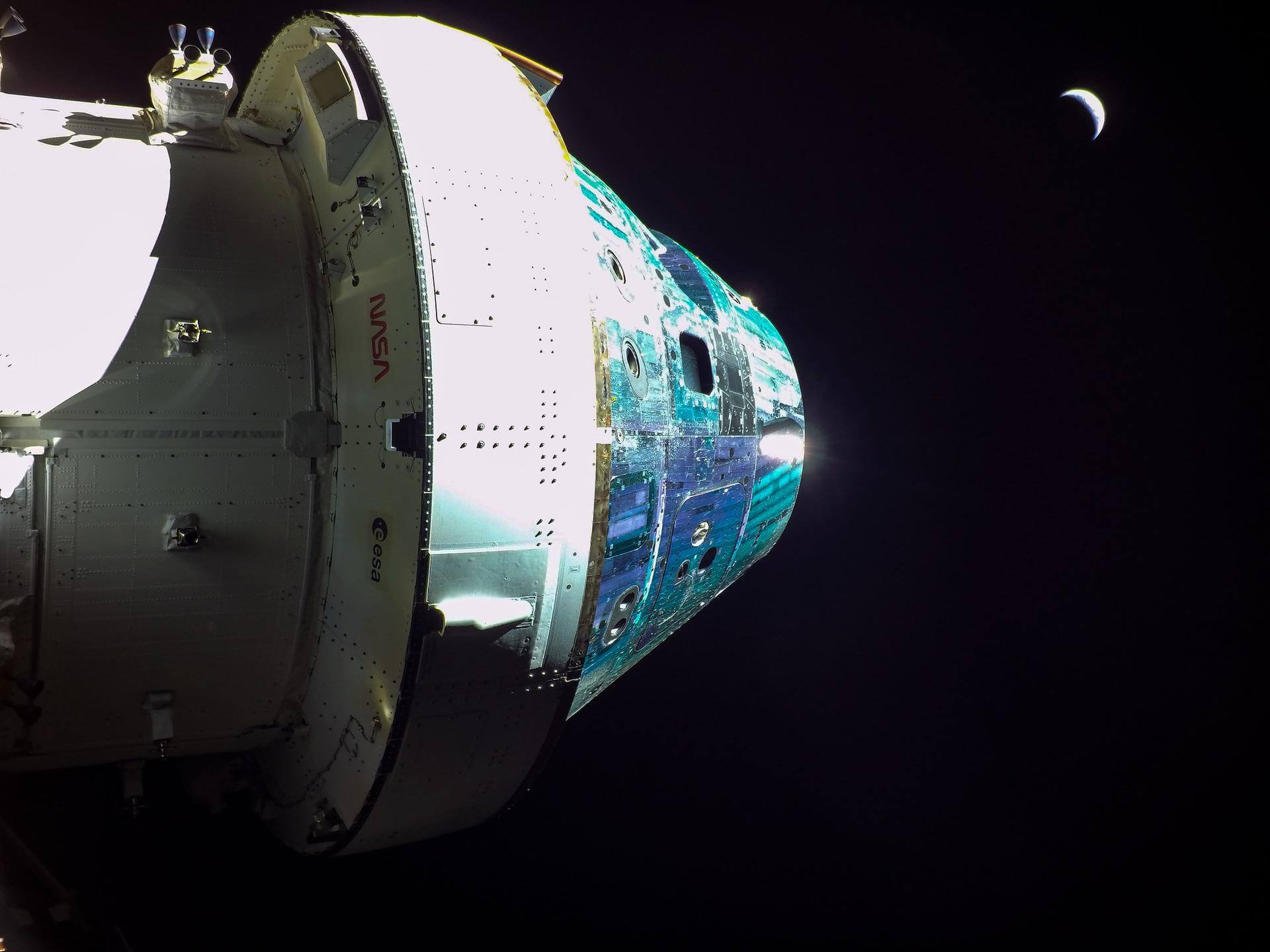
Orion 001
Orion 001 (001) was the spacecraft used for this mission. It is a NASA Capsule designed for Lunar Missions. and traveled to Elliptical Earth Orbit.
First Orion to fly in space. It was used for the Exploration Flight Test-1 mission, without a service module. The Orion MPCV takes basic design elements from the Apollo Command Module that took astronauts to the moon, but its technology and capability are more advanced. It is designed to support long-duration deep space missions, with up to 21 days active crew time plus 6 months quiescent. During the quiescent period crew life support would be provided by another module such as a Deep Space Habitat. The spacecraft's life support, propulsion, thermal protection and avionics systems are designed to be upgradeable as new technologies become available. nn The MPCV spacecraft includes both crew and service modules, and a spacecraft adaptor. The MPCV's crew module is larger than Apollo's and can support more crew members for short or long-duration missions. The service module fuels and propels the spacecraft as well as storing oxygen and water for astronauts. The service module's structure is also being designed to provide locations to mount scientific experiments and cargo. 21.1 days
| Type | Capsule |
|---|---|
| Agency | NASA |
| Serial Number | 001 |
| Status | Retired |
| Destination | Elliptical Earth Orbit |
| Maiden Flight | 11/16/2022 |
| Mission End | 12/5/2014 |
| Flights | 1 |
| Crew Capacity | 4 |
| Human Rated | Yes |
| Height | 3.3 m |
| Diameter | 5.0 m |
| Payload Capacity | 100 kg |
About ULA
United Launch Alliance (ULA) is a joint venture of Lockheed Martin Space Systems and Boeing Defense, Space & Security. ULA was formed in December 2006 by combining the teams at these companies which provide spacecraft launch services to the government of the United States. ULA launches from both coasts of the US. They launch their Atlas V vehicle from LC-41 in Cape Canaveral and LC-3E at Vandeberg. Their Delta IV launches from LC-37 at Cape Canaveral and LC-6 at Vandenberg.
| Total Launches | 175 |
|---|---|
| Successful | 175 |
| Pending | 73 |
| Consecutive Success | 175 |

Frequently Asked Questions
When was the ULA Delta IV Heavy EFT-1 launch scheduled?
The ULA Delta IV Heavy EFT-1 launch was scheduled for:
.
Where can I watch the ULA Delta IV Heavy EFT-1 launch video?
You can watch the ULA Delta IV Heavy launch video on this page. The official video includes full mission coverage with multiple camera angles, onboard views, and expert commentary covering pre-launch procedures, liftoff, stage separation, and payload deployment.
Where did the ULA Delta IV Heavy EFT-1 mission launch from?
The ULA Delta IV Heavy rocket launched from Space Launch Complex 37B at Cape Canaveral SFS, FL, USA. Cape Canaveral Space Force Station (CCSFS) is an installation of the United States Space Force's Space Launch Delta 45, located on Cape Canaveral in Brevard County, Florida.
What rocket was used for the EFT-1 mission?
The EFT-1 mission launched aboard a ULA Delta IV Heavy rocket. The Delta IV Heavy (Delta 9250H) is an expendable heavy-lift launch vehicle, the largest type of the Delta IV family, and is the world's second highest-capacity rocket in operation. It is manufactured by United Launch Alliance and was first launched in 2004. Detailed rocket specifications and performance data are available in the rocket details above.
What weather conditions could have delayed the ULA Delta IV Heavy EFT-1 launch?
The ULA Delta IV Heavy EFT-1 launch could have been delayed by various weather conditions including lightning within 10 nautical miles, high winds (especially upper-level winds), thick cloud layers, precipitation, and poor visibility. Weather must be favorable at the launch site, downrange landing zones, and abort landing sites.
How can I get updates if the ULA Delta IV Heavy EFT-1 launch was delayed?
This page was updated in real-time with the latest ULA Delta IV Heavy launch status, including any delays or scrubs for the EFT-1 mission. You can also check our space launch schedule for historical launch information. Our mobile app provides push notifications for instant alerts about launch status changes. Official ULA live streams provided the most immediate range updates during the launch window.
Last Updated
Last Updated: