
United States Air Force Iridium 34 to 37 & 19 Delta II
About the Iridium 34 to 37 & 19 Mission
| Type | Communications |
|---|---|
| Orbit | Low Earth Orbit |
| Launch Cost | $51,000,000 |
Iridium provides global mobile telecommunications services using a constellation of 66 low earth orbit satellites in a 86.4° inclined orbit. Although 77 satellites were originally envisioned for the system and spawned the name based on the 77th element in the periodic table, the system has been scaled back. Motorola's Satellite Communications Group designed and manufactured the Iridium satellites with Lockheed Martin providing the LM-700A spacecraft buses.
Launch Pad & Location
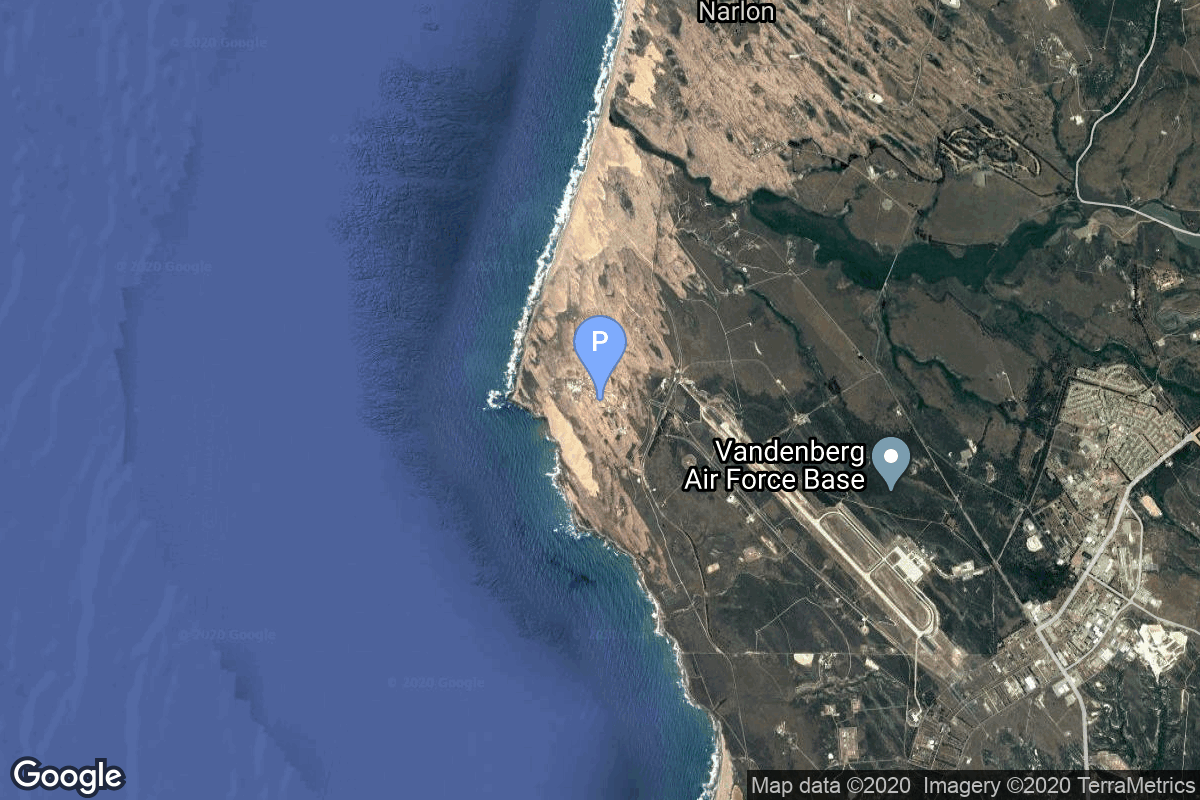
Space Launch Complex 2W
Vandenberg SFB, CA, USA
| Launches | 99 |
|---|---|
| Orbital Launch Attempts | 99 |
| Total Launches | 887 |
Vandenberg Space Force Base is a United States Space Force Base in Santa Barbara County, California. Established in 1941, Vandenberg Space Force Base is a space launch base, launching spacecraft from the Western Range, and also performs missile testing. The United States Space Force's Space Launch Delta 30 serves as the host delta for the base, equivalent to an Air Force air base wing. In addition to its military space launch mission, Vandenberg Space Force Base also hosts space launches for civil and commercial space entities, such as NASA and SpaceX.
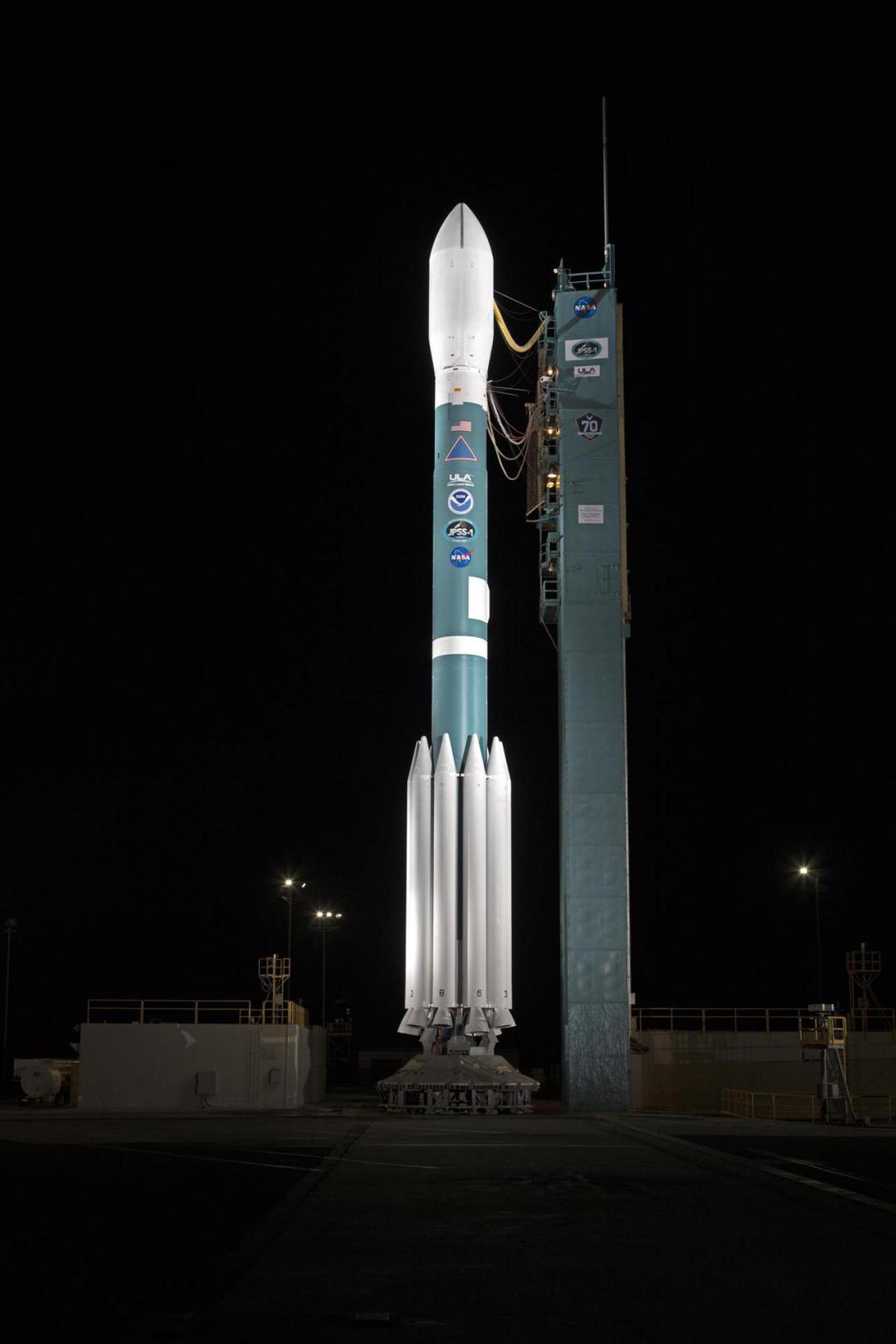
United Launch Alliance Delta II 7920-10C Rocket
Delta II is an American space launch system developed by McDonnell Douglas, now part of the Delta rocket family operated by United Launch Alliance. With more than 150 missions and a nearly perfect track record, Delta II has established itself as one of the most successful orbital launch systems.
Learn more about the United Launch Alliance Delta II 7920-10C Rocket
About United States Air Force
The United States Air Force (USAF) is the air service branch of the United States Armed Forces, and is one of the eight uniformed services of the United States. Originally created on 1 August 1907, as a part of the United States Army Signal Corps, the USAF was established as a separate branch of the United States Armed Forces in 1947 with the enactment of the National Security Act of 1947.
Frequently Asked Questions
When was the United States Air Force Delta II Iridium 34 to 37 & 19 launch scheduled?
The United States Air Force Delta II Iridium 34 to 37 & 19 launch was scheduled for:
.
Where did the United States Air Force Delta II Iridium 34 to 37 & 19 mission launch from?
The United States Air Force Delta II rocket launched from Space Launch Complex 2W at Vandenberg SFB, CA, USA. Vandenberg Space Force Base is a United States Space Force Base in Santa Barbara County, California. Established in 1941, Vandenberg Space Force Base is a space launch base, launching spacecraft from the Western Range, and also performs missile testing. The United States Space Force's Space Launch Delta 30 serves as the host delta for the base, equivalent to an Air Force air base wing. In addition to its military space launch mission, Vandenberg Space Force Base also hosts space launches for civil and commercial space entities, such as NASA and SpaceX.
What rocket was used for the Iridium 34 to 37 & 19 mission?
The Iridium 34 to 37 & 19 mission launched aboard a United States Air Force Delta II rocket. Delta II is an American space launch system developed by McDonnell Douglas, now part of the Delta rocket family operated by United Launch Alliance. With more than 150 missions and a nearly perfect track record, Delta II has established itself as one of the most successful orbital launch systems. Detailed rocket specifications and performance data are available in the rocket details above.
What weather conditions could have delayed the United States Air Force Delta II Iridium 34 to 37 & 19 launch?
The United States Air Force Delta II Iridium 34 to 37 & 19 launch could have been delayed by various weather conditions including lightning within 10 nautical miles, high winds (especially upper-level winds), thick cloud layers, precipitation, and poor visibility. Weather must be favorable at the launch site, downrange landing zones, and abort landing sites.
How can I get updates if the United States Air Force Delta II Iridium 34 to 37 & 19 launch was delayed?
This page was updated in real-time with the latest United States Air Force Delta II launch status, including any delays or scrubs for the Iridium 34 to 37 & 19 mission. You can also check our space launch schedule for historical launch information. Our mobile app provides push notifications for instant alerts about launch status changes. Official United States Air Force live streams provided the most immediate range updates during the launch window.
Last Updated
Last Updated: